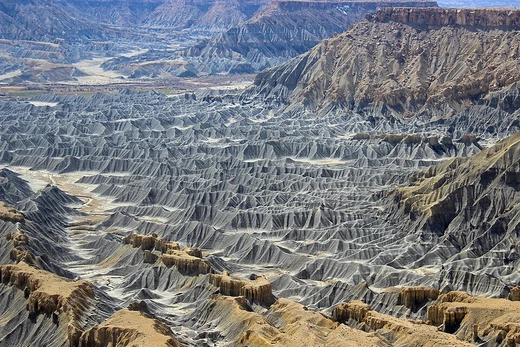
River morphology
Study of river channel shapes and their changes over time.

River morphology, also known as stream morphology, describes the shapes of river channels and how they change over time. It is a function of processes and environmental conditions such as bed and bank composition, erosion from current power, vegetation, sediment availability, and human interaction like dam construction. The study of river morphology is conducted within the field of fluvial geomorphology.
- Categories
- Meandering, braided, straight, and anastomosing channels (common descriptive types)
Lore & Background
River morphology examines how river channels form and evolve, influenced by factors such as the erodibility of bed and banks, current power, vegetation growth, sediment size and transport, and regional aggradation or degradation from subsidence or uplift. Human activities, notably dam construction, alter the flow of water and sediment, thereby creating or shrinking estuarine channels. In geomorphology, the term 'river regime' refers to seasonal variations in discharge or sediment balance, not a classification system.
Reader's Guide
River morphology is significant because it provides a framework for understanding how river channels change shape and direction over time, which is essential for managing water resources, flood risk, and river engineering. The concept of a river regime as a dynamic equilibrium system allows classification of rivers into four categories, aiding in prediction and analysis. Human interactions, such as dam construction, demonstrate how anthropogenic factors can alter natural morphological processes, affecting sediment transport and estuarine channels. The study is grounded in fluvial geomorphology, with references like Rosgen's 'Applied River Morphology' and Brice's work on meandering rivers. Its legacy lies in informing sustainable river management and restoration practices, though the article does not detail specific applications or outcomes.
Did You Know?
- River morphology is also known as stream morphology.
- Common channel types include meandering, braided, straight, and anastomosing patterns.
- Dam construction is an example of human-induced change in river morphology, altering ebb flow and creating or shrinking estuarine channels.
- The study of river morphology is accomplished in the field of fluvial geomorphology.
More in Geomorphology 1-24
Spotted an error? Know more?
Reader corrections go straight into our review queue. Suggest an edit · How this site is sourced