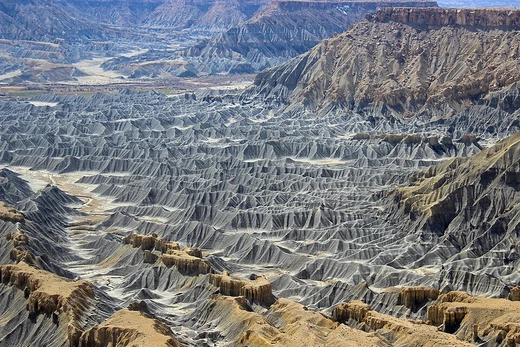
Mountain formation
Geological processes building mountains via tectonic plate movements.

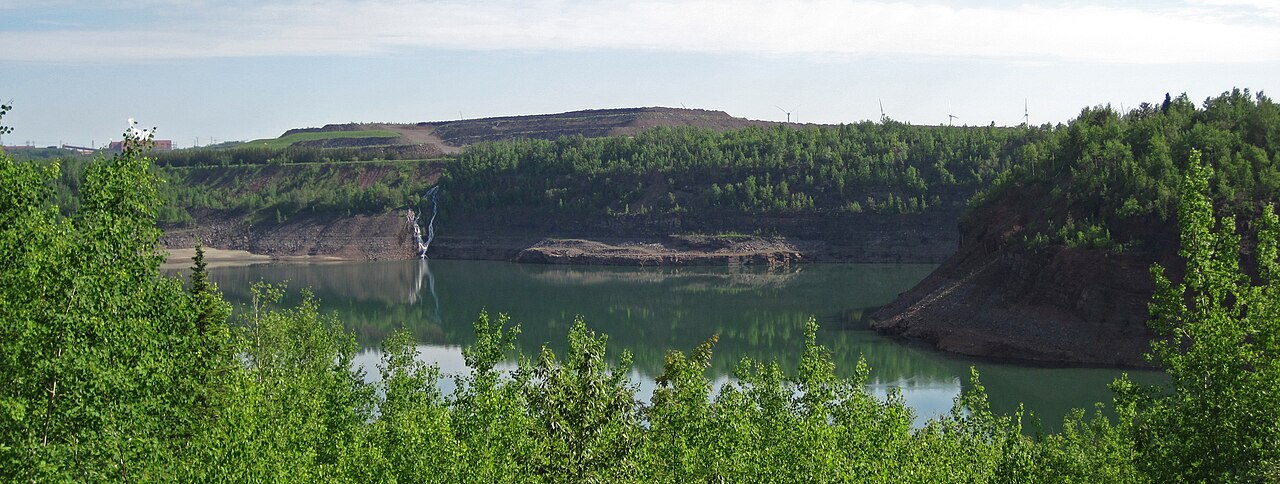
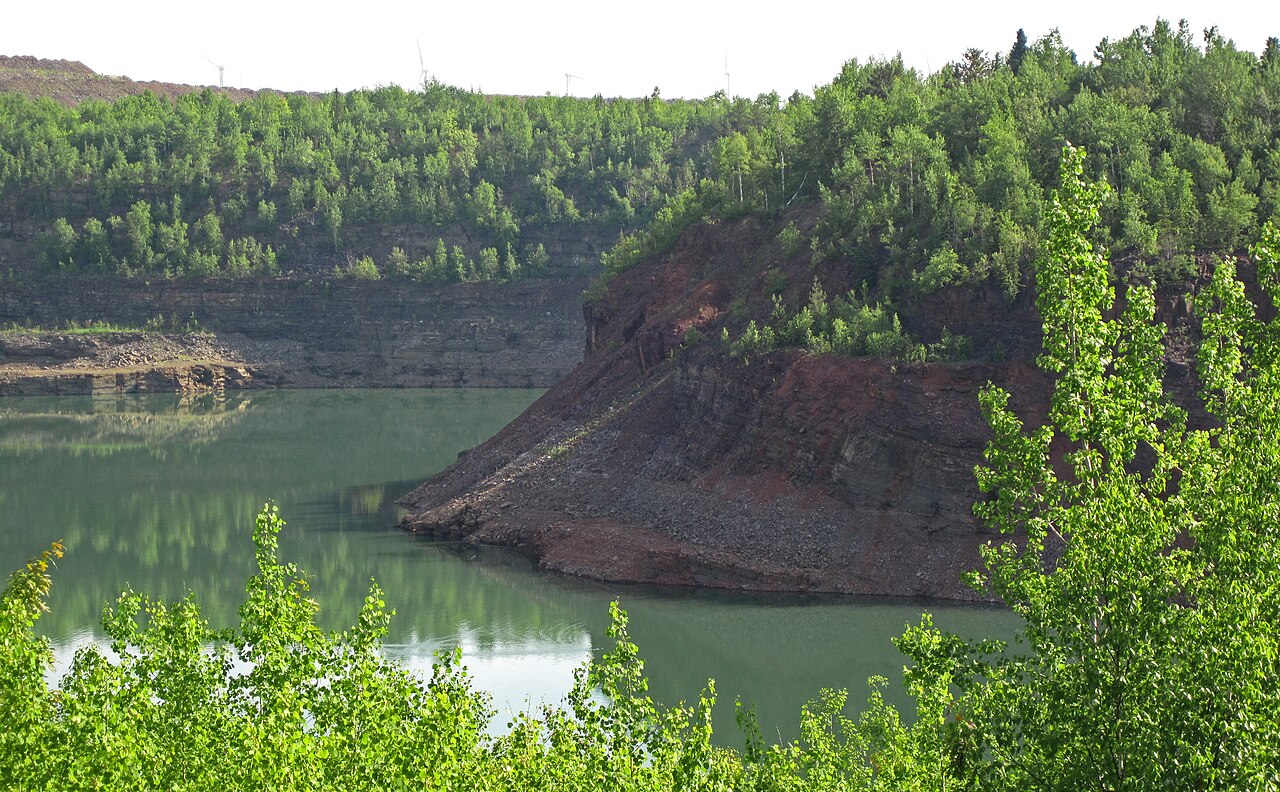
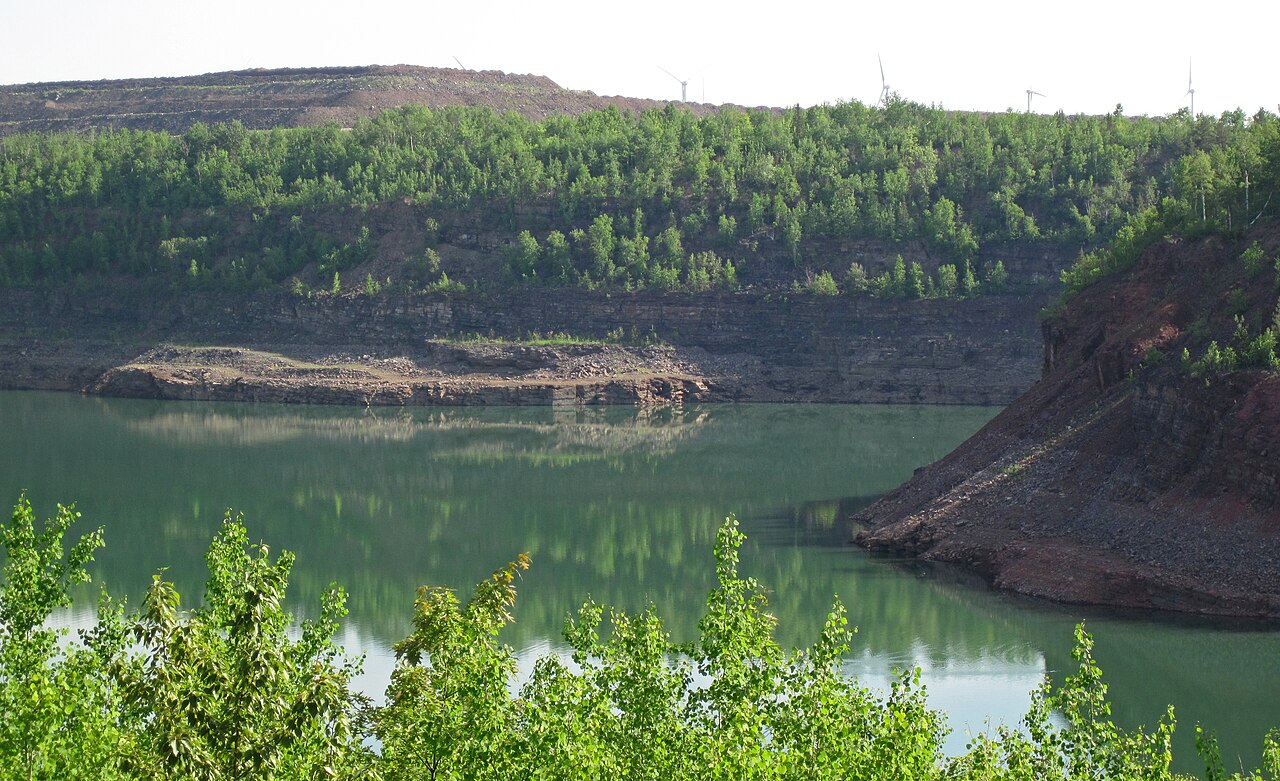
Kent G. Budge · CC0
Mountain formation, or orogenesis, encompasses the geological processes by which mountains are built through large-scale movements of Earth's crust. These processes include folding, faulting, volcanic activity, igneous intrusion, and metamorphism, driven by tectonic plate interactions. From the late 18th century until the 1960s, geosyncline theory was the dominant explanation, later replaced by plate tectonics.
- Example block mountains
- Sierra Nevada range (fault-block), Rila–Rhodope massif
Lore & Background
Mountain formation occurs through a variety of geological processes associated with large-scale movements of Earth's crust, known as tectonic plates. Folding, faulting, volcanic activity, igneous intrusion, and metamorphism can all be parts of the orogenic process. The formation of mountains is not necessarily related to the geological structures found on them. From the late 18th century until its replacement by plate tectonics in the 1960s, geosyncline theory was used to explain much mountain-building.
Reader's Guide
The study of mountain formation is central to understanding Earth's dynamic geology. The five main types—volcanic, fold, plateau, fault-block, and dome—each arise from distinct tectonic processes. Volcanic mountains, such as shield volcanoes like Mauna Loa and stratovolcanoes like Mount Fuji, form along plate boundaries, particularly in the Pacific Ring of Fire. Fold mountains, like the Zagros, result from continental-continental plate collisions. Block mountains, exemplified by the Sierra Nevada, form when fault blocks are raised or tilted. The field of tectonic geomorphology examines landscape features in terms of underlying tectonic processes, while neotectonics focuses on geologically young or ongoing processes. Despite advances, no widely accepted geophysical model explains elevated passive continental margins such as the Scandinavian Mountains, though they may be related to far-field stresses in the lithosphere.
Did You Know?
- Most volcanoes occur in a band encircling the Pacific Ocean called the Pacific Ring of Fire.
- A shield volcano has a gently sloping cone due to low viscosity of basalt, while a stratovolcano has a steeper cone due to higher viscosity.
- The Sierra Nevada range is a fault-block mountain formed by normal faulting and uplift along the Sierra Nevada Fault, creating a block 650 km long and 80 km wide.
- Several widely discussed geophysical models explain elevated passive continental margins like the Scandinavian Mountains, including mantle plume support, lithospheric thinning, and isostatic rebound from glacial erosion.
The Orogenic Engine and the Shift in Scientific Understanding
Mountain building is driven by the enormous, slow movements of Earth's tectonic plates, and the processes involved are far more varied than a single mechanism. Folding, faulting, volcanic eruptions, the intrusion of molten rock into existing crust, and the transformation of rock under extreme heat and pressure (metamorphism) can all contribute to what geologists call orogenesis. Importantly, the visible landscape of a mountain range does not always mirror the deep structural forces that created it. For nearly two centuries, from the late 1700s until the 1960s, scientists relied on geosyncline theory to make sense of how ranges rose. That framework was eventually superseded by plate tectonics, which reframed mountain building as a consequence of entire plates colliding, subducting, or sliding past one another. Today, the discipline of tectonic geomorphology connects surface landforms to their underlying tectonic causes, while neotectonics focuses on the youngest, still-active processes shaping the terrain we see.
Volcanic Peaks — Two Very Different Architectures
When tectonic plates interact at their boundaries, the resulting volcanism can sculpt mountains of strikingly different character. Shield volcanoes, of which Mauna Loa is the classic example, are built from low-viscosity basaltic lava that flows far before solidifying, producing a broad, gently sloping cone whose angle is typically only four to six degrees. In contrast, composite volcanoes or stratovolcanoes pile up steeper cones at angles of thirty-three to forty degrees because their magma is more viscous, trapping gases until pressure forces a violent, less frequent eruption. Famous examples of this steeper, more explosive type include Vesuvius, Kilimanjaro, Mount Fuji, Mount Shasta, Mount Hood, and Mount Rainier. The geographic distribution of these volcanic mountains is far from random. The vast majority cluster along a band encircling the Pacific Ocean, known as the Pacific Ring of Fire, while a second major belt stretches from the Mediterranean across Asia and merges with the Pacific ring in the Indonesian Archipelago. Near subduction zones, where an oceanic plate sinks and drags water into the mantle, chains of volcanoes called volcanic arcs form.
Fold and Block Mountains — When Continents Collide and Crust Breaks
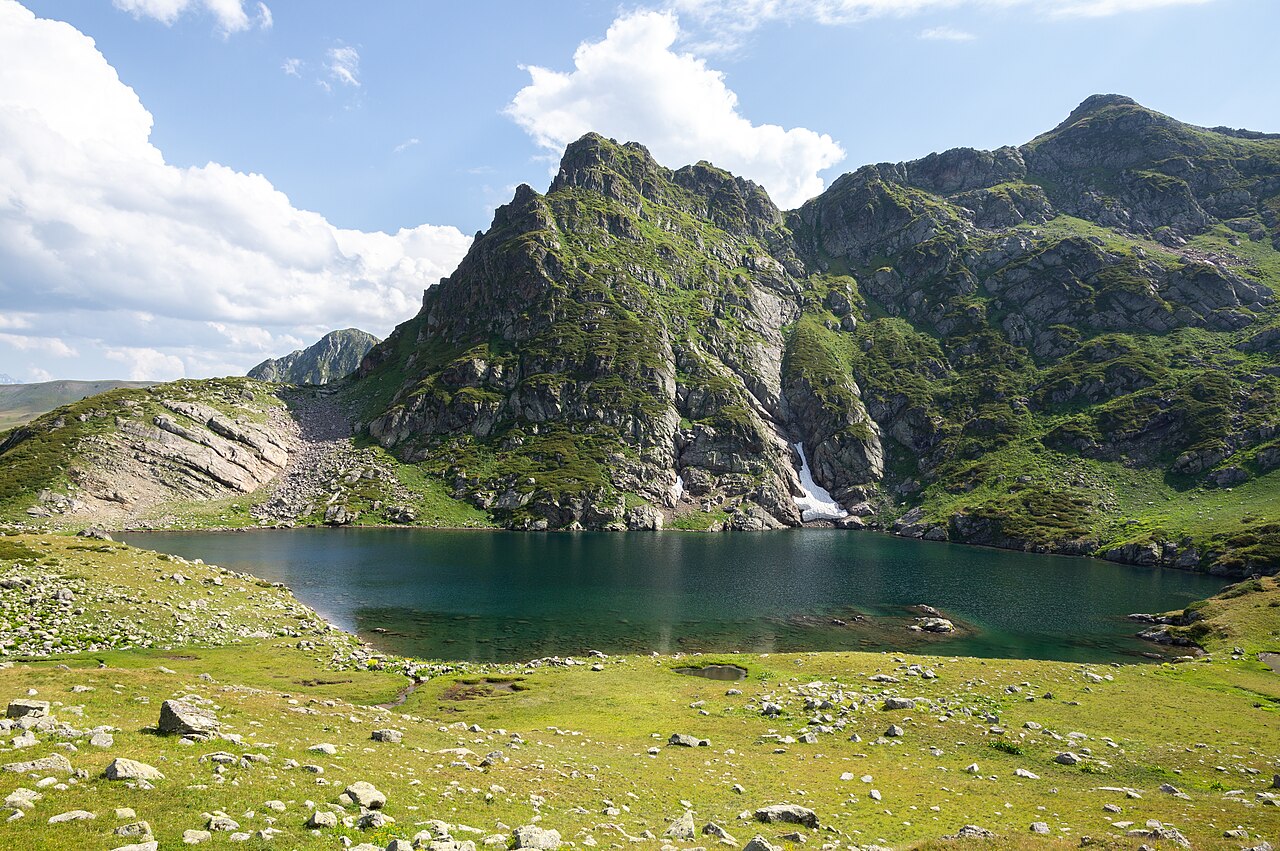
When two continental plates converge, neither is dense enough to subduct cleanly beneath the other. Instead, the crust buckles, thrusts, and folds, producing the great orogenic ranges. The Balkan Mountains, the Jura, and the Zagros are all products of this continental-continental compression, distinct from the volcanic arcs that form where oceanic and continental plates meet. A different but equally dramatic mechanism creates block mountains. When tensional forces pull the surface apart, the crust can fracture along faults, and a central block drops downward relative to its neighbors, forming a graben, while the flanking blocks that remain elevated are called horsts. The Sierra Nevada is a striking illustration: delamination produced a vast block roughly six hundred fifty kilometers long and eighty kilometers wide, composed of many individual segments tilted gently westward. Its eastern face rises abruptly, creating the highest mountain front in the continental United States. In Bulgaria, the Rila-Rhodope massif showcases well-defined horsts, including the linear Belasitsa, the domed Rila, and the massive anticline of Pirin nestled between the graben valleys of the Struma and Mesta rivers.
Unresolved Mysteries and the Frontiers of Mountain Science
Not every elevated landform fits neatly into the orogenic framework. Elevated passive continental margins, such as the Scandinavian Mountains, the highlands of eastern Greenland, the Brazilian Highlands, and Australia's Great Dividing Range, remain without a widely accepted geophysical explanation. Researchers suspect these features share a common uplift mechanism, possibly linked to far-field stresses acting across Earth's lithosphere. Under this hypothesis, elevated passive margins behave like enormous anticlinal folds in the lithosphere, where horizontal compression at the transition between thin and thick crust produces the uplift. Meanwhile, hotspot volcanoes present another open question. These are fed by a deep mantle source called a mantle plume, but the mechanism that generates the plume itself is still an active research topic, and earlier explanations tying them to melted subducted oceanic crust have been challenged by newer evidence. On the modeling side, early bent-plate theories that predicted fracture patterns and fault displacements have evolved into the more sophisticated kinematic and flexural models used today, which can estimate the height of a raised block and the width of an intervening rift based on layer rheology and isostatic forces.
Gallery
Frequently Asked Questions
What is Mountain formation (orogenesis)?
Mountain formation, or orogenesis, is the umbrella term for the suite of geological processes that raise and shape mountain ranges through large-scale crustal deformation. It is fundamentally powered by the interaction of tectonic plates, especially at convergent boundaries and along major fault systems.
What specific processes actually build mountains?
The key mechanisms include folding of rock strata, faulting, volcanic eruption, igneous intrusion beneath the surface, and metamorphism of pre-existing rocks. In practice, several of these mechanisms often act together during a single orogenic episode.
What was the geosyncline theory and why was it replaced?
From the late 1700s through the 1960s, geosyncline theory served as the dominant framework, proposing that sediment-filled basins were progressively compressed and uplifted into ranges. It was eventually superseded by the plate-tectonics paradigm, which offered a more complete explanation of crustal dynamics and mountain-building.
Can you give well-known examples of fault-block mountains?
The Sierra Nevada range in California is a textbook fault-block system, where a broad crustal slab was uplifted along normal faults. The Rila–Rhodope massif in the Balkans is another prominent example of block-mountain topography.
Why is Mountain formation important to geomorphology?
Understanding orogenesis lets geomorphologists trace the origin of major landforms, interpret the distribution of mineral deposits, and model long-term landscape evolution. It also underpins seismic-hazard assessment in mountainous regions, since the same tectonic forces that build ranges also generate earthquakes.
More in Geomorphology 1-24
Spotted an error? Know more?
Reader corrections go straight into our review queue. Suggest an edit · How this site is sourced