Chicharrón
Fried pork dish popular across Spanish-influenced cuisines worldwide.

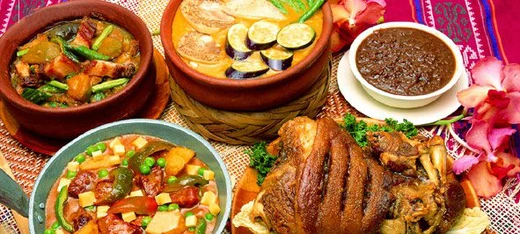
Chicharrón is a dish generally consisting of fried pork belly or fried pork rinds, though it may also be made from chicken, mutton, or beef. It is popular in Andalusia and Canarias in Spain, Latin America, and other places with Spanish influence, including the Southwestern United States, and is part of the traditional cuisines of many countries across the Americas, Europe, and Asia.
Quick Facts
- Name Italics
- true
- Country
- Spain
- Region
- Latin America, Spain, and the Philippines
- Course
- Appetizer
- Served
- Hot or cold
- Main Ingredient
- Pork
Facts from the source article.
Lore & Background
Chicharrón is made from various cuts of pork, but sometimes with mutton, chicken, or other meats. In some places, it is made from pork ribs with skin attached and other meatier cuts, rather than just rinds. The pork rind variant is the skin of the pork after it has been seasoned and deep-fried often to a crispy, puffy state. Other styles may be fatty or meaty, not fried as much, and sometimes attached to ribs or other bones.
National variants are numerous. In Mexico, chicharrón is eaten in a taco or gordita with salsa verde. In Bolivia, it is made of pork ribs seasoned with garlic, oregano and lemon, boiled and then cooked in its own fat, adding beer or chicha. In the Philippines, chicharon is ubiquitous as a snack, often dipped in coconut vinegar with soy sauce and chili, and also used as a topping on vegetable and noodle dishes. In Puerto Rico, it is a key ingredient in mofongo and other dishes.
In Serbia, the dish is called čvarci, usually made during the slaughter of pigs for the winter, traditionally rendered from pork fat without milk or lard. In Canada, a traditional Quebec dish called oreilles de crisse consists of deep-fried salted fatback, served in sugar shacks in spring. The United States version is typically made from pig skin and fat without meat, sold as a junk food item in plastic bags.
Reader's Guide
Chicharrón holds significance as a versatile and widespread dish that reflects the culinary influence of Spanish colonization across the globe. Its many national and regional variants demonstrate how a basic technique—frying pork skin or fat—has been adapted to local tastes, ingredients, and traditions. In Latin America, it appears as a main course, side dish, taco filling, or stew ingredient; in the Philippines, it is a beloved snack and pulutan; in Portugal and Brazil, it is known as torresmo and often served with lime. The dish also illustrates cultural exchange, as seen in the vegetarian and vegan versions developed in Mexico and the Philippines. Its enduring popularity across continents underscores its role as both a comfort food and a festive treat, often associated with Sunday meals, celebrations, or casual snacking. The variety of names—torrezno, torresmo, chicharon, čvarci—further highlights its integration into diverse food cultures while retaining a common culinary identity.
Did You Know?
- In Spain, chicharrón is called torrezno outside of Andalusia.
- In the Philippines, vegan versions of chicharon are made using deep-fried tofu skin, mushrooms, seaweed, and starch.
- In Serbia, čvarci are traditionally made by rendering pork fat, without the addition of milk or lard.
- In Canada, a similar dish called oreilles de crisse is served in sugar shacks in spring.
Frequently Asked Questions
What is Chicharrón?
Chicharrón is a crispy fried pork dish made primarily from pork belly or pork rinds, though recipes using chicken, mutton, or beef also exist. It's a staple across many cuisines with Spanish influence, including Filipino cooking.
Where did Chicharrón come from?
The dish traces its roots to Spain, particularly the Andalusia and Canarias regions, before spreading to Latin America, the Southwestern United States, and Asia through Spanish colonial influence. In the Philippines, it's commonly spelled 'chicharon.'
What are the main ingredients in Chicharrón?
The classic preparation centers on pork belly or pork rinds that are deep-fried until crisp. Some cooks swap in chicken, mutton, or beef, and modern versions even use tofu skin, mushrooms, or puffed cornmeal for vegetarian and vegan diets.
How is Chicharrón typically served?
It can appear as a standalone main course, a crunchy side dish, a filling tucked into tortillas, or a casual finger-food snack. In Filipino households, it's often the centerpiece of a meal or a popular bar snack.
What other names does Chicharrón go by?
Outside Andalusia, Spaniards call it torrezno, while Portuguese speakers use torresmo. In the Philippines it's written as chicharon, and Serbian cuisine has a similar dish called čvarci.
More in Filipino cuisine 1-24
Spotted an error? Know more?
Reader corrections go straight into our review queue. Suggest an edit · How this site is sourced