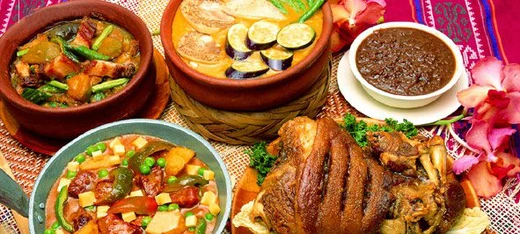
Blood sausage
A blood-based sausage found in many global cuisines.

Gvjekoslav · CC0
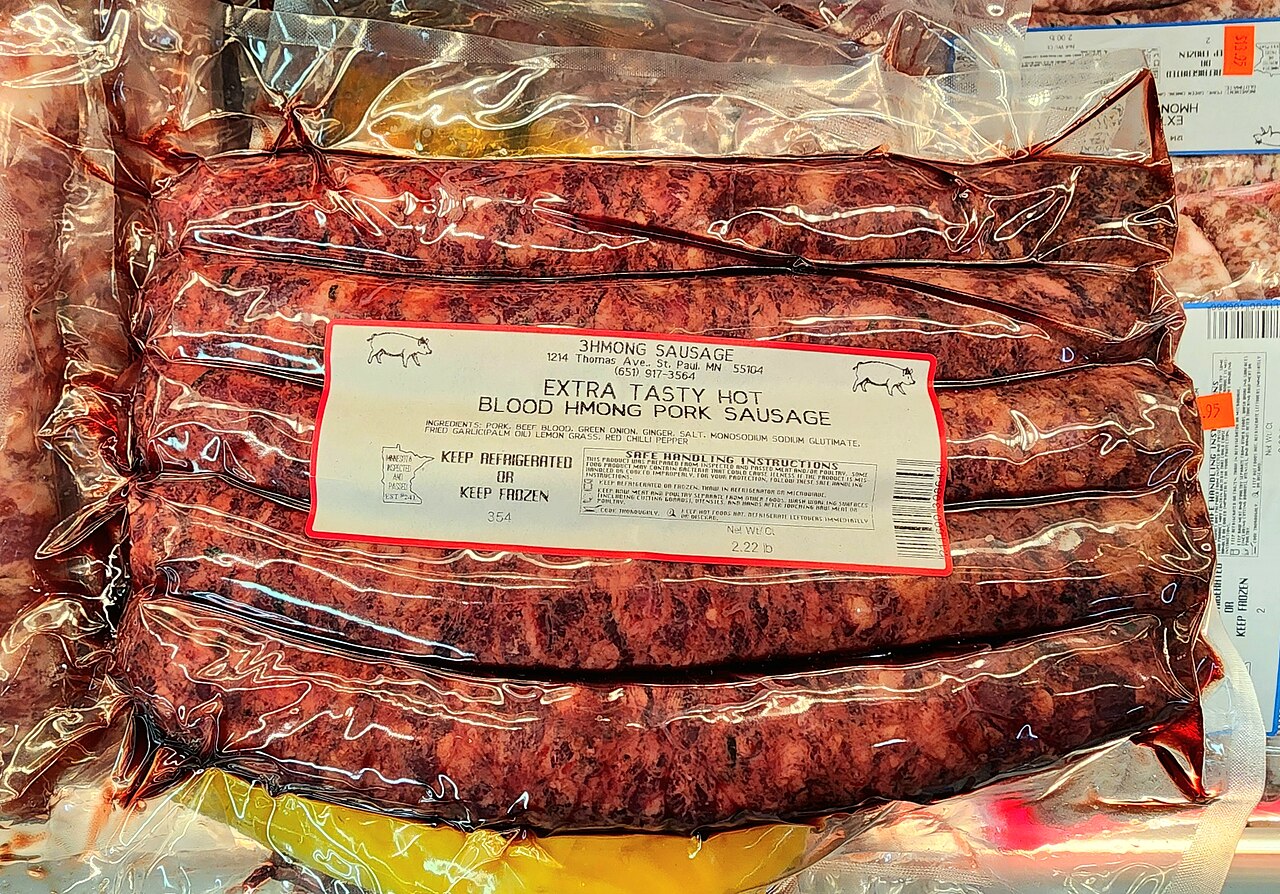
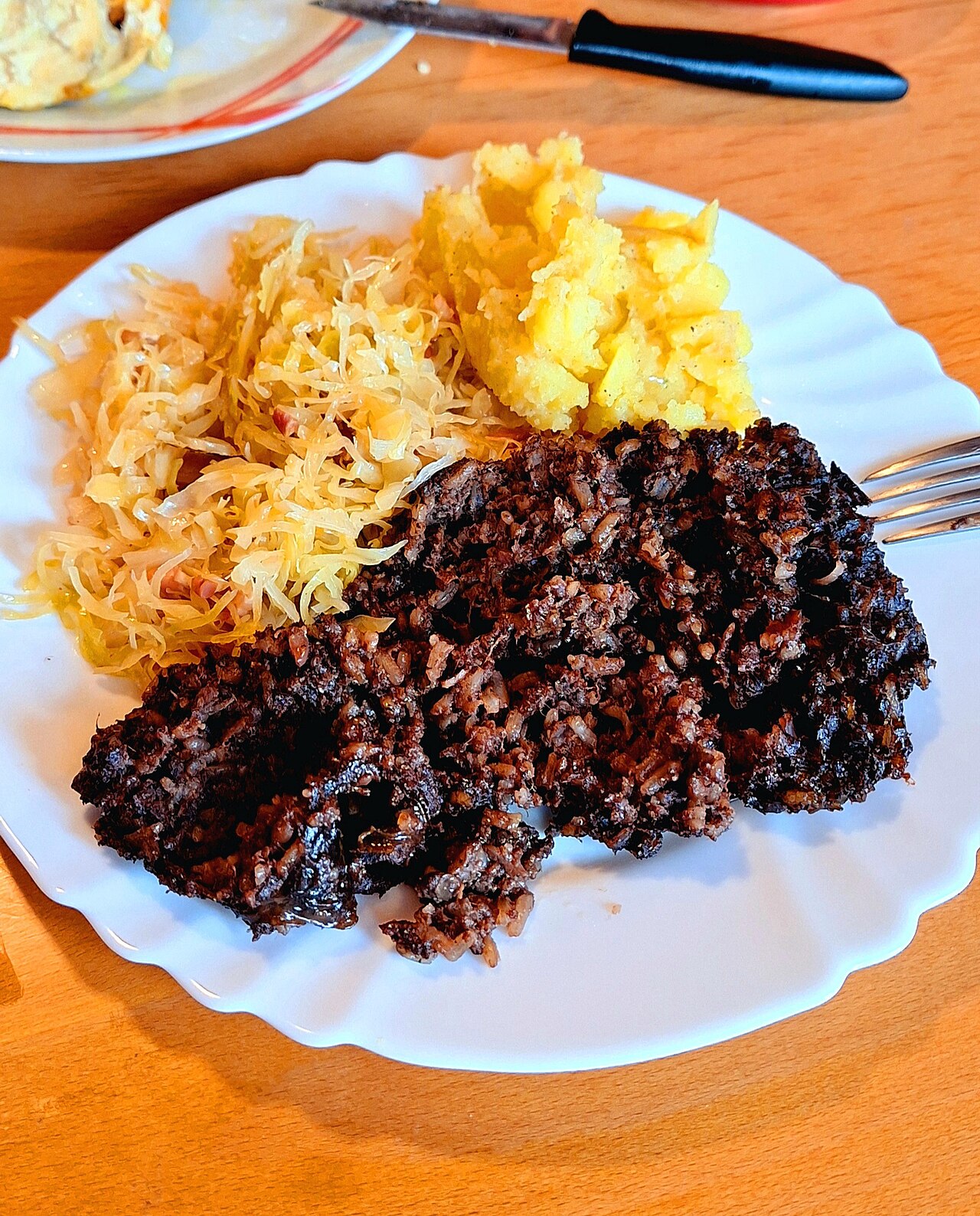
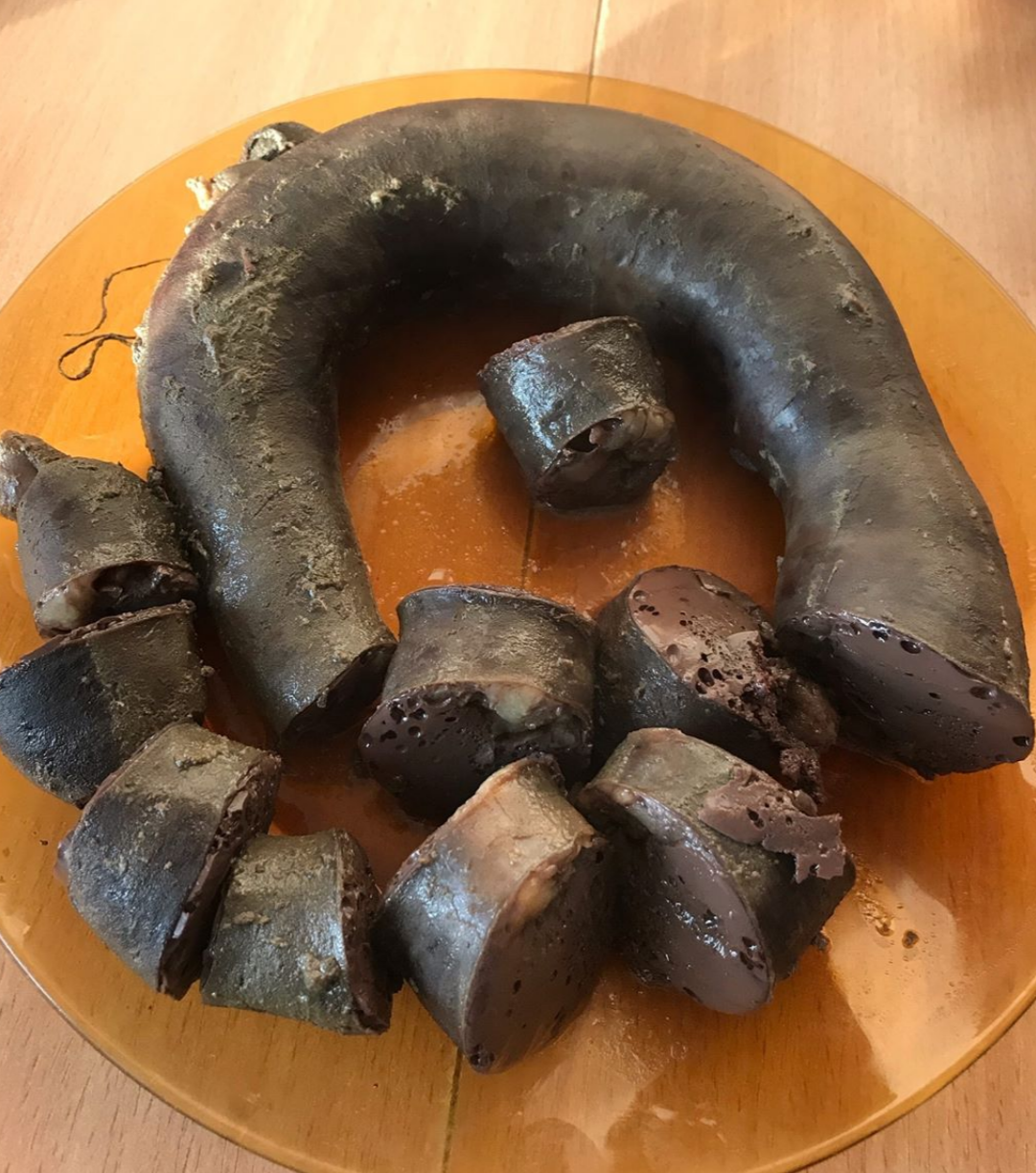
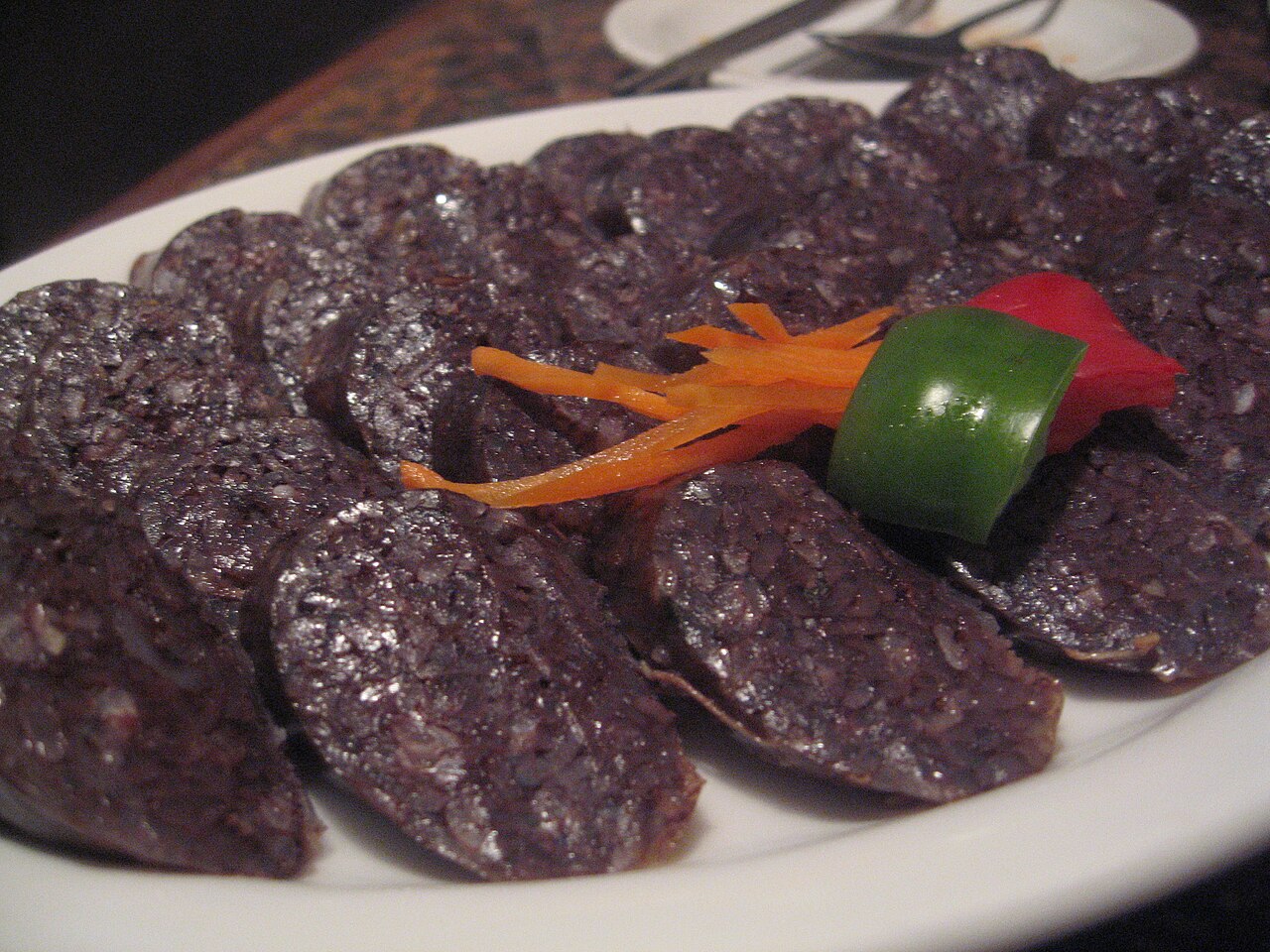
Blood sausage is a sausage made by mixing blood with a filler and then cooking or drying it, so that it solidifies as it cools. The blood can come from pigs, sheep, lamb, cows, chickens, or geese. In Europe and the Americas, common fillers include meat, fat, suet, bread, cornmeal, onion, chestnuts, barley, oatmeal, and buckwheat. On the Iberian Peninsula, in Latin America, and in Asia, rice is often used instead. Some regional versions are sweet, incorporating sugar, honey, orange peel, and spices.
In many languages, "blood sausage" is a general term for any sausage made with blood, whether or not it contains non-animal ingredients like bread or nuts. Sausages with those fillers may also have more specific names, such as "black pudding" in English. Other examples include boudin rouge (Creole and Cajun), rellena or moronga (Mexico), and sanganel (Friuli).
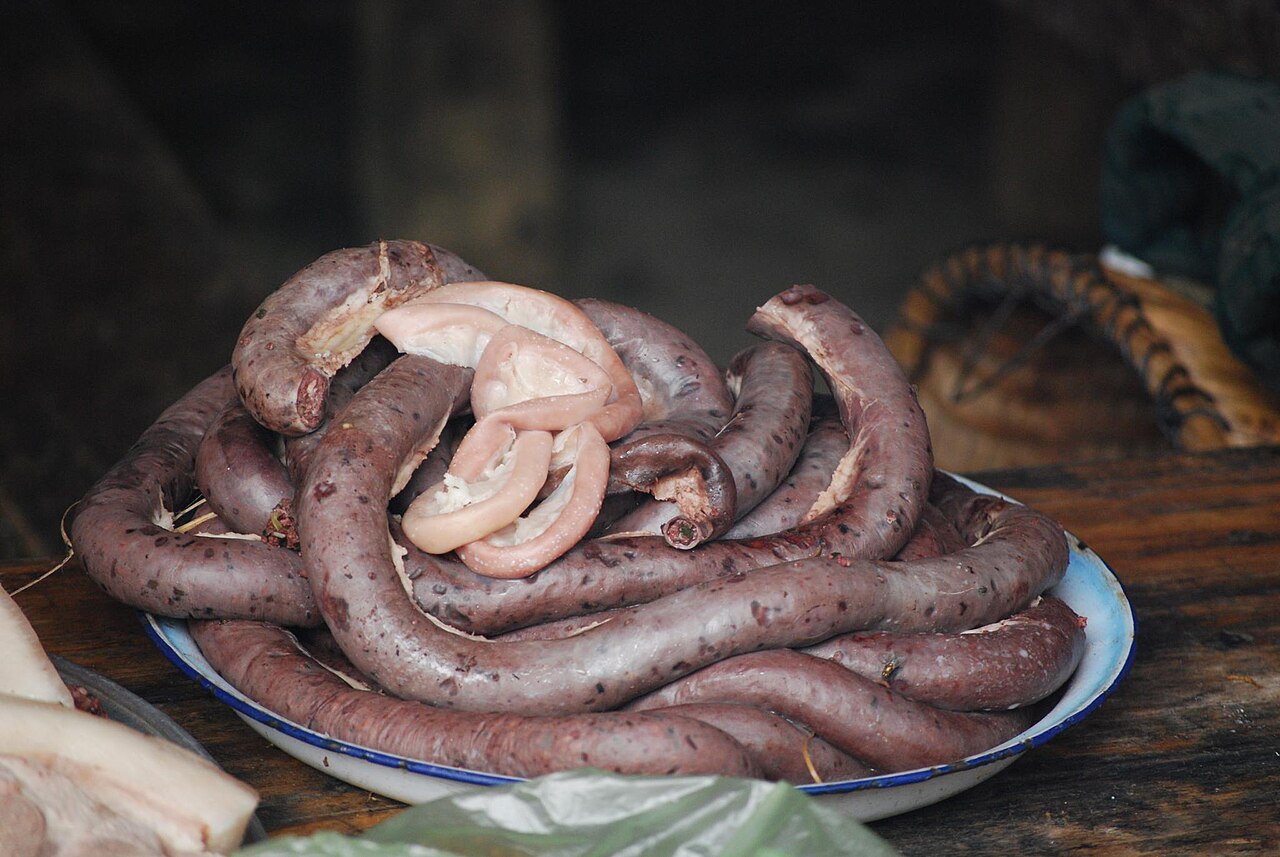
In Africa, Kenya has mutura, a traditional blood sausage made with meat, blood, and spices stuffed into the animal's intestines or stomach. Fillers include minced goat, beef, mutton, fat, and red onions. Many modern versions, especially street food, omit the blood. The meat is usually tougher, leaner cuts like neck, and the casing is the stomach sac or large intestines, cleaned thoroughly. The meat is finely chopped or minced, fried slightly, and mixed with chopped red onions, salt, and optional chili, coriander, garlic, pepper, or beef stock. Fresh blood is stirred in, and the mixture is stuffed into the casing, which is sewn or tied shut. The sausage is boiled for 30 to 45 minutes, then roasted over coals until brown. It is served sliced with kachumbari (a salad of tomatoes, red onions, coriander, chili, and lemon) and ugali.
In the Americas, morcilla is common in many parts of Latin America, often made with rice and onions, and seasoned with paprika and other spices. In Puerto Rico, a U.S. territory, morcilla includes rice, culantro, cilantro, garlic, and cubanelle pepper, sometimes with paprika and annatto, and is especially popular at Christmas. Blood sausages are hard to find in most U.S. supermarkets, but local grocers in Brussels and Sturgeon Bay, Wisconsin, produce them due to Belgian American populations. Supermarkets in Maine carry locally made blood pudding because of French Canadian communities. In southeastern Michigan, Polish-style kaszanka is widely available year-round.
Quick Facts
- Served
- Hot
- Main Ingredient
- Blood, grains, meat products, onions, spices
Facts from the source article.
Lore & Background
Blood sausage has a long history across Europe, the Americas, Africa, and Asia. In Europe and the Americas, typical fillers include meat, fat, suet, bread, cornmeal, onion, chestnuts, barley, oatmeal, and buckwheat. On the Iberian Peninsula and in Latin America and Asia, fillers are often made with rice. Sweet variants with sugar, honey, orange peel, and spices are also regional specialties. In many languages, a general term such as blood sausage is used for all sausages made from blood, while those with non-animal material are often called black pudding in English.
Reader's Guide
Blood sausage is significant as a traditional food that utilizes animal blood and fillers, reflecting resourcefulness and regional culinary practices. In Kenya, mutura is a traditional dish made with meat, blood, and spices encased in intestines or stomach, though commercial versions often omit blood. In the Americas, morcilla is common in Latin America, with variations like rice and onions in many countries, and sweet versions in Uruguay and Argentina. In the United States, blood sausage is difficult to find in supermarkets but is produced in areas with Belgian, French Canadian, Polish, Italian, German, and Cajun populations. In the Caribbean, blood sausage is made with sweet potato in Barbados, rice in Antigua, and local peppers in Trinidad and Tobago. In South America, morcilla is part of barbecues and asados, with sweet versions in Brazil and Uruguay. The dish persists as a cultural marker, though some traditions have declined due to health regulations.
Did You Know?
- In Kenya, commercial street food versions of mutura often do not contain blood.
- In the U.S., blood sausage is produced in Brussels and Sturgeon Bay, Wisconsin, due to large Belgian American communities.
- Despite a common myth, traditional Barbadian black pudding does contain pig's blood; browning sauce is used only for color and flavor, not as a substitute for the blood.
Composition and the Science of Solidification
A blood sausage begins with a deceptively simple principle: animal blood—most often drawn from pigs, sheep, lambs, cattle, chickens, or geese—is combined with a variety of fillers and cooked or dried until the mixture reaches a consistency thick enough to hold its shape once it cools. The fillers vary enormously by region. Across Europe and the Americas, cooks reach for meat, fat, suet, bread, cornmeal, onions, chestnuts, barley, oatmeal, or buckwheat. On the Iberian Peninsula, in Latin America, and throughout Asia, rice takes the lead role as the primary binding grain. Some regional preparations lean into sweetness, folding in sugar, honey, orange peel, and warm spices to create a variant that challenges the very notion of what a sausage can be. The end product is a dense, cohesive cylinder that can be sliced, fried, boiled, or roasted depending on local custom, making blood sausage one of the most adaptable protein preparations in the global culinary repertoire.
A Global Vocabulary of Names
No single word captures every iteration of this dish. In American English, "blood sausage" serves as the broad umbrella term for any sausage made with blood, regardless of whether it contains bread, cereal, or nuts. English speakers who include such non-animal ingredients often prefer the more specific label "black pudding." Other cultures have carved out their own precise vocabulary: Creole and Cajun cookers call their version boudin rouge; Mexican traditions use rellena or moronga; the Friulian region of Italy knows it as sanganel; Kenyan communities refer to theirs as mutura; and the Polish diaspora in southeastern Michigan keeps the name kaszanka alive in local supermarkets. In the San Francisco Bay Area, Italian-American butchers produce biroldo, while Barbadian cooks simply call their sweet-potato-and-blood preparation "pudding." This linguistic patchwork reflects how a single core technique—blood bound with filler and encased in natural casings—has been endlessly reinterpreted across continents.
Mutura: Kenya's Boiled-and-Roasted Classic
Mutura is a traditional blood sausage that originated in urban Kenyan communities before spreading across the country. The preparation is labor-intensive: tougher, leaner cuts of goat, beef, or mutton—such as the neck, trimmed off the bone—are finely minced and lightly fried. These are combined with finely chopped red onions, salt, and optionally fresh chili, along with additions like coriander, garlic, pepper, and even beef stock. The mixture is then thoroughly blended with the animal's fresh blood and stuffed into a casing made from the stomach sac and larger intestines, which have been flushed repeatedly with water. The openings are sewn or tied with string. The stuffed sausage is boiled in a large pot for thirty to forty-five minutes, often alongside other animal parts destined for soup, and then roasted over coals until brown. Sliced, it is served alongside kachumbari, an onion-based salad of tomatoes, red onions, coriander, chili, and lemon, with ugali as the starch. Notably, many commercial street-food versions sold today omit blood entirely.
Holiday Tables and Diaspora Kitchens Across the Americas
In Puerto Rico, morcilla—made with rice, culantro, cilantro, garlic, and cubanelle pepper, sometimes with paprika and annatto—is a Christmas staple, typically served fried. In the Yucatán Peninsula, the same dish is deep-fried and eaten exclusively in tacos, paired with pickled onions, cilantro, and fresh habanero peppers. In Barbados, "pudding" combines sweet potato, pig's blood, and onions with peppers and herbs, and is traditionally served alongside souse, a brined preparation of pickled pig's feet and ears; the pairing is a weekend and special-occasion delicacy. In Trinidad and Tobago, the local version is heavily peppered and now often uses pig's liver in place of blood, served with crusty hops bread or trotter souse. In the continental United States, blood sausage remains very difficult to find in mainstream supermarkets, surviving instead in pockets shaped by immigration: Belgian-American grocers in Brussels and Sturgeon Bay, Wisconsin; French Canadian black pudding in Maine; Polish kaszanka in southeastern Michigan; and Italian-American biroldo with pine nuts, raisins, and pig snouts in the San Francisco Bay Area.
Gallery
Frequently Asked Questions
What exactly is blood sausage?
It is a sausage in which animal blood is mixed with a filler, then cooked or dried until the blood solidifies as it cools. The result is a dense, protein-rich sausage that appears in cuisines worldwide.
Which animals' blood can be used to make it?
The blood may come from pigs, sheep, lamb, cows, chickens, or geese, depending on the region and the specific recipe being prepared.
What fillers are typically mixed into the blood?
In Europe and the Americas, cooks commonly add meat, fat, suet, bread, cornmeal, onion, chestnuts, barley, oatmeal, or buckwheat. In the Iberian Peninsula, Latin America, and parts of Asia, rice is the go-to filler instead.
Are there sweet or unusual versions of blood sausage?
Yes—some regional preparations incorporate sugar, honey, orange peel, and spices to create a sweeter profile. These show just how versatile the basic blood-and-filler concept can be.
What are some well-known names for blood sausage around the world?
It goes by many names, including black pudding, boudin rouge, morcilla, moronga, sanganel, mutura, biroldo, Blutwurst, Zungenwurst, chouriço, and prieta. Each name reflects a distinct local tradition, though the core idea of solidified blood in a casing remains the same.
More in Filipino cuisine 1-24
Spotted an error? Know more?
Reader corrections go straight into our review queue. Suggest an edit · How this site is sourced