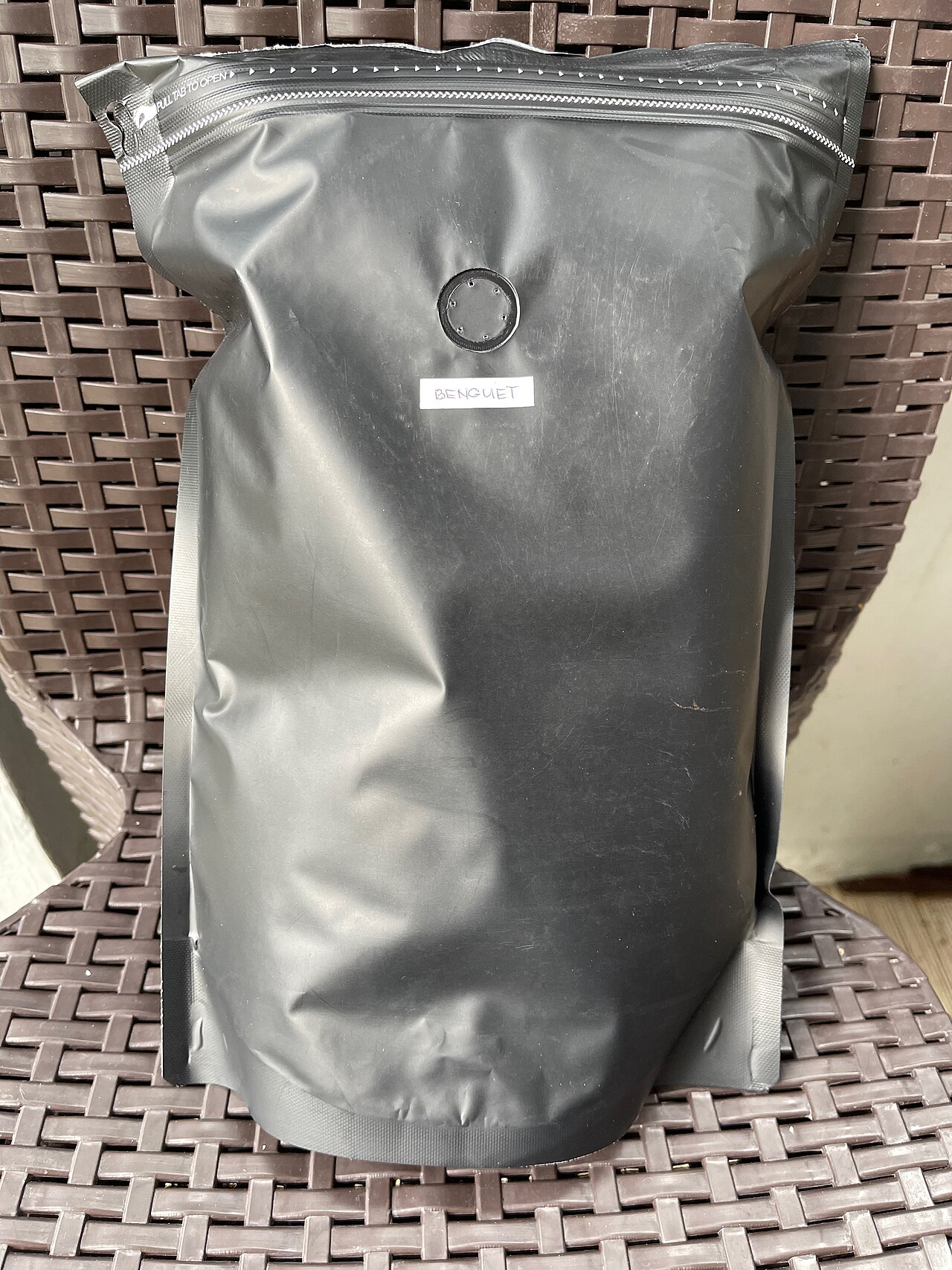
Benguet coffee
Single-origin arabica from the Cordillera highlands of the Philippines.

Therealjohnzerilli · CC BY-SA 4.0
Benguet coffee, also called Benguet arabica, is a single-origin coffee from the Typica variety of *Coffea arabica*. It has been grown in the Cordillera highlands of the northern Philippines since the 1800s. The climate of Benguet province is well suited to arabica cultivation, and the coffee is a key crop for local farmers. It is recognized by the Slow Food movement’s Ark of Taste, a catalogue of endangered heritage foods.
Arabica coffee is thought to have reached the Cordillera highlands around the middle of the 19th century. According to William F. Pack, an American governor of Benguet from 1909 to 1912, the crop was first introduced to the region in 1875 by Spanish military governor Manuel Scheidnagel (sometimes spelled Scheidnagel y Sera). He planted it in government gardens in the lowlands to test its potential, but frequent rains and low elevation proved unsuitable. The next governor, Enrique Oraa, had better luck when he moved the plants to higher altitudes in 1877 and gave seedlings to the native Igorot people. In 1881, another governor named Villena tried to force the natives to grow coffee by ordering them to do so. In response, village elders advised destroying the arabica plantations, and the communities complied. However, a native chief named Camising from Kabayan saw the crop’s value and introduced it to his own people. His success convinced neighboring communities to start cultivating it themselves. Benguet coffee became part of the Philippines’ thriving coffee industry in the 1880s and 1890s, when annual Philippine coffee exports reached up to 16 million pounds. Coffee rust struck in 1899, devastating plantations across the country and causing production to collapse. By 1917, the country’s total annual coffee exports had fallen dramatically. Pack praised Benguet coffee for its flavor and tried to revive the industry while governor, but his efforts, along with those of the American colonial government, failed.
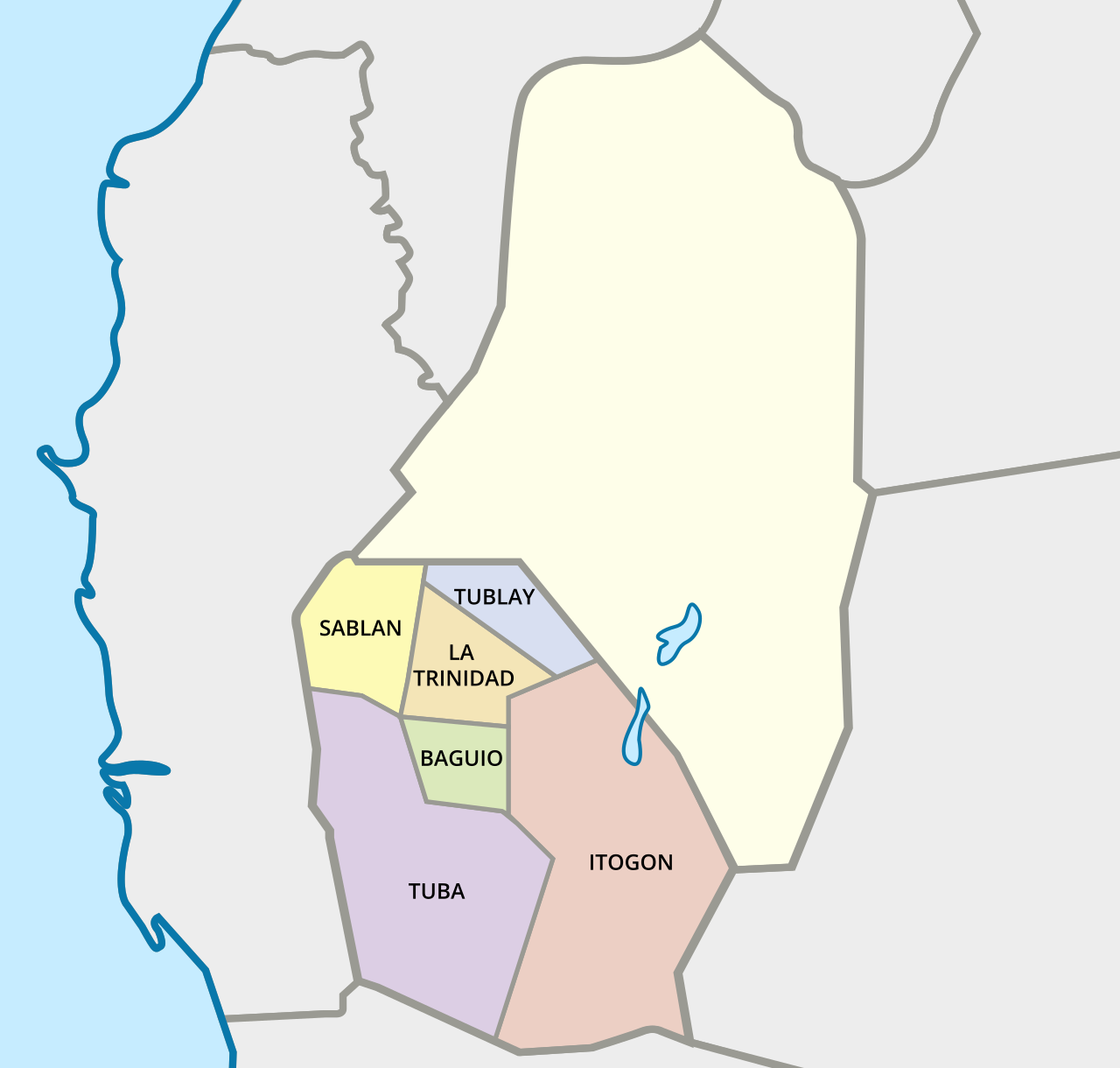
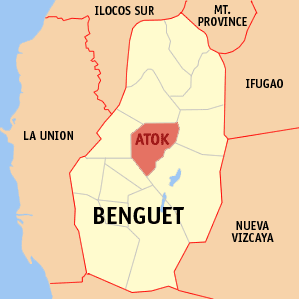
Today, Benguet coffee is grown mainly in the province of Benguet, on small-scale or backyard farms. The beans were used for local consumption and also exported as a luxury item to Spain, where they commanded high prices. The industry thrived again in the mid-20th century as demand grew, but it declined in the 1990s due to high inflation and government neglect, leading many farmers to switch to crops like corn.
Quick Facts
- Origin
- Cordillera
- Introduced
- Mid-19th century
- Related
- Kona coffee and Jamaican Blue Mountain Coffee
- Region
- Northern Philippines
Facts from the source article.
Lore & Background
Arabica coffee is believed to have been introduced to the Cordillera highlands in the mid-19th century. According to William F. Pack, an American governor of Benguet (1909–1912), arabica coffee was first introduced in 1875 by Spanish military governor Manuel Scheidnagel (sometimes spelled Scheidnagel y Sera), who planted them in lowland government gardens. Frequent rains and low altitude proved unsuitable, but the next governor, Enrique Oraa, transplanted them at higher altitudes in 1877 and distributed seedlings among the native Igorot people. In 1881, Governor Villena attempted to coerce natives into growing coffee, leading to the destruction of plantations on the advice of village elders. However, a native chief named Camising from Kabayan saw the crop’s value and introduced it to his own people. His success convinced neighboring communities to start cultivating it themselves. Benguet coffee became part of the Philippines’ thriving coffee industry in the 1880s and 1890s, when annual Philippine coffee exports reached up to 16 million pounds. Coffee rust struck in 1899, devastating plantations across the country and causing production to collapse. By 1917, the country’s total annual coffee exports had fallen dramatically.
Reader's Guide
Benguet coffee was part of the booming Philippine coffee industry in the 1880s and 1890s, with annual exports reaching up to 16 million pounds. Coffee rust devastated plantations in 1899, causing production to plummet; by 1917, annual exports were only about 3,000 pounds. Governor Pack praised the coffee's flavor and attempted to rehabilitate the industry, but his efforts and those of the American colonial government failed. Cultivation is centered in Benguet on small-scale farms, producing both for local consumption and luxury exports to Spain. The industry flourished in the mid-20th century but faltered in the 1990s due to inflation and government neglect, leading farmers to shift to other crops. Recent provincial efforts have increased production since 2010, and in 2016 the Department of Trade and Industry launched a shared service facility for processing and cupping arabica at Benguet State University. Benguet is regarded as the top producer of quality arabica in the Philippines and is in high demand.
Did You Know?
- Benguet coffee was first introduced to the Cordilleras in 1875 by Spanish military governor Manuel Scheidnegal y Sera.
- In 1881, native communities destroyed arabica plantations in protest of a governor's coercion.
- Coffee rust devastated Benguet coffee plantations in 1899, causing exports to drop from 16 million pounds to about 3,000 pounds by 1917.
- Benguet coffee is listed in the Ark of Taste international catalogue of endangered heritage foods by the Slow Food movement.
From Spanish Gardens to Igorot Backyards
Arabica coffee first took root in the Cordillera highlands during the mid-1800s, a story that unfolded across several colonial governors and generations of native farmers. According to records cited by American governor William F. Pack, Spanish military official Manuel Scheidnegal y Sera planted the first arabica trees in 1875 within government gardens in the province's lowlands, hoping to test their viability as a regional crop. The experiment stumbled: heavy rainfall and insufficient elevation proved hostile to the young plants. Two years later, his successor Enrique Oraa relocated the seedlings to higher ground and, crucially, handed them out to the indigenous Igorot communities for their own cultivation. The relationship between the colonial administration and the growers soured in 1881 when Governor Villena attempted to mandate coffee planting by decree. Village elders counseled resistance, and native communities tore up the plantations in protest. The crop's true adoption came not from top-down orders but from a single chief, Camising of Kabayan, who recognized its potential and shared his successes with neighbors. Word spread, and coffee cultivation took organic hold across the highlands.
A Golden Decade and a Near-Death
The 1880s and 1890s represented the zenith of Philippine coffee, with Benguet's highland harvests contributing to a national export surge that peaked at roughly sixteen million pounds per year. For a brief window, the crop was a genuine economic engine for the archipelago. Then came 1899, when coffee rust swept through the plantations and decimated yields almost overnight. The industry's collapse was so severe that by 1917, the entire Philippine coffee export total had shrunk to a mere three thousand pounds—a fraction of its former glory. During the American colonial period, Governor Pack himself acknowledged the exceptional flavor of Benguet arabica and pushed a rehabilitation program to rebuild the sector. Yet neither his initiatives nor those of the broader colonial administration managed to reverse the decline. The crop survived, but it survived as a shadow of its former commercial self, sustained more by local attachment than by any market force. The lesson of that era—how quickly a single blight can erase a century of agricultural progress—remains embedded in the province's coffee narrative.
Backyard Roots and a Modern Comeback
Benguet coffee has always been a smallholder crop, grown primarily in backyard plots and small-scale farms scattered across the province rather than in large commercial estates. For much of its history, the beans served dual purposes: feeding local households and fetching premium prices as a luxury export to Spain. The industry experienced a mid-twentieth-century resurgence as demand climbed, but the 1990s brought a sharp reversal. Soaring inflation combined with what farmers perceived as government indifference drove many to abandon coffee in favor of more reliable staples like corn. The turning point came in the 2010s, when provincial authorities launched concerted efforts to reinvigorate production for both domestic and international buyers. Output has climbed steadily since 2010. A landmark moment arrived in 2016, when the Department of Trade and Industry in the Cordillera region opened a shared service facility and cupping laboratory inside Benguet State University—the first of its kind in the country. Today, Benguet is widely regarded as the Philippines' leading producer of premium arabica, and the national coffee roadmap envisions the Cordillera region contributing over three thousand seven hundred metric tons of green beans from more than six thousand hectares of planted area.
A Cup That Rivals the World's Finest
Among the many arabica coffees grown across the tropics, Benguet arabica occupies a distinctive niche defined by its sensory profile. The varietal, a Typica strain of Coffea arabica, is noted for a bright acidity that draws direct comparisons to two of the world's most celebrated single-origin coffees: Hawaiian Kona and Jamaican Blue Mountain. That parallel is no small claim, as both of those names carry decades of prestige in specialty coffee circles. Benguet's highland climate—cool, misty, and elevated—creates conditions particularly well suited to arabica development, and the result is a bean that commands high demand both locally and abroad. Yet for all its quality, the coffee carries an endangered status. The Slow Food movement has inscribed Benguet coffee in its Ark of Taste, an international catalogue dedicated to preserving heritage foods and traditional agricultural practices at risk of disappearing. This designation underscores a paradox: a crop that rivals the finest in the world yet remains vulnerable to economic pressures, climate shifts, and the simple passage of time. Its survival depends on the continued commitment of smallholder farmers and the institutions working to support them.
Gallery
Frequently Asked Questions
What is Benguet coffee?
Benguet coffee, often called Benguet arabica, is a single-origin coffee grown in the Cordillera highlands of the northern Philippines. It comes specifically from the Typica variety of Coffea arabica and has been cultivated in Benguet province since the 1800s.
How did Benguet coffee get to the Philippines?
Arabica coffee was introduced to the Cordillera highlands around the mid-19th century. Spanish governor Manuel Scheidnagel is credited with bringing the crop to the region in 1875, and it has been a staple livelihood crop for local farmers ever since.
What makes Benguet coffee's flavor stand out?
The coffee is best known for its pronounced acidity, which enthusiasts compare to the bright, clean notes found in Hawaiian Kona and Jamaican Blue Mountain coffees. That acidity is a product of the cool, high-elevation climate of Benguet province, which is naturally well suited to arabica cultivation.
Why is Benguet coffee listed on the Slow Food Ark of Taste?
The Ark of Taste is a catalogue of heritage foods that are at risk of disappearing, and Benguet coffee was added because the Typica variety it relies on is increasingly rare. Its inclusion highlights the need to protect both the specific cultivar and the traditional small-scale farming practices of the Cordillera highlands.
Is Benguet coffee the same as regular Philippine coffee?
No—Benguet coffee is a distinct single-origin arabica, not the robusta-dominant coffee most commonly associated with the Philippines. It is grown exclusively in the cool highlands of Benguet province and is valued for its Typica genetics and acidity profile, setting it apart from the lower-elevation robusta crops found elsewhere in the country.
More in Filipino cuisine 1-24
Spotted an error? Know more?
Reader corrections go straight into our review queue. Suggest an edit · How this site is sourced