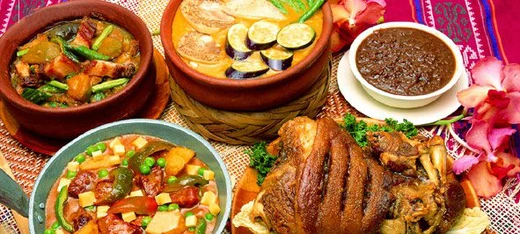
Kapampangan cuisine
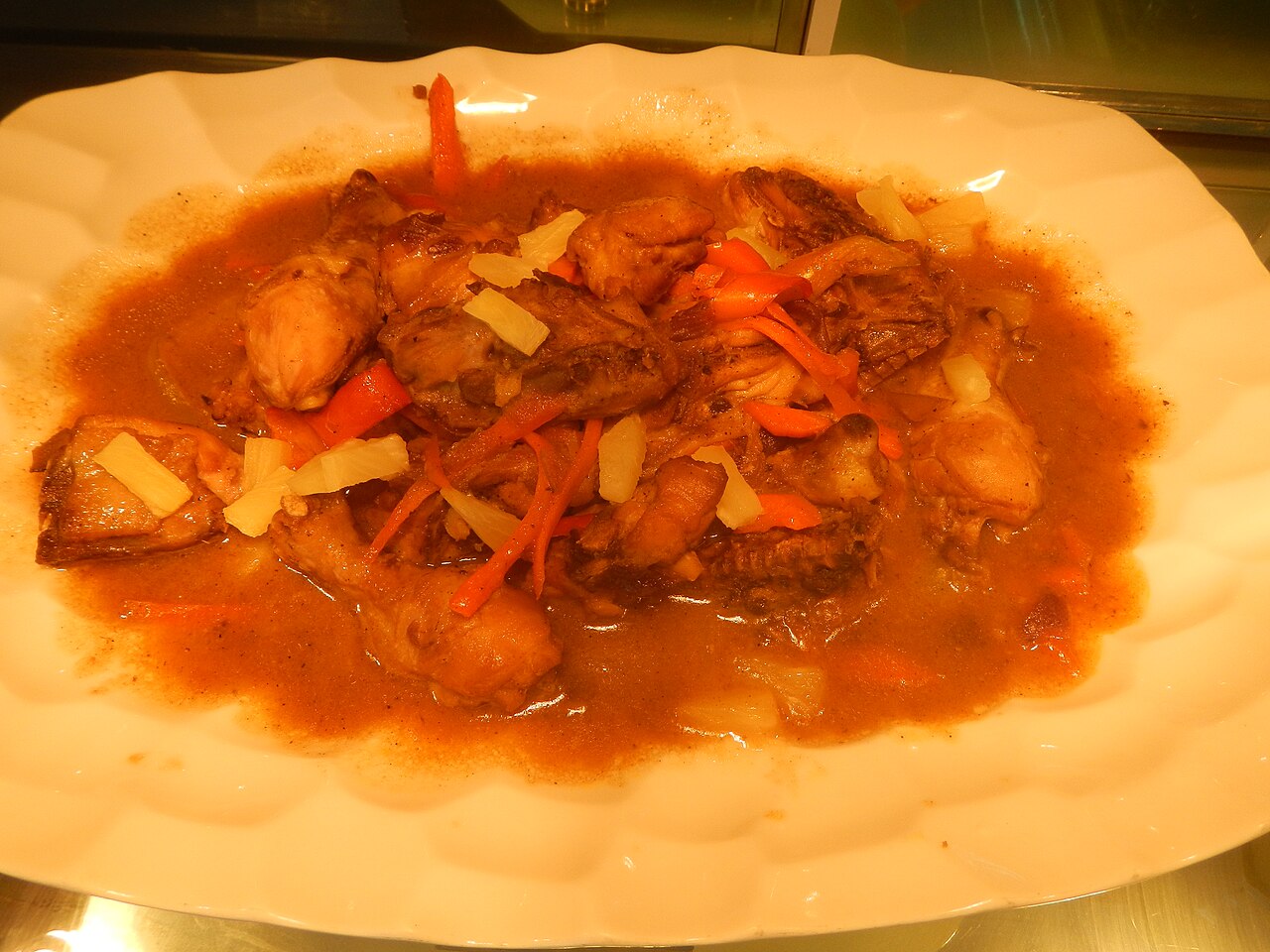
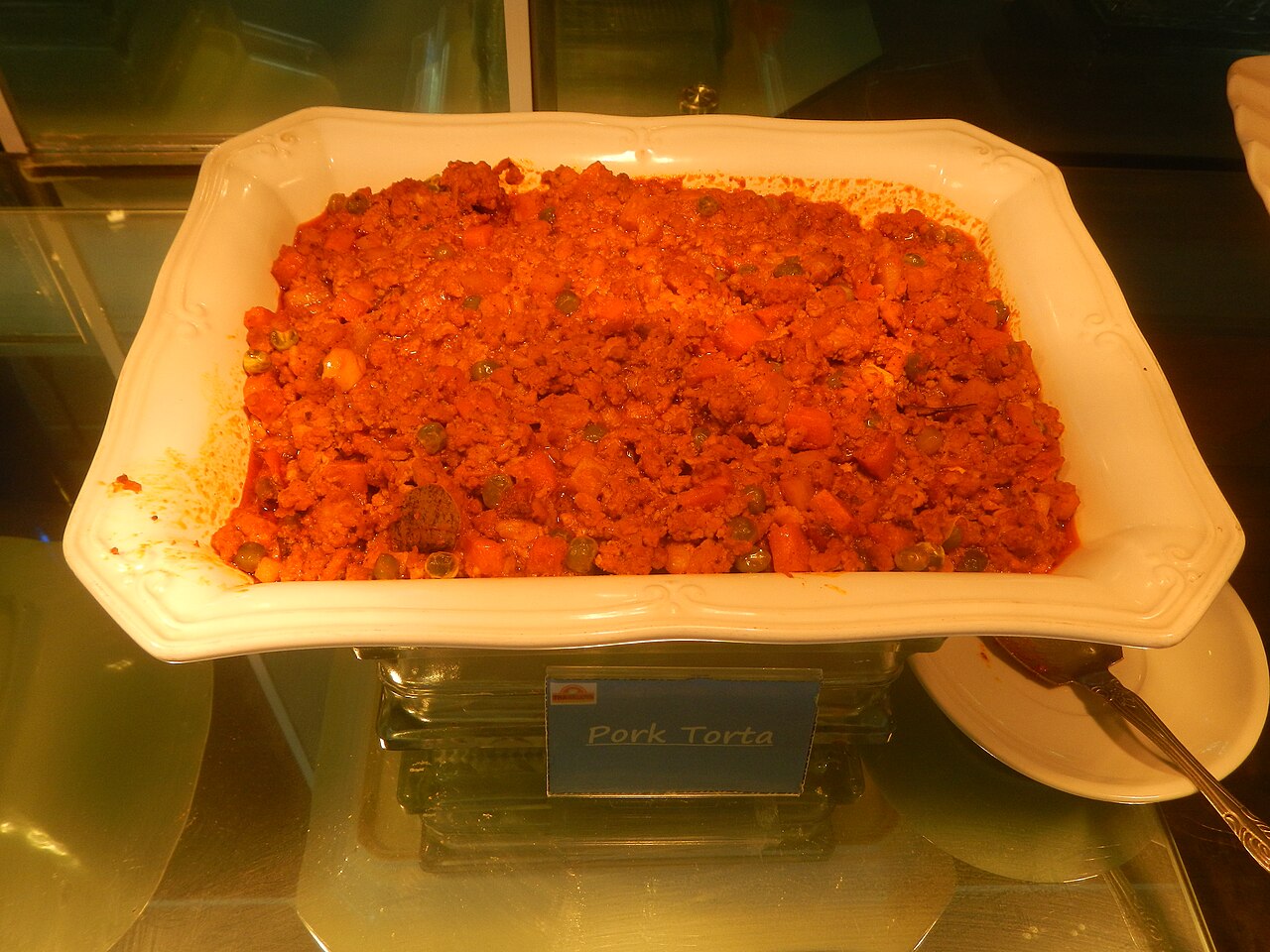
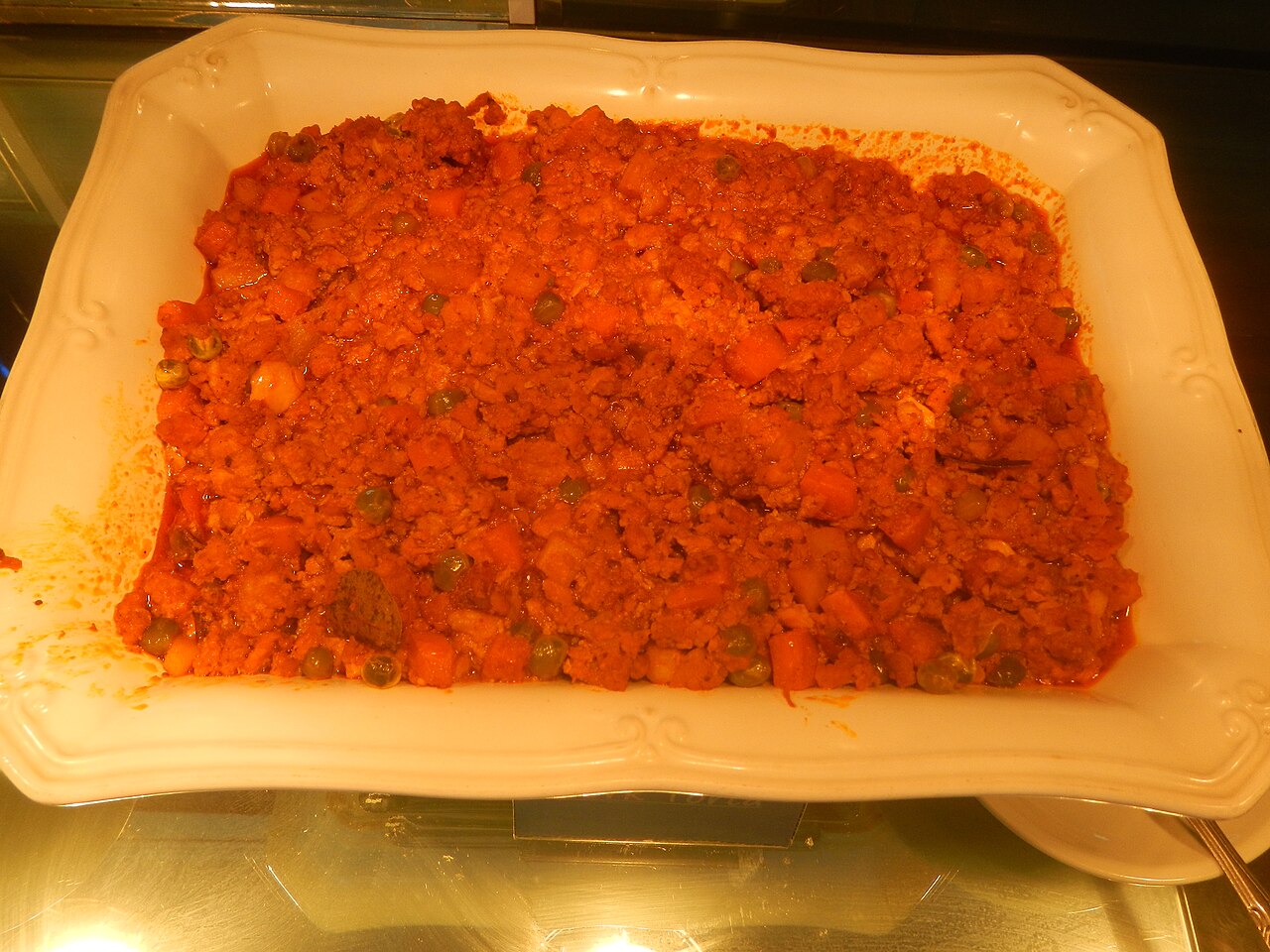
Kapampangan cuisine blends Spanish influence with native Philippine ingredients.

Judgefloro · CC0
Kapampangan cuisine is the culinary tradition of the Kapampangan people of the Philippines. It differed noticeably from other groups in the Philippines, and the Kapampangan kitchen is the biggest and most widely used room in the traditional Kapampangan household.
- Field
- Cuisine
- Nationality
- Philippine (Kapampangan)
- Known for
- Unique blend of Spanish and native cooking, sisig, nasing biringyi
Lore & Background
When the Philippines was under Spanish rule, Spanish friars and sailors taught Kapampangans the basics of Spanish cooking. The Kapampangans were able to produce a unique blend that surprised the Spanish palate. Soon, Spanish friars and government officials were entertaining foreign guests at the expense of Kapampangan households. Kapampangans were given the task of creating the meals and menus that were served in the proclamation of the First Philippine Republic in Malolos, Bulacan.
Reader's Guide
Kapampangan cuisine holds a distinctive place in Philippine culinary history due to its early and deep integration of Spanish cooking techniques, which the Kapampangans adapted into a unique blend that surprised even Spanish palates. This culinary skill led to Kapampangans being commissioned to prepare meals for foreign dignitaries and for the proclamation of the First Philippine Republic. The cuisine includes popular dishes such as sisig, morcon, menudo, caldereta, and nasing biringyi (chicken saffron rice), the latter being so difficult to prepare that it is only enjoyed during fiestas in Pampanga. Unusual dishes include balo balo (mudfish fermented in rice), betute tugak (stuffed frogs), adobung kamaru (mole crickets), calderetang barag (spicy monitor lizard stew), kubang asu (sweet and spicy dog stew), and tidtad itik (duck stewed in blood). Heritage dishes include tidtad (dinuguan), begukan, hornong pistu, asadong dila, and kilayin. The cuisine's legacy is preserved in cookbooks and by the Kapampangan people themselves.
Did You Know?
- Nasing biringyi (chicken saffron rice) is so difficult to prepare it can only be enjoyed during fiestas in Pampanga.
- Unusual Kapampangan dishes include betute tugak (stuffed frogs).
Colonial Prestige and the Diplomatic Table
During the Spanish colonial period, Kapampangan cooking underwent a remarkable transformation. Spanish friars and sailors introduced foundational techniques of Iberian cuisine to the community, but rather than simply imitating, the Kapampangans forged a distinctive fusion that genuinely astonished Spanish palates. This culinary skill quickly elevated their status within colonial society. By the late 1700s, the Arnedo family of Apalit received a formal commission from the colonial administration to prepare banquets for visiting foreign dignitaries, including a Cambodian prince and a Russian archduke. The colonial government essentially outsourced its diplomatic hospitality to Kapampangan households. This legacy of culinary excellence carried forward into the revolutionary era, when Kapampangans were entrusted with designing the menus and preparing the meals served during the proclamation of the First Philippine Republic in Malolos, Bulacan. Their kitchen had become, in effect, the national dining room of a young nation.
The Kitchen at the Heart of the Home
In traditional Kapampangan households, the kitchen holds a position of extraordinary prominence. It is not merely a functional space but the largest and most frequently occupied room in the entire home, a fact that speaks volumes about the centrality of food to daily Kapampangan life. This architectural and social priority distinguishes the Kapampangan household noticeably from those of other ethnic groups across the Philippines. The kitchen is where the family gathers, where social bonds are reinforced, and where the community's identity is expressed through the act of preparing and sharing meals. The sheer scale of the room reflects the expectation that cooking is not a peripheral chore but a central, communal activity that structures the rhythm of household life. This cultural emphasis on the kitchen as a gathering place helps explain why Kapampangan cuisine developed such a rich and varied repertoire, as the space and social importance of cooking encouraged experimentation, the preservation of heritage recipes, and the hosting of elaborate gatherings that became a point of regional pride.
A Repertoire of Signature Dishes
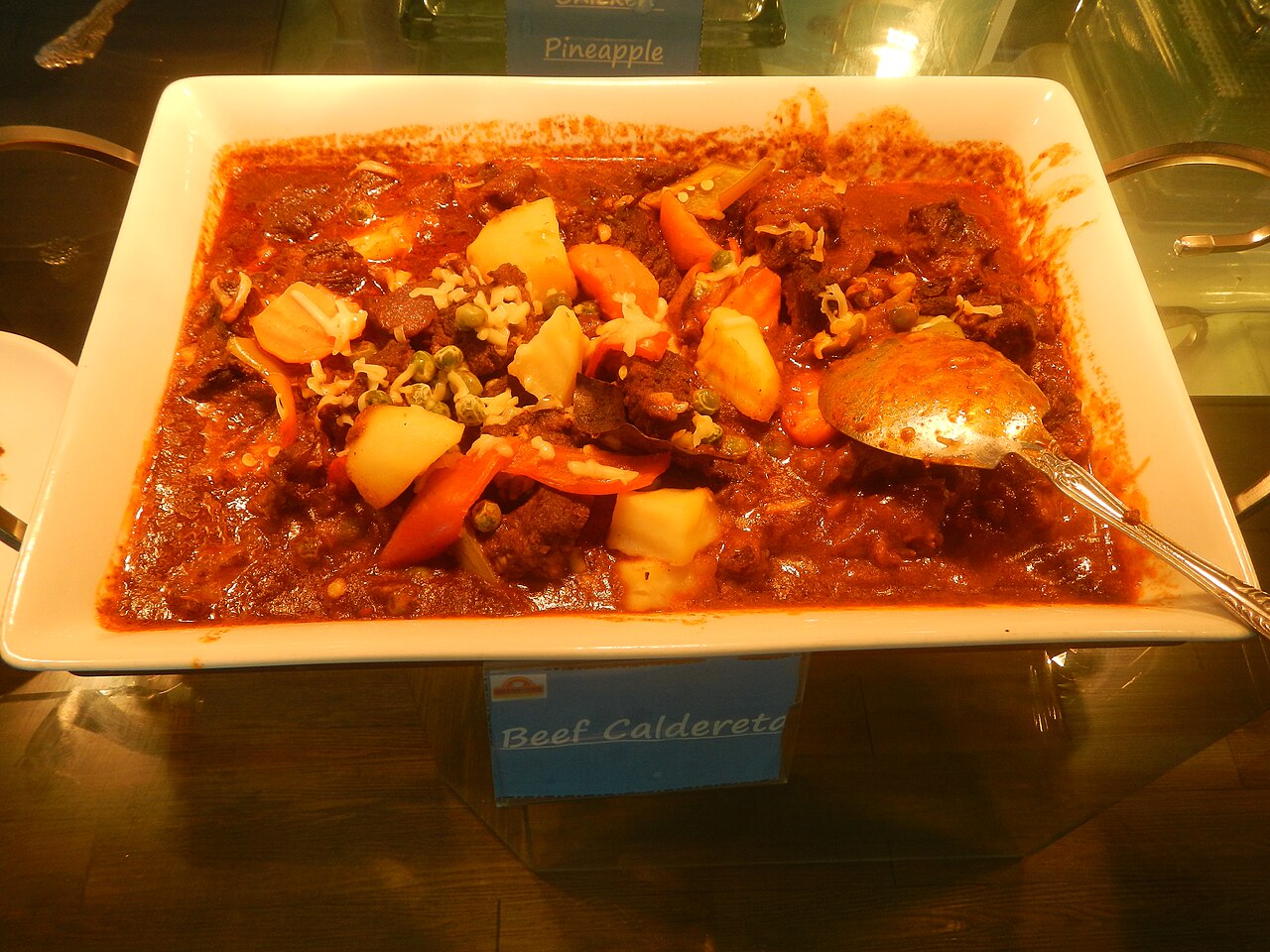
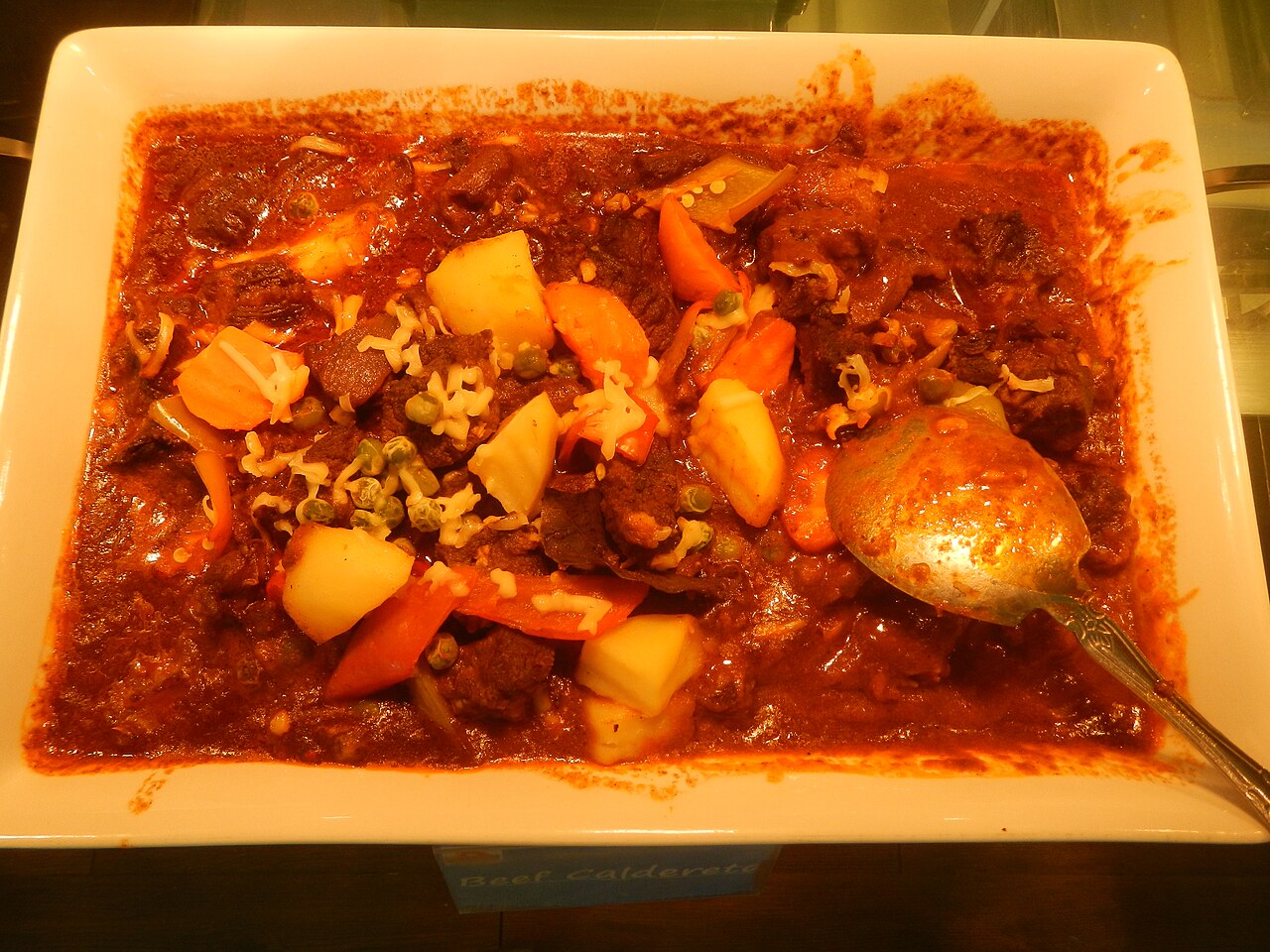
Kapampangan cuisine boasts an impressively broad catalog of well-known dishes that have become staples across the broader Filipino food landscape. Among the most celebrated are sisig, morcon, menudo, caldereta, estofado, embotido, asado, lengua, lechon, chicharon, and afritada. The region also claims its own versions of sipo egg, bringhi (a local take on paella), tabang talangka featuring crab meat, and a distinctive tocino or pindang that includes pindang damulag, a preparation of carabao meat, alongside a native longganisa. One dish stands apart for its exclusivity and difficulty: nasing biringyi, a chicken saffron rice preparation so labor-intensive that it is reserved for fiestas in Pampanga. Its flavor profile draws a natural comparison to Malaysian nasi biryani, yet it remains a uniquely Kapampangan creation. The fact that nasing biringyi is eagerly sought by diners from other ethnic groups underscores how a single region's culinary tradition can produce dishes that transcend local boundaries and achieve wider admiration.
Unusual Preparations and Heritage Recipes
Beyond its widely recognized dishes, Kapampangan cuisine harbors a collection of unusual preparations that reflect a deep comfort with diverse proteins and bold flavor combinations. In Candaba, balo balo (also called burung bulig) involves fermenting mudfish in rice. The towns of Mexico and Magalang are known for betute tugak, frogs stuffed with fillings. Adobung kamaru features mole crickets sautéed in vinegar and garlic, while calderetang barag is a spicy stew of monitor lizard. Macabebe contributes kubang asu, a sweet-and-spicy dog stew, and Masantol offers tidtad itik, duck stewed in its own blood. These are complemented by heritage preparations such as tidtad (a stew combining fresh pig's blood, pork, and liver), begukan (ribs and liempo cooked in pork and shrimp paste), hornong pistu (a baked pork meatloaf incorporating chorizo, ham, and cheese), asadong dila (ox tongue served with sauce and castañas), and kilayin (chopped liver and lungs). Together, these dishes reveal a culinary tradition unafraid of the unconventional and deeply rooted in local availability.
Gallery
Frequently Asked Questions
What is Kapampangan cuisine and where does it come from?
Kapampangan cuisine is the cooking tradition of the Kapampangan people, a distinct ethnic group in the Philippines. It stands apart from other regional Filipino food traditions in both flavor profile and household culture.
What are Kapampangan cuisine's signature dishes?
The tradition is best known for sisig (a sizzling chopped-meat dish), nasing biringyi (a sour pork preparation), and a broader repertoire that fuses Spanish techniques with indigenous Philippine ingredients.
How does Kapampangan cuisine differ from other Filipino regional cuisines?
It carries a noticeably stronger Spanish cooking influence layered over native ingredients, giving it a flavor identity fans describe as its own rather than a subset of a larger national style.
Why is the kitchen considered the most important room in a traditional Kapampangan home?
In a traditional Kapampangan household the kitchen is the largest and most heavily used space, reflecting how central daily cooking and food preparation are to family life and social identity.
What cultural influences shaped Kapampangan cuisine?
The tradition grew at the intersection of Spanish colonial cooking methods and the native Philippine pantry, producing dishes that feel simultaneously familiar and distinct within the broader Filipino food landscape.
More in Filipino cuisine 1-24
Spotted an error? Know more?
Reader corrections go straight into our review queue. Suggest an edit · How this site is sourced