Achillobator
Large, feathered dromaeosaurid predator from Late Cretaceous Mongolia.

PaleoNeolitic · CC BY 4.0
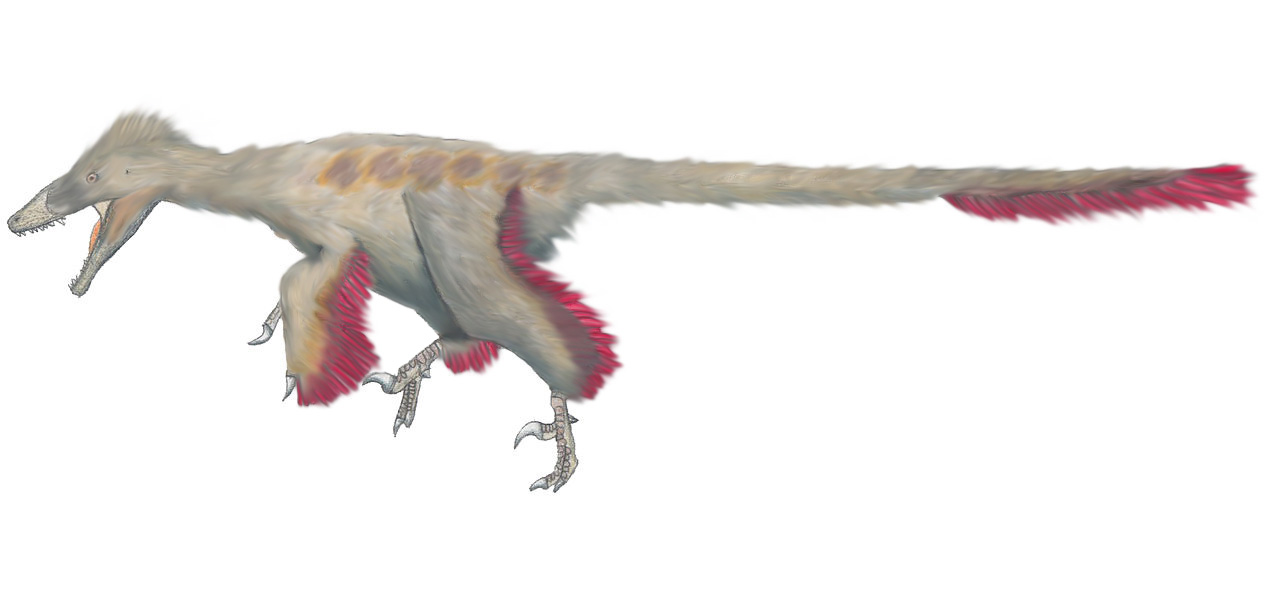
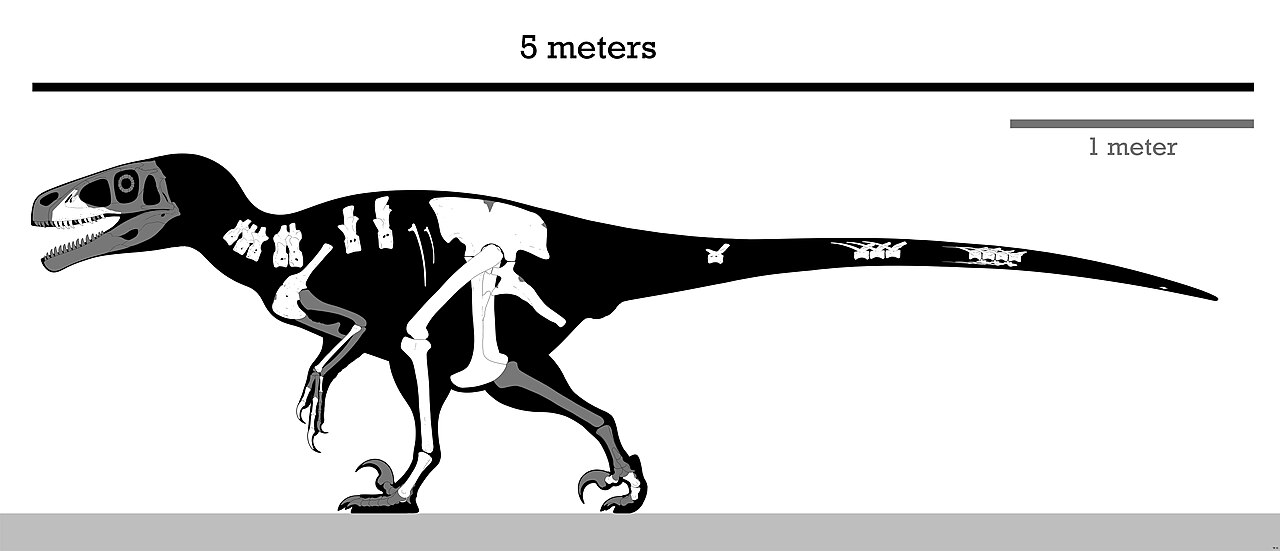
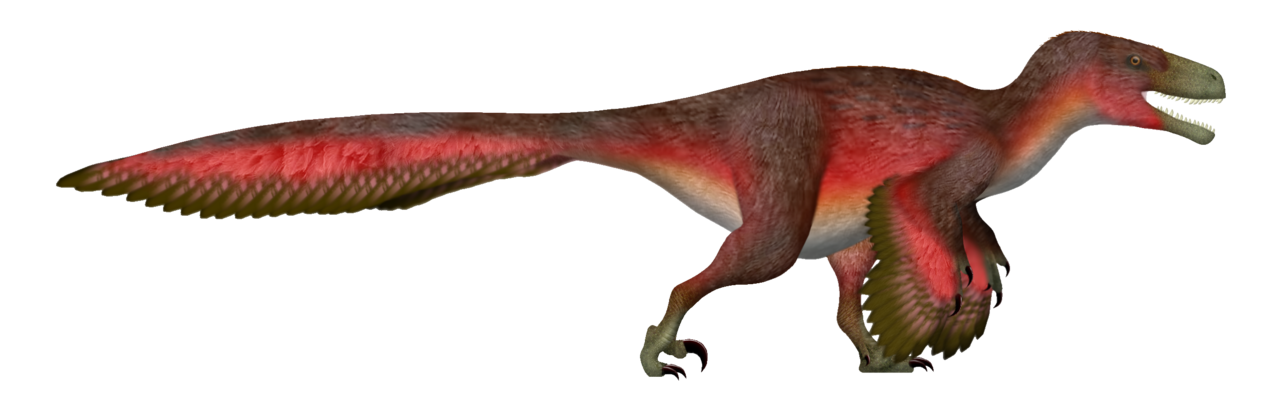
Achillobator—meaning "Achilles hero"—is a genus of large, feathered, bipedal carnivore from the Late Cretaceous, around 96 to 89 million years ago. Its fossils come from the Bayan Shireh Formation in Mongolia, where it is the first and largest dromaeosaurid known. The genus is monotypic, containing only the species *Achillobator giganticus*. At 4.5–5 meters long and 250–300 kilograms, it ranks among the biggest dromaeosaurs, alongside *Austroraptor* and *Utahraptor*.
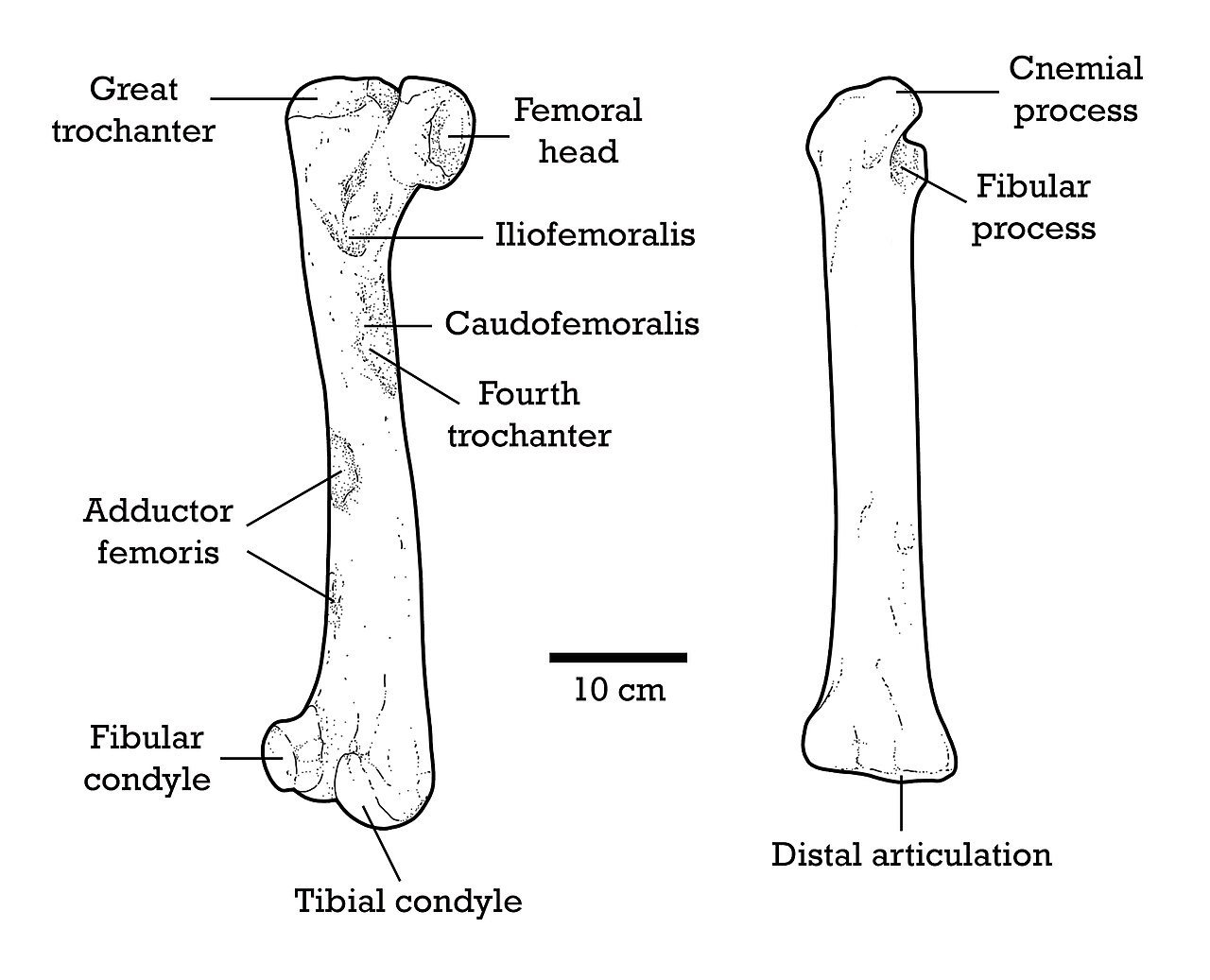
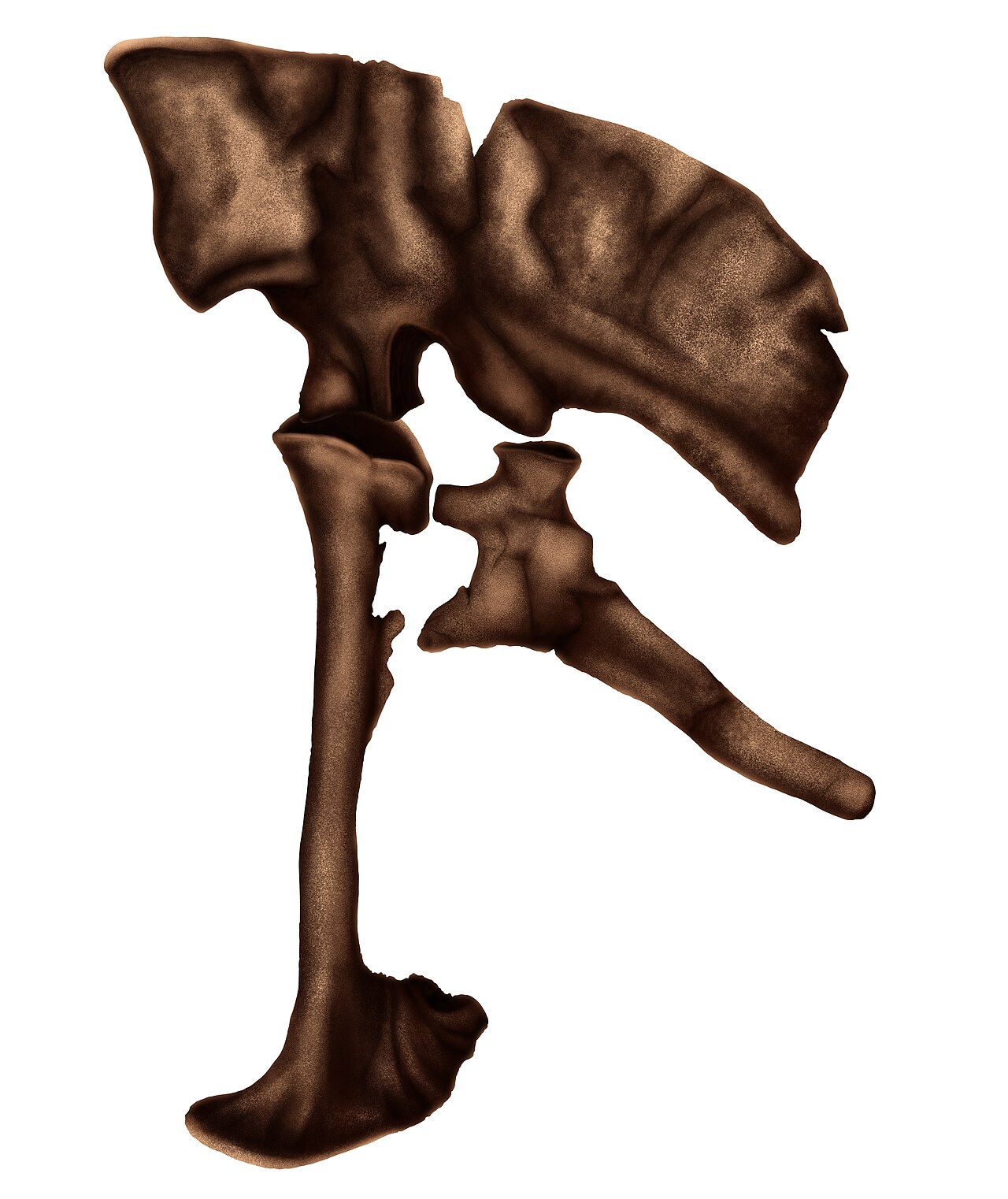
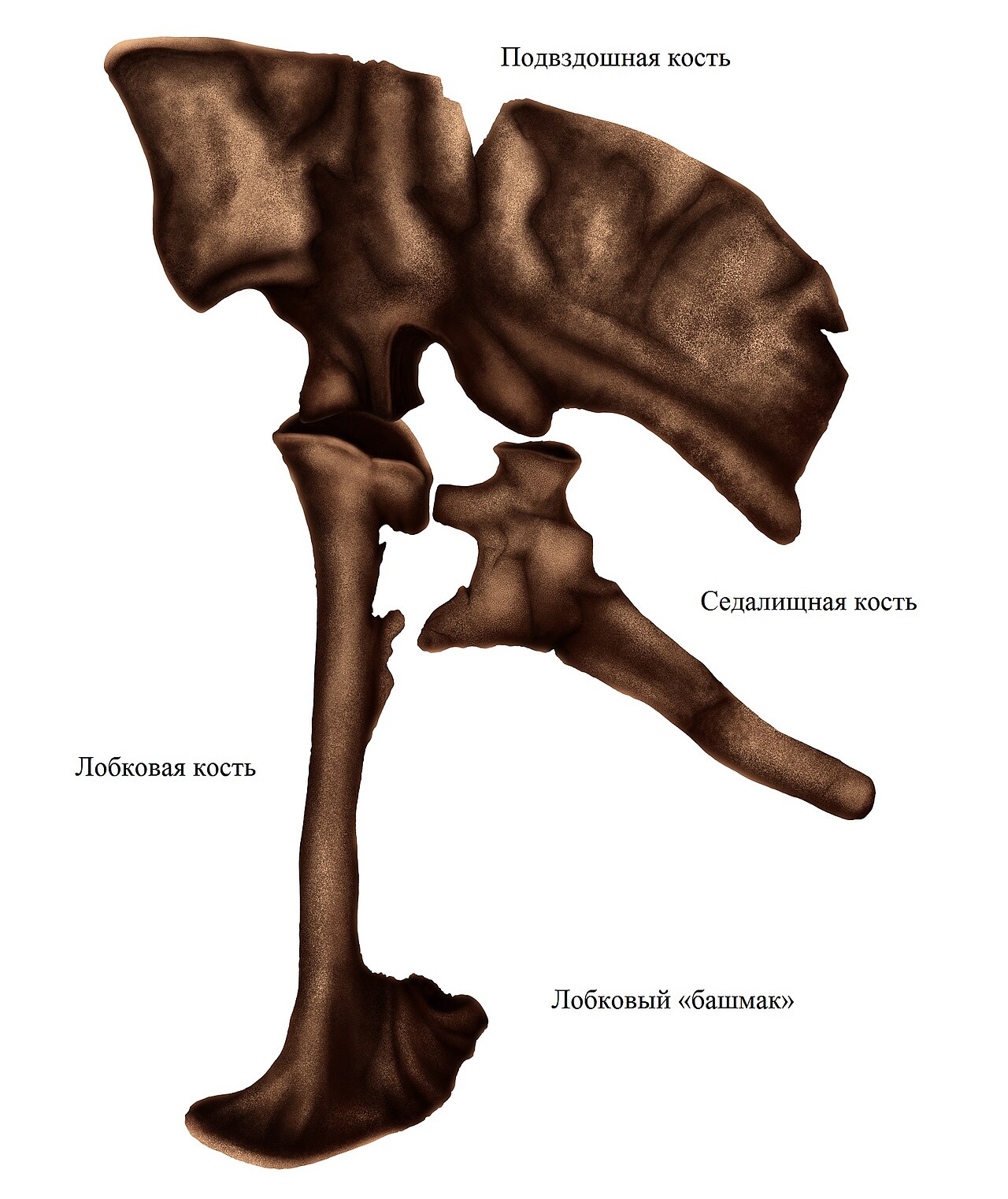
This dinosaur was heavily built, with a deep body, stocky legs, and relatively short arms—an unusual robustness for dromaeosaurids, which were typically lightly constructed. Its skeleton featured a deep maxilla and femur, and a primitive pelvis with a vertically oriented pubis, unlike most other members of its group. The enlarged sickle claw on each second toe would have been used to hunt large prey. However, its short leg proportions suggest it was not built for high-speed running.
The first remains were uncovered in 1989 during a Mongolian-Russian expedition at the Burkhant locality, about 5.6 kilometers from the Khongil site. The partial, disarticulated skeleton included a left maxilla with nine teeth, cervical, dorsal, and caudal vertebrae, a nearly complete pelvis, both femora, a left tibia, metatarsals, manual and pedal phalanges, a scapulocoracoid, ribs, and chevrons. Collected and prepared by Namsarai Batulseen, it was cataloged as MNUFR-15. The specimen was formally described in 1999 by Altangerel Perle, Mark A. Norell, and James M. Clark. The name combines "Achillis" (Latin for Achilles, referencing the large tendon supporting the sickle claw) and the Mongolian "baatar" (hero). The description was preliminary, with typographical errors and incomplete data; notably, a claimed sickle claw was later corrected by Senter in 2007 to be a manual ungual. Turner and colleagues (2012) suggested the paper may have been published without Norell and Clark's knowledge, based on a draft left in Mongolia in 1997.
Additional finds at the type locality include a large dromaeosaur claw from 1993, reported by a Japanese-Mongolian expedition, and more postcranial elements described by Mahito Watabe in 2010. In 2007, Rinchen Barsbold's team reported an isolated pedal phalanx from the Shine Us Khuduk locality that resembled those of *Achillobator* and *Troodon*.
Achimically, the primitive pelvis—with a v
- field
- Paleontology
- known_for
- One of the largest dromaeosaurid dinosaurs; robust skeleton; primitive pelvis with vertically oriented pubis
- lived
- Late Cretaceous, about 96–89 million years ago
- location
- Bayan Shireh Formation, Mongolia
- size
- 4.5–5 m (15–16 ft) long; 250–300 kg (550–660 lb)
Lore & Background
The first remains of Achillobator were found in 1989 during a Mongolian-Russian field expedition at the Burkhant locality in the Gobi Desert. The specimen, a large and associated but mostly disarticulated partial theropod skeleton, was collected and prepared by assistant paleontologist Namsarai Batulseen and stored as MNUFR-15. It was formally described in 1999 by Mongolian paleontologist Altangerel Perle and North American paleontologists Mark A. Norell and James M. Clark. The generic name combines the Latin 'Achillis' (Achilles) and the Mongolian 'baatar' (hero), referencing the large Achilles tendon supporting the sickle claw.
Reader's Guide
Achillobator is significant as one of the largest known dromaeosaurids, alongside Austroraptor and Utahraptor, and the first dromaeosaurid from the Bayan Shireh Formation. Its robust skeleton—unusual for typically lightly built dromaeosaurs—and primitive pelvis with a vertically oriented pubis distinguish it from most other members of the group. The stocky leg ratio indicates it was not cursorial, and the robust maxilla suggests a predatory behavior focused on large prey. A chimera hypothesis was proposed in 2000 by Burnham and team due to primitive pelvic traits, but the specimen's semiarticulation, consistent color, and preservation quality support a single individual. Cladistic analyses commonly recover Achillobator within Eudromaeosauria, as a close relative of Dromaeosaurus and Utahraptor, often as the sister taxon of the latter. Its legacy includes contributing to understanding the diversity and morphology of large, terrestrial dromaeosaurids.
Did You Know?
- Achillobator is named after the Greek hero Achilles and the Mongolian word 'baatar' (hero).
- The holotype specimen was found in semiarticulation, supporting assignment to a single individual despite primitive pelvic traits.
- The pedal ungual II initially thought to be the sickle claw was later corrected to a manual ungual by Senter in 2007.
- Achillobator had a robust skeleton and a vertically oriented pubis, unlike most other dromaeosaurids.
Position in the Dinosaur Roster
Achillobator occupies a single line in what is arguably the most exhaustive catalog of non-avian dinosaur names ever assembled. That catalog contains 1,863 distinct entries, of which roughly 1,424 are regarded as either valid genera or nomina dubia—fossils lacking unique diagnostic features. Achillobator appears in the alphabetical sequence between Achillesaurus and Acristavus, listed as a plain, unannotated name. Unlike many of its neighbors, it carries no parenthetical note flagging it as a junior synonym, a nomen nudum, a preoccupied name, or a specimen later reidentified as something entirely different, such as petrified wood or a crocodilian. Its straightforward inclusion signals that, within the framework of the list's compilers, Achillobator is treated as a recognized dinosaur genus rather than a taxonomic curiosity or an invalid designation. For a creature that lived millions of years before the present, its primary modern existence is as a single entry in this vast alphabetical index of prehistoric life.
Nomenclature and the Rules That Govern Its Name
The name Achillobator sits within a system of zoological naming governed by the International Code of Zoological Nomenclature, a set of rules that determines which designations are valid, which are merely naked names that appeared in print without formal publication, and which have been superseded by earlier published synonyms. The comprehensive list in which Achillobator appears distinguishes between several categories: junior synonyms that describe the same taxon as a senior name, nomina nuda that never met publication standards, preoccupied names already claimed by another taxon, and nomina dubia that lack unique diagnostic features. Achillobator is presented without any of these qualifiers, suggesting it clears the threshold of a properly published, valid generic name. The list's compilers draw primarily from George Olshevsky's Dinosaur Genera List, first published online in 1995 and maintained until mid-2021, with subjective taxonomic judgments cross-referenced against the second edition of The Dinosauria from 2004.
A Member of the Extinct Non-Avian Lineage
Dinosaurs first emerged during the Triassic period, between 243 and 233.23 million years ago, and after the Triassic–Jurassic extinction event roughly 201.3 million years ago, they rose to become the dominant terrestrial vertebrates on Earth. That dominance stretched unbroken through the Jurassic and into the Cretaceous. Yet the fossil record also reveals a remarkable twist: modern birds are themselves feathered dinosaurs, descended from earlier theropods during the Late Jurassic. When the Cretaceous–Paleogene extinction event struck approximately 66 million years ago, it wiped out every non-avian dinosaur lineage. Achillobator belongs to that vanished branch. It is a non-avian dinosaur, part of the vast roster of genera that perished in that final catastrophe and left no living descendants. Its story, like those of thousands of its contemporaries, ends in deep geological time, preserved only as a name in a catalog and as fragments of bone in the rock record.
The Catalog That Gives It a Place
There is no single, officially sanctioned registry of every non-avian dinosaur genus ever proposed. The closest approximation is the Dinosaur Genera List, compiled by nomenclature specialist George Olshevsky and first made available online in 1995, with regular updates continuing until June 2021. The most authoritative general reference in paleontology remains the second edition of The Dinosauria, published in 2004. The comprehensive list that includes Achillobator draws the vast majority of its entries from Olshevsky's compilation, while all subjective determinations—such as whether a name is a junior synonym or no longer considered dinosaurian—default to The Dinosauria unless primary literature dictates otherwise. Many of the 1,863 names on the list have undergone dramatic reclassification over the decades, with some ultimately identified as true birds, crocodilians, or even petrified wood. Achillobator, however, remains firmly in the dinosaur column, a stable entry in a field where names are constantly being added, questioned, and retired.
Gallery
Frequently Asked Questions
What is Achillobator?
Achillobator is a genus of large, feathered, bipedal carnivorous dinosaur belonging to the dromaeosaurid family. It lived during the Late Cretaceous, roughly 96 to 89 million years ago, and is represented by a single species, *Achillobator giganticus*.
How big was Achillobator compared to other dromaeosaurs?
Measuring about 4.5 to 5 meters in length and weighing 250 to 300 kilograms, Achillobator sits at the top of the dromaeosaur size range. It is typically grouped alongside *Austroraptor* and *Utahraptor* as one of the three largest members of the group.
Where did paleontologists discover Achillobator fossils?
The fossils come from the Bayan Shireh Formation in Mongolia. This site makes Achillobator the first and largest dromaeosaurid identified from that particular geological unit.
What made Achillobator's body plan unusual for a dromaeosaur?
Unlike most dromaeosaurids, Achillobator had a notably deep, heavily built torso, stocky hindlimbs, and comparatively short forelimbs. Its pelvis also retained a more primitive configuration, with a vertically oriented pubis rather than the horizontal orientation seen in later dromaeosaurs.
Why is Achillobator significant in dromaeosaur research?
As the largest dromaeosaurid known from Mongolia and one of the heaviest in the entire group, it pushes the upper size limit for the family. Its robust build and primitive pelvic features also help paleontologists understand how early dromaeosaurid anatomy evolved before the more streamlined, agile forms that came later.
More in Dinosaur genera 1-24
Spotted an error? Know more?
This is a living reference — every entry is fact-audited, and reader corrections feed straight into our audit queue. Suggest an edit · See this site's audit record