Acheroraptor
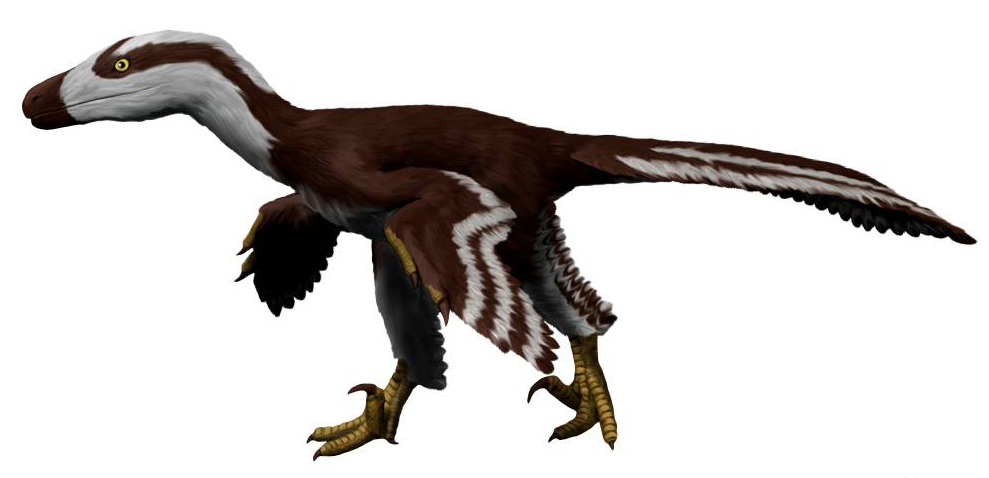
Late Cretaceous dromaeosaurid from the Hell Creek Formation.

Skye McDavid · CC BY 4.0
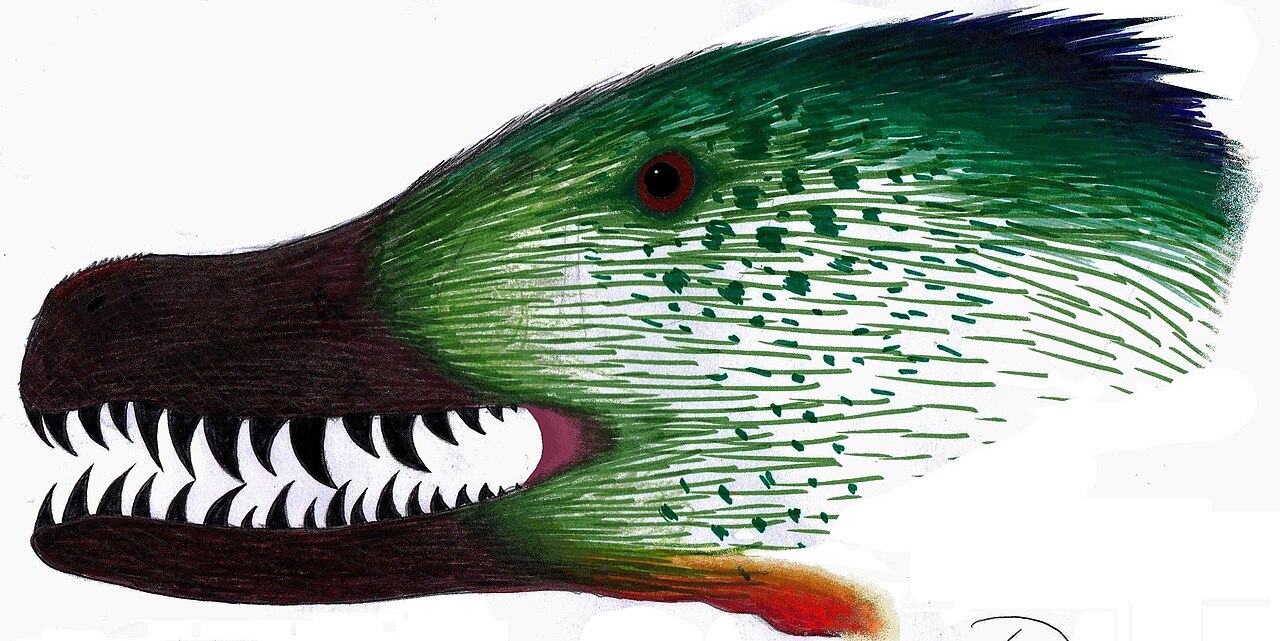
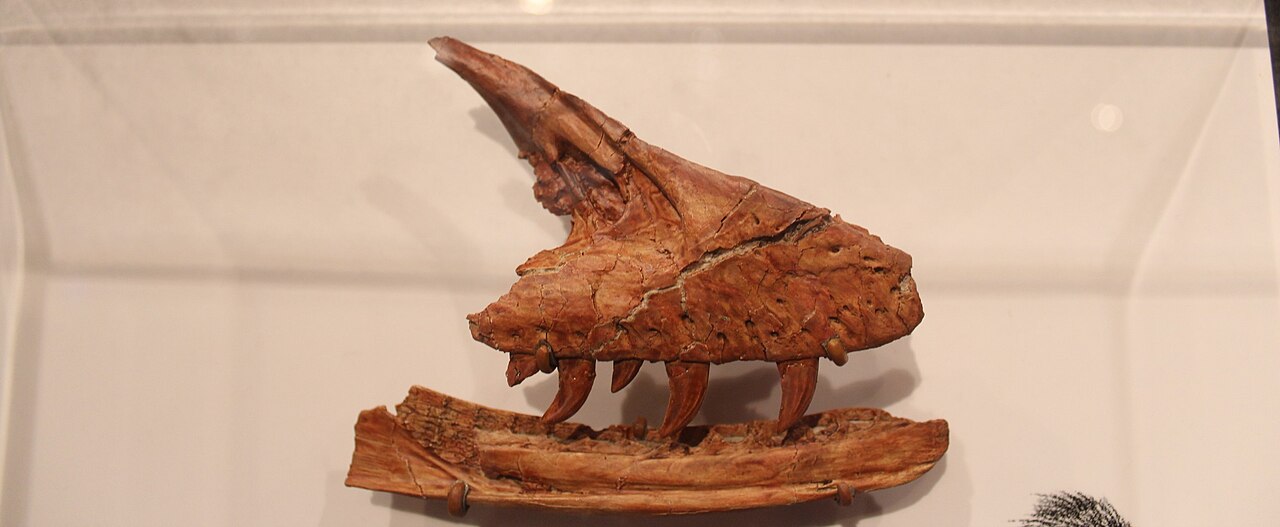
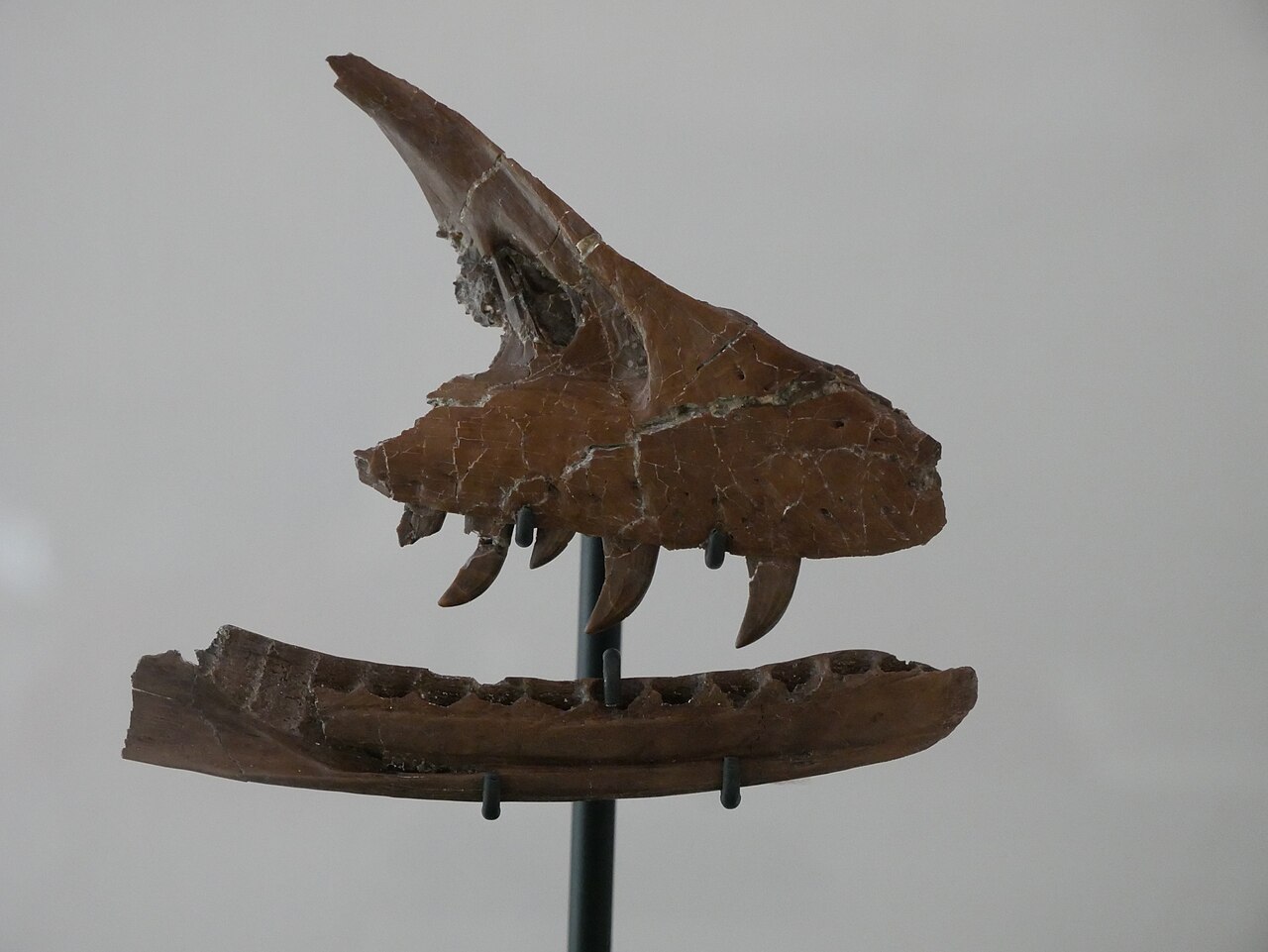
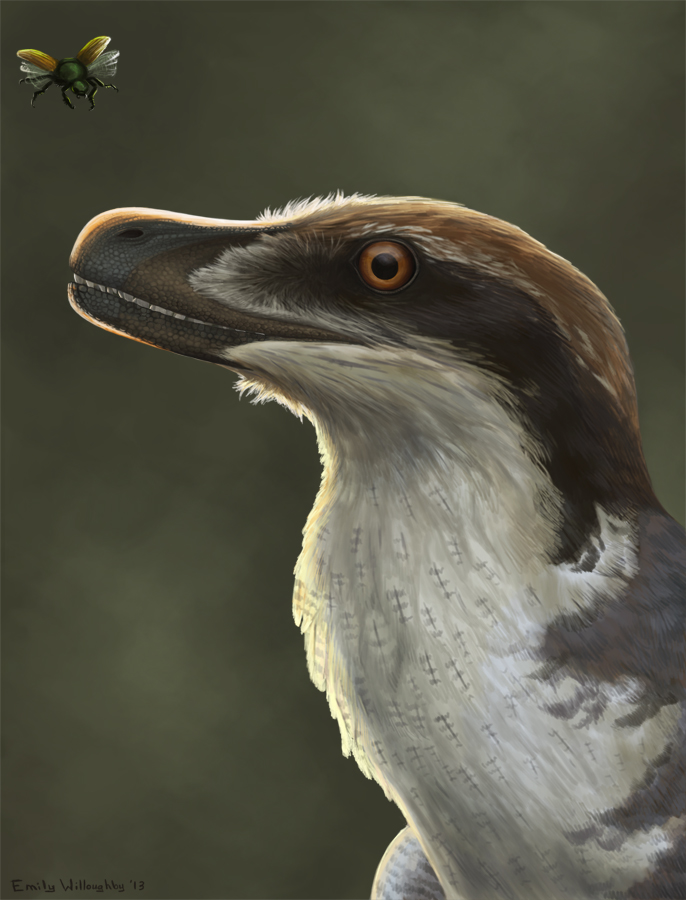
Acheroraptor, whose name translates to "underworld thief," is a genus of dromaeosaurid theropod dinosaur from the Late Cretaceous period. Its fossils were found in what is now Montana, in the Hell Creek Formation. The genus was formally named in 2013 by Canadian paleontologists David Evans, Derek Larson, and Philip J. Currie. It contains one species, *Acheroraptor temertyorum*, which is known from an isolated upper jawbone (maxilla) with teeth and a partial lower jaw (dentary) found nearby. These remains were originally collected by commercial fossil hunters in 2009 and later purchased by the Royal Ontario Museum. *Acheroraptor* is one of the youngest known dromaeosaurids, and at the time of its description, it was the first well-documented member of this group from the very end of the Cretaceous in North America.
The fossils were discovered on August 28, 2009, in a site about 45 kilometers southwest of Jordan, Montana. The maxilla, cataloged as ROM 63777, was found in a layer of reddish sandstone that also contained other small vertebrate and invertebrate fossils. The dentary, ROM 63778, was located about four meters away in the same rock layer. The original collectors provided photographs and GPS data, and the Royal Ontario Museum bought the specimens from a private collector. The rock layer belongs to the upper part of the Hell Creek Formation, dating to the latest Maastrichtian stage, just before the Cretaceous–Paleogene extinction event.
The name *Acheroraptor* combines "Acheron," the river of pain in Greek mythology (referencing the Hell Creek Formation), with the Latin "raptor" (thief), a common suffix for dromaeosaurids. The species name honors James and Louise Temerty, supporters of the Royal Ontario Museum. The maxilla was chosen as the holotype.
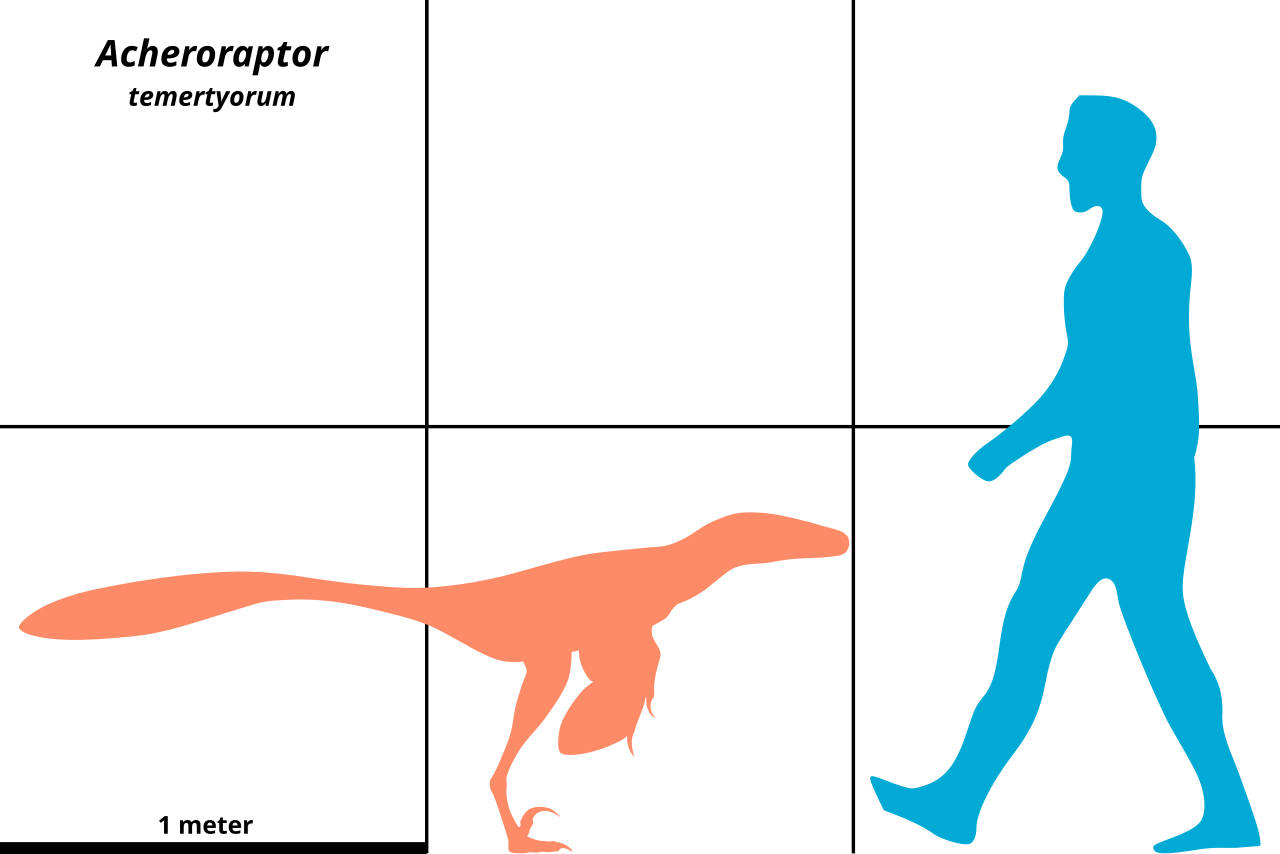
*Acheroraptor* was described as a mid-sized dromaeosaurid, roughly the size of *Deinonychus*—which measured about 3.3 to 3.4 meters long and weighed between 60 and 100 kilograms. The holotype maxilla is nearly complete, though slightly crushed and cracked, with a small missing section. The area in front of the antorbital fenestra is relatively small compared to related dinosaurs, measuring only 20
- field
- Paleontology
- known_for
- First diagnostic late Maastrichtian North American dromaeosaurid
- nationality
- Canada (described by Canadian paleontologists)
- lived
- Late Cretaceous (Maastrichtian stage)
- discovered
- 2009
- named
- 2013
Lore & Background
Fossils of Acheroraptor were first collected on 28 August 2009 by commercial fossil collectors in the Hell Creek Formation, 45 km southwest of Jordan, Garfield County, Montana. The remains included a complete right maxilla with teeth (ROM 63777) and an assigned dentary (ROM 63778), found in a layer of reddish sandstone. The Royal Ontario Museum purchased the fossils from a private collector. The strata date to the latest Maastrichtian, immediately prior to the Cretaceous–Paleogene extinction event. In 2013, Evans, Larson, and Currie named the genus and species Acheroraptor temertyorum, honoring James and Louise Temerty. The generic name combines Acheron, the River of Pain in Greek mythology, with raptor, 'thief', referencing the Hell Creek Formation. The maxilla ROM 63777 is the holotype.
Reader's Guide
Acheroraptor is significant as one of the geologically youngest dromaeosaurids, living just before the Cretaceous–Paleogene extinction event. Its discovery provided the first diagnostic late Maastrichtian North American dromaeosaurid, though later finds like Dakotaraptor and Dineobellator also emerged. The classification of Acheroraptor within Dromaeosauridae has been contentious: initial analyses placed it as a basal velociraptorine, but later studies have recovered it in various positions, including within Microraptorinae (with low support) or as a derived saurornitholestine. This uncertainty highlights the difficulty of classifying isolated jaw material. An examination of its bite force suggests it had relatively weak jaws for inflicting rapid, slashing bites on smaller prey, indicating diverse predation habits among saurornitholestines. The fossils were found in the Hell Creek Formation, a warm, humid, swampy environment. Acheroraptor remains an important but debated taxon for understanding the diversity and evolution of Late Cretaceous North American dromaeosaurids.
Did You Know?
- Acheroraptor means 'underworld thief', referencing the Hell Creek Formation and the Greek River of Pain, Acheron.
- The holotype maxilla (ROM 63777) was purchased by the Royal Ontario Museum from a private collector.
- Acheroraptor is among the geologically youngest dromaeosaurids, living just before the Cretaceous–Paleogene extinction event.
- Its classification within Dromaeosauridae has been disputed, with studies placing it in Velociraptorinae, Microraptorinae, or Saurornitholestinae.
Taxonomic Standing Among Valid Genera
Acheroraptor holds a place among the approximately 1,424 names considered valid dinosaur genera or nomina dubia within a broader catalog of 1,863 entries. Unlike several of its alphabetical neighbors in the "A" section, it carries no annotation marking it as a nomen nudum, a junior synonym, or a taxon later reidentified as something else entirely—a crocodilian, a choristoderan, or even petrified wood. This unmarked status places it firmly among commonly accepted non-avian dinosaur genera. As a non-avialan dinosaur, it belongs to the broad radiation of reptilian lineages that first appeared during the Triassic period, between 243 and 233.23 million years ago, and that came to dominate terrestrial ecosystems following the Triassic–Jurassic extinction event roughly 201.3 million years ago. Its presence in the catalog reflects the extraordinary diversity of non-avian dinosaurs that persisted through the Jurassic and Cretaceous before the Cretaceous–Paleogene extinction event, approximately 66 million years ago, eliminated every lineage except the feathered theropod descendants now recognized as birds.
Nomenclatural Framework and Authoritative Sources
The name Acheroraptor is governed by the International Code of Zoological Nomenclature, the same regulatory framework that applies to every genus in the comprehensive dinosaur listing. Under ICZN standards, a valid generic name must be formally published; names that appear in print without meeting those publication requirements are classified as nomina nuda, deemed invalid, and excluded from proper taxonomic use. Acheroraptor's presence without such a designation indicates it has cleared that threshold. The primary reference points for its standing are the Dinosaur Genera List compiled by biological nomenclature expert George Olshevsky—first published online in 1995 and regularly updated until June 2021—and the second edition of The Dinosauria, released in 2004, regarded as the most authoritative general source in the field. Subjective determinations, such as whether two names refer to the same taxon under junior synonymy or whether a specimen lacks unique diagnostic features, are adjudicated against The Dinosauria unless primary literature presents a conflict. Acheroraptor's clean, unflagged listing suggests no such disputes have been raised.
Place in the Dinosaurian Evolutionary Narrative
Acheroraptor is one thread in an evolutionary narrative stretching back to the Triassic period, when the first dinosaurs appeared between 243 and 233.23 million years ago. For much of that early era, they were one group among many terrestrial vertebrates. The Triassic–Jurassic extinction event, occurring roughly 201.3 million years ago, reshaped the competitive landscape, and dinosaurs seized dominance of land ecosystems—a position they held unchallenged throughout the Jurassic and Cretaceous periods. The fossil record further reveals that the feathered theropod lineage gave rise to modern birds during the Late Jurassic, meaning the only dinosaur bloodline to survive the Cretaceous–Paleogene extinction event approximately 66 million years ago is the one visible in every modern ecosystem today. Acheroraptor, as a non-avian dinosaur, belongs to the vast majority of that radiation that did not survive. Its existence endures only in the fossil record and in the taxonomic catalogs that document the extraordinary breadth of dinosaurian diversity across two hundred million years of evolutionary history.
The Messy Business of Dinosaur Classification
The dinosaur record is far messier than a simple alphabetical list might suggest. Of the 1,863 entries in the comprehensive catalog, many have undergone dramatic reclassification over the decades. Some names once thought to represent dinosaurs have turned out to be crocodilians, choristoderans, pareiasaurs, proterosuchid archosauriforms, or—most strikingly—nothing more than a piece of petrified wood. Others are junior synonyms, where type specimens were later assigned to an already-named genus, rendering the newer name invalid for that taxon. Still others are nomina nuda, never formally published to ICZN standards, or preoccupied names that collide with an earlier valid use. The absence of an official, canonical list of all non-avian dinosaur genera means that determinations of validity, synonymy, and taxonomic status remain partly subjective and occasionally controversial. Acheroraptor's straightforward listing, free of such annotations, represents the relatively stable end of this spectrum—a name that, as of the current catalog, has not been challenged, reclassified, or retracted.
Gallery
Frequently Asked Questions
What does the name Acheroraptor mean?
The genus name breaks down into Greek roots meaning 'underworld thief,' a playful nod to its raptor lineage. The single species, Acheroraptor temertyorum, was formally published in 2013.
Where and when did Acheroraptor live?
Acheroraptor roamed what is now Montana during the Maastrichtian stage of the Late Cretaceous, roughly 72–66 million years ago. Its fossils come from the Hell Creek Formation, the same rock unit that yields T. rex and Triceratops remains.
Who described Acheroraptor and when?
Canadian paleontologists David Evans, Derek Larson, and Philip J. Currie named the genus in 2013. The specimens had been collected by commercial fossil hunters in 2009 before being acquired for scientific study.
What fossils do we actually have of Acheroraptor?
The entire known material consists of a single isolated upper jawbone (maxilla) bearing teeth plus a partial lower jaw (dentary) found nearby. Despite the limited remains, the tooth and jaw morphology are distinct enough to diagnose it as a new dromaeosaurid.
Why is Acheroraptor considered important to dinosaur science?
It is the first dromaeosaurid from North America's latest Cretaceous (Maastrichtian) that can be confidently identified based on its own diagnostic features. This fills a gap in the record and helps researchers track how raptor lineages persisted right up to the end of the Cretaceous.
More in Dinosaur genera 1-24
Spotted an error? Know more?
This is a living reference — every entry is fact-audited, and reader corrections feed straight into our audit queue. Suggest an edit · See this site's audit record