Abrosaurus
A small, delicate-skulled sauropod from Middle Jurassic China.

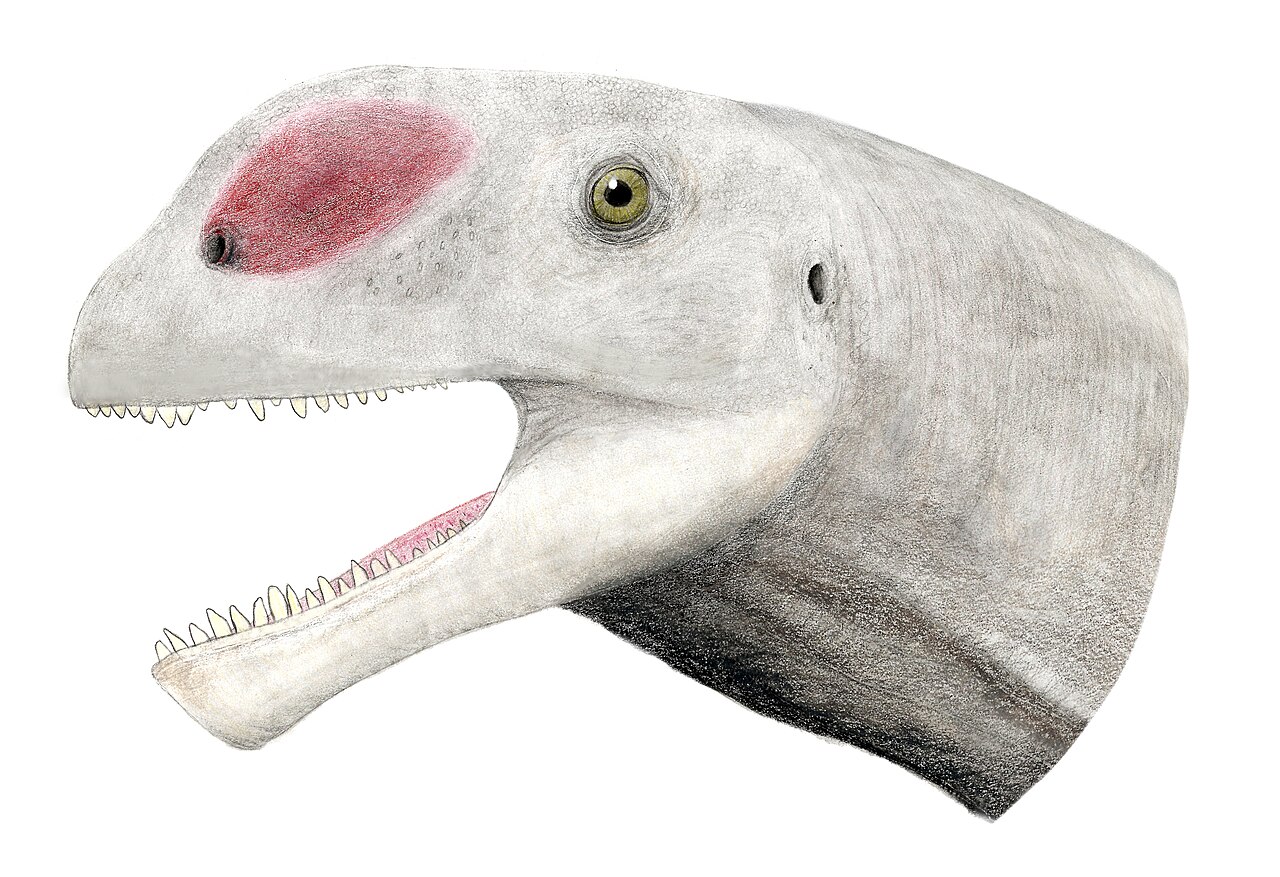
Leví Martínez-Reza · CC BY-SA 3.0
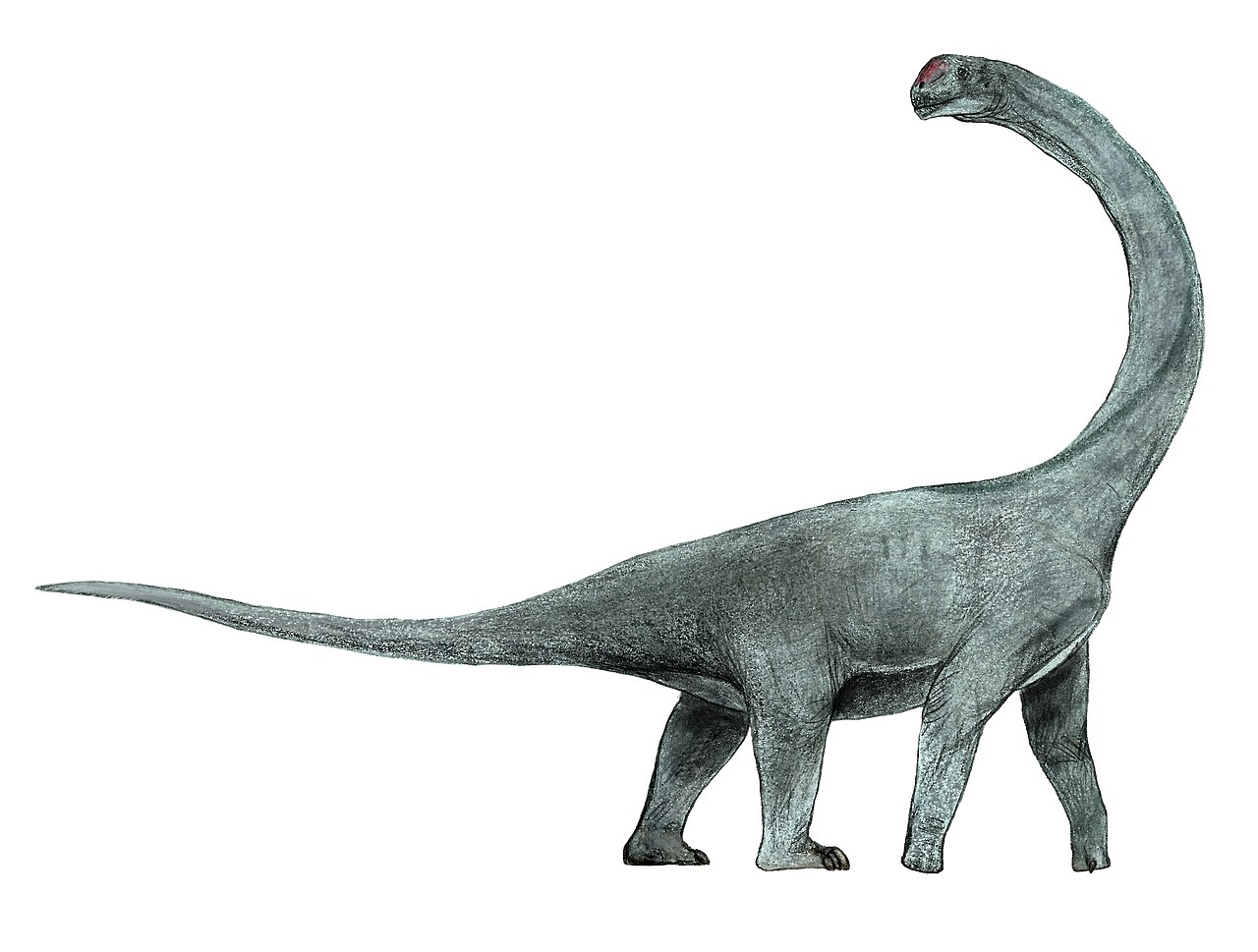
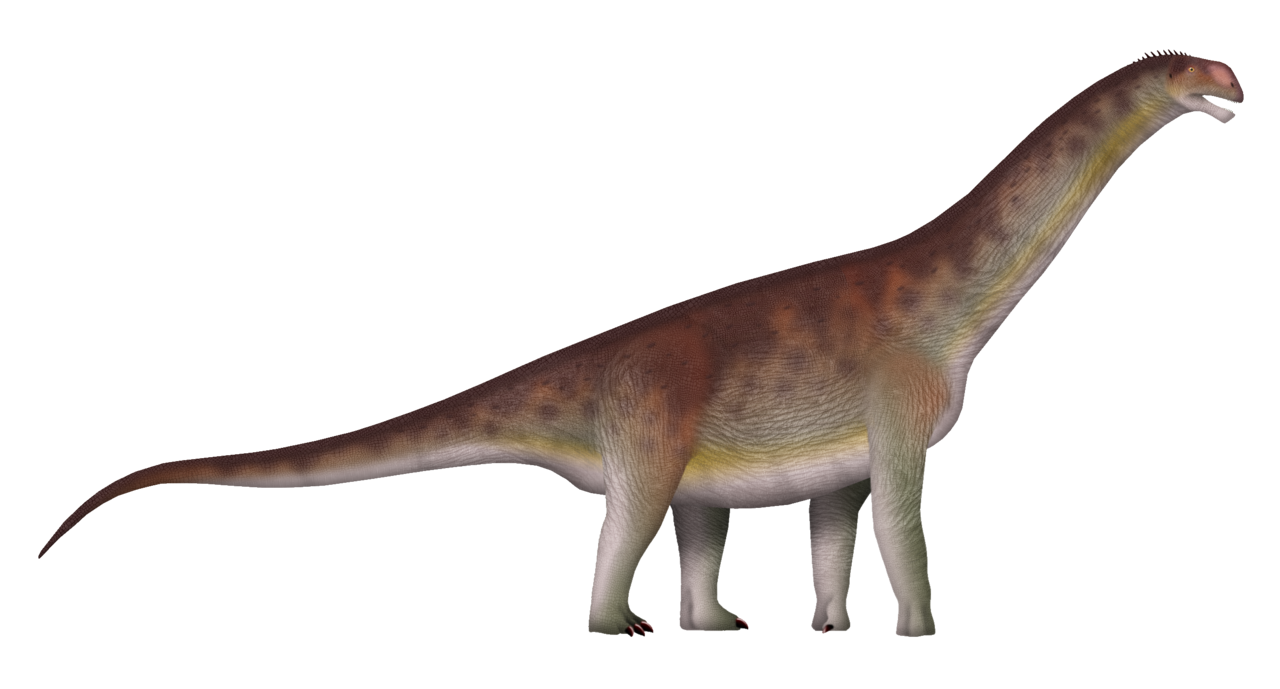
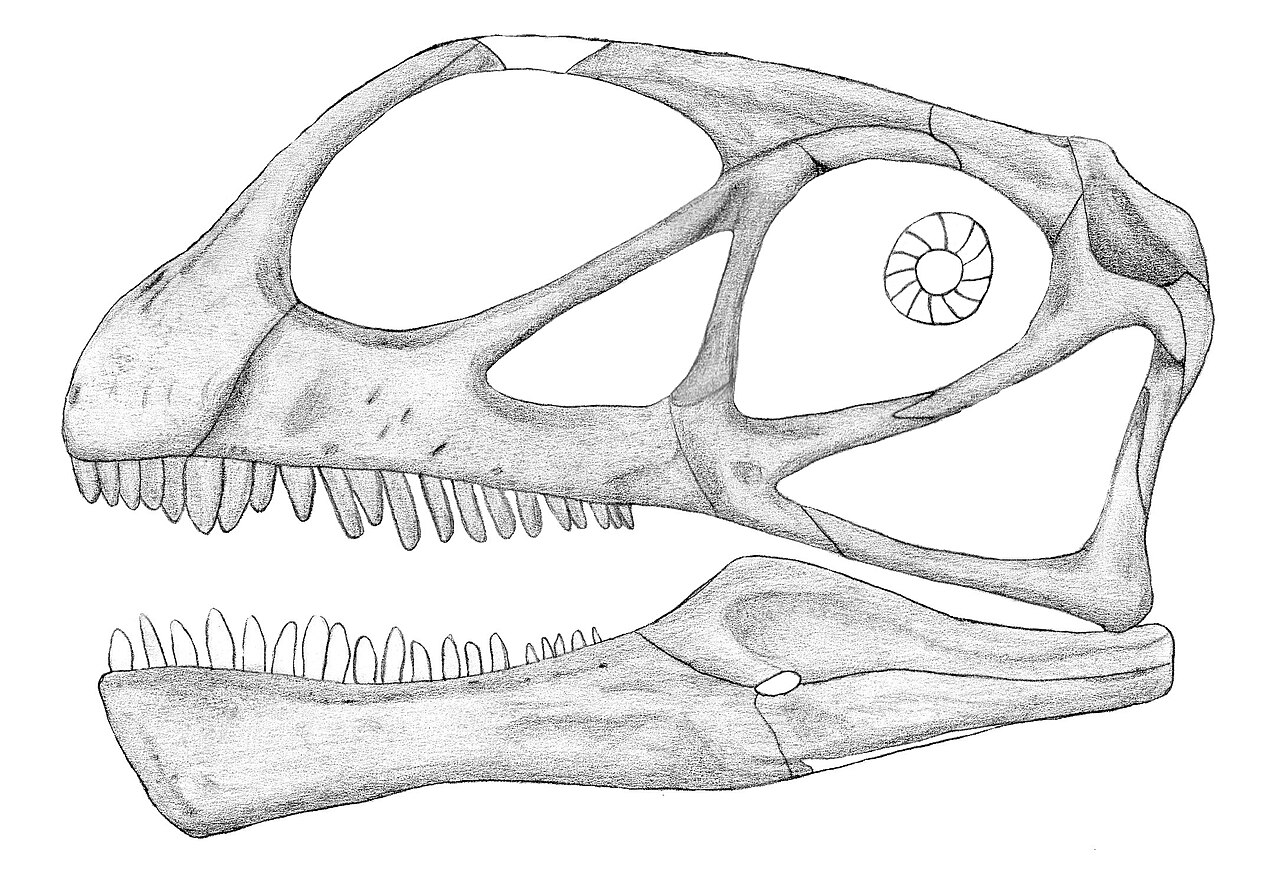
Abrosaurus (meaning 'delicate lizard') is a genus of macronarian sauropod dinosaur from the Middle Jurassic Period of Asia. It is one of many dinosaurs found at the Dashanpu Quarry in Sichuan Province, China. Like most sauropods, Abrosaurus was a quadrupedal herbivore, but it was rather small for a sauropod, measuring no more than 9.1 meters (30 ft) long. Its head was boxy and topped with a tall, bony arch containing the nostrils, and the generic name refers to the nature of the skull, with large openings separated by thin, bony struts.
- field
- Paleontology
- known_for
- Small sauropod dinosaur from the Middle Jurassic of China
- nationality
- China (Sichuan Province)
- time_period
- Middle Jurassic (Bathonian to Callovian, about 168 to 161 million years ago)
- type_species
- Abrosaurus dongpoi
Lore & Background
Abrosaurus was discovered in 1984 and first described in the 1986 Ph.D. thesis of Chinese paleontologist Ouyang Hui, with the specific name 'A. gigantorhinus.' However, that publication does not meet ICZN standards, so 'Abrosaurus gigantorhinus' is considered a nomen nudum. Ouyang formally described the species in 1989 under the epithet A. dongpoensis, but the Latin suffix -ensis is used only to honor localities, so the name was later revised to A. dongpoi, which is now accepted. The species name honors eleventh-century Chinese poet Su Shi, also known as Su Dongpo, who was born in Sichuan.
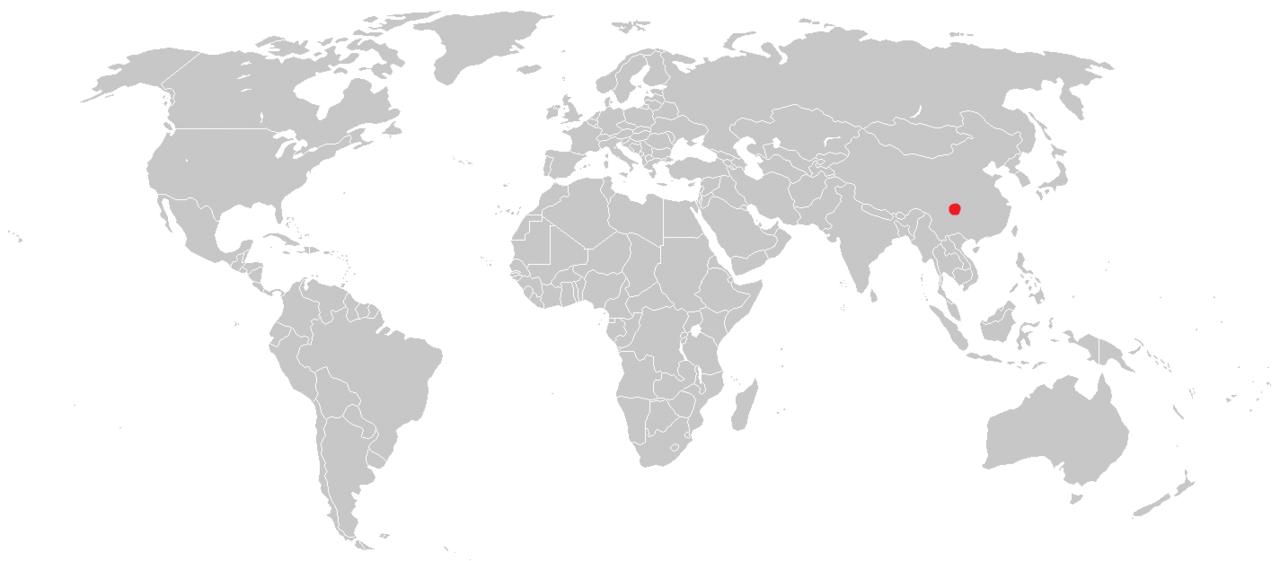
The holotype, ZDM 5038, is a nearly complete and very well preserved fossil skull. A fragmentary skull and a skeleton have also been referred to this taxon, but published description is lacking. All material comes from the Dashanpu Quarry near Zigong, China, and is housed in the dinosaur museum there. Abrosaurus and at least four other sauropod species are known from the Lower Shaximiao Formation at Dashanpu, dated to the Bathonian to Callovian stages of the Middle Jurassic.
Reader's Guide
Abrosaurus is significant as a basal macronarian sauropod from the Middle Jurassic of Asia, a period and region that has yielded important dinosaur fossils. Its well-preserved skull provides insight into the anatomy of early sauropods, particularly the boxy head with a tall bony arch and large openings separated by thin struts. However, its exact placement in the sauropod family tree remains uncertain because the remains have not been fully described. Originally classified as a camarasaurid, further research indicates it is a basal member of Macronaria, similar to Camarasaurus. The convoluted naming history—from a nomen nudum in a thesis to a corrected specific epithet—illustrates the challenges of taxonomic rigor in paleontology. As one of several sauropods from the Dashanpu Quarry, Abrosaurus contributes to understanding the diversity of Middle Jurassic herbivores in what is now China.
Did You Know?
- Abrosaurus means 'delicate lizard,' referring to the large openings separated by thin bony struts in its skull.
- The only named species, Abrosaurus dongpoi, honors the 11th-century Chinese poet Su Shi, also known as Su Dongpo, who was born in Sichuan.
- The holotype skull, ZDM 5038, is nearly complete and very well preserved.
- Abrosaurus was originally described in a 1986 Ph.D. thesis under the name 'A. gigantorhinus,' but that name is considered a nomen nudum.
A Name in the Deep Time Record
Abrosaurus occupies a position within the vast sweep of dinosaurian history, a lineage of reptiles whose first members emerged during the Triassic period, roughly 243 to 233.23 million years ago. Following the Triassic–Jurassic extinction event approximately 201.3 million years ago, dinosaurs rose to become the dominant terrestrial vertebrates, a position they held through both the Jurassic and Cretaceous periods. Abrosaurus, as a non-avialan dinosaur, belongs to the majority of this ancient clade rather than to the small surviving branch that gave rise to modern birds. Those feathered descendants, evolved from Late Jurassic theropods, were the sole dinosaur lineage to endure the Cretaceous–Paleogene extinction around 66 million years ago. In this broader narrative, Abrosaurus represents one thread among thousands of genera that flourished and vanished across two hundred million years of terrestrial dominance, its name preserved in the fossil record but its physical form known only through the fragmentary evidence that earned it a place in the scientific literature.
Taxonomic Standing Among 1,863 Names
Within the comprehensive listing of non-avialan dinosaur genera, Abrosaurus appears as a straightforward entry without any appended annotation. This is significant because the list contains 1,863 names in total, of which roughly 1,424 are regarded as either valid dinosaur genera or nomina dubia. Many of the remaining entries carry qualifiers: some were later identified as petrified wood, crocodilians, or other non-dinosaurian reptiles; others are flagged as junior synonyms, preoccupied names, or nomina nuda that never met the publication standards required for formal recognition. Abrosaurus, by contrast, carries none of these caveats. It is not marked as a nomen oblitum, a nomen manuscriptum, or a name whose diagnostic features are considered insufficient. Its unadorned listing places it firmly within the group of names that the field treats as legitimate generic designations, distinguishing it from the many neighbors in the alphabetical sequence that require additional explanatory notes.
The Nomenclatural Rules That Govern Its Name
The status of Abrosaurus as a recognized genus is underwritten by the International Code of Zoological Nomenclature, the regulatory framework that dictates how animal names are proposed, published, and maintained. Under ICZN rules, a valid generic name must be formally published with adequate description; names that appear in print without meeting those standards are classified as nomina nuda and remain invalid. Similarly, if two names turn out to describe the same taxon, the chronologically earlier publication becomes the senior synonym and the later one a junior synonym, which can never be reassigned to a different genus. Abrosaurus does not fall into any of these problematic categories. Its standing is further anchored by two key references: George Olshevsky's Dinosaur Genera List, maintained online from 1995 until June 2021, and the second edition of The Dinosauria, published in 2004, which serves as the most authoritative general source for subjective determinations such as synonymy and non-dinosaurian status.
A Letter Among Many: The A-Section Landscape
In the alphabetical arrangement of the list, Abrosaurus sits in the crowded A-section, flanked by names that span an extraordinary range of taxonomic fates. To its immediate left, Aachenosaurus was subsequently identified as nothing more than a piece of petrified wood, while further down the list, Actiosaurus turned out to be a choristoderan and Aggiosaurus a metriorhynchid crocodilian. Other neighbors carry flags for junior synonymy, possible non-dinosaurian status, or the nomen nudum designation. Several entries in this section are enclosed in quotation marks, signaling that they never achieved formal publication. Against this backdrop of reclassifications, invalidations, and disputed identities, Abrosaurus stands as one of the cleaner entries: a name that has not been reinterpreted as a bird, a reptile of another order, or a misidentified geological specimen. Its quiet presence among the A-genera reflects the broader reality that the vast majority of the 1,863 listed names represent genuine, if often poorly known, members of the dinosaurian clade.
Gallery
Frequently Asked Questions
What is Abrosaurus?
Abrosaurus is a small macronarian sauropod known from the Middle Jurassic of China. Its fossils were recovered at the Dashanpu Quarry in Sichuan Province, where it lived alongside a variety of other Jurassic dinosaurs.
How big was Abrosaurus?
It reached a maximum length of about 9.1 meters (roughly 30 feet), which made it unusually compact among sauropods. Most of its sauropod relatives grew considerably larger, so Abrosaurus stood out as a relatively petite member of the group.
What did Abrosaurus's skull look like?
The head was boxy and crowned by a tall bony arch that enclosed the nostrils. Large openings in the skull were separated by thin bony struts, giving the structure a light, lattice-like quality.
What does the name Abrosaurus mean?
It translates to 'delicate lizard,' a direct nod to the thin bony struts that divided the large openings in its skull. The type species, Abrosaurus dongpoi, was named after the Dongpo locality where the material was found.
When and where did Abrosaurus live?
It inhabited Asia during the Bathonian to Callovian stages of the Middle Jurassic, approximately 168 to 161 million years ago. All known material comes from the Dashanpu Quarry in Sichuan Province, China.
More in Dinosaur genera 1-24
Spotted an error? Know more?
This is a living reference — every entry is fact-audited, and reader corrections feed straight into our audit queue. Suggest an edit · See this site's audit record