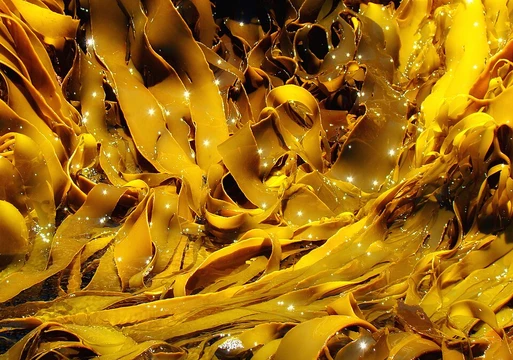
Cystophora (alga)
Brown algae genus with zigzag branches, dominant in southern Australia.

Cystophora is a genus of brown algae that primarily inhabits the temperate waters surrounding Australia. In southern Australia, these algae are so diverse and dominant that some people call them "the eucalypts of the underwater world." Most species from this region can be quickly identified by their distinctive zigzag branching pattern. However, telling individual species apart is usually more challenging and depends on the size and shape of the branches, especially the terminal ones, which are specialized reproductive structures called receptacles. Currently, 26 species of Cystophora are recognized.
Quick Facts
- Taxon
- Cystophora (alga)
Facts from the source article.
Lore & Background
Most of the southern Australian species can be immediately recognised as belonging to this genus by their characteristic zigzag branching pattern. Identification of individual species is generally more difficult and relies on the size and shape of branches, particularly terminal branches, which are specialised reproductive structures known as receptacles. Due to their local diversity and dominance in southern Australia, they are regarded by some as 'the eucalypts of the underwater world'.
Reader's Guide
Cystophora is a genus of brown algae found mostly in temperate waters around Australia. Its significance lies in its local diversity and dominance in southern Australian waters, where it is regarded by some as 'the eucalypts of the underwater world'. The genus is immediately recognisable by its characteristic zigzag branching pattern, though individual species identification is more challenging and depends on the size and shape of branches, especially the terminal reproductive structures called receptacles. There are currently 26 accepted species of Cystophora, with the type species being Cystophora retroflexa (Labillardière) J.Agardh. The genus includes species such as Cystophora botryocystis, Cystophora brownii, Cystophora cuspidata, and many others. The article does not provide further details on its ecological role, economic uses, or historical discovery beyond these facts.
Did You Know?
- Cystophora species are found mostly in temperate waters around Australia.
- The genus is recognised by its characteristic zigzag branching pattern.
- Terminal branches are specialised reproductive structures called receptacles.
Frequently Asked Questions
What is Cystophora?
Cystophora is a genus of brown macroalgae most recognizable for its bold zigzag branching pattern. It belongs to the larger group of kelps and related seaweeds that build complex underwater forests.
Where does Cystophora grow?
This genus is essentially a regional player, thriving in the temperate coastal waters around Australia. Its diversity peaks in the southern Australian seas, where it forms a major component of the local seaweed community.
How do you tell one Cystophora species from another?
The shared zigzag habit is easy to spot, but separating species demands a closer look at branch dimensions and the shape of the terminal receptacles—those specialized structures that house the algae's reproductive organs. In practice, taxonomists rely on those fine morphological differences rather than the overall branching style.
How many Cystophora species are currently accepted?
Twenty-six species are recognized in the genus today. The type species, Cystophora retroflexa, was first described by Labillardière and later transferred to this genus by J. Agardh.
Why is Cystophora nicknamed 'the eucalypts of the underwater world'?
In southern Australia the genus is so abundant and structurally dominant that it shapes the surrounding marine habitat much like eucalyptus trees shape a forest canopy. The comparison captures how these algae form the foundational framework of their local ecosystem.
More in Brown Macroalgae and Kelp 1-24
Spotted an error? Know more?
Reader corrections go straight into our review queue. Suggest an edit · How this site is sourced