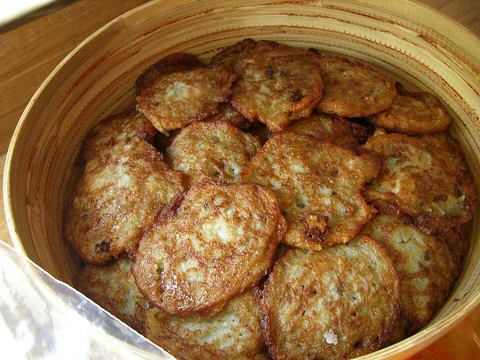
Ryazhenka
Traditional fermented baked milk from Ukraine, Russia, and Belarus.

McKaby · CC0
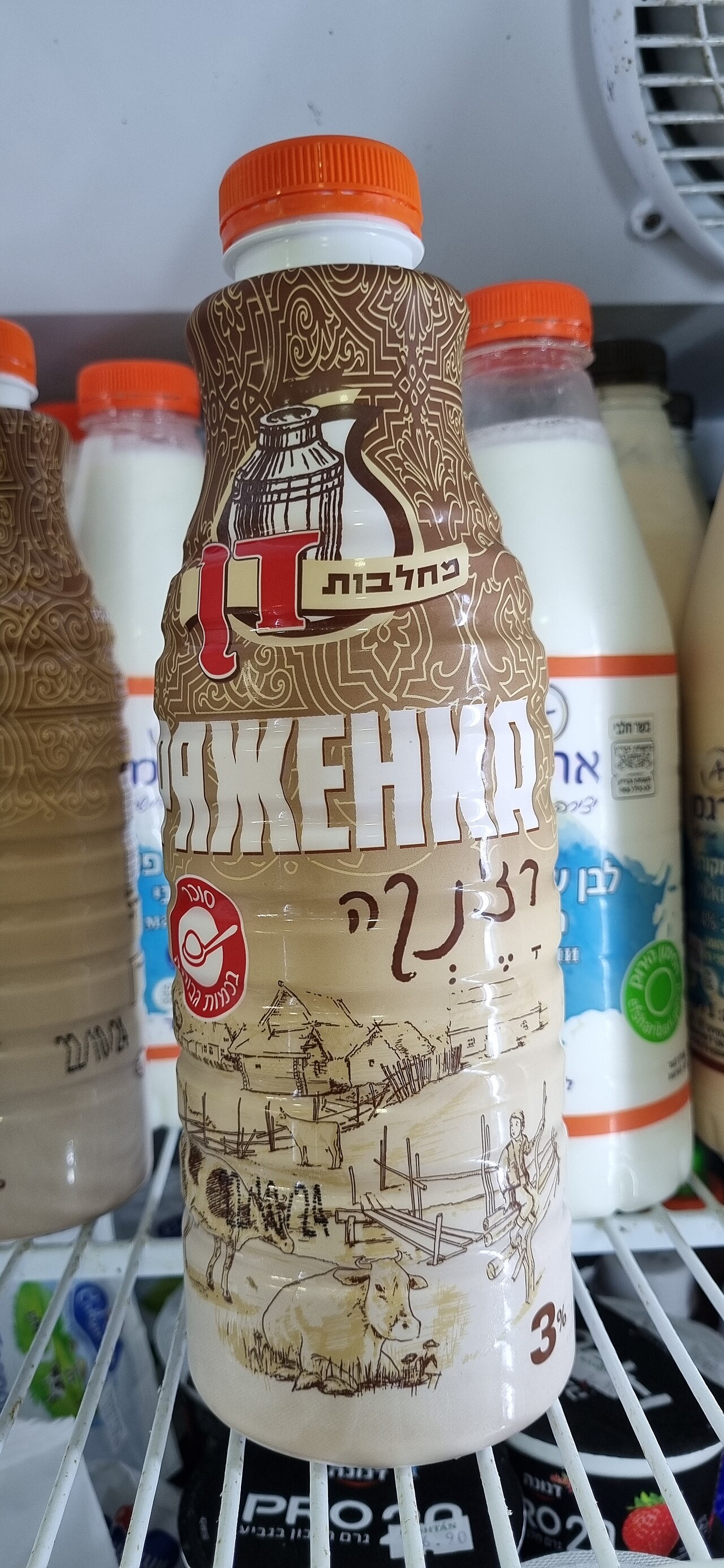
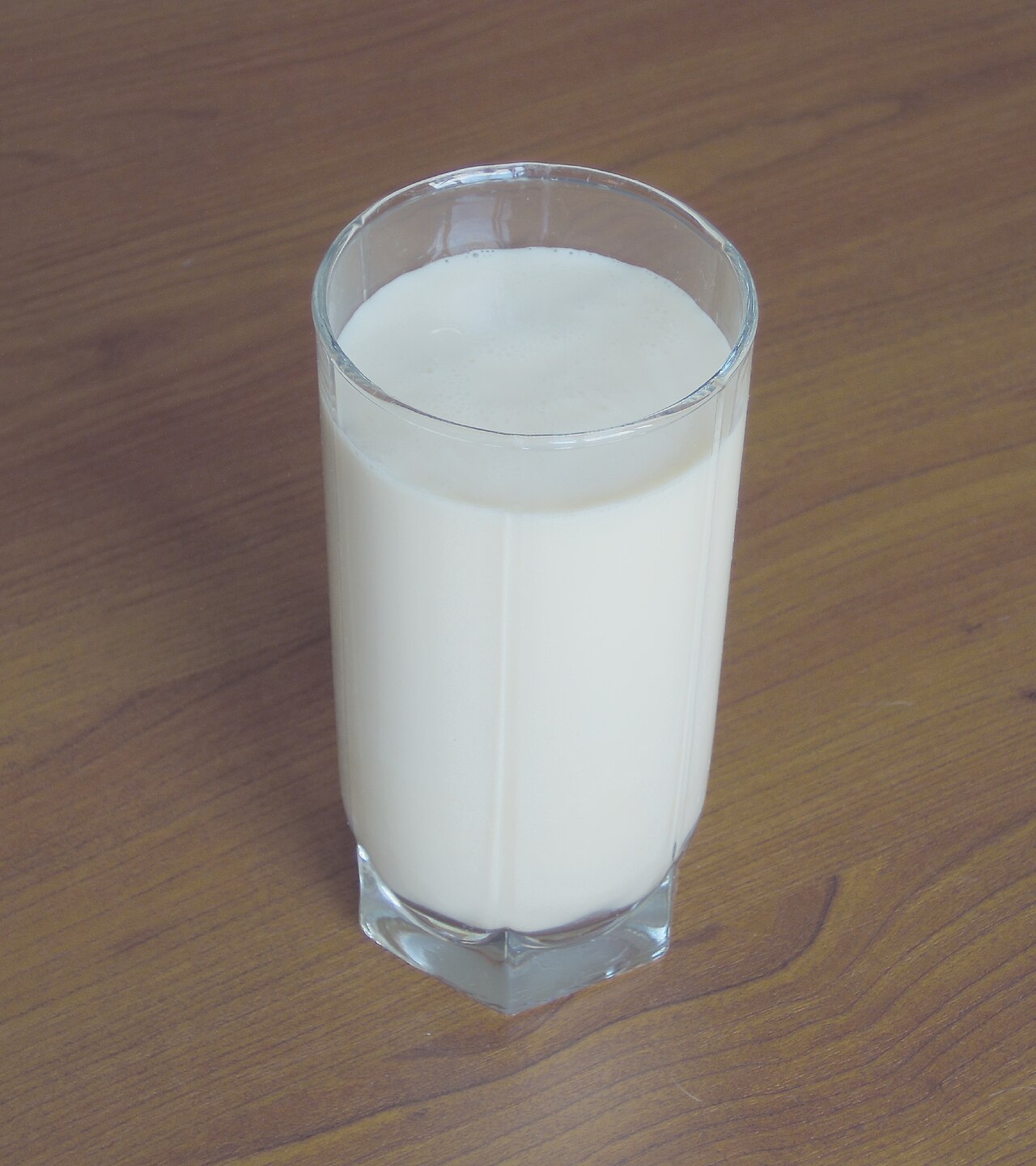
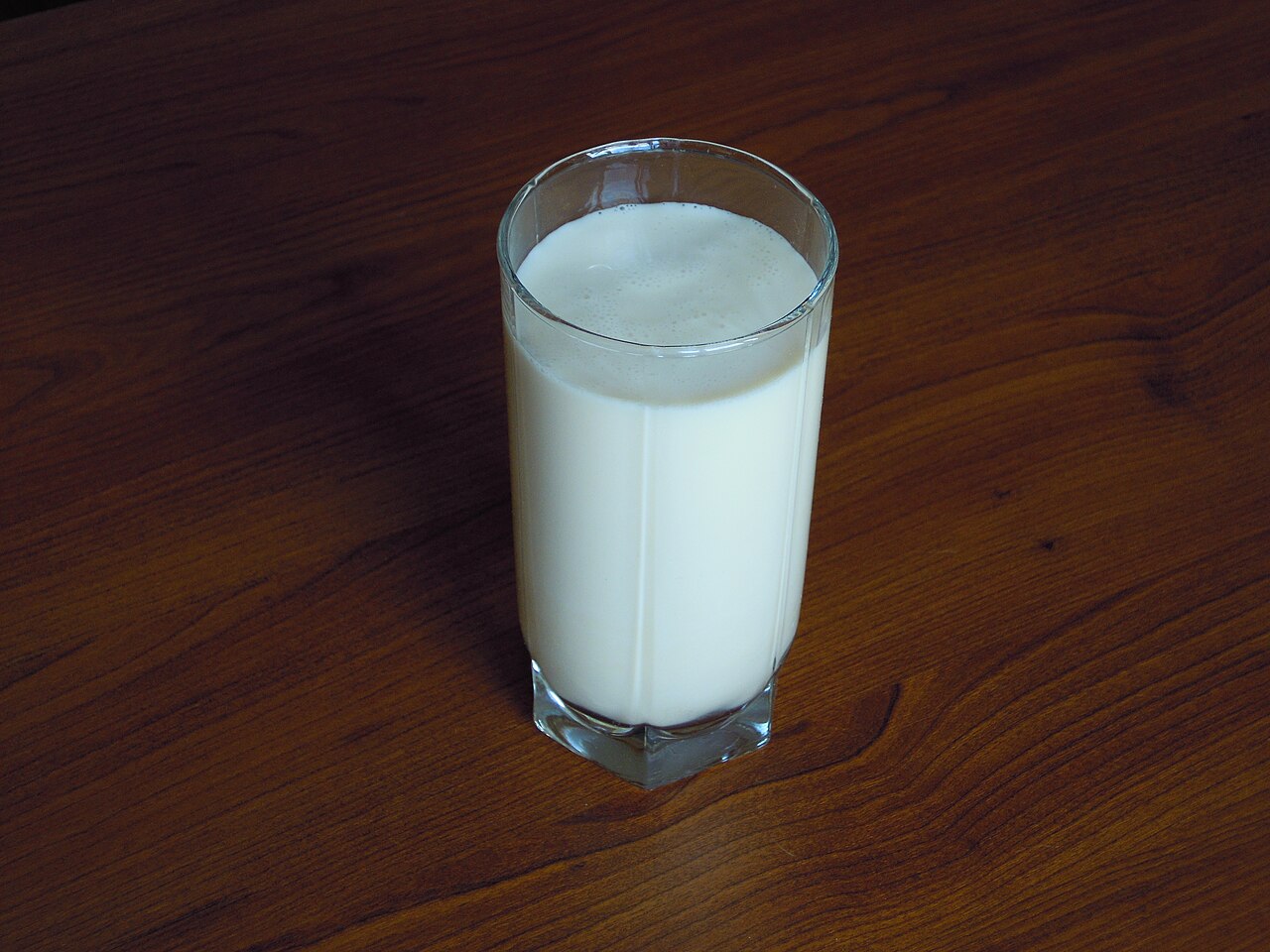
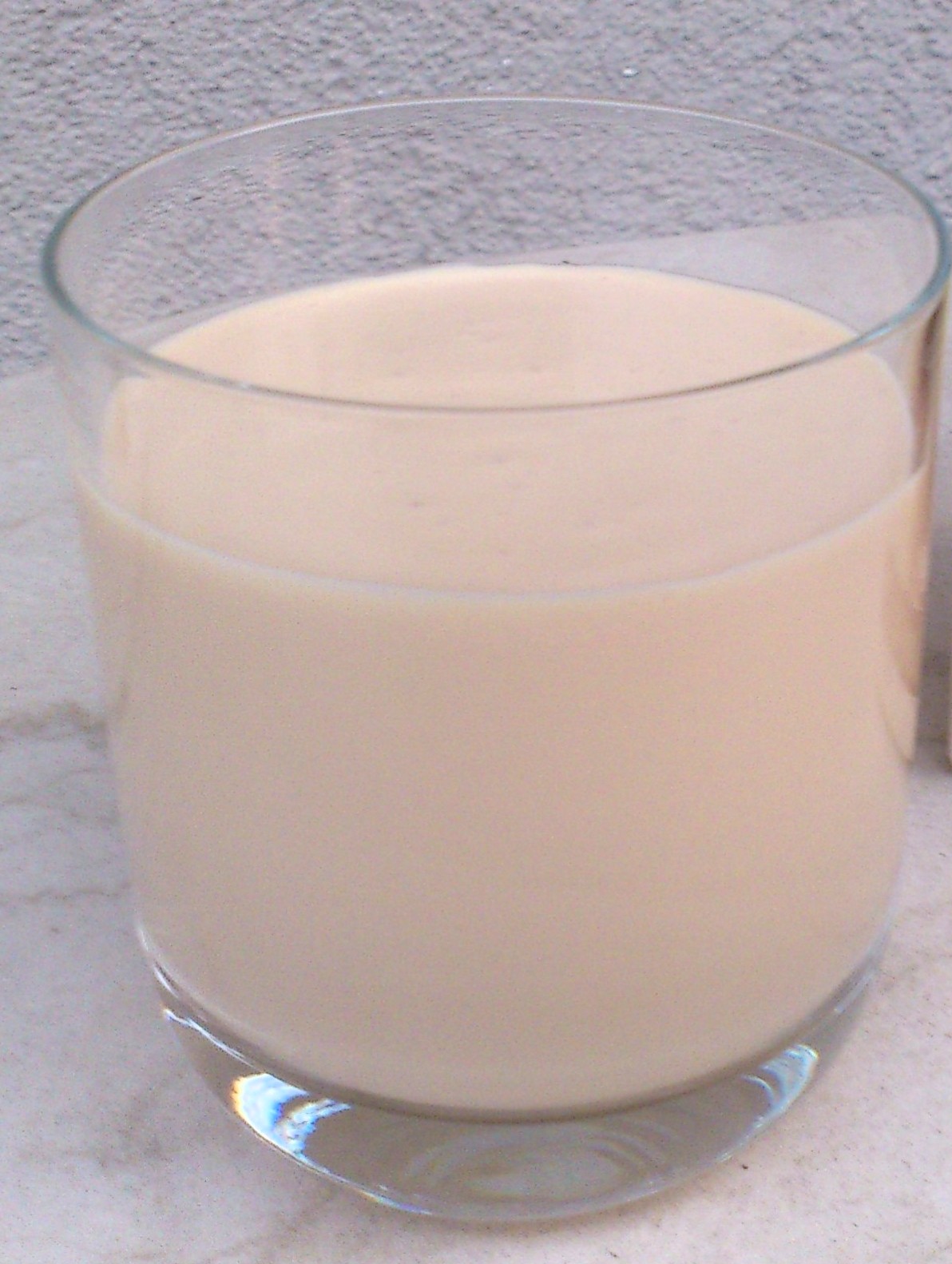
Ryazhenka (also spelled ryazhanka) is a traditional fermented milk product originating in Ukraine, Russia, and Belarus. It is made from baked milk through lactic acid fermentation, and is noted for its creamy color and caramel flavor, which result from the Maillard reaction during prolonged heating.
Quick Facts
- Country
- Ukraine
- National Cuisine
- Belarusian · Russian · Ukrainian
- Main Ingredient
- Milk
- Serving Size
- 100 g
- Protein
- ≥3
- Fat
- 0.5−8.9
- Carbohydrate
- 4−5
Facts from the source article.
Lore & Background
Ryazhenka is produced by first pasteurizing milk, then simmering it on low heat for at least eight hours. Historically, this was done by placing a clay pot with milk in a traditional Ukrainian oven for a day until a brown crust formed. The prolonged heat causes the Maillard reaction between amino acids and sugars, creating melanoidin compounds that give the product its creamy color and caramel flavor, while moisture evaporation changes its consistency.
In household production, sour cream (smetana) is added to trigger fermentation. In modern industrial production, pure thermophile bacterial cultures—Streptococcus thermophilus and Lactobacillus delbrueckii subsp. bulgaricus—are used instead. The mixture is kept warm, and fermentation occurs at temperatures above about 40 °C (100 °F), typically taking three to six hours.
Russian and Soviet sources call it 'Little Russian ryazhenka,' 'Ukrainian ryazhenka,' or 'Ukrainian soured milk,' and attribute its origin to Ukrainian cuisine. The name is cognate with the Ukrainian word 'пряжений' as in 'пряжене молоко' (baked milk). A similar traditional product in Russia is varenets, and while some dictionaries treat the names as synonyms, the industry standard GOST distinguishes between them by specifying different production processes. Similar products include qatiq and kaymak in Turkic countries.
Reader's Guide
Ryazhenka holds significance as a traditional fermented dairy product in Eastern European cuisines, particularly in Ukraine, Russia, and Belarus. Its production method—baking milk before fermentation—distinguishes it from yogurt-based drinks and links it to other baked-milk ferments like varenets, qatiq, and kaymak. The product's creamy color and caramel flavor arise from the Maillard reaction, a chemical process that also occurs in cooked foods. Industrially, ryazhenka typically has a fat content of 3.5–4%, though it can range from less than 0.5% to 8.9%, with at least 3% protein and 4–5% carbohydrates. Like scalded milk, it is free of harmful bacteria and enzymes and can be stored safely at room temperature for up to forty hours. The historical attribution to Ukrainian cuisine, as noted in Russian and Soviet sources, underscores its cultural roots, while the existence of similar products across Turkic countries highlights broader regional traditions of fermented baked milk. The distinction between ryazhenka and varenets in official standards reflects ongoing nuances in food classification.
Did You Know?
- The name is cognate with the Ukrainian 'пряжене молоко' (baked milk).
- The industry standard GOST distinguishes ryazhenka from varenets by specifying different production processes.
- Ryazhenka must be refrigerated and should not be left at room temperature for more than two hours to ensure food safety.
Cultural Roots and Naming
Ryazhenka occupies a fascinating position in the dairy traditions of Ukraine, Russia, and Belarus, where it is recognized as a beloved fermented milk product with deep regional roots. Russian and Soviet-era sources have historically labeled it with qualifiers such as "Little Russian ryazhenka" or "Ukrainian soured milk," explicitly tracing its culinary heritage to Ukrainian kitchens. The very name carries that lineage: it is linguistically cognate with the Ukrainian word "пряжений," which appears in the phrase "пряжене молоко," literally meaning "baked milk." This etymological link underscores that the product's identity is inseparable from the act of slow-cooking milk before fermentation. Across the three countries, the product appears under slightly different spellings—ряженка in Russian, ражанка in Belarusian, and ряжанка in Ukrainian—yet the core preparation and cultural significance remain shared. The attribution to Ukrainian cuisine in older Russian texts highlights how this particular dairy tradition crossed and blended across borders, becoming a staple that transcends any single national kitchen while retaining its Ukrainian linguistic DNA.
The Alchemy of Baking Milk
What sets ryazhenka apart from ordinary yogurt or kefir is the transformative chemistry that occurs when milk is subjected to prolonged, gentle heat before any fermentation begins. During the extended simmering, the Maillard reaction takes place between the milk's amino acids and its natural sugars, generating melanoidin compounds that lend the finished product its distinctive creamy hue and deep caramel notes. Simultaneously, a significant portion of moisture evaporates, thickening the liquid and altering its mouthfeel in ways that a simple pasteurization could never achieve. This pre-fermentation heating step is the single defining factor that separates ryazhenka—and its kin varenets, qatiq, and kaymak in Turkic-speaking regions—from standard yogurt-based drinks. While some dictionaries treat ryazhenka and varenets as interchangeable synonyms, the Russian industry standard GOST draws a clear line between the two, specifying somewhat different production processes. The result is a dairy product whose flavor profile is fundamentally shaped by heat-driven chemistry rather than by bacterial action alone, giving it a toasty, almost nutty character that plain fermented milks simply do not possess.
From Clay Pot to Factory Floor
The method of producing ryazhenka has evolved dramatically while preserving its essential logic. In traditional household settings, milk was poured into a clay vessel—called a hlechyk or krynka—and left inside a Ukrainian oven for an entire day, until a golden-brown crust formed on the surface. Once cooled, a spoonful of sour cream (smetana) was stirred in to kick off lactic acid fermentation, and the mixture was set in a warm spot for several hours. Modern industrial production follows the same basic sequence but with precision: milk is first pasteurized, then held on low heat for a minimum of eight hours. Rather than relying on sour cream, factories introduce pure thermophile bacterial cultures, specifically Streptococcus thermophilus and Lactobacillus delbrueckii subsp. bulgaricus. The fermentation stage requires temperatures above roughly 40 °C (100 °F) and typically runs for three to six hours. This shift from a grandmother's clay pot to controlled bioreactors has made the product consistent and scalable, yet the fundamental principle—bake the milk first, then ferment—remains unchanged from the earliest Ukrainian hearths.
Composition, Safety, and Everyday Practicality
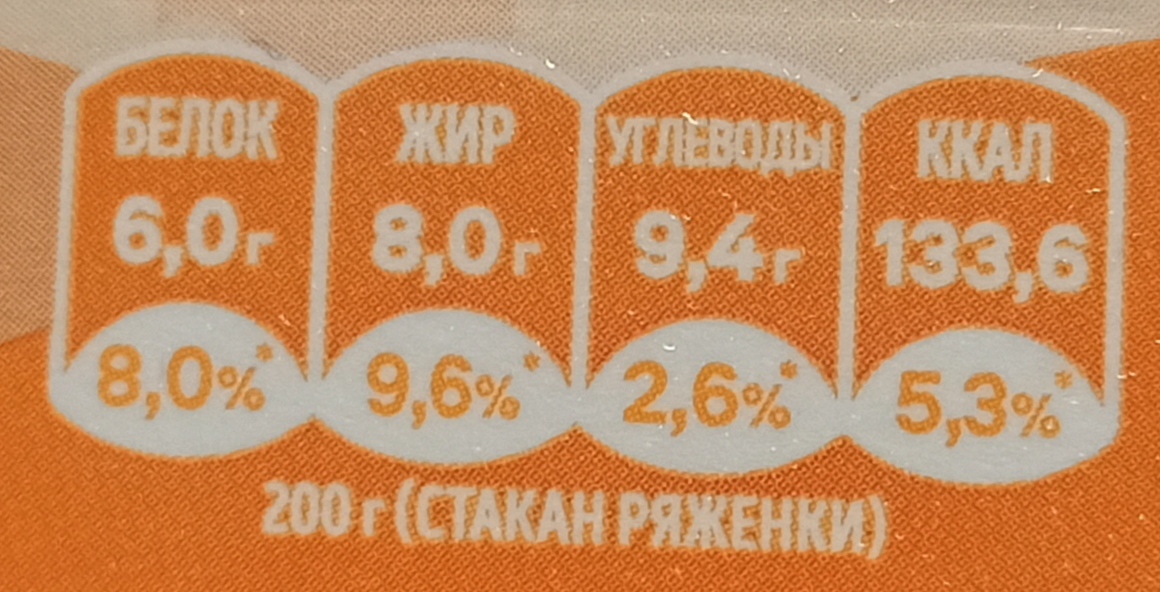
Ryazhenka is a remarkably versatile dairy product in terms of its nutritional profile and handling. Industrially produced versions typically carry a fat content between 3.5 and 4 percent, though regulations permit a wide range from under 0.5 percent (when made from skimmed milk) all the way up to 8.9 percent. Protein content must be at least 3 percent, and carbohydrates usually sit in the 4 to 5 percent range. One of the product's most practical advantages stems from the extended heating step: like scalded milk, finished ryazhenka is essentially free of harmful bacteria and active enzymes, which means it can be stored safely at room temperature for as long as forty hours without refrigeration. This shelf-stability made it especially valuable in households without reliable cold storage and in rural settings across Ukraine, Russia, and Belarus. The combination of a rich caramel flavor, a thick creamy texture, flexible fat levels, and the ability to sit unrefrigerated for nearly two days makes ryazhenka a uniquely convenient staple that bridges the gap between a simple milk drink and a more substantial dairy treat.
Gallery
Frequently Asked Questions
What exactly is Ryazhenka?
Ryazhenka is a fermented dairy staple enjoyed across Belarus, Ukraine, and Russia. It is made by slowly baking milk until it turns a warm golden color, then culturing it with lactic acid bacteria to set into a thick, spoonable product.
How does Ryazhenka get its signature caramel taste?
The toffee-like sweetness comes from the Maillard reaction, a browning process triggered when milk proteins and sugars sit under prolonged low-heat baking. That extended heating step is what sets it apart from plain yogurt or kefir.
What is the typical fat, protein, and carb profile of Ryazhenka?
Fat content can swing from under half a percent up to roughly nine percent depending on the recipe. Protein is guaranteed at a minimum of about three percent, while carbohydrates usually land somewhere between four and five percent.
Is Ryazhenka uniquely Belarusian?
Not quite — the recipe is shared cultural heritage spanning Belarus, Ukraine, and Russia, with no single country claiming sole ownership. In Belarus it occupies a familiar spot in the dairy lineup alongside other fermented milk products.
What makes Ryazhenka different from regular yogurt?
The defining difference is the baking step: the milk is heated for an extended period before any fermentation begins, producing that characteristic golden hue and nutty, caramelized flavor. Standard yogurt skips the roasting phase entirely, yielding a paler and milder result.
More in Belarusian cuisine 1-18
Spotted an error? Know more?
Reader corrections go straight into our review queue. Suggest an edit · How this site is sourced