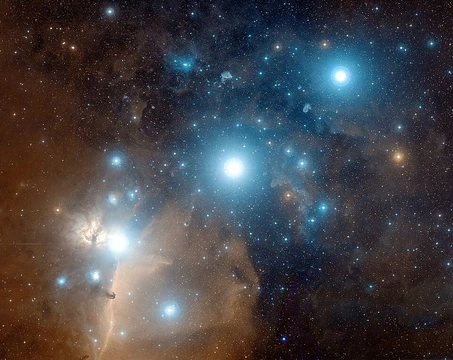
Astrophotography, Part 2
20 entries in the Astrophotography, Part 2 compendium.
Radio astronomyPassive observation of celestial objects using radio waves.Radio telescopeA specialized antenna and receiver for detecting cosmic radio waves.Solar gravitational lensTheoretical method using the Sun as a gravitational lens for exoplanet imaging.Spectral atlasA reference collection of spectra for comparison and classification.Spectro-Polarimetric High-Contrast Exoplanet ResearchDirect imaging facility for exoplanets at the Very Large Telescope.Star trailLong-exposure photos capturing stars as streaks due to Earth's rotation.Starlink ProjectUK astronomical computing project supplying data reduction software and hardware.Strehl ratioA measure of optical quality relative to a perfect system.Submillimetre astronomySubmillimetre astronomy traces cold gas and dust across the universe.Taiwanese–American Occultation SurveyRobotic survey using occultations to probe small Outer Solar System objects.TelescopeA device for observing distant objects via electromagnetic radiation.Thermographic cameraA device that visualizes temperature by detecting infrared radiation.Timeline of telescopes, observatories, and observing technologyA chronology of astronomical instruments and observatories from antiquity to 1918.Ultraviolet astronomyObserving the hot, energetic universe in ultraviolet light.Vector magnetographAn imaging telescope that estimates the 3-D vector of a magnetic field.Very-long-baseline interferometryVLBI combines radio telescopes to emulate a giant telescope.Video astronomyNear real-time observing of faint objects using sensitive cameras.Visible-light astronomyThe oldest and most accessible form of astronomy, using visible light.X-ray astronomyObserving the universe in X-rays from above Earth's atmosphere.Afocal photographyAfocal photography mounts a camera over an eyepiece for imaging.
Browse Astrophotography, Part 2 in the interactive codex →