Spectral atlas
A reference collection of spectra for comparison and classification.

Unknown author · Public domain
A spectral atlas in astronomy is a reference collection of spectra from one or more objects, used for comparison with the spectra of other objects. Different types of spectral atlases exist: those designed for spectral classification, those serving as key references, and those gathering spectra of a general class of object. To ensure uniformity, the spectra in any given atlas are usually obtained with the same equipment or with very similar instruments at different sites, providing consistent spectral resolution, wavelength coverage, and noise characteristics.
For spectral classification, a spectral atlas provides standard spectra of stars with known spectral types. An unknown star's spectrum is compared against these standards, much like using an identification key in biology. Early examples, such as the Morgan-Keenan-Kellman atlas, reproduced monochrome spectra from photographic plates, including notations on which features distinguish close spectral types. With large sky surveys that automatically assign spectral classifications from digital data, graphical atlases have largely been replaced by downloadable libraries of standard star spectra, often available from sources like VizieR.
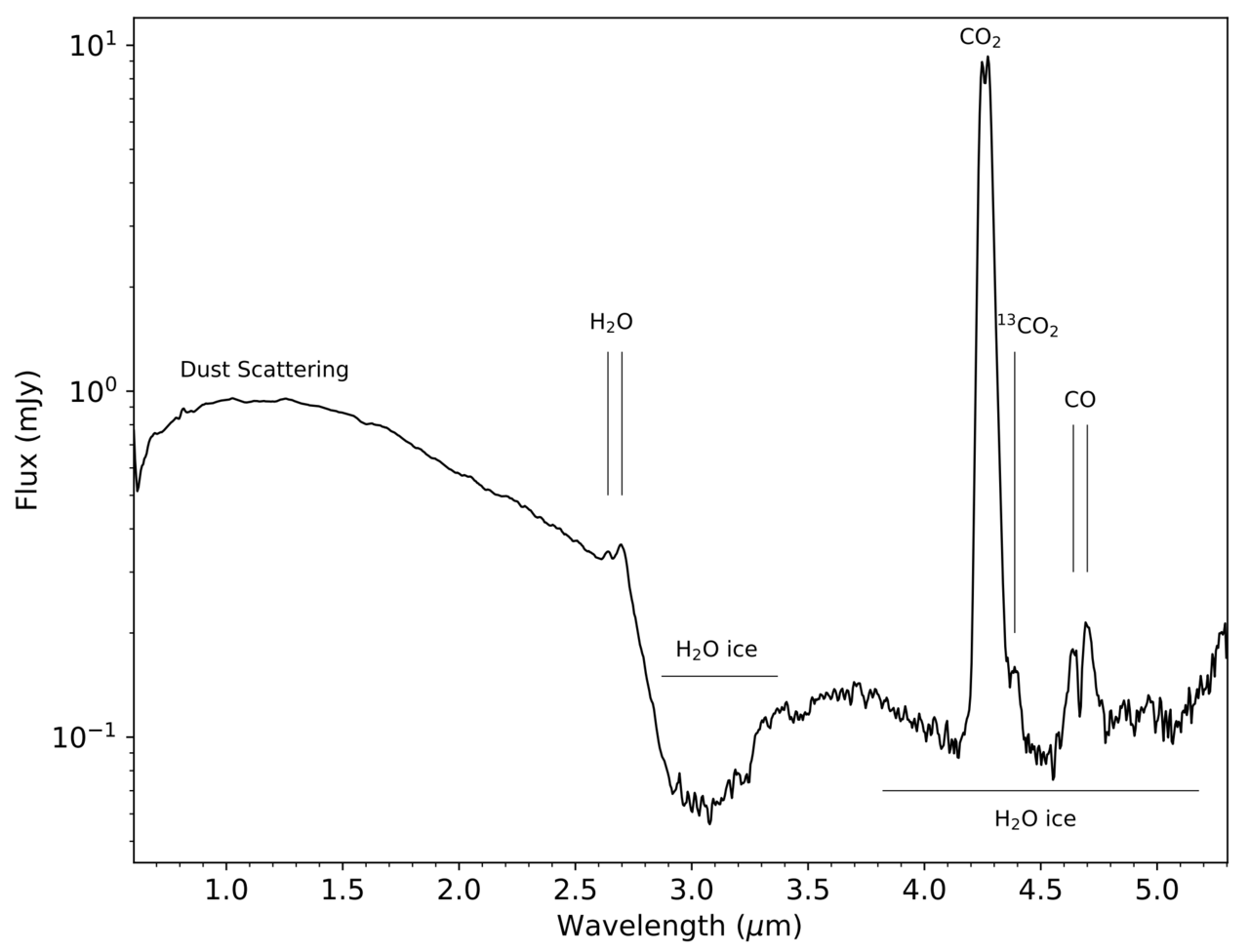
A key-reference spectral atlas presents a very high-quality spectrum of a single important object, typically at high spectral resolution. It is usually displayed as a large-format line chart of intensity or relative intensity (for a star, ranging from zero to a normalized continuum) as a function of wavelength, without markers at individual data points. Such atlases have been made for the Sun, Arcturus, other bright stars, planets, and quasars. When derived from photographic media, the data were digitized with a densitometer. Identifications of spectral features may be included, but are often given separately in tabular form.
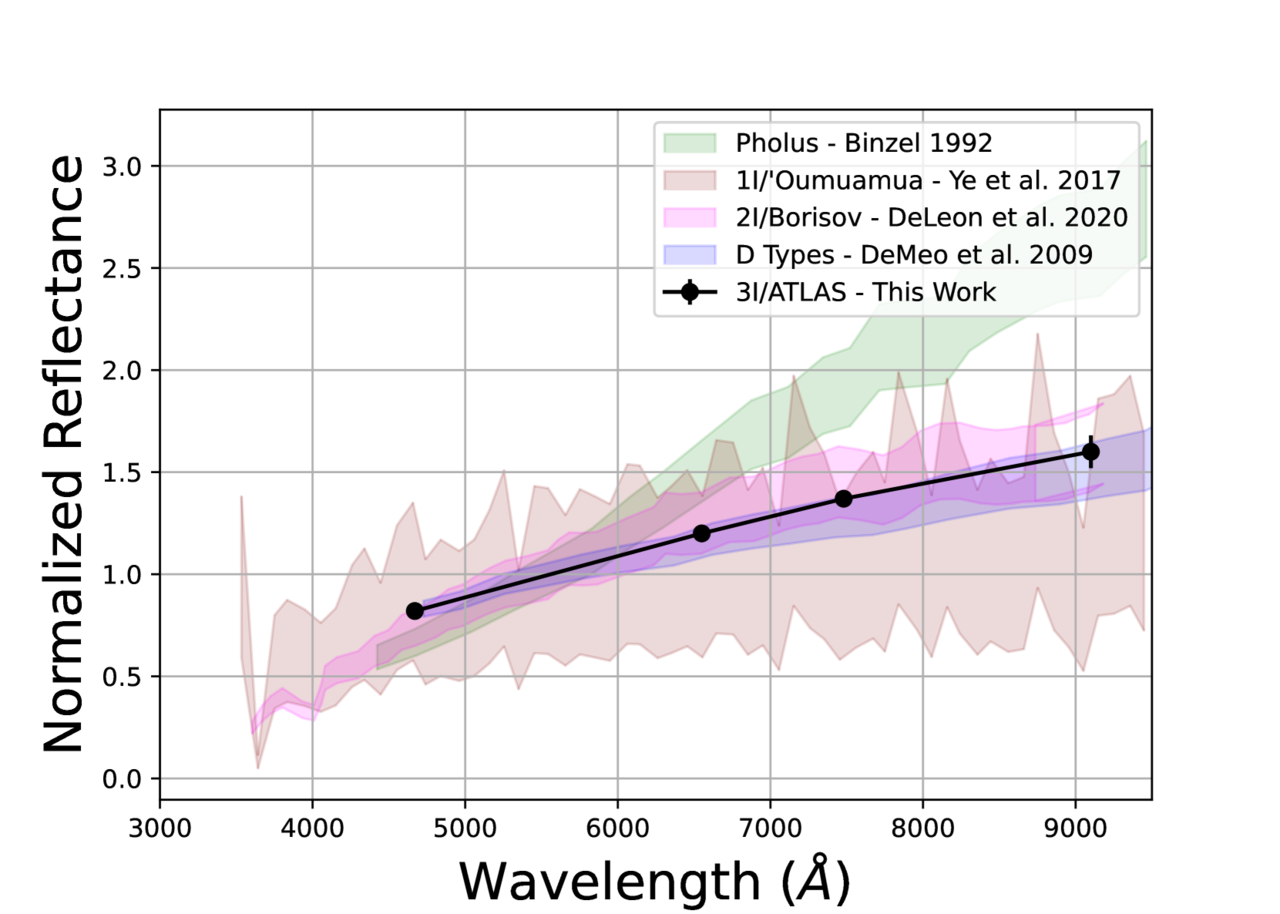
A spectral atlas can also collect spectra of different individual objects of a general type, illustrating the range of spectra within that type, or it can show spectra from a single object that changes over time, revealing its spectral variations.
- Types
- For spectral classification, for key reference, or for objects of a general type
- Examples
- Morgan-Keenan-Kellman atlas (spectral classification), solar atlas (key reference), Hα profiles of Be stars (general type)
- Data sources
- VizieR and other sources for digital libraries of standard spectra
Lore & Background
Spectral atlases originated as reproductions of monochrome spectra recorded on photographic plates, such as the original Morgan-Keenan-Kellman atlas. These atlases included identifications and notations for spectral features used as discriminators between close spectral types. With the advent of large sky surveys and automated spectral classification, graphical atlases have been supplanted by digital libraries of standard star spectra.
For key reference objects, spectral atlases present very high-quality, high-resolution spectra in large-format line charts of intensity versus wavelength, often without markers at specific data points. Such atlases have been made for the Sun, Arcturus, other bright stars, planets, and quasars. When derived from photographic media, the data were digitized with a densitometer.
A third type of spectral atlas collects spectra of different objects of a general type to show the variety inherent to that type, or spectra from a single object over time to show variations.
Reader's Guide
The significance of spectral atlases lies in their role as standardized references for comparing and classifying astronomical spectra. For spectral classification, they function analogously to an identification key in biology, providing standard spectra of known types against which unknown spectra are matched. The Morgan-Keenan-Kellman atlas exemplifies this use, with notations for discriminating between close spectral types. For key reference objects, high-resolution atlases of the Sun, Arcturus, and other bright sources serve as benchmarks for detailed spectroscopic analysis, often with feature identifications published separately in tabular form. The legacy of these atlases includes their evolution from photographic reproductions to digital libraries accessible via VizieR and other repositories, enabling automated classification in large surveys. Atlases of general object types, such as Be star Hα profiles, document the range of spectral behavior within a class or over time, providing context for interpreting new observations.
Did You Know?
- Spectral atlases are intended for comparison with spectra of other objects.
- The original Morgan-Keenan-Kellman atlas used reproductions of monochrome spectra from photographic plates.
- Key reference atlases often present data as line charts of intensity versus wavelength without markers at specific data points.
- Digital libraries of standard star spectra have largely supplanted graphical atlases for automated classification.
Gallery




Frequently Asked Questions
What is a spectral atlas in astrophotography and astronomy?
It is a curated collection of spectra drawn from one or more astronomical objects, assembled so that observers and researchers can compare their own measurements against established reference data.
What are the main types of spectral atlases?
They fall into three broad categories: those built for spectral classification (such as the Morgan-Keenan-Kellman atlas), those serving as key references (like a solar atlas), and those gathering spectra of a general object class (for example, Hα profiles of Be stars).
How do spectral atlases keep their entries consistent?
Spectra within a single atlas are typically captured using the same instrument or very similar setups across different observing sites, so that resolution, wavelength range, and noise levels stay uniform throughout the collection.
Why is a spectral atlas important for someone classifying or studying objects?
It provides a standardized set of comparison spectra, letting users classify unknown sources, validate their own observations, and study characteristic features of a particular class of object.
Where can I access digital versions of standard spectral atlas data?
Databases such as Vizier host digital libraries of standard spectra, and other online archives offer downloadable spectral atlas collections for research and side-by-side comparison work.
More in Astrophotography, Part 2 1-24
Spotted an error? Know more?
Reader corrections go straight into our review queue. Suggest an edit · How this site is sourced