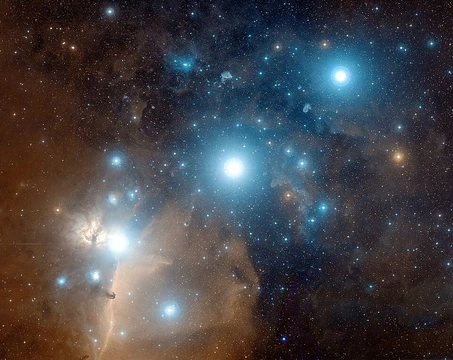
Telescope
A device for observing distant objects via electromagnetic radiation.

Pelligton · CC BY-SA 4.0
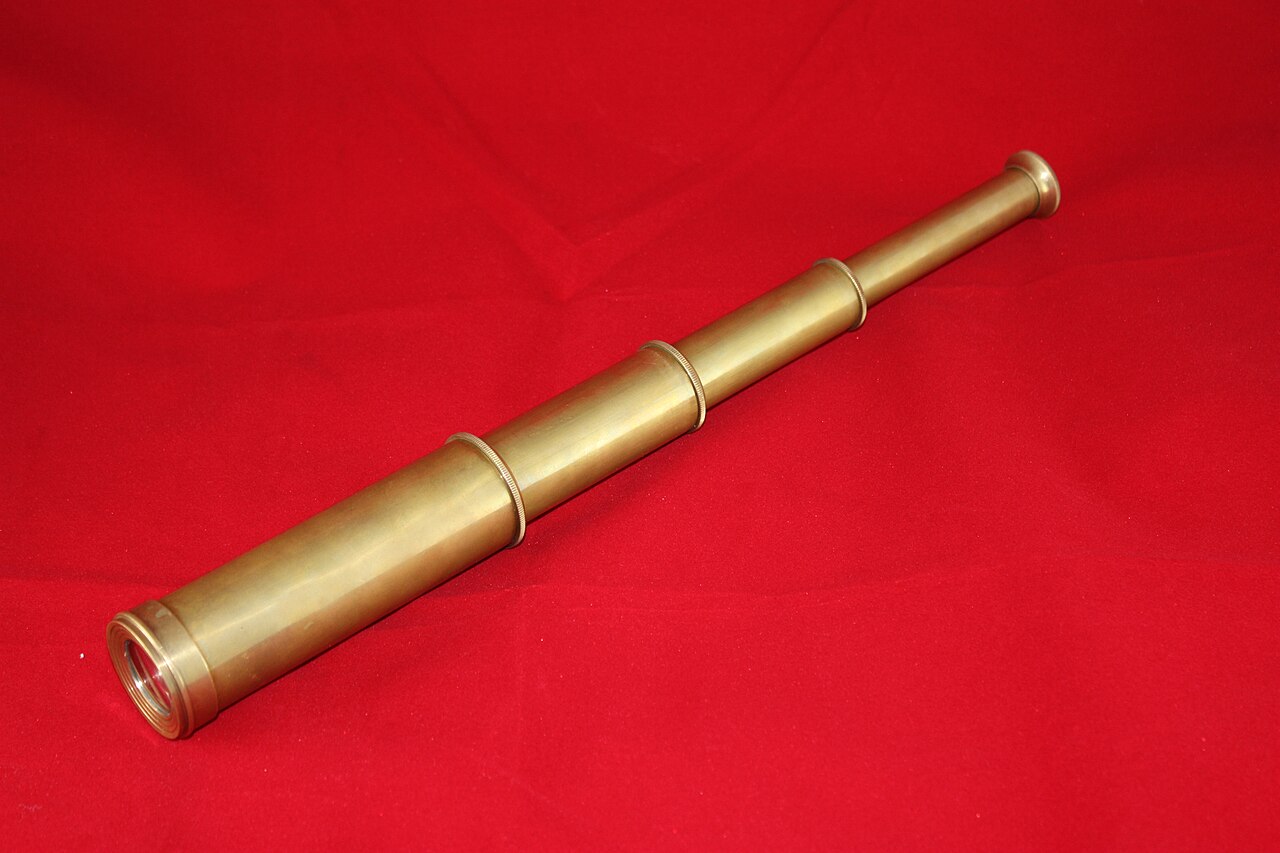
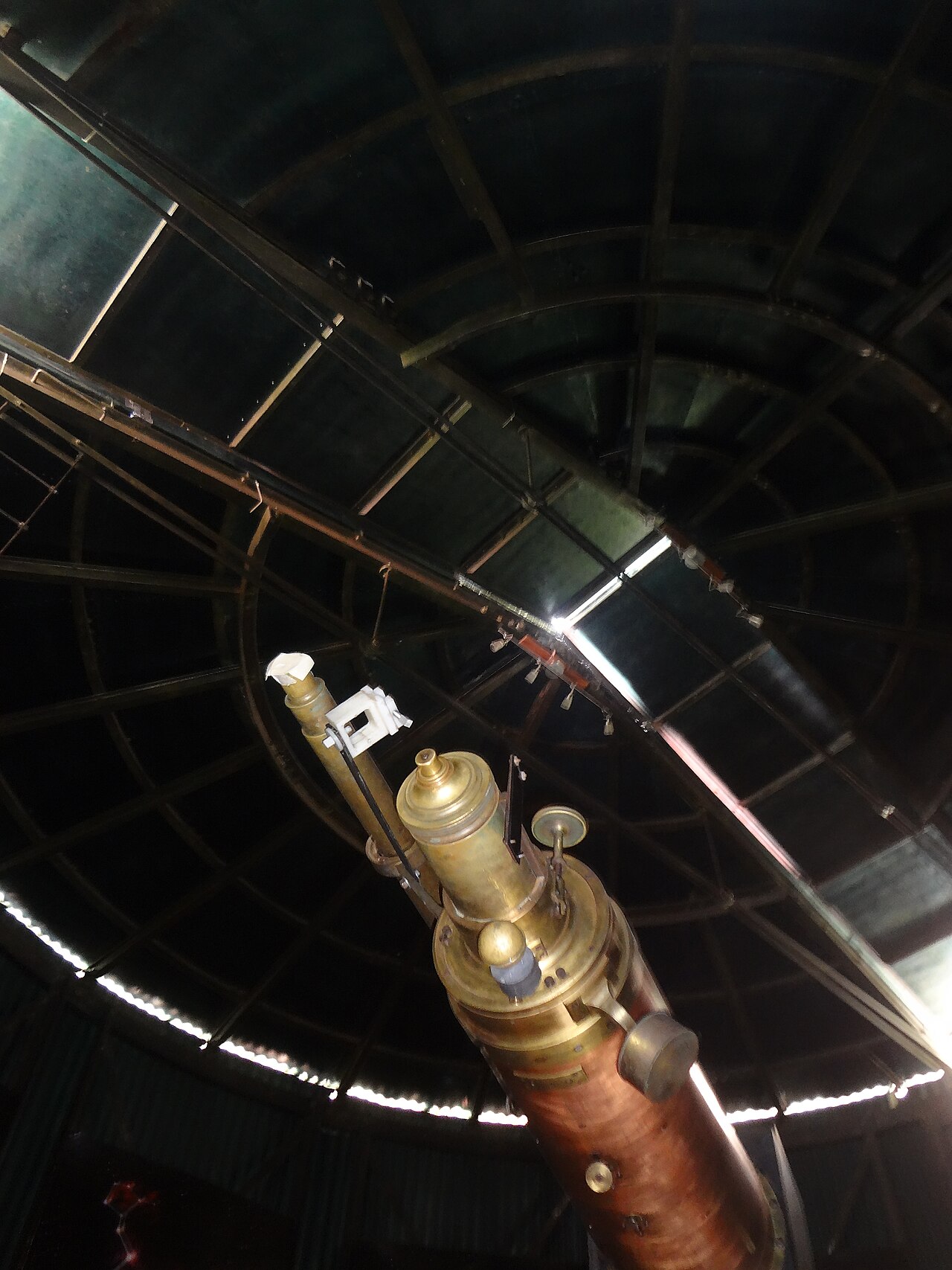
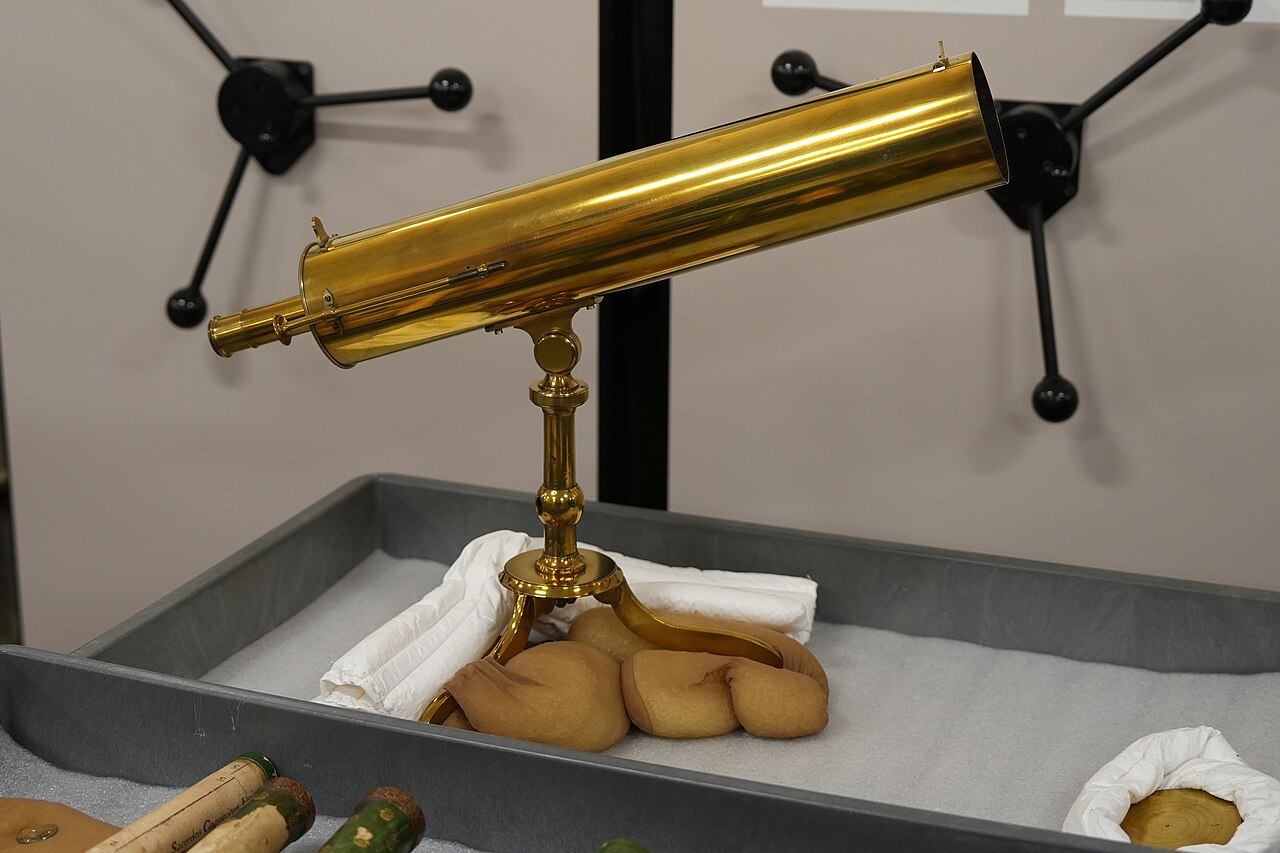
A telescope is a device used to observe distant objects by their emission, absorption, or reflection of electromagnetic radiation. Originally an optical instrument using lenses, curved mirrors, or a combination of both, the term now encompasses a wide range of instruments capable of detecting different regions of the electromagnetic spectrum, including radio, infrared, and gamma-rays. Telescopes are notable for enabling the observation of celestial objects and phenomena across the universe, from visible light to radio waves, and are fundamental to modern astronomy.
- First known practical telescopes
- Refracting telescopes with glass lenses, invented in the Netherlands at the beginning of the 17th century
- First patent
- 1608 patent submitted by Hans Lipperhey in the Netherlands for a refracting telescope
- First practical reflecting telescope
- Built by Isaac Newton in 1668 (Newtonian reflector)
- Invention of achromatic lens
- 1733
- Introduction of silver coated glass mirr
- 1857
- Introduction of aluminized mirrors
- 1932
- First purpose built radio telescope
- 1937
Lore & Background
The earliest existing record of a telescope is a 1608 patent submitted to the government in the Netherlands by Middelburg spectacle maker Hans Lipperhey for a refracting telescope, though the actual inventor is unknown. Word spread through Europe, and Galileo heard about it, building his own version in 1609 and making telescopic observations of celestial objects. The reflecting telescope, using mirrors to collect and focus light, was invented within a few decades of the first refracting telescope, with Isaac Newton building the first practical reflecting telescope in 1668, of a design now called the Newtonian reflector. John Dobson invented the Dobsonian telescope in 1956.
The invention of the achromatic lens in 1733 partially corrected color aberrations in simple lenses, enabling shorter, more functional refracting telescopes. Reflecting telescopes were hampered by fast-tarnishing speculum metal mirrors during the 18th and early 19th centuries, a problem alleviated by silver-coated glass mirrors in 1857 and aluminized mirrors in 1932. The maximum physical size limit for refracting telescopes is about 1 meter, dictating that the vast majority of large optical research telescopes built since the turn of the 20th century have been reflectors. The largest reflecting telescopes currently have objectives larger than 10 meters, with work on 30–40m designs underway. The 20th century also saw the development of telescopes for a wide range of wavelengths, from radio to gamma-rays, with the first purpose-built radio telescope operating in 1937.
Reader's Guide
The telescope's significance lies in its evolution from a simple optical instrument to a diverse array of detectors covering the entire electromagnetic spectrum. The article notes that the atmosphere is opaque for most of the spectrum, so only visible, near-infrared, and a portion of radio waves can be observed from Earth's surface, necessitating space telescopes for X-ray and far-infrared observations. Space telescopes, such as the Hubble Space Telescope (detecting visible, ultraviolet, and near-infrared), the Spitzer Space Telescope (infrared), and the Kepler Space Telescope (discovering exoplanets), have expanded observational capabilities despite disadvantages like cost and maintainability. The James Webb Space Telescope, launched on 25 December 2021, detects infrared light and orbits the L2 Lagrange Point. Radio telescopes, using directional antennas and dishes, collect radio waves and can employ aperture synthesis via interferometers to achieve high-resolution images, with arrays like the Japanese HALCA satellite enabling very-long-baseline interferometry. The legacy of the telescope is its role in enabling astronomy across all wavelengths, from ground-based observatories to space-based platforms, and its use in programs like SETI to search for extraterrestrial life.
Did You Know?
- The word 'telescope' was coined in 1611 by Greek mathematician Giovanni Demisiani for one of Galileo Galilei's instruments.
- The first known practical telescopes were refracting telescopes with glass lenses invented in the Netherlands at the beginning of the 17th century.
- Isaac Newton built the first practical reflecting telescope in 1668, known as the Newtonian reflector.
- The James Webb Space Telescope was launched on 25 December 2021 from Kourou, French Guiana with an Ariane 5 rocket.
The Pioneering Era of Celestial Imaging
The quest to photograph the night sky began in the 1830s and 1840s, driven largely by independent experimenters and so-called "gentleman scientists" — a group that, as in other scientific fields, was not exclusively male. Louis Jacques Mandé Daguerre, inventor of the photographic process bearing his name, made the first known attempt in 1839 by trying to capture the Moon. Tracking errors during the long exposure left only a vague, indistinct blur. John William Draper, a chemistry professor at New York University who was also a physician and hands-on experimenter, produced the first successful lunar photograph on March 23, 1840, using a twenty-minute daguerreotype through a five-inch reflecting telescope. The Sun may have followed as early as 1845, captured by French physicists Léon Foucault and Hippolyte Fizeau, while Italian physicist Gian Alessandro Majocchi documented a failed eclipse attempt in Milan in 1842. Every one of these early efforts required overcoming serious engineering hurdles: keeping a telescope rigid enough to hold focus, building clock drives that rotated at a constant rate, and maintaining an accurate aim over minutes of exposure. The daguerreotype process was painfully slow, and the wet plate collodion method capped exposure length to the time a plate could remain wet.
Engineering the Long Exposure
At the heart of astronomical imaging lies the principle of accumulating light over extended periods. Both film and digital sensors can gather photons over long exposures, and the amount of light collected increases with the diameter of the primary optical element. Because urban light pollution would swamp a detector with stray light, imaging equipment and observatories are frequently sited in remote locations. The Earth's constant rotation presents another challenge: the telescope must be rotated in the opposite direction to track the apparent motion of stars across the sky. This is handled by equatorial mounts or computer-controlled altazimuth systems. Even so, tracking errors creep in from imperfect motor drives, mechanical sag, and atmospheric refraction. Correcting these errors requires keeping a guide star centered throughout the exposure, accomplished through a co-mounted guide scope or an off-axis guider using a prism or beam splitter. In the past, an observer stood at the telescope making manual corrections; today, automated systems handle this in both professional and amateur setups. For moving targets like comets, the telescope must be continuously recentered. CCD cameras can be cooled to suppress thermal noise and capture wavelengths beyond visible light, while specialized filters isolate particular spectral bands.
Revolutionizing Professional Astronomy
The introduction of extended-exposure photography fundamentally transformed professional astronomical research. By recording hundreds of thousands of previously invisible stars and nebulae, it opened an entirely new window into the universe. Specialized and ever-larger optical telescopes were essentially built as giant cameras, designed to project images onto photographic plates. Astrophotography played an early and crucial role in systematic sky surveys and the classification of stars, and over time it branched into numerous subdisciplines, each with its own specific goals. These include star cartography, astrometry, stellar classification, photometry, spectroscopy, and polarimetry. The technique also proved indispensable for discovering new astronomical objects: asteroids, meteors, comets, variable stars, novae, and even previously unknown planets. Each of these pursuits often demands specialized hardware — telescopes engineered for precise imaging, wide-field instruments such as Schmidt cameras, or systems tuned to particular wavelengths. As image sensors grew more sophisticated and equipment became tailored to specific research fields, the discipline matured from a novel photographic trick into the backbone of observational astronomy.
The Amateur Renaissance
Because virtually all modern observational astronomy relies on photographic or digital imaging, the term "astrophotography" has come to refer primarily to its practice in the amateur community, where the goal shifts from extracting scientific data to producing aesthetically compelling images of the night sky. Modern amateur astrophotographers can capture not only the familiar faces of the Moon, Sun, and planets but also objects far beyond the reach of the unaided eye: dim stars, glowing nebulae, and distant galaxies. This is made possible through long time exposures that allow film or digital sensors to accumulate and sum photons over extended periods, or through specialized optical filters that restrict incoming light to a narrow wavelength band. Amateurs employ a wide and ever-growing range of dedicated equipment and techniques, from cooled CCD cameras and precision guiding systems to Schmidt cameras for wide-field work. The democratization of computer-controlled mounts, automated guiding, and affordable digital sensors has brought capabilities once reserved for institutional observatories within reach of dedicated hobbyists, creating a vibrant parallel culture of celestial imaging.
Gallery
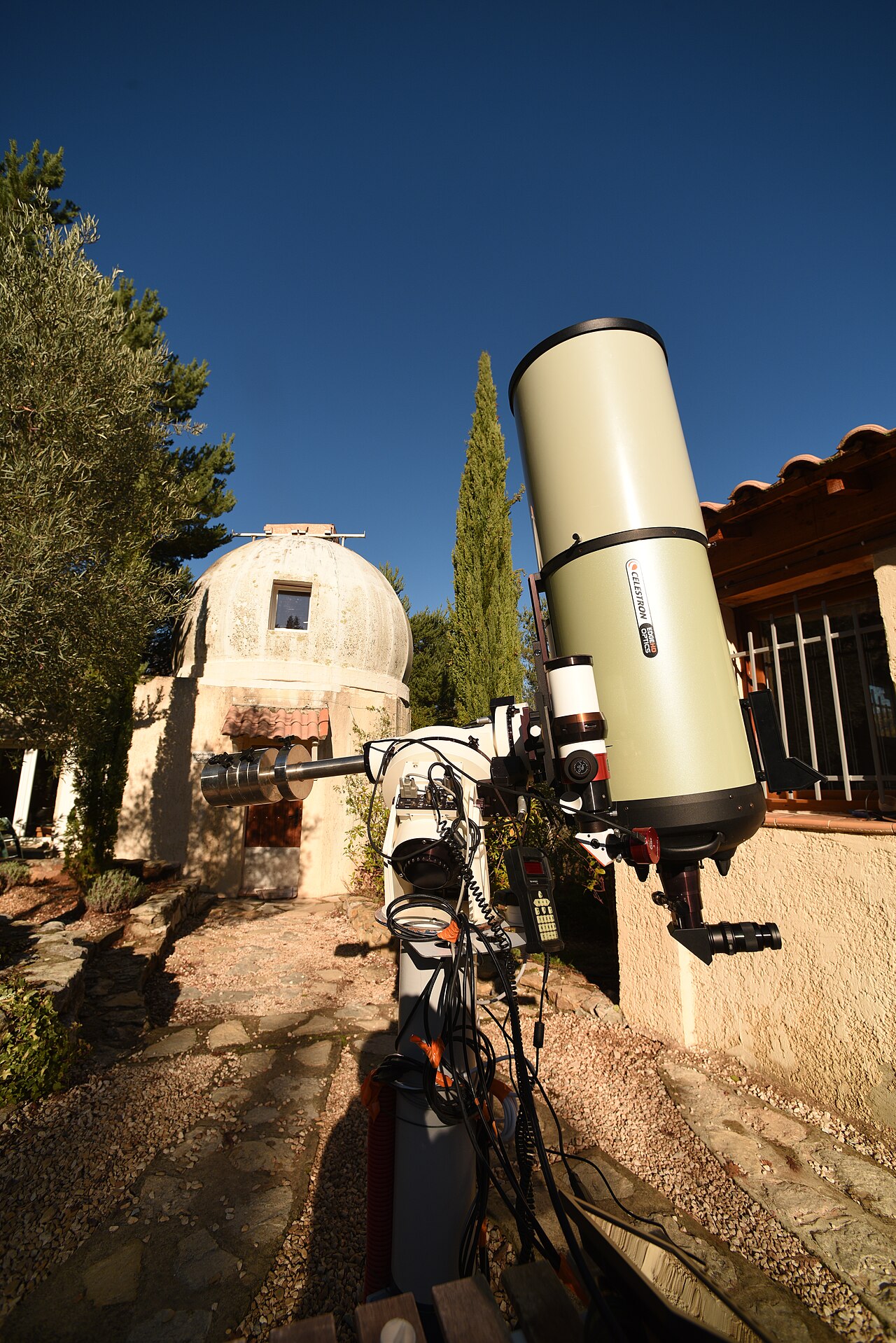
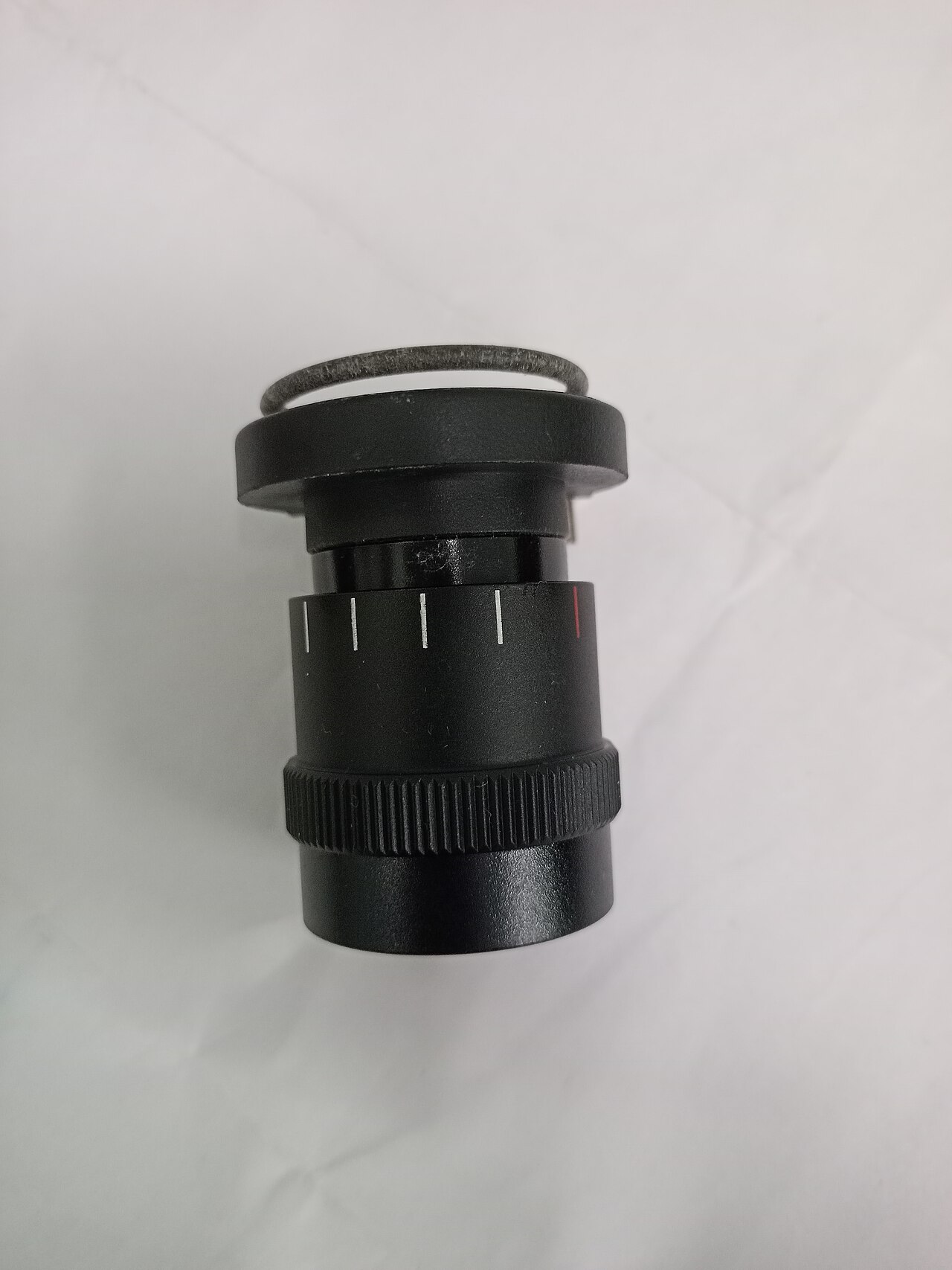
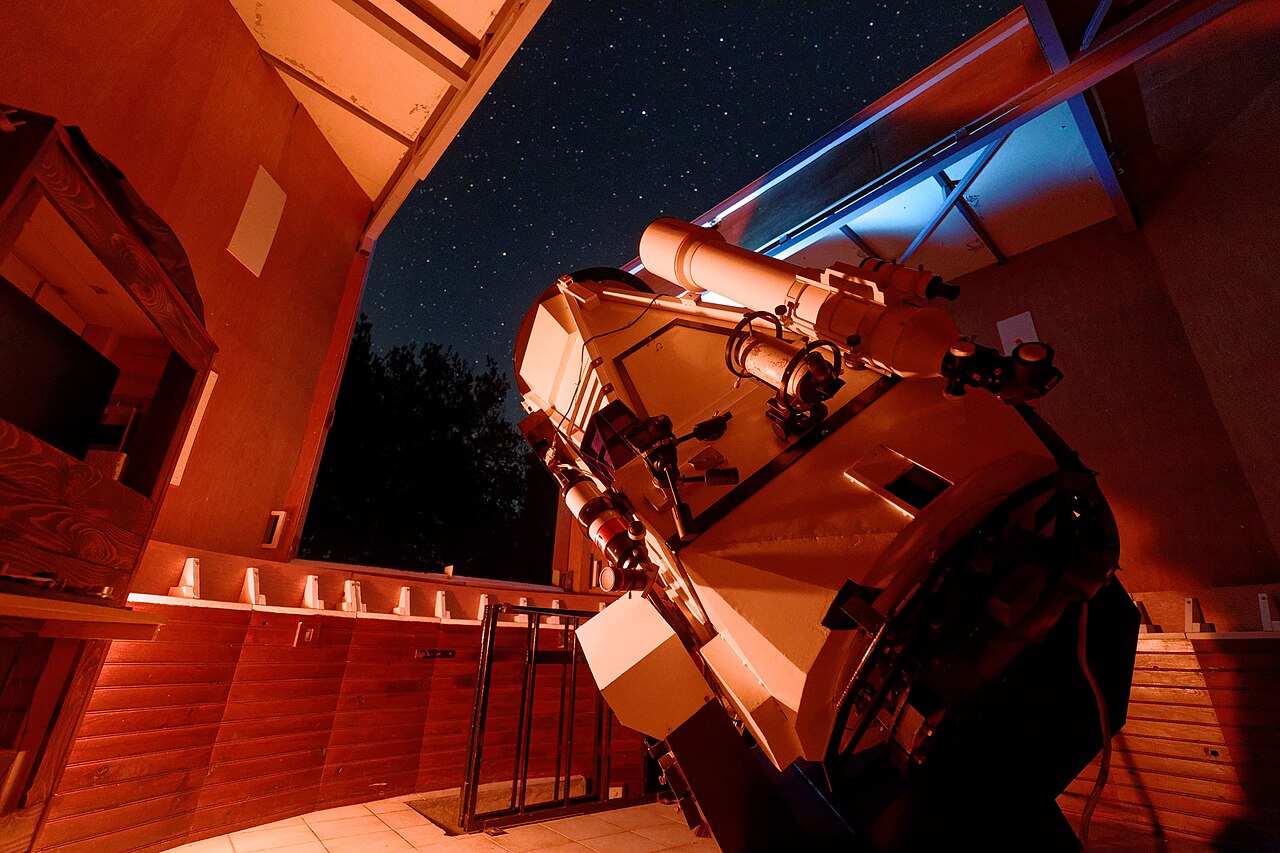
Frequently Asked Questions
What is a telescope in the context of astrophotography?
A telescope is an instrument that gathers and focuses electromagnetic radiation from distant celestial objects so photographers and astronomers can capture or study them. It achieves this through curved lenses, mirrors, or a combination of both.
When did the first practical telescopes appear?
The earliest practical telescopes were refracting designs built with glass lenses in the Netherlands at the start of the 17th century. Hans Lipperhey is credited with filing the first patent for such a device in 1608.
What's the difference between a refracting and a reflecting telescope?
A refracting telescope bends and focuses incoming light through curved glass lenses, while a reflecting telescope uses curved mirrors to accomplish the same task. Newton built the first practical reflecting design in 1668, and modern reflectors typically employ silver-coated or aluminum-coated glass mirrors.
What wavelengths can modern telescopes detect?
Beyond visible light, contemporary telescopes can capture radio waves, infrared, and even gamma-ray emissions from celestial sources. This broad spectral range lets astrophotographers observe phenomena that are entirely invisible to the unaided eye.
How did telescope optics evolve from the 1700s to the 1900s?
The 1733 invention of the achromatic lens significantly reduced color distortion in refractors, marking a major leap in image quality. Silver-coated glass mirrors followed in 1857, and by 1932 aluminum-coated mirrors became the standard, giving reflecting telescopes a substantial performance boost.
More in Astrophotography, Part 2 1-24
Spotted an error? Know more?
Reader corrections go straight into our review queue. Suggest an edit · How this site is sourced