Rhodotorula
A carotenoid-pigmented yeast genus with bioremediation and pathogenic potential.

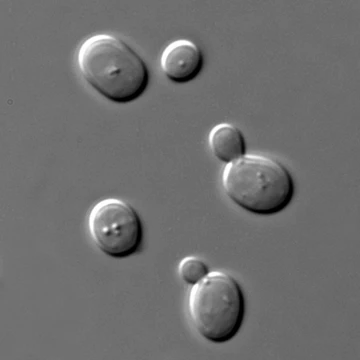
Rhodotorula is a genus of fungi in the class Microbotryomycetes, known for its yeast states that produce orange to red colonies due to carotenoid pigments. These pigments block certain wavelengths of light (620–750 nm) that would otherwise damage the cell. The genus is notable for its environmental ubiquity, potential in bioremediation, and occasional role as an opportunistic pathogen in humans and animals.
Quick Facts
- Taxon
- Rhodotorula
- Type Species
- Rhodotorula glutinis
- Type Species Authority
- (Fresen.) F.C. Harrison (1928)
Facts from the source article.
Lore & Background
The genus Rhodotorula was created in 1927 by Canadian microbiologist Francis C. Harrison to accommodate red-pigmented yeasts, with the name derived from Ancient Greek ῥόδον (rhodon) meaning rose-coloured. Over 150 additional species were later added, but molecular research based on cladistic analysis of DNA sequences revealed that Rhodotorula sensu lato is polyphyletic. Consequently, most species were transferred to other orders, leaving only a small monophyletic group of about 20 species related to the type species Rhodotorula glutinis in Rhodotorula sensu stricto. In 1967, Japanese mycologist Isao Banno introduced the genus Rhodosporidium for the sexual state, but changes to the International Code of Nomenclature for algae, fungi, and plants discontinued the practice of separate names for teleomorph and anamorph forms, making Rhodosporidium a synonym of Rhodotorula.
Reader's Guide
Rhodotorula species are common environmental inhabitants, isolated from air, water, soil, milk, fruit juice, and other substrates. They are notable for their ability to scavenge nitrogenous compounds, growing even in air cleaned of fixed nitrogen contaminants, with nitrogen content dropping as low as 1% of dry weight. In human pathology, only Rhodotorula mucilaginosa and R. glutinis have been reported to cause disease, with the first human case in 1960 and 43 bloodstream infections documented between 1960 and 2000, primarily in immunosuppressed patients or those using central venous catheters. Treatment involves catheter removal and antifungals such as amphotericin B and flucytosine. In bioremediation, Rhodotorula species show promise for degrading polycyclic aromatic hydrocarbons (PAHs) in contaminated waters, with R. glutinis and R. rubra (= R. mucilaginosa) degrading phenanthrene, and a strain of R. taiwanensis growing under high gamma radiation and low pH, suggesting potential for acidic radioactive waste sites.
Did You Know?
- Rhodotorula colonies appear orange to red due to carotenoid pigments that block light wavelengths of 620–750 nm.
- The genus was first described in 1927 by Canadian microbiologist Francis C. Harrison.
- Only Rhodotorula mucilaginosa and R. glutinis have been known to cause disease in humans.
- A strain of R. taiwanensis can grow at constant gamma radiation of 66 Gy/h at pH 2.3.
More in Yeasts, Part 2 1-24
Spotted an error? Know more?
Reader corrections go straight into our review queue. Suggest an edit · How this site is sourced