Lees (fermentation)
Sedimentary yeast deposits used in winemaking and distillation.

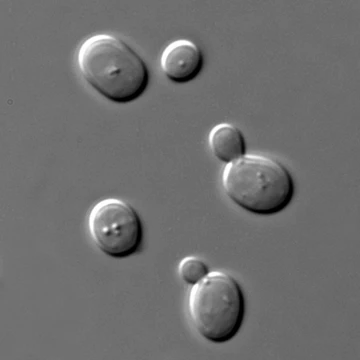
Lees are sedimentary deposits of dead yeast or residual yeast and other particles that precipitate, or are carried by the action of fining, to the bottom of a vat of wine after fermentation and aging. In brewing beer, this sediment is known as trub, not lees, except when formed during secondary fermentation, where it is named lees for both wine and beer, or dregs for beer alone. Lees are notable as the source for most commercial tartaric acid, used in cooking and organic chemistry, and play a key role in winemaking techniques such as sur lie aging and the production of ripasso.
- Minimum alcohol content for lees spirit
- 38% alcohol by volume
- Secondary yeast addition duration
- 2–8 weeks
- Minimum bottle fermentation for champagn
- 18 months
Lore & Background
The term in English derives from Middle English lie, from Anglo-French, from Medieval Latin lia. Webster's Third International Dictionary shows from lia, 'probably of Celtic origin, akin to Old Irish lige (bed), Gaulish legasit (he laid) and Welsh llaid (mud).' Normally, wine is transferred to another container (racking), leaving this sediment behind. Some wines, notably Chardonnay, Champagne, and Muscadet, are sometimes aged for a time on the lees (a process known as sur lie), leading to a distinctive yeasty aroma and taste. The lees may be stirred (French: bâtonnage) for uptake of their flavour.
Lees are an important component in the making of ripasso, where the leftover lees from Amarone are used to impart more flavour and colour to partially aged Valpolicella. Fujian red wine chicken is made from rice wine lees. In a process known as light lees protocol, yeast is added to wine that has completed primary fermentation; this secondary yeast addition typically remains in the wine from 2–8 weeks, depending on the winemaker's goals. The yeast is stirred frequently, and racked when the protocol is complete. Also known as secondary autolysis, a light lees protocol releases additional mannoproteins and polysaccharides that can influence the flavour, tannins, and acidity of the wine.
Reader's Guide
Sur lie wines are bottled directly from the lees without racking, adding a toasty, nutty 'hazelnut' quality and additional depth and complexity. Chemically, this can alter oak flavour molecules, increasing integration and making oak seem less obtrusive to the palate. This is desirable because oak tannins are polyphenolic acids and can be harsh. The process can also give added freshness and creaminess to the wine, and improve color and clarity. Muscadet is made in this fashion. The effect of the lees during bottle fermentation for at least 18 months on Champagne is considerable, contributing the 'bready' toasty notes associated with some of the greatest sparkling wines.
Lees also have uses beyond wine. Beer on an element of lees is sold, such as many Trappist beers, Unibroue Quebec-based ales/beers, real ales of older styles (not India Pale Ale), and Weissbiers. Kombucha can also be brewed sur lie. Lees can be distilled to produce Hefebrand, or 'lees spirit', an alcoholic beverage containing a minimum of 38% alcohol by volume. The legacy of lees is their versatility: from enhancing wine complexity and texture to serving as a base for spirits and culinary ingredients like tartaric acid.
Did You Know?
- In brewing beer, the sediment is called trub, not lees, except during secondary fermentation.
- Lees can be distilled to produce Hefebrand, a spirit with a minimum of 38% alcohol by volume.
More in Yeasts, Part 2 1-24
Spotted an error? Know more?
Reader corrections go straight into our review queue. Suggest an edit · How this site is sourced