Phaeotremella
A genus of parasitic jelly fungi with yeast states.

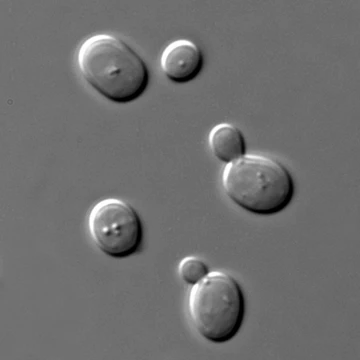
Phaeotremella is a genus of fungi belonging to the family Phaeotremellaceae. Every species in this genus is a parasite of other fungi, and they all produce anamorphic yeast states. When fruit bodies (basidiocarps) are formed, they are gelatinous and are commonly referred to as "jelly fungi." Around fifteen species of Phaeotremella are currently known worldwide. One species, *Tremella sanguinea*, was identified as a member of this genus through DNA sequencing and is grown in China for use in traditional Chinese medicine.
The genus was first established by British mycologist Carleton Rea for *Phaeotremella pseudofoliacea*, a fungus similar to *Tremella* but with brown basidiospores instead of white. Later scientists dismissed this distinction, placing *Phaeotremella* as a synonym of *Tremella* and merging its type species with *Tremella foliacea*. However, DNA-based cladistic analysis later revealed that *Tremella* is paraphyletic, meaning it is an artificial grouping. A different genus name was needed for species not closely related to *Tremella mesenterica* (the type species of *Tremella*), and *Phaeotremella* was revived as the oldest available name. Consequently, the modern definition of *Phaeotremella* differs from Rea's original concept, and the type species, *P. pseudofoliacea*, is now considered a synonym of *Phaeotremella frondosa*.
When fruit bodies appear, they are gelatinous. Some species produce small, cushion-shaped structures under 5 mm across, while others grow much larger, up to 150 mm, with lobed or leaf-like fronds. Several species, however, are known only from their yeast states. Microscopically, the hyphae usually have clamp connections and bear haustorial cells that send filaments into the host's hyphae. The basidia are tremelloid—globose to ellipsoid with vertical or diagonal septa—and produce long, winding sterigmata (epibasidia) that bear smooth, globose to ellipsoid basidiospores. These spores germinate either by forming a hyphal tube or by budding into yeast cells. Conidiophores are often present, producing conidiospores similar to yeast cells.
Most species parasitize corticioid fungi, specifically members of *Aleurodiscus* and *Stereum*, with one species attacking the ascomycete genus *Lophodermium*. Those on *Aleurodiscus*, like *Phaeotremella mycophaga*, parasitize the fruit bodies of their hosts.
- Number of species
- fifteen or so
- Family
- Phaeotremellaceae
- Type species
- Phaeotremella pseudofoliacea (now placed in synonymy with Phaeotremella frondosa)
- Fruit body size range
- under 5 mm across to up to 150 mm across
- Host genera
- Aleurodiscus, Stereum, Lophodermium
Lore & Background
The genus Phaeotremella was originally created by British mycologist Carleton Rea to accommodate Phaeotremella pseudofoliacea, a fungus that resembled a Tremella species but had brown rather than white basidiospores. Later authors considered this to be a mistaken observation and placed Phaeotremella in synonymy with Tremella and its type species in synonymy with Tremella foliacea. Molecular research, based on cladistic analysis of DNA sequences, has however shown that Tremella is paraphyletic (and hence artificial). A different generic name was therefore required for a group of species not closely related to Tremella mesenterica (the type species of Tremella) and Phaeotremella was selected as the earliest such name available. As a result, the current definition of Phaeotremella is not the same as Rea's original concept. The type species, P. pseudofoliacea, has been placed in synonymy with Phaeotremella frondosa.
Fruit bodies (when present) are gelatinous. In some species they are small (under 5 mm across) and pustular to pulvinate (cushion-shaped). In others they are much larger (up to 150 mm across) and may be variously lobed or foliose (with leaf-like or seaweed-like fronds). Several Phaeotremella species are, however, only known from their yeast states. Microscopically, Phaeotremella species produce hyphae that are typically (but not always) clamped and have haustorial cells from which hyphal filaments seek out and penetrate the hyphae of the host. The basidia are 'tremelloid' (globose to ellipsoid and vertically or diagonally septate), giving rise to long, sinuous sterigmata or epibasidia on which the basidiospores are produced. These spores are smooth, globose to ellipsoid, and germinate by hyphal tube or by yeast cells. Conidiophores are often present, producing conidiospores that are similar to yeast cells.
Most species are parasitic on members of the corticioid fungi, specifically species of Aleurodiscus and Stereum, with one species on the ascomycetous genus Lophodermium. Those on Aleurodiscus, including Phaeotremella mycophaga, parasitize the fruit bodies of their hosts; those on Stereum, such as Phaeotremella foliacea, P. frondosa, and P. fimbriata, parasitize the host mycelium within the wood. As a group, Phaeotremella species occur worldwide, though individual species may have a more restricted distribution.
Reader's Guide
Phaeotremella is notable for its dual identity as both a yeast and a jelly fungus, with many species known only from their yeast states. Its taxonomic history illustrates the impact of molecular phylogenetics: originally described by Carleton Rea based on spore color, the genus was later dismissed as a synonym of Tremella, only to be resurrected after DNA sequencing revealed Tremella to be paraphyletic. This redefinition means the current concept of Phaeotremella differs from Rea's original. The genus includes Tremella sanguinea, which is cultivated in China for traditional Chinese medicine, highlighting a direct human use. Ecologically, Phaeotremella species are specialized parasites of corticioid fungi (Aleurodiscus and Stereum) and one ascomycete (Lophodermium), with different species attacking either the fruit bodies or the mycelium of their hosts. The gelatinous fruit bodies, when produced, range from tiny pustules under 5 mm to large, lobed structures up to 150 mm across. The genus currently comprises about fifteen recognized species worldwide, though individual distributions vary. The presence of haustorial cells and tremelloid basidia are key microscopic features. The ongoing uncertainty about hosts for some species and the fact that several species are only known from yeast states underscore gaps in knowledge.
Did You Know?
- All Phaeotremella species are parasites of other fungi and produce anamorphic yeast states.
- Tremella sanguinea, shown to be a Phaeotremella species by DNA sequencing, is cultivated in China as an ingredient in traditional Chinese medicine.
- Several Phaeotremella species are only known from their yeast states.
More in Yeasts, Part 2 1-24
Spotted an error? Know more?
Reader corrections go straight into our review queue. Suggest an edit · How this site is sourced