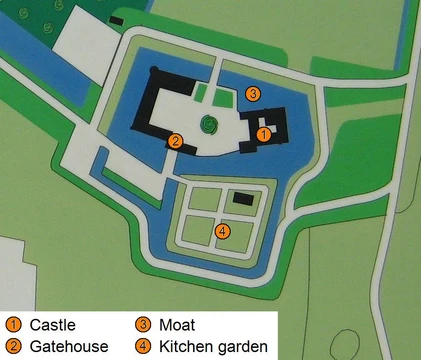
Water castle
A castle type using water as a primary defensive element.

Krzysztof Golik · CC BY-SA 4.0
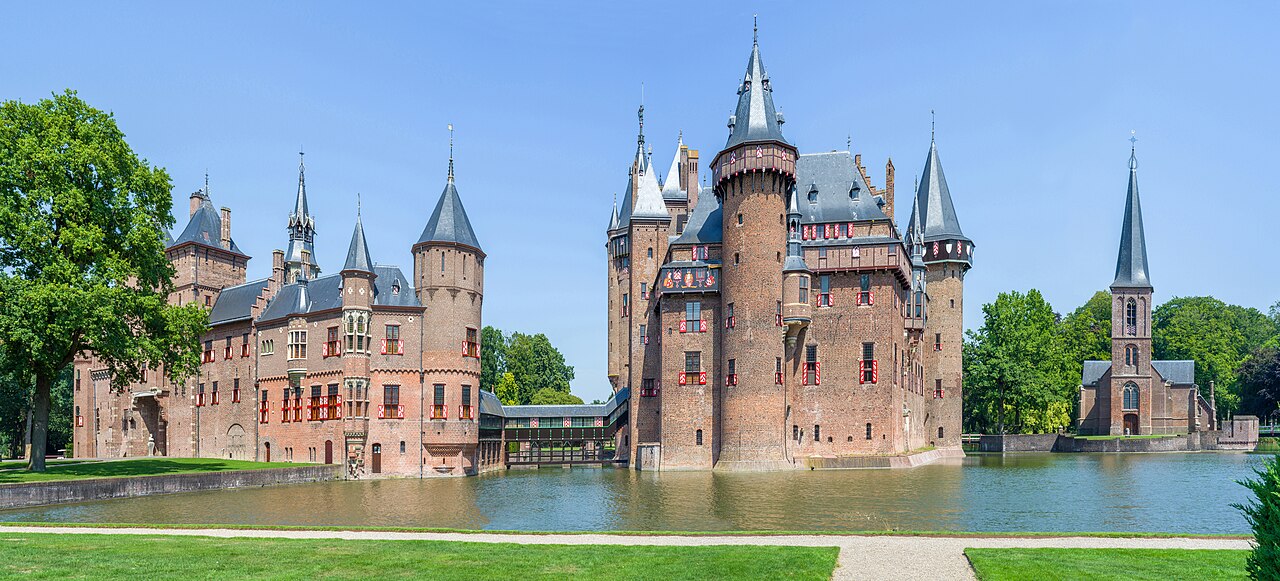
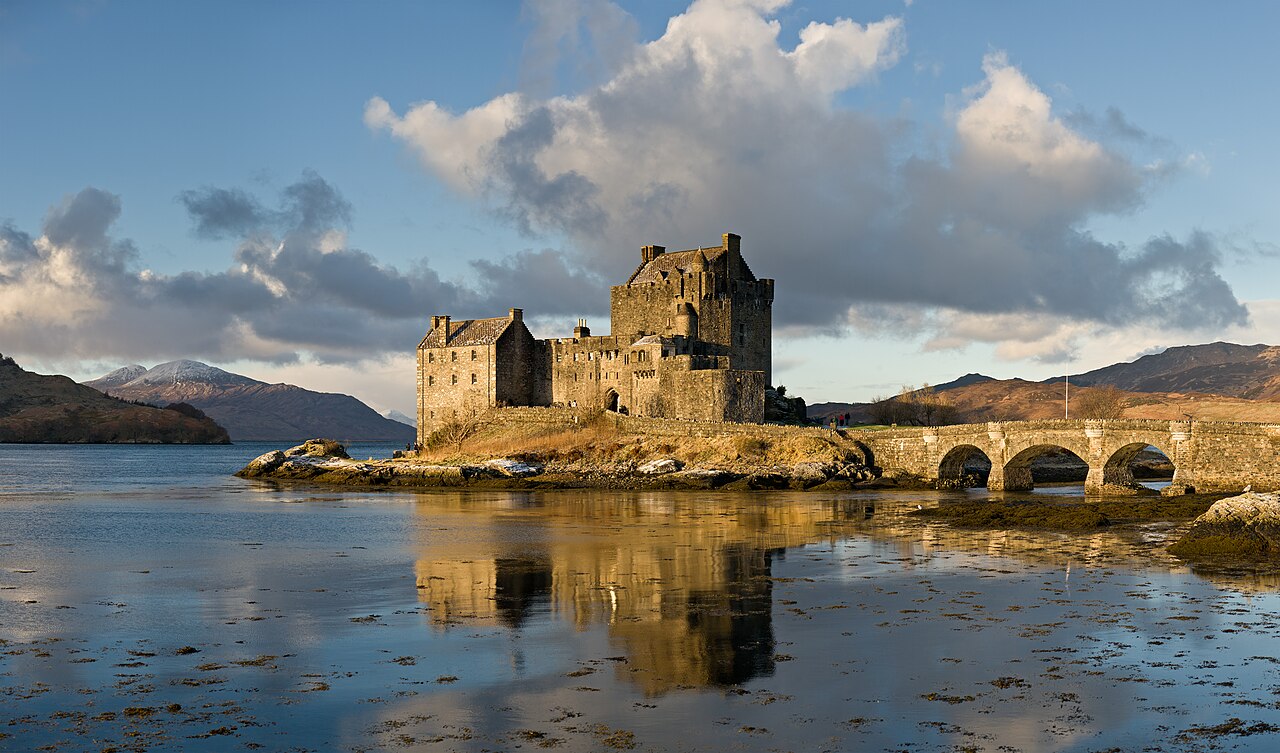
A water castle, also written as water-castle, is a type of fortification that uses a natural or man-made body of water as part of its defenses. It may be completely encircled by water-filled moats, making it a moated castle, or it may rely on natural water features, such as a river or offshore location, as in the case of island castles. The term originates from European castle studies, particularly the German field of *Burgenkunde*. Some views on this category hold that the water serves a purpose beyond simple defense. When a grand residence was built in such a setting, or when a *Wasserburg* was later converted into a residential manor, the German term changes to *Wasserschloss*, meaning "water palace" or "water manor."
According to Forde-Johnston, such a site is "a castle in which water plays a prominent part in the defenses." Beyond hindering attackers, a plentiful water supply was also beneficial during a siege. Topographically, these structures are a type of low-lying castle. They typically had a single entrance, reached by a drawbridge that could be raised for protection during an attack.
A further distinction exists between castles protected by artificial, water-filled moats or man-made ponds—moated castles—and those whose main defense comes from natural water bodies, such as river courses, or which stand on islands or peninsulas in natural marshland, ponds, lakes, or the sea. Island castles and marsh castles are examples of the latter.
In many parts of Central Europe, castles that were once fortified changed their function over time, becoming largely decorative and residential buildings. The characteristic moats thus lost their original security role but were sometimes kept as landscaping features. Today, in monument conservation, these moats are often seen as costly, burdensome "historic legacies" due to the water damage they cause to foundations. As a result, many moats around German castles have been drained, or more rarely filled, especially since the 1960s.
In Germany, the *Wasserburgroute*, or "Water Castle Route," has been established in the triangle formed by the cities of Aachen, Bonn, and Cologne, linking 120 castles and palaces.
- Field
- Castle studies / fortification typology
- Known for
- Castles that use natural or artificial water bodies as a primary defensive feature
- Origin of term
- European castle studies, mainly German Burgenkunde
- Alternative term
- Wasserschloss (German, for residential water castle)
Lore & Background
Forde-Johnston describes such a site as 'a castle in which water plays a prominent part in the defences.' Apart from hindering attackers, an abundant supply of water was also an advantage during a siege. Topographically, such structures are a type of low-lying castle. Such a castle usually had only one entrance, which was via a drawbridge and that could be raised for protection in the event of an attack. There is a further distinction between castles that are protected by artificial water-filled moats or man-made ponds, i.e. moated castles, and castles whose primary means of protection is from natural water bodies such as river courses, or which stand on islands or peninsulas in a natural marshland, pond, lake or sea. Island castles and marsh castles are such examples.
Reader's Guide
In many places in Central Europe castles that had formerly been fortified changed their role or were converted over the course of time so that they became largely representational and residential buildings. The characteristic moats thus lost their original security function, but were retained in some cases as an element of landscaping. Today, in monument conservation circles, they are often described as burdensome, cost-intensive 'historic legacies' because of the water damage caused to their foundations. As a result, many moats around castles in Germany have been drained, or more rarely filled, especially since the 1960s. In Germany, the Wasserburgroute or 'Water Castle Route' has been established in the triangle formed by the cities of Aachen, Bonn and Cologne which links 120 castles and palaces. Notable examples include Bodiam Castle in England, Trakai Island Castle in the Baltic, and Schwerin Castle in Germany.
Did You Know?
- The term 'water castle' comes from European castle studies, mainly German Burgenkunde.
- When a Wasserburg was later rebuilt as a residential manor, the German term becomes Wasserschloss, meaning 'water palace/manor'.
- In French, 'château d'eau' literally means 'water tower', not a water castle.
- In Germany, the Wasserburgroute links 120 castles and palaces in the triangle of Aachen, Bonn and Cologne.
Defining the Form and Its Defensive Logic
A water castle is a fortified structure that integrates a body of water—whether natural or man-made—directly into its defensive architecture. The concept, rooted primarily in European castle studies and the German field of Burgenkunde, encompasses a wide spectrum of designs. At one end, a castle might be fully encircled by water-filled moats, creating a moated castle. At the other, a structure might perch on an island within a river, a peninsula in a marsh, or even offshore in the sea, relying on the surrounding water as its primary barrier. Forde-Johnston characterized such sites as castles where water plays a prominent role in defences. Beyond simply blocking attackers, the abundant water supply offered a critical advantage during sieges. Topographically, these structures are classified as low-lying castles, and they typically featured a single entrance protected by a drawbridge that could be raised during an attack. Some scholars further note that water's role in these designs extended beyond pure military function into broader aesthetic and practical considerations.
From Fortress to Manor — The Shifting Identity
Over centuries, many water castles in Central Europe underwent a transformation from military strongholds into stately residences and representational buildings. When a Wasserburg was rebuilt or repurposed as a residential manor, the German terminology shifted to Wasserschloss, literally "water palace" or "water manor," reflecting the change in purpose. The characteristic moats that once served as vital security features gradually lost their defensive role. In some instances, they were retained purely as landscaping elements, contributing to the aesthetic appeal of the grounds. However, in modern monument conservation circles, these water features are frequently described as burdensome and cost-intensive "historic legacies" because the constant moisture causes significant damage to the structures' foundations. As a consequence, particularly since the 1960s, many moats surrounding castles in Germany have been drained, and in rarer cases, filled in entirely, as a practical measure to preserve the buildings themselves.
A Global Phenomenon — Geographic Reach and Diversity
Although the term originates in European castle studies, the principle of incorporating water into castle defences appears across a remarkably wide geographic range. In the Baltic region, Trakai Island Castle in Lithuania and Āraiši in Latvia exemplify island-based designs. Across Western Europe, examples span from Bodiam Castle and Leeds Castle in England to Château de Sully in France and Muiderslot in the Netherlands. The concept extends further east to Japan, where Imabari, Nakatsu, and Takamatsu castles all employ water in their defensive layouts, and to Indonesia, where the Taman Sari Water Castle stands as a notable example. In the Mediterranean, Bourtzi and Methoni Castle in Greece, and Belém Tower in Portugal, demonstrate the principle applied to coastal and riverine settings. Even in Turkey, Kızkalesi—known by Greek and Armenian names as well—perches on a rocky islet. This extraordinary diversity of locations and forms underscores that the water castle is not a regional curiosity but a recurring architectural response to the defensive and practical advantages water provides.
Language, Routes, and Cultural Memory
The terminology surrounding water castles reveals much about how different cultures conceptualize these structures. In German, the distinction between Wasserburg, emphasizing fortification, and Wasserschloss, emphasizing residential grandeur, captures a shift in purpose over time. In French, a linguistic quirk creates potential confusion: the phrase "château d'eau," which literally translates to "water castle," actually refers to a water tower, not a fortified residence. This highlights how the same words can carry entirely different meanings across languages. Beyond individual structures, collective cultural memory has been institutionalized in projects like the Wasserburgroute, or "Water Castle Route," established in the triangle between Aachen, Bonn, and Cologne in Germany. This route links 120 castles and palaces, creating a thematic journey through the region's water-defended heritage and ensuring that these structures remain part of the living cultural landscape rather than fading into obscurity.
Gallery
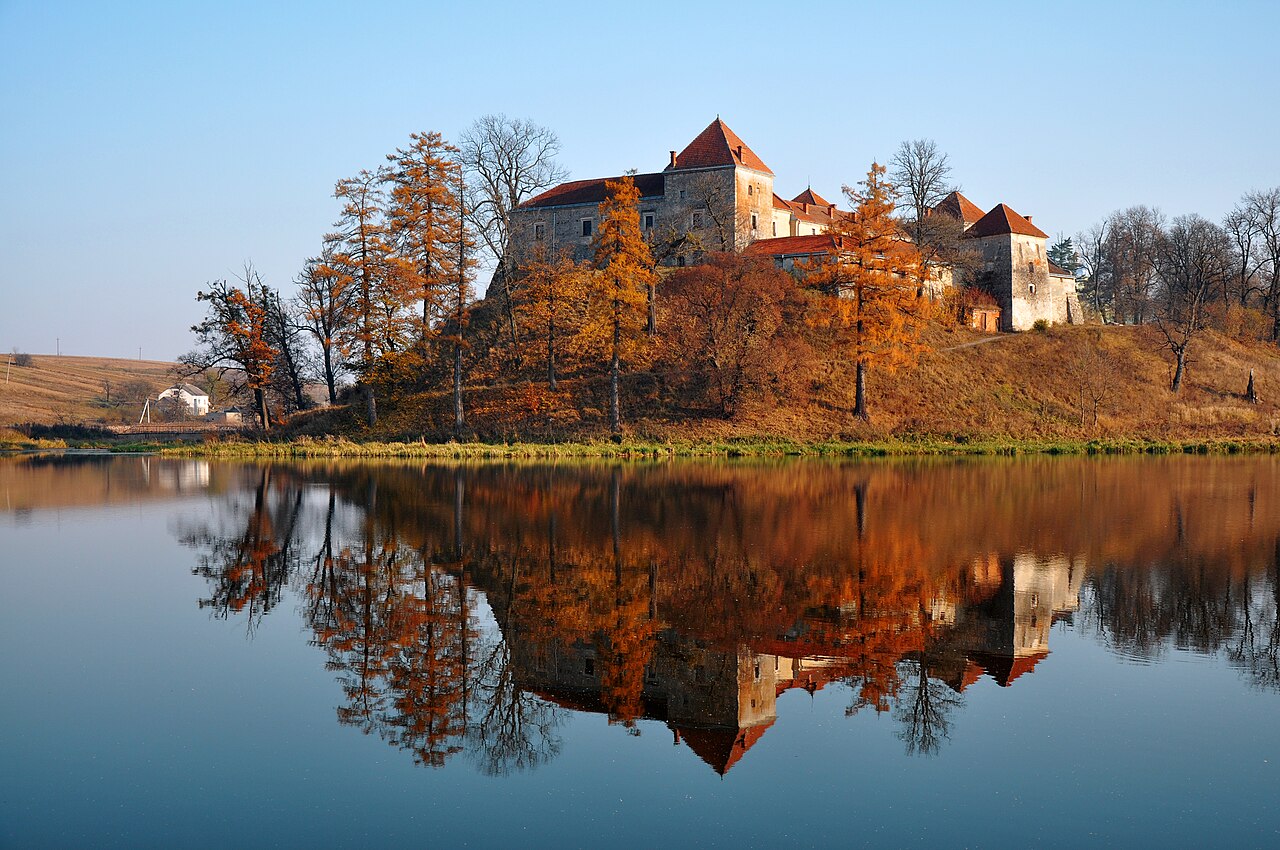
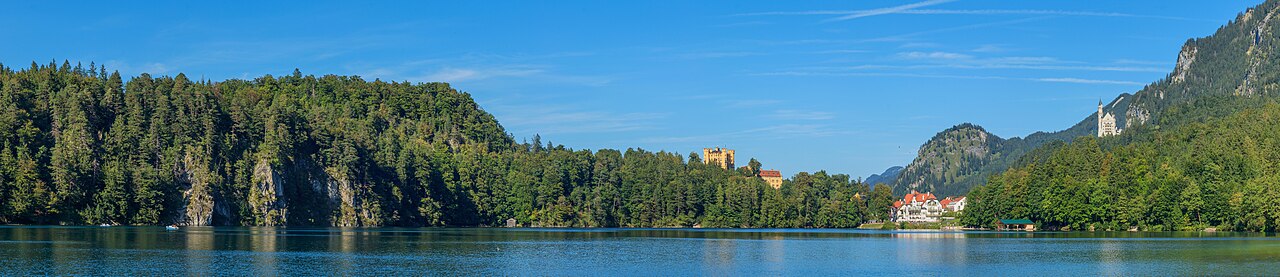
Frequently Asked Questions
What is a water castle?
A water castle is a fortification whose defensive design centers on a body of water, whether that water is a man-made moat, a river, a lake, or an offshore position. It is a recognized typological category in castle studies rather than a single named structure.
Where does the term 'water castle' come from?
The classification traces back to European castle scholarship, most closely associated with the German academic discipline of Burgenkunde. It was developed as a way to group fortifications by their reliance on aquatic features rather than by geography or era.
How does a water castle differ from a moated castle?
A moated castle is one specific subtype within the broader water-castle category. The wider term also covers structures that depend on rivers, lakes, or island positions for protection, so not every water castle actually has a moat.
What is a Wasserschloss?
It is the German term used specifically for a residential water castle—a grand aristocratic dwelling sited in a waterside setting rather than a purely military stronghold. The label highlights the living-space and status-display aspects of the building.
Why do scholars say water does more than defend in these castles?
Researchers in Burgenkunde point out that when an elite residence was built around or beside water, the aquatic setting also projected wealth, prestige, and symbolic power. The water thus functioned simultaneously as a practical barrier and a deliberate statement of the owner's rank.
More in Water castles 1-24
Spotted an error? Know more?
Reader corrections go straight into our review queue. Suggest an edit · How this site is sourced