Cannenburgh Castle
A 16th-century moated castle in Vaassen, Gelderland.

Gouwenaar · CC0
Cannenburgh Castle (Dutch: Kasteel De Cannenburgh) is a moated castle in Vaassen, Gelderland, Netherlands. Built in 1543 by Guelderian field marshal Maarten van Rossum on the ruins of an older castle, it remained in the D'Isendoorn à Blois family for over 300 years. The castle is notable for its well-preserved 16th-century Renaissance architecture and its role as a historical site now open to visitors.
Quick Facts
- Native Name
- Kasteel De Cannenburgh
- Location
- Vaassen, Gelderland
- Builder
- Maarten van Rossum
- Condition
- Good
- Open To Public
- Yes
- Controlled By
- Stichting Vrienden der Geldersche Kasteelen
Facts from the source article.
Lore & Background
Cannenburgh Castle was constructed in 1543 by Maarten van Rossum, a Guelderian field marshal, on the ruins of an older castle. After his death, his nephew Hendrik van Isendoorn inherited the property and oversaw its final completion. The castle remained in the D'Isendoorn à Blois family for over three centuries until the last widow died childless in 1881, threatening closure. In 1882, Eduard Baron van Lynden purchased the castle, and by 1905 it belonged to Mrs. Frida Cleve-Mollard from Berlin, whose husband Richard Cleve was the last private inhabitant. Following World War II, the Dutch government confiscated the castle and transferred it in 1951 to the Foundation of Friends of Guelderian Castles for one Dutch guilder. A restoration took place between 1975 and 1981, after which the castle reopened to visitors with completed antique furniture.
Reader's Guide
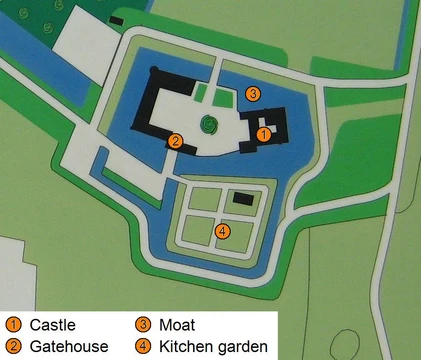
Cannenburgh Castle is significant as a well-preserved example of a 16th-century Renaissance moated castle in the Netherlands. Its rectangular floor plan, four corner towers (one with an onion dome), and a higher onion dome on the south facade are distinctive architectural features. The castle's interior includes representative rooms such as a hunting room, salon, dining room, and a boudoir in the northeastern tower, with fireplaces framed in Delft tiles. The first floor houses a large hall with oil paintings of important Gelderland families and a family tree, as well as a library called the Rode Kamer and a small chapel. Supplementary buildings include a former residence turned cultural center, a coach house now a restaurant, and a 15th-century watermill (not open to visitors). The 24-hectare park, with forests, meadows, ponds, and avenues, has been rearranged over centuries and now serves as a relaxation area. The castle's history reflects shifts from private noble ownership to state confiscation and eventual public stewardship, preserving its legacy for education and tourism.
Did You Know?
- The castle was built in 1543 on the ruins of an old castle by Guelderian field marshal Maarten van Rossum.
- After the last van Isendoorn widow died childless in 1881, the castle was bought by Eduard Baron van Lynden in 1882.
- The castle was transferred to the Foundation of Friends of Guelderian Castles in 1951 for the symbolic price of one Dutch guilder.
- The park covers 24 hectares and includes forests, meadows, flower gardens, ponds, canals, cascades, and avenues.
Origins and Three Centuries of Private Ownership
Built in 1543 by Maarten van Rossum, a Guelderian field marshal, Cannenburg Castle rose from the remnants of an older fortress on the same site. After Rossum's passing, his nephew Hendrik van Isendoorn took over and oversaw the final touches to the structure. For more than three centuries, the castle passed through successive generations of the D'Isendoorn à Blois family, making it one of the longest-held private residences in the region. That lineage ended in 1881 when the last surviving widow died without children, casting the property's future into serious doubt. The following year, however, Eduard Baron van Lynden stepped in as the new owner, averting what might have been permanent closure. In 1905, control shifted again to Mrs. Frida Cleve-Mollard of Berlin, whose husband Richard became the final private resident. Following the Second World War, the Dutch state seized the castle and in 1951 handed it over to the Foundation of Friends of Guelderian Castles for a symbolic single guilder, beginning its life as a publicly stewarded heritage site.
Renaissance Architecture and Interior Rooms
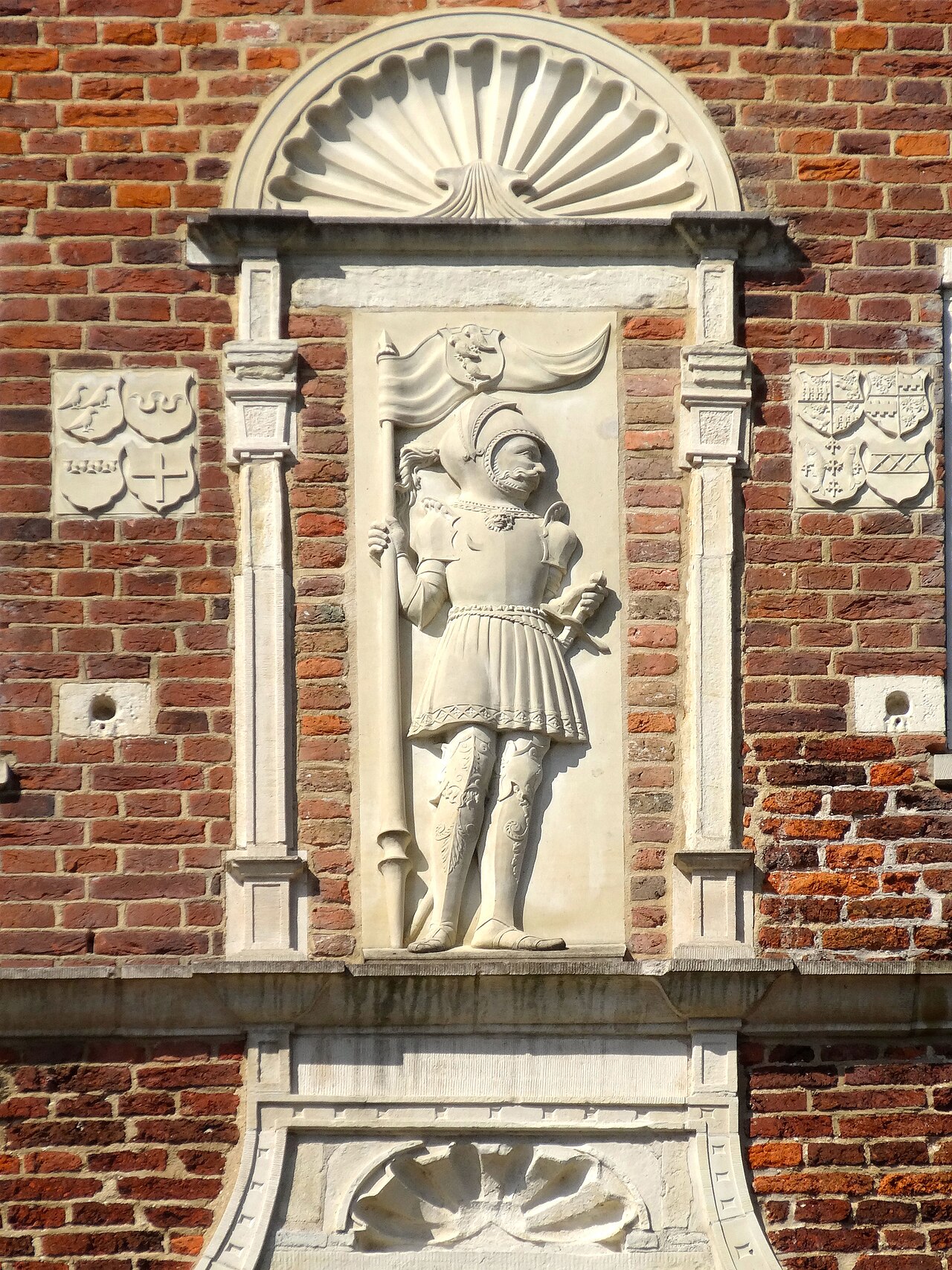
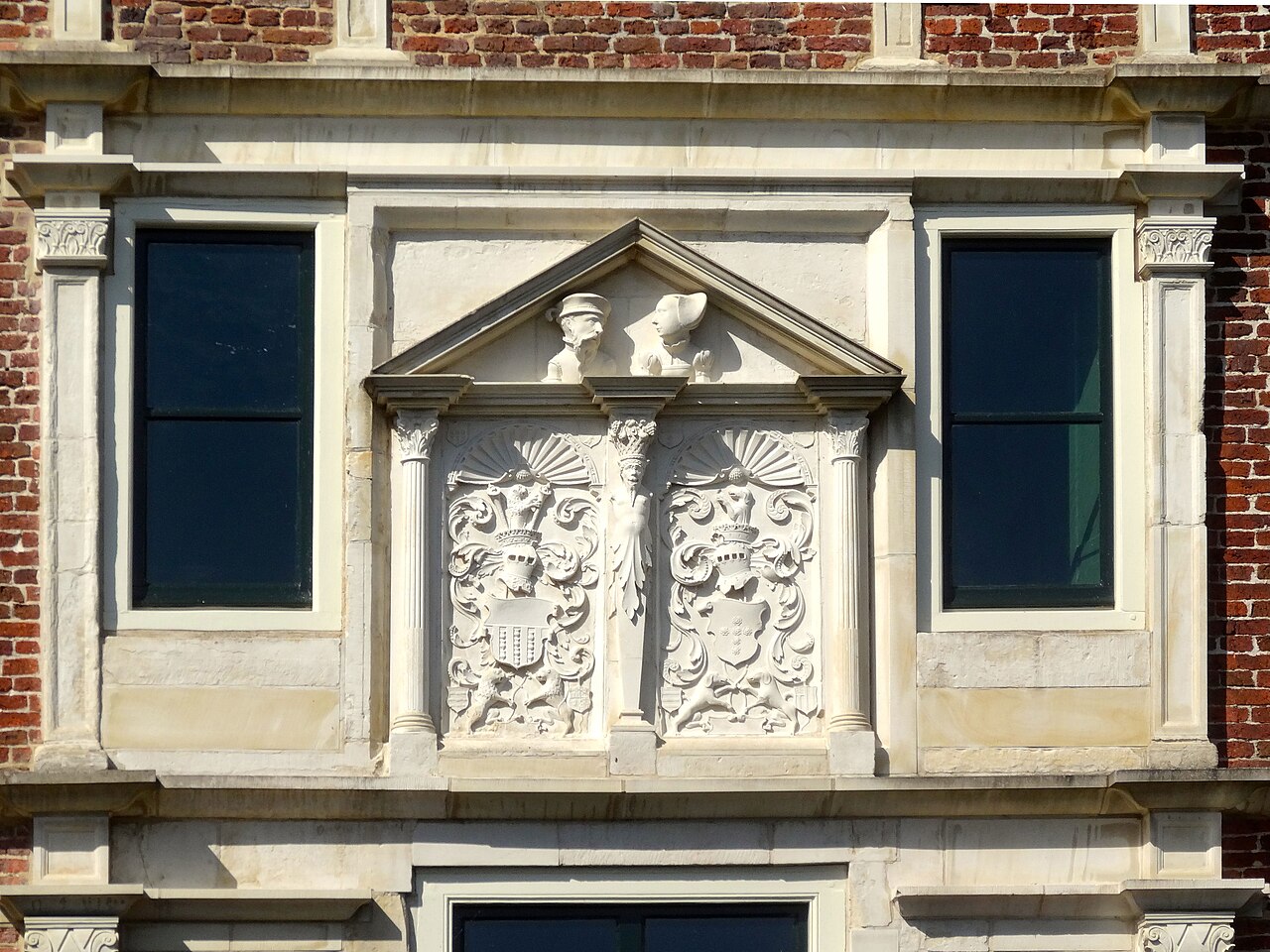
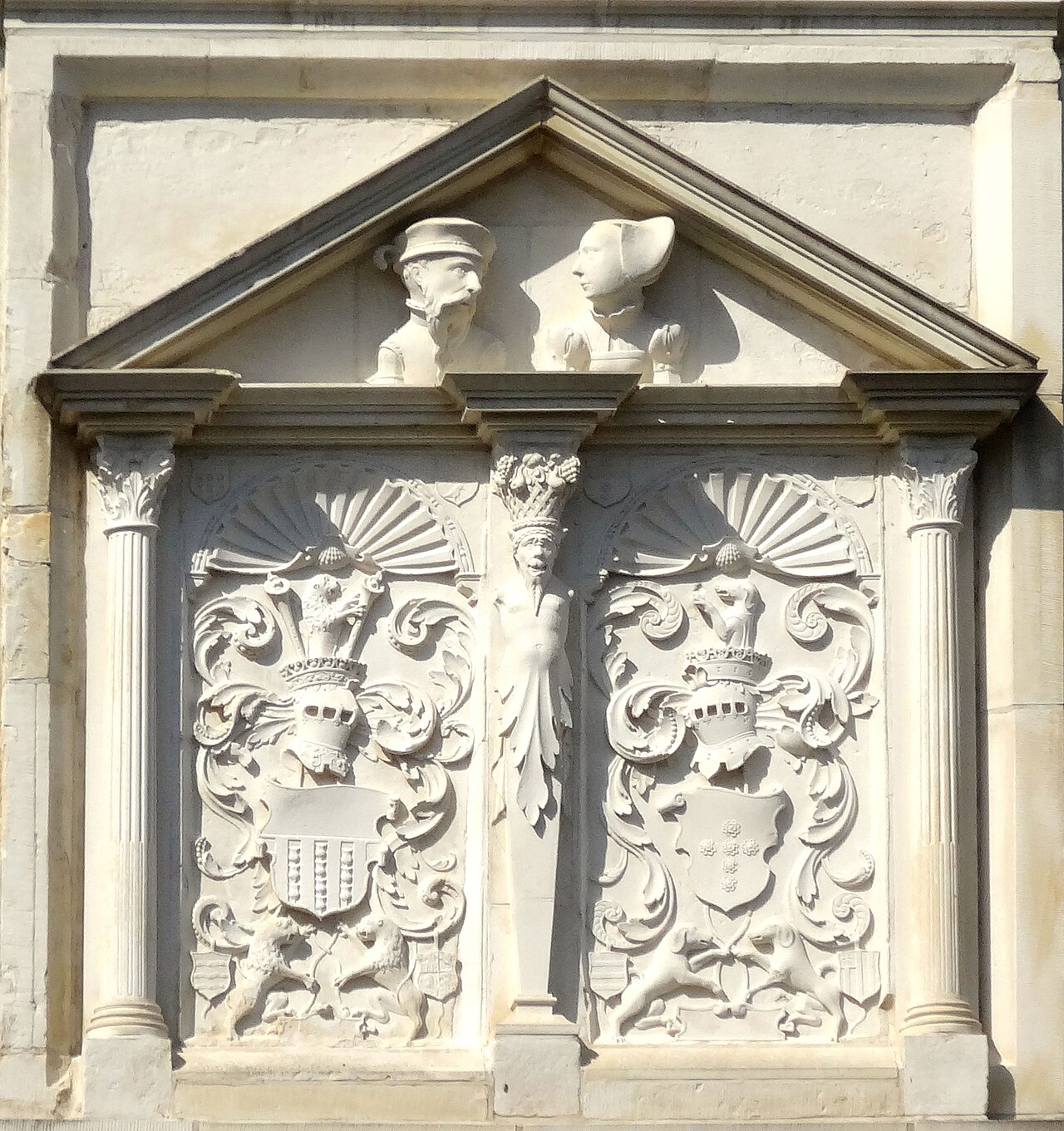
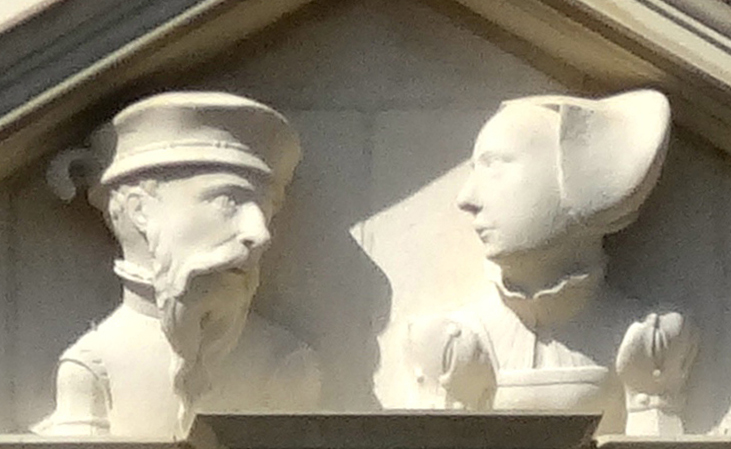
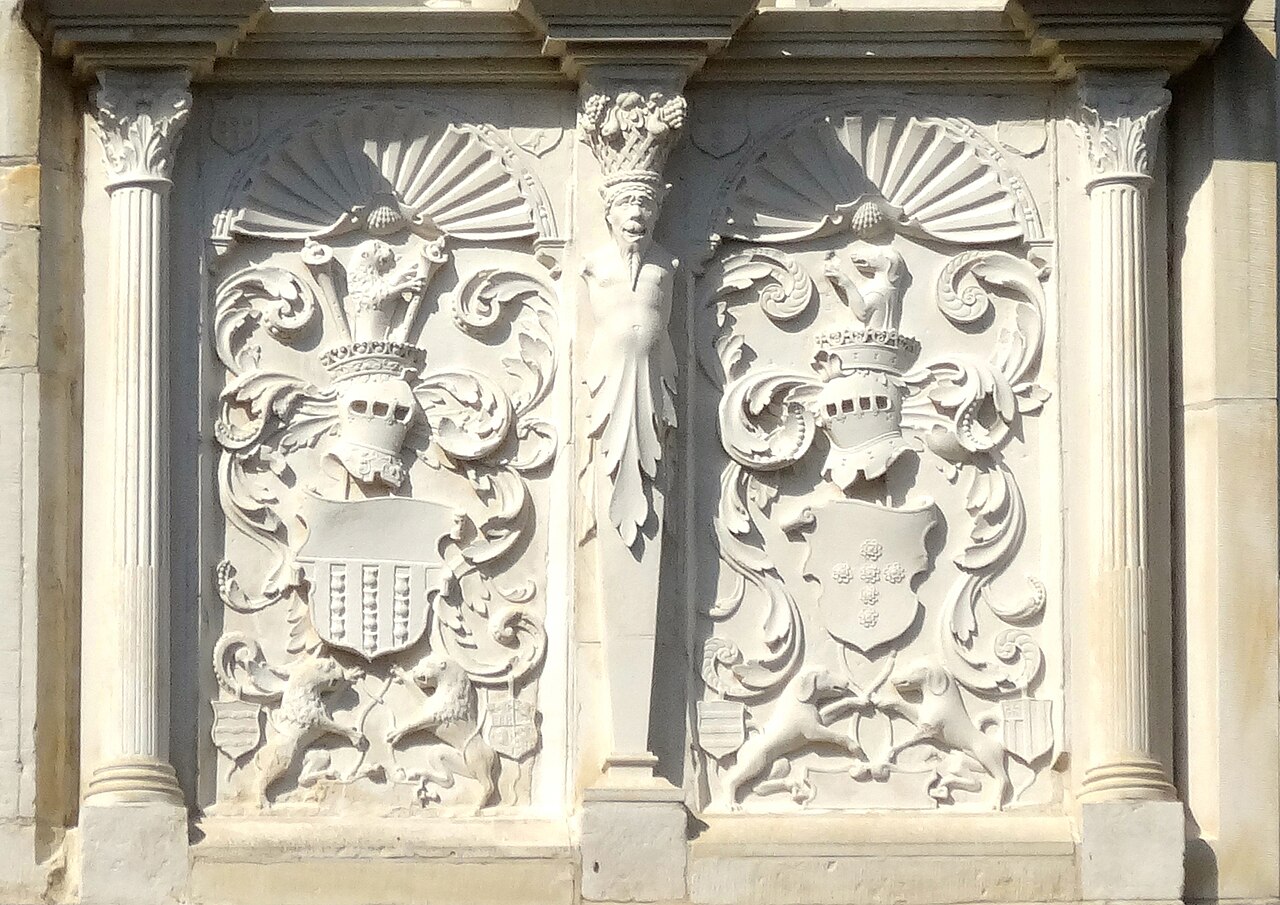
The castle's rectangular plan, with nearly square covered towers at all four corners, has remained largely unchanged since the sixteenth century. Renaissance elements pervade the complex, which is completely surrounded by water. A prominent onion dome crowns the south-facing facade, projecting well beyond the wall line, while the northeastern tower bears its own smaller dome. Above the entrance, a sandstone relief displays the coats of arms of Hendrik van Isendoorn and his wife Sophia Stommel, and a separate sculpture honors Maarten van Rossum. The entrance, once reached by a drawbridge over the moat, now crosses a permanent stone arch bridge. Inside, a narrow ground-floor terrace leads into a grand hall from which the principal rooms branch: a bright-walled hunting room called the White Chamber, a salon, a bedroom, and a dining room connected by a steep spiral staircase to the kitchen below. Delft-tile fireplaces warm several rooms, and a boudoir sits in the northeastern tower. Upstairs, a large hall features oil paintings of prominent Gelderland families and a family tree tracing descent from Elbert van Isendoorn à Blois and Maria Hadewig van Essen. The Rode Kamer, a study with red wallpaper, and a small chapel complete the first floor.
Restoration and the Castle's Public Life
After the Dutch government confiscated the castle following the Second World War, it was transferred in 1951 to the Foundation of Friends of Guelderian Castles for a symbolic single guilder. This marked the end of private ownership and the beginning of the castle's life as a publicly accessible heritage site. Between 1975 and 1981, a major restoration program was carried out, during which the antique furnishings were completed and the building was prepared for public viewing. Since reopening, the castle has served as a destination for visitors interested in Gelderland's architectural and social history. The surrounding supplementary buildings have also found new purposes: the long structure on the west side, once housing for employees and their families, now operates as a cultural center dedicated to the history of Cannenburg and the broader province. On the opposite east side, the former coach house continues to function as a restaurant under its original name, 't Koetshuis. To the northeast, a watermill dating from the fifteenth century still operates, though it now runs on a turbine rather than water power alone, and it remains closed to the public.
The Park and Its Living Landscape
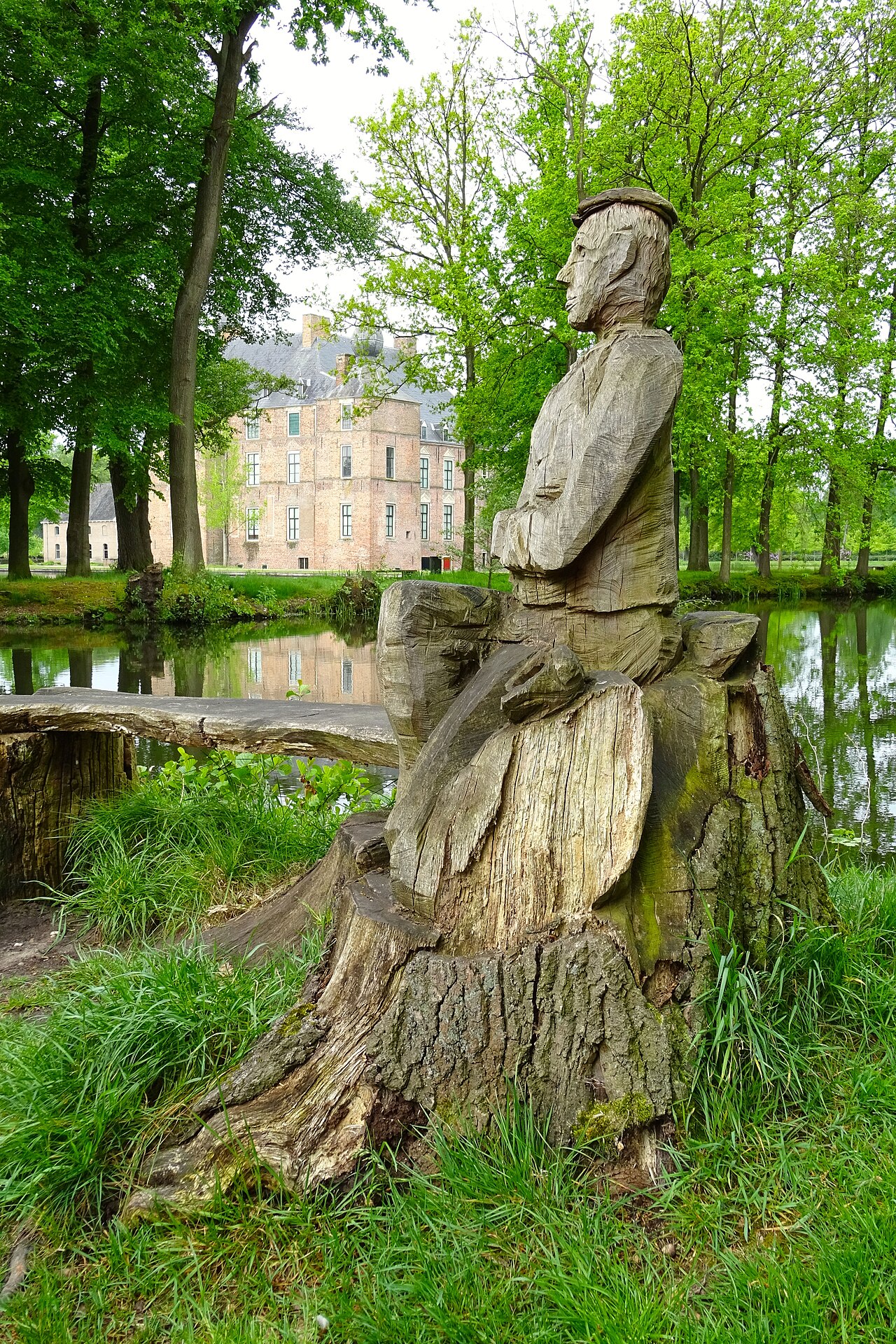
The total estate encompassing the castle, its outbuildings, and associated parkland stretches to 24 hectares. Over the centuries, successive owners have reshaped the grounds multiple times, and the landscape today is a layered composition of forests, open meadows, flower gardens, ponds, canals, cascades, and tree-lined avenues. The castle's owners were at various times actively engaged in the timber trade and fish farming, and certain sections were laid out as fruit and vegetable gardens to supply the household. Many of the trees scattered throughout the park are several hundred years old, giving the grounds a sense of deep continuity that few modern landscapes can match. In its present incarnation, the park serves as a place of relaxation and recreation for both local residents and visiting guests, offering a quiet counterpoint to the formal architecture of the castle itself. The interplay of cultivated gardens and wilder woodland, combined with the water features that echo the moat surrounding the main building, creates a cohesive setting in which the castle feels less like a monument and more like a living part of its natural surroundings.
Gallery
Frequently Asked Questions
What is Cannenburgh Castle?
Cannenburgh Castle is a moated castle located in Vaassen, Gelderland, in the Netherlands. It was erected in 1543 on the foundations of an older, earlier fortress.
Who built Cannenburgh Castle and in what year?
The castle was commissioned by Maarten van Rossum, a field marshal in the service of the Duchy of Guelders, and completed in 1543. He raised the new structure directly on the ruins of a pre-existing castle.
What architectural style does Cannenburgh Castle represent?
The building is a well-preserved example of 16th-century Renaissance architecture, with much of its original design still intact today.
Who has owned Cannenburgh Castle throughout its history?
For more than three centuries after its construction, the castle remained in the possession of the D'Isendoorn à Blois family. Since 1951, stewardship has passed to the Foundation of Friends of Guelderian Castles.
Can the public visit Cannenburgh Castle?
Yes, the castle is open to visitors as a historical site. Guests can walk through its Renaissance-era interiors and learn about its long Guelderian heritage.
More in Water castles 1-24
Spotted an error? Know more?
Reader corrections go straight into our review queue. Suggest an edit · How this site is sourced