Doornenburg Castle
A 13th-century Dutch castle, rebuilt after World War II.

Loek Tangel · CC BY-SA 4.0
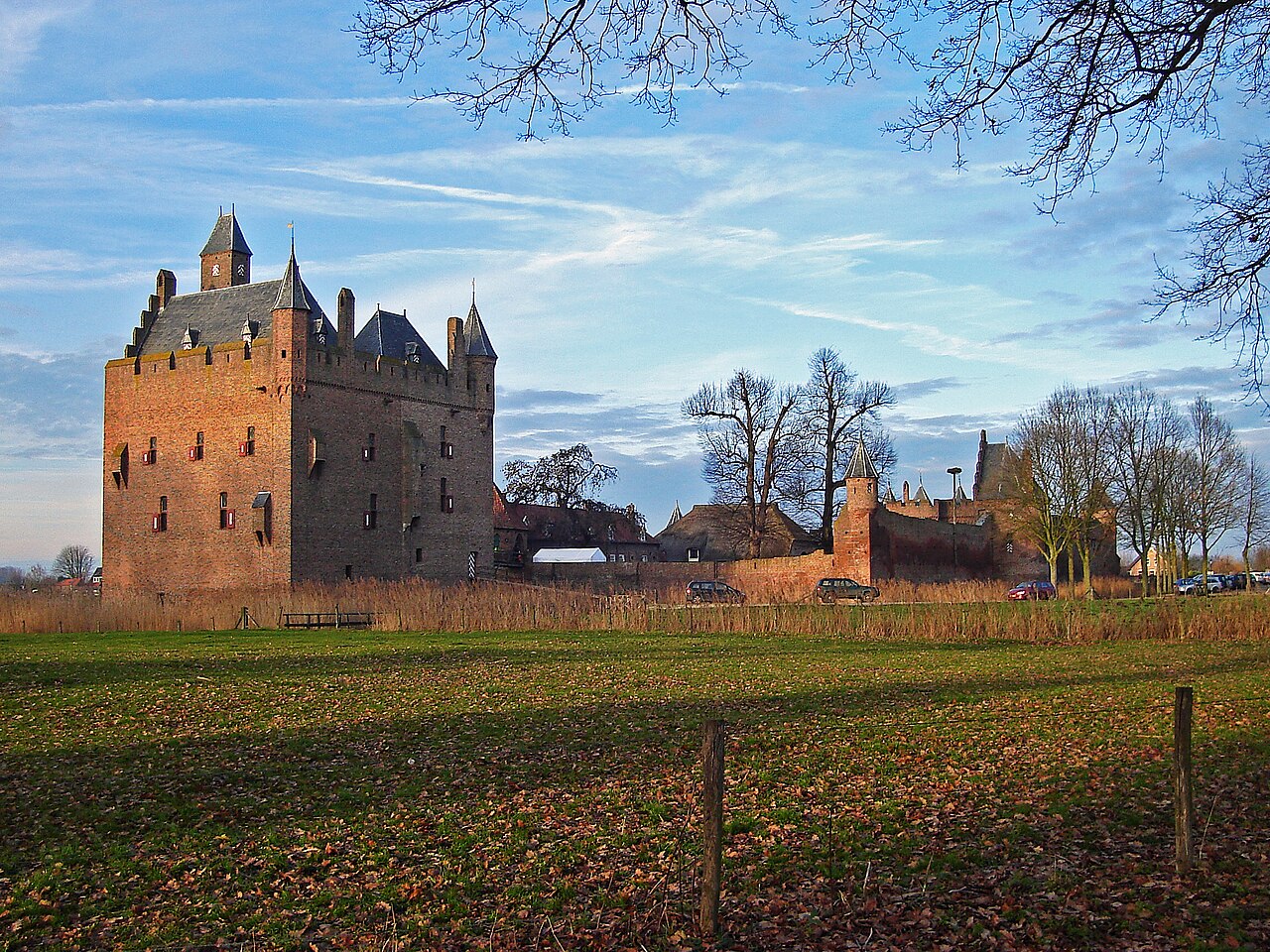
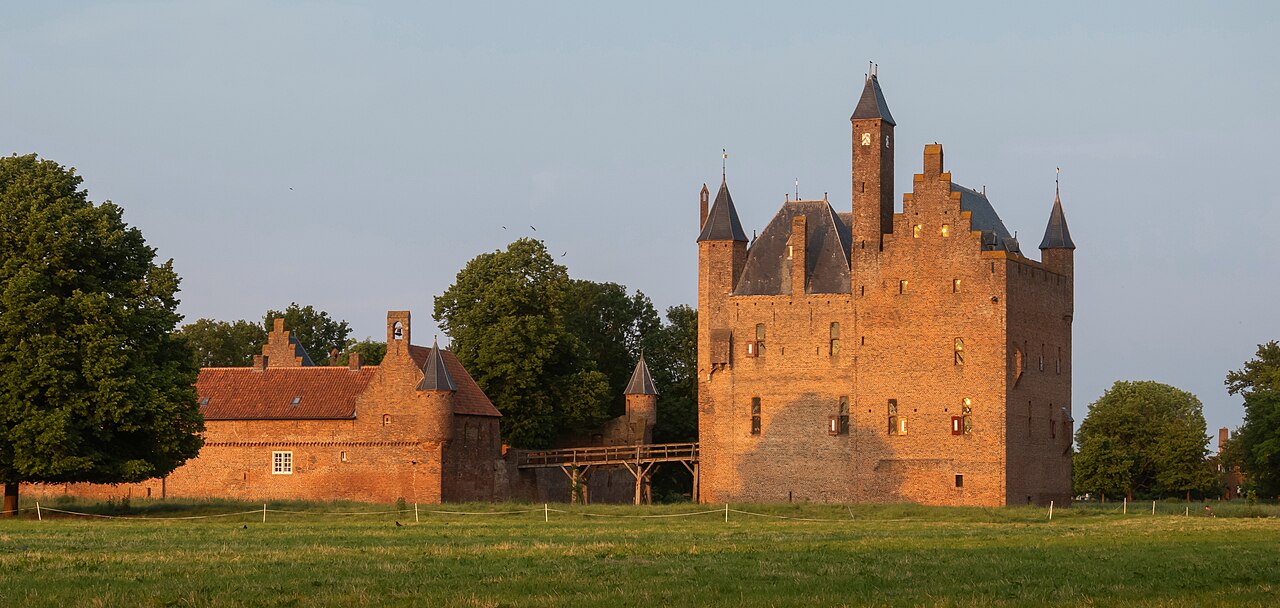
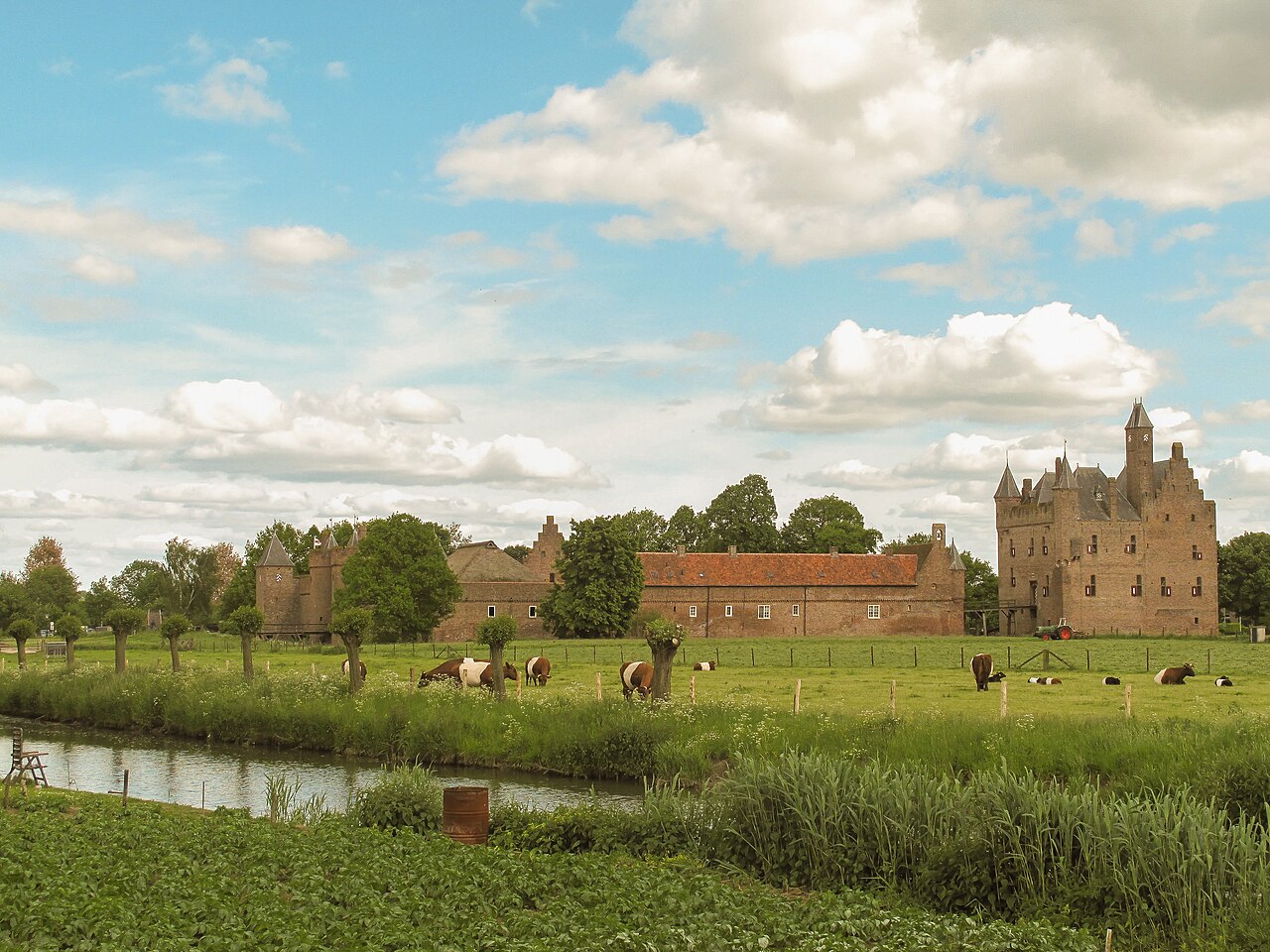
Doornenburg Castle is a Dutch castle originating from the 13th century, located in the eastern part of the province of Gelderland near the village of Doornenburg. It is one of the biggest and most well-preserved castles in the Netherlands, consisting of a main castle and a front castle connected by a small wooden bridge.
Quick Facts
- Native Name
- Kasteel Doornenburg
- Location
- Doornenburg, Gelderland, the Netherlands
- Materials
- Brick
- Demolished
- 1945 / Rebuild: 1936-1954
- Condition
- Good
- Open To Public
- Yes
Facts from the source article.
Lore & Background
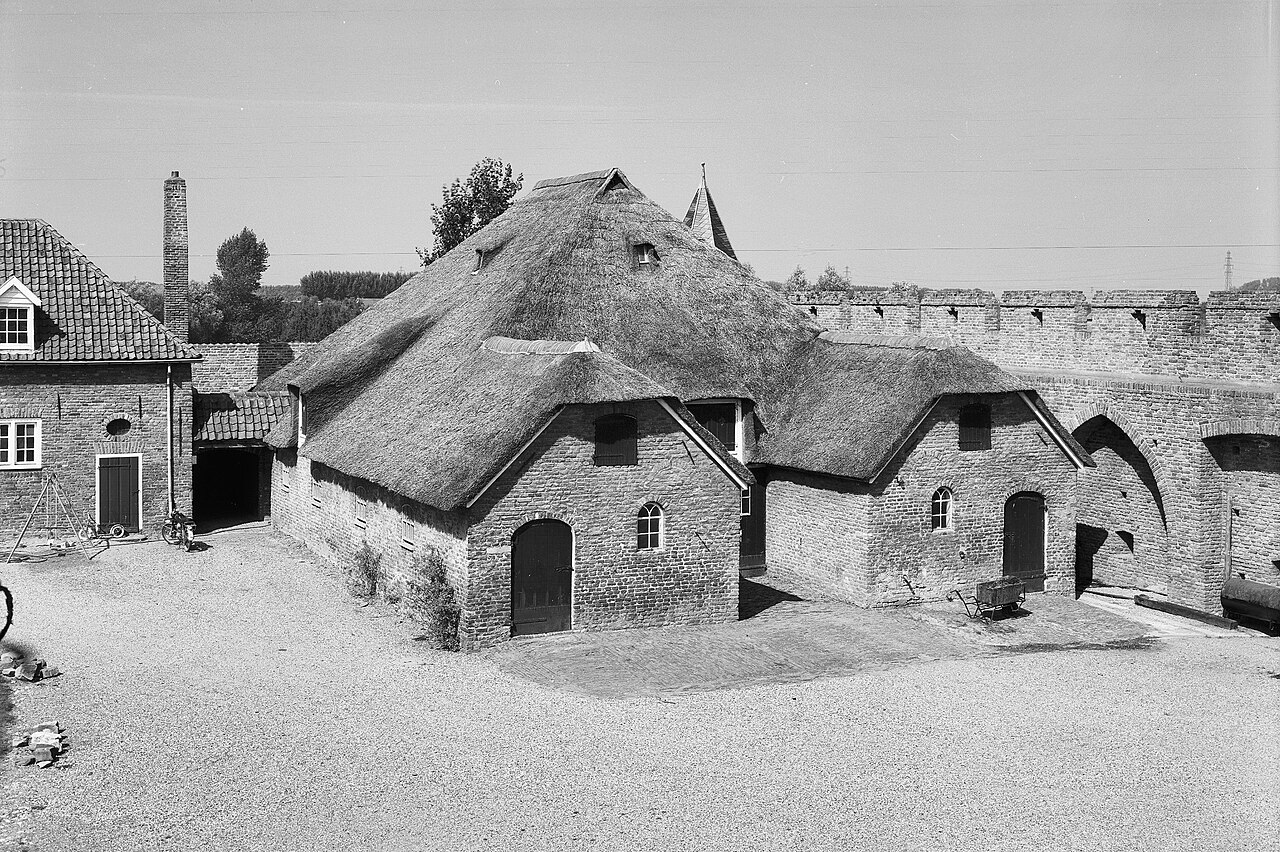
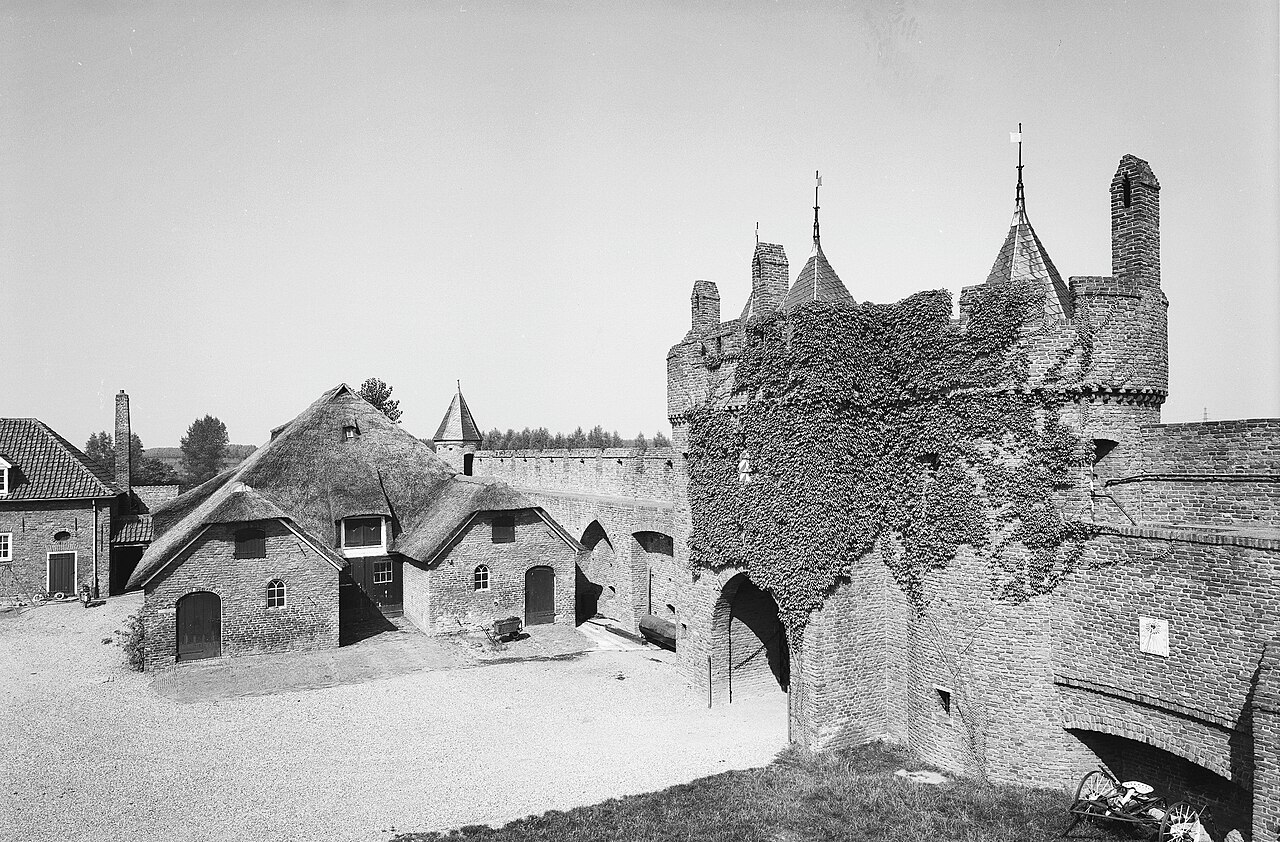
The castle began as a fortified manor in the 13th century, known from early records as Doornenburg. It was converted into a proper castle in the 13th century and gradually expanded over the centuries. The front castle, built in the 15th century, contains sleeping quarters, a chapel, and a farm—a feature shared with some other Dutch castles.
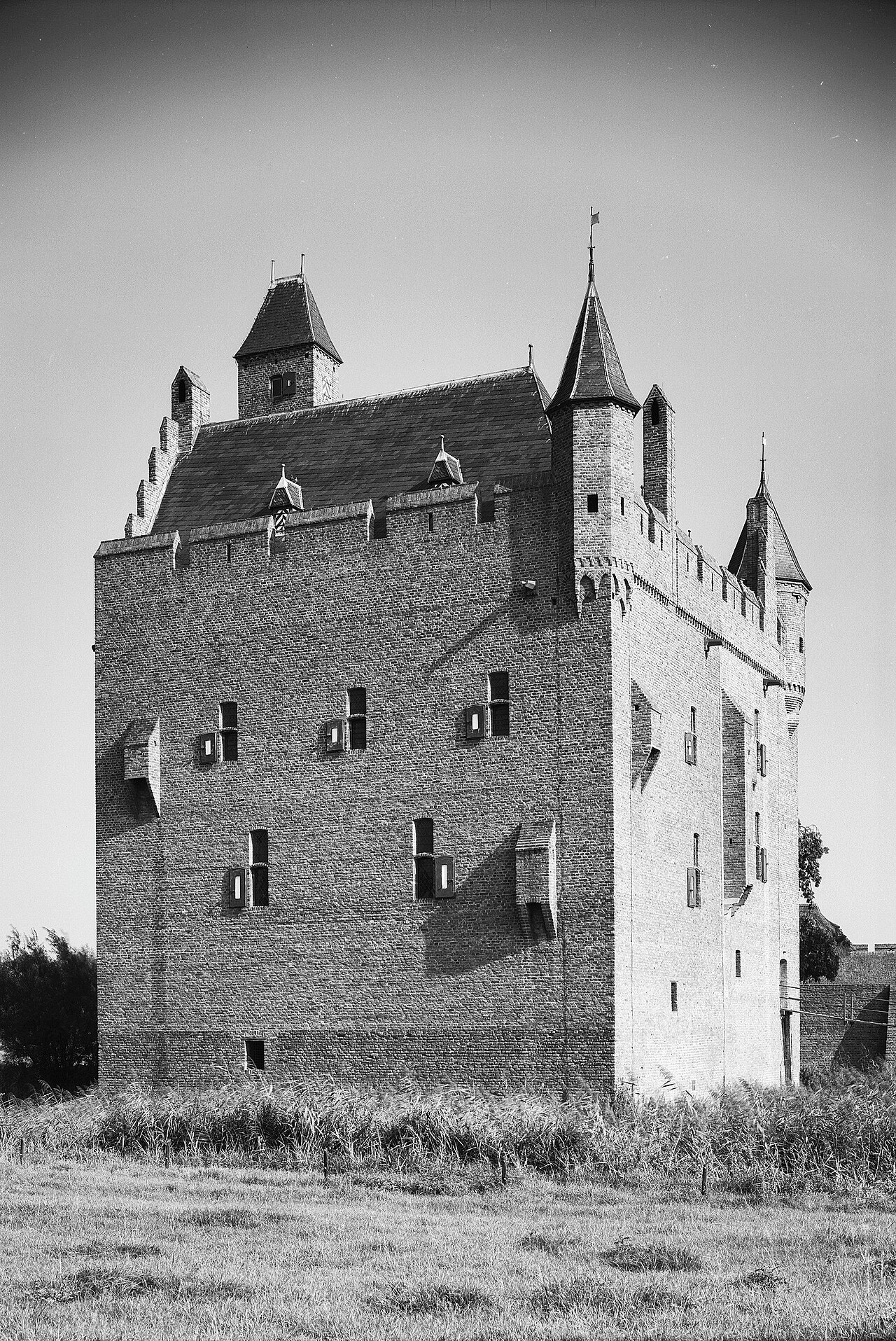
Castle Doornenburg was occupied until the 18th century, after which it fell into disrepair and became a ruin. In 1936, the Stichting tot Behoud van den Doornenburg was created, and the castle was restored between 1937 and 1941. By the end of the Second World War, it was almost completely destroyed—thought to have been blown up by Germans, but actually hit by a British bombardment in March 1945.
The castle was completely rebuilt between 1947 and 1968. In 1968, it was used as a set for the television series Floris.
Reader's Guide
Doornenburg Castle holds significance as one of the largest and best-preserved castles in the Netherlands, illustrating the evolution from a 9th-century fortified manor to a 13th-century castle and later expansions. Its front castle, with a farm, chapel, and sleeping quarters, offers a rare glimpse into medieval castle life. The castle's history of ruin, restoration, wartime destruction, and complete rebuilding highlights the challenges of preserving heritage through conflict. Its use as a set for the 1968 television series Floris underscores its cultural impact. The castle's story reflects both the fragility and resilience of historical monuments, and its preservation efforts—from the foundation created in 1936 to the post-war reconstruction—demonstrate a sustained commitment to heritage conservation.
Did You Know?
- The earliest known reference to Doornenburg is from the 13th century.
- The front castle, built in the 15th century, contains a farm, which is also found in some other Dutch castles.
- The castle was almost completely destroyed in March 1945 by a British bombardment, not by German forces as was thought.
From Manor to Fortress: A Nine-Century Evolution
The story of Doornenburg Castle stretches back far beyond its current medieval appearance. What we recognize today as a grand Dutch fortress actually began as a fortified manor in the ninth century, known at the time by the name Villa Dorenburc. For roughly four centuries, this early structure served its purpose as a rural stronghold before undergoing a fundamental transformation in the thirteenth century, when it was rebuilt and reconfigured into a proper castle. The evolution did not stop there. Over the following centuries, successive owners and occupants added new wings, rooms, and defensive features, slowly shaping the complex into its present-day configuration. A particularly significant addition came in the fifteenth century with the construction of the front castle, which introduced sleeping quarters, a chapel, and—remarkably for a Dutch fortress—a working farm. This gradual layering of architectural ambition across several hundred years gives the site a depth and complexity that few other castles in the region can match.
Architecture and Layout: Two Castles, One Bridge
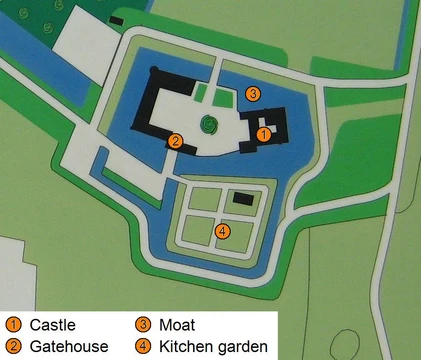
Situated in the eastern reaches of the province of Gelderland, just outside the small village that shares its name, Doornenburg Castle stands as one of the largest and best-preserved fortifications in all of the Netherlands. The complex is organized around two principal structures: the main castle and a separate front castle, linked together by a modest wooden bridge that gives the ensemble a distinctly layered, approachable character. The front castle, added in the fifteenth century, houses sleeping quarters and a chapel, but its most unusual element is a farm integrated into the castle grounds—a feature that sets it apart from virtually every other Dutch castle. The main castle, of course, carries the weight of the earlier medieval construction and the centuries of expansion that followed. Together, the two structures create a sprawling, multi-functional estate that speaks to both the martial and domestic ambitions of its medieval builders. Its size and completeness make it a natural point of comparison with neighboring fortifications such as Kinkelenburg Castle.
Ruin, War, and a Twenty-One-Year Rebirth
The castle remained actively occupied through the eighteenth century, after which it gradually slipped into neglect and deteriorated into a ruin. For nearly a century, the once-grand structure stood as a crumbling shadow of its former self. The turning point came in 1936, when a dedicated preservation society—the Stichting tot Behoud van den Doornenburg—was established with the explicit mission of saving the site. Restoration work began the following year and continued through 1941, breathing new life into the damaged stonework. Yet fate dealt a devastating blow just as the castle was finding its footing again. By the close of the Second World War, the structure was almost entirely destroyed. Popular memory long blamed the retreating German forces for demolishing it, but the true cause was a British bombardment in March 1945. The scale of the damage was so severe that a complete rebuild was necessary. Between 1947 and 1968, the castle was painstakingly reconstructed, a twenty-one-year effort that ultimately returned Doornenburg to the public as the imposing, well-preserved fortress it is today.
On Screen and in the National Imagination
Beyond its architectural and historical significance, Doornenburg Castle has carved out a place in Dutch popular culture. In 1968, just as the long reconstruction project was wrapping up, the castle was selected as a filming location for the television series Floris, alongside other sites. Appearing on screen in its freshly restored glory, the castle offered viewers a vivid, tangible sense of medieval life and reinforced its status as one of the country's most iconic fortifications. That television exposure helped cement the site's identity in the national imagination, transforming it from a regional curiosity into a nationally recognized landmark. Today, the castle continues to attract visitors who come to walk its grounds, cross the small wooden bridge connecting the two castle structures, and imagine the centuries of life that unfolded within its walls—from the ninth-century Villa Dorenburc to the fifteenth-century farmstead. Its inclusion in the broader catalog of notable Dutch castles, alongside neighbors like Kinkelenburg, underscores its enduring place in the country's architectural heritage and its continued relevance as a cultural touchstone in the province of Gelderland.
Gallery
Frequently Asked Questions
Who is Doornenburg Castle?
Doornenburg Castle is a 13th-century Dutch fortress perched in the eastern part of Gelderland province, just outside the village of Doornenburg. It is widely regarded as one of the largest and best-preserved castles in the entire Netherlands.
What are Doornenburg Castle's powers/role?
As a water castle, it functionsed as a layered defensive stronghold: a main keep paired with a separate front castle, the two joined by a small wooden bridge. This dual-structure layout let it project noble authority and military protection across the Gelderland region.
Why is Doornenburg Castle important?
Its documented origins trace back to the 13th century, and it remains one of the biggest and most intact castles in the country, making it a key reference point for Dutch medieval architecture. The distinctive main-castle-plus-front-castle arrangement linked by a wooden bridge sets it apart from many other Dutch fortifications.
Where exactly is Doornenburg Castle located?
It sits in the eastern portion of the province of Gelderland, in close proximity to the small village of Doornenburg. Its waterside setting is what places it squarely within the water-castle category.
More in Water castles 1-24
Spotted an error? Know more?
Reader corrections go straight into our review queue. Suggest an edit · How this site is sourced