Gradac, Metlika
Slovenian village known for its castle and Red Cross founding.

Gradac (pronounced [ˈɡɾaːdats]; German: Gradaz) sits in the Municipality of Metlika, within the White Carniola region of southeastern Slovenia, near the Croatian border along the Lahinja River. It belongs to the Southeast Slovenia Statistical Region. The village is most notable for its well-kept Gradac Castle.
The village has a railway station, a post office, several bars and cafes, and a small industrial park. In the past, many residents worked as craftspeople—stonemasons, locksmiths, wainwrights, wheelwrights, and potters—alongside farmers. An outdoor sports field for handball, basketball, and soccer stands next to the newer fire station, which was built in the 1980s. A small airport for gliders and light aircraft lies in nearby Prilozje; it was originally constructed during World War II by the Yugoslav Partisans for their own operations.
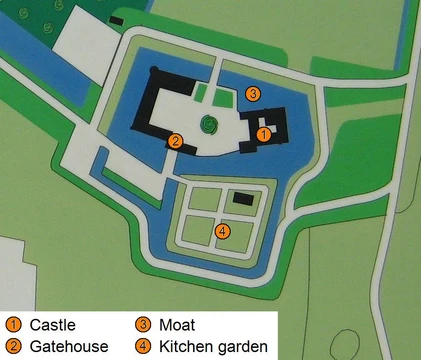
Gradac Castle is a moated castle situated on a bend of the Lahinja River and is listed as a national cultural heritage landmark. First mentioned in written records in 1228, the castle island is largely covered by a large, neglected Renaissance park that includes a garden, remnants of an alley, and the mausoleum of its last owner, a Zagreb businessman named Gusič. Plans exist to restore the castle and renew the park. The Municipality of Metlika repaired the castle’s roof in the late 1990s to slow decay, but talks with potential investors from Italy and Ireland fell through. Public discussion about the castle’s future intensified in 2006, around the time the Slovenian regional development program for southeast Slovenia was debated and just before regional elections. Since the summer of 2006, locals have run a fairly successful campaign to raise public awareness about the neglected castle and its potential as a hotel to boost tourism. Following these local efforts, the Metlika municipal authorities and the Ministry of Culture in Ljubljana became more involved, and there are plans to turn the castle into a hotel. In March 2009, MP Renata Brunskole, also mayor of Metlika, asked Culture Minister Majda Širca about government plans for the castle; while the minister’s reply was not encouraging, the Ministry of Internal Affairs included the castle in the Invest in Slovene Tourism project.
During World War II, the Slovenian Red Cross was founded in 1944 in Ljubljana, not in Gradac.
Quick Facts
- Official Name
- Gradac
- Population As Of
- 2002
- Population Total
- 419
Facts from the source article.
Lore & Background
Gradac Castle, a moated castle on a curve of the Lahinja River, was first documented in 1228. The castle island features a neglected Renaissance park with a garden, alley remnants, and the mausoleum of its last owner, Gusič, a businessman from Zagreb. The Municipality of Metlika repaired the castle roof in the late 1990s, but talks with Italian and Irish investors failed. Public discussion intensified in 2006, and locals began a campaign to promote the castle as a hotel. In March 2009, MP Renata Brunskole questioned the Minister of Culture about government plans; the ministry of internal affairs later included the castle in the Invest in Slovene Tourism project.
Reader's Guide
Gradac's significance lies in its layered history as a medieval settlement with a nationally protected castle and as a site of wartime humanitarian and military activity. The castle, first mentioned in 1228, represents a tangible link to Slovenia's feudal past, while its current state of neglect and ongoing restoration efforts highlight challenges in heritage preservation. The village's role in World War II—hosting a Partisan officer school and the founding of the Slovenian Red Cross—underscores its contribution to the resistance and medical aid networks. The 1945 bombing illustrates the war's direct impact on civilian life. Today, Gradac balances its historical identity with modern infrastructure, including a railway station, sports fields, and a wastewater treatment facility. The community's campaign to transform the castle into a hotel reflects broader regional development goals, though investor interest has been inconsistent. The village's cultural heritage, including several listed buildings, offers a microcosm of Slovenian rural history and the interplay between preservation and progress.
Did You Know?
- Gradac Castle was first mentioned in written documents in 1228.
- The Slovenian Red Cross was founded in Gradac on 18 June 1944.
- Gradac was bombed on 30 January 1945 by six or seven German aircraft, killing five people.
- The nearby Prilozje airfield was originally built during World War II for allied aircraft to evacuate wounded and deliver humanitarian aid.
Frequently Asked Questions
Who is Gradac, Metlika?
Gradac is a small village in southeastern Slovenia's White Carniola region, nestled along the Lahinja River close to the Croatian border. It falls within the Municipality of Metlika and is best recognized as the home of the well-preserved Gradac Castle.
What are Gradac, Metlika's powers/role?
Gradac's defining role in the water-castle canon is that of a medieval river stronghold first documented in 1228, anchoring local authority along the Lahinja. The surrounding community was historically driven by skilled trades—stonemasons, potters, wheelwrights, and locksmiths—giving the village a strong craft-centered identity.
Why is Gradac, Metlika important?
Beyond its beautifully maintained castle, Gradac is tied to the founding of the Red Cross, a fact that elevates its place in Slovenian memory. Its position along the Lahinja River near the Croatian border also made it a strategically relevant point in the region's history.
What era does Gradac, Metlika belong to?
Gradac's narrative is rooted in the Medieval period, with the castle first appearing in written records in 1228. Its later history stretches through the World War II years (1944–1945), spanning roughly eight centuries of continuous local life.
More in Water castles 1-24
Spotted an error? Know more?
Reader corrections go straight into our review queue. Suggest an edit · How this site is sourced