Egeskov Castle
Denmark’s best preserved Renaissance water castle.

pedrik · CC BY 2.0
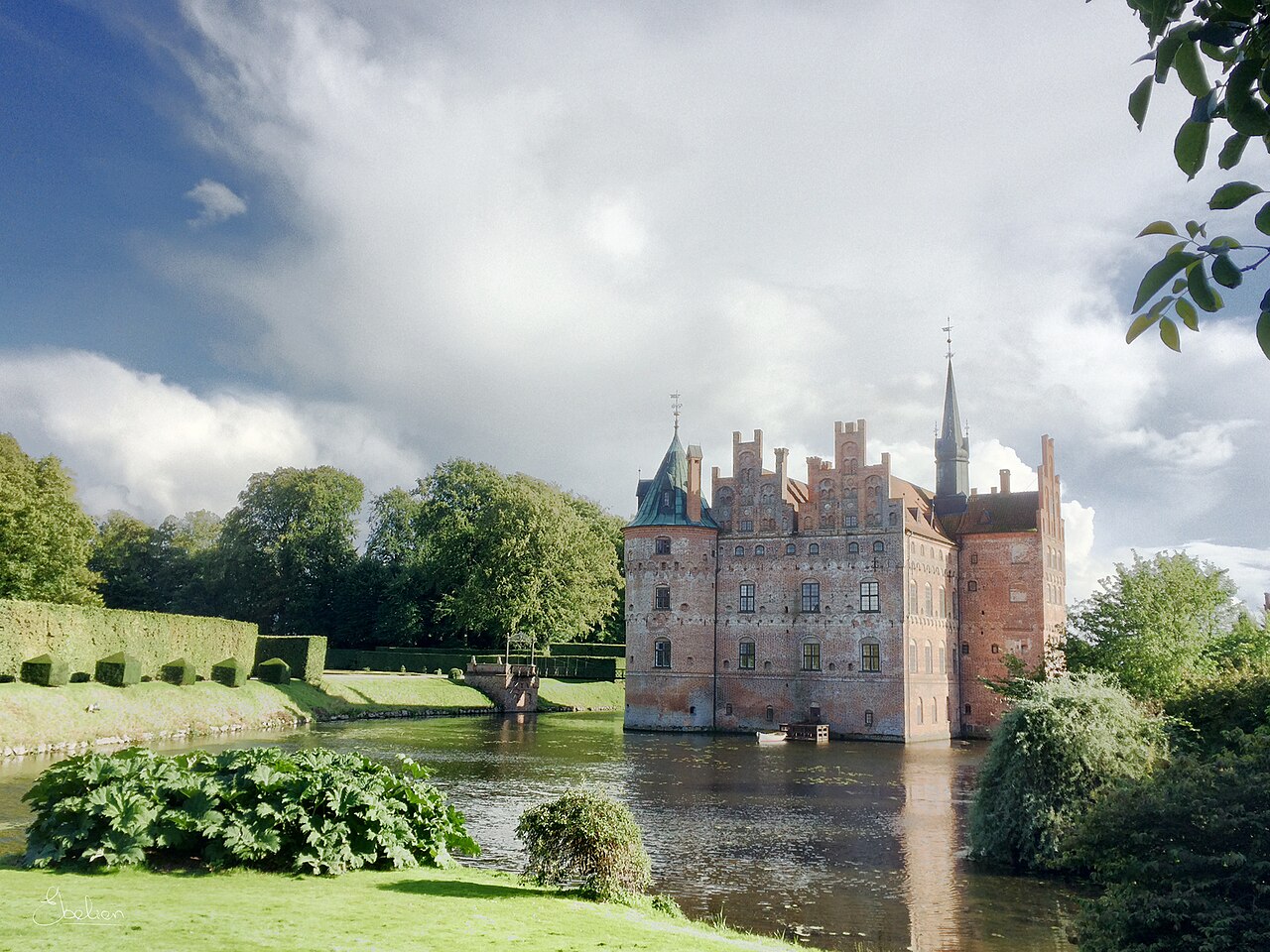
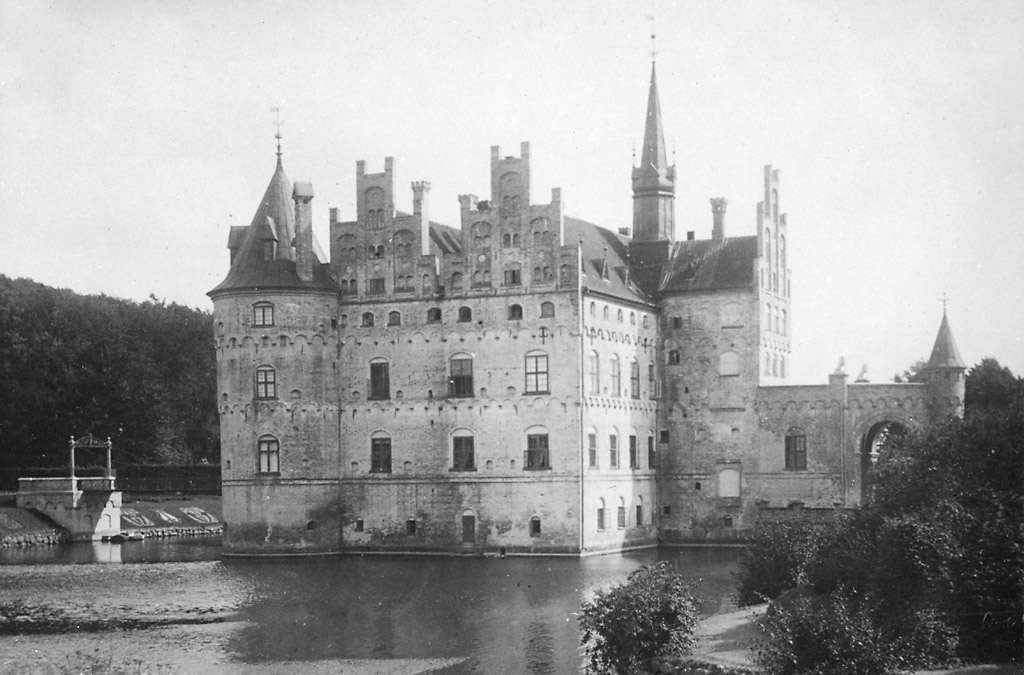
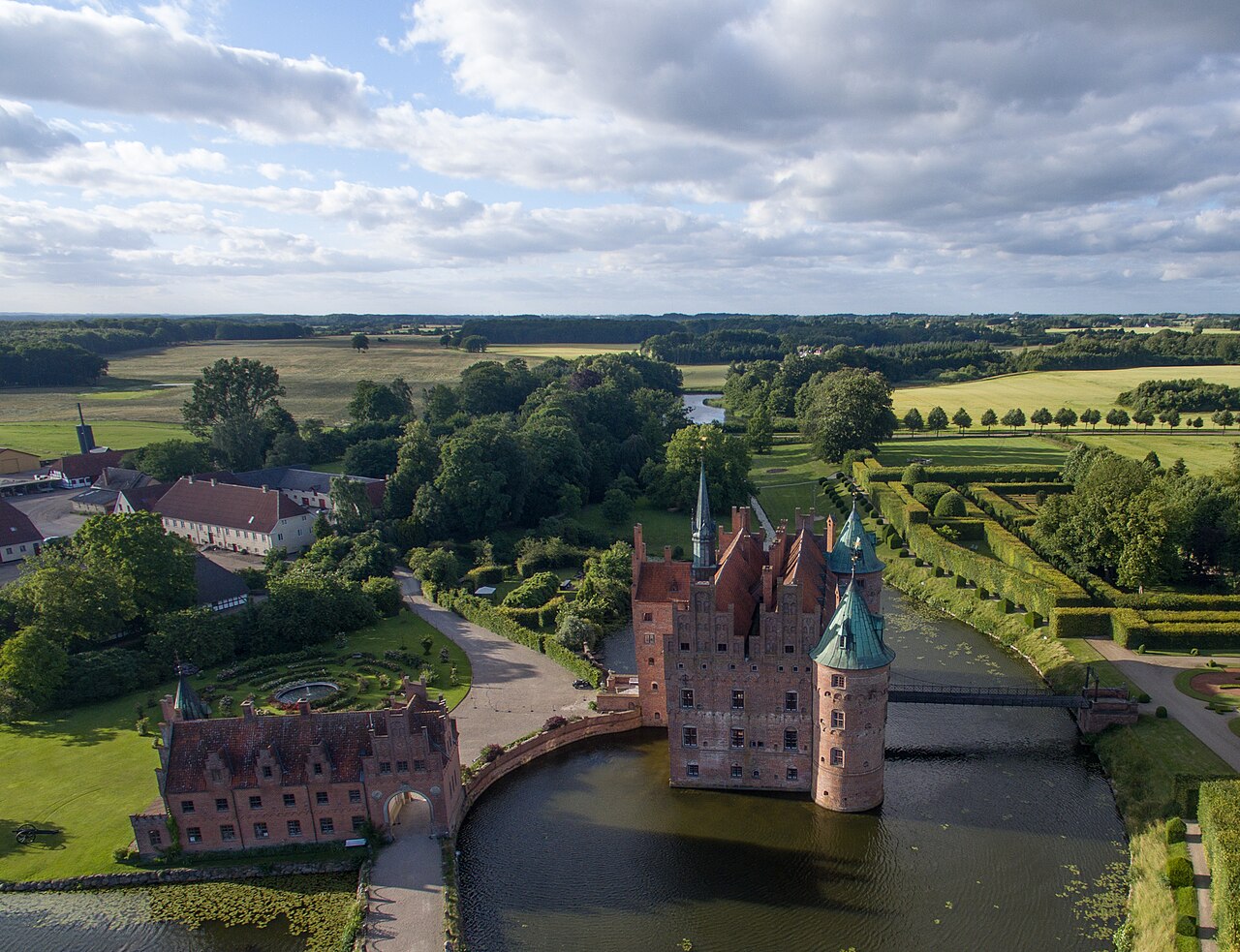
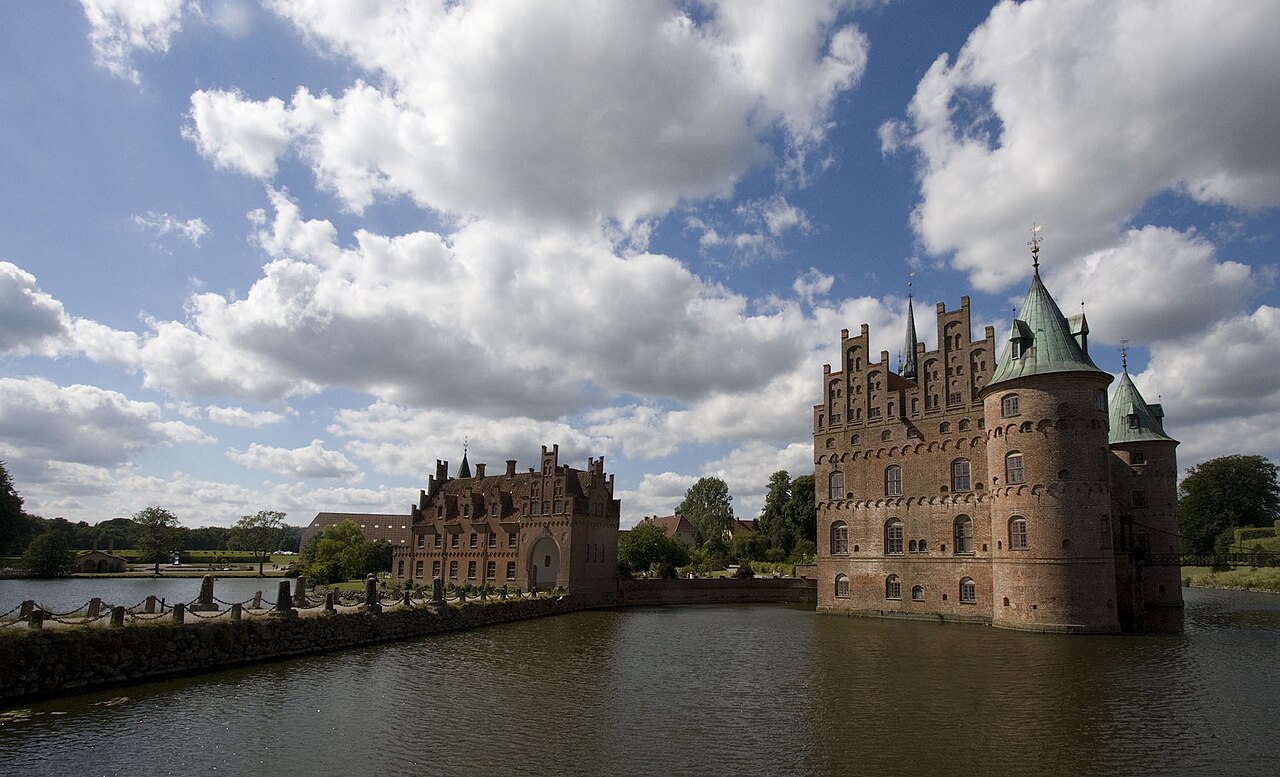
Egeskov Castle is a Renaissance water castle located near Kværndrup in the south of the island of Funen, Denmark. It is Denmark’s best preserved Renaissance water castle, first mentioned in 1405 and erected in 1554 by Frands Brockenhuus. The castle was built as a fortified home during the turbulent period following the Protestant Reformation, and it is constructed on oaken piles in a small lake with a maximum depth of 5 meters.
Quick Facts
- Native Name
- Egeskov Slot
- Building Type
- Water castle
- Completion Date
- 1554
- Location Country
- Denmark
Facts from the source article.
Lore & Background
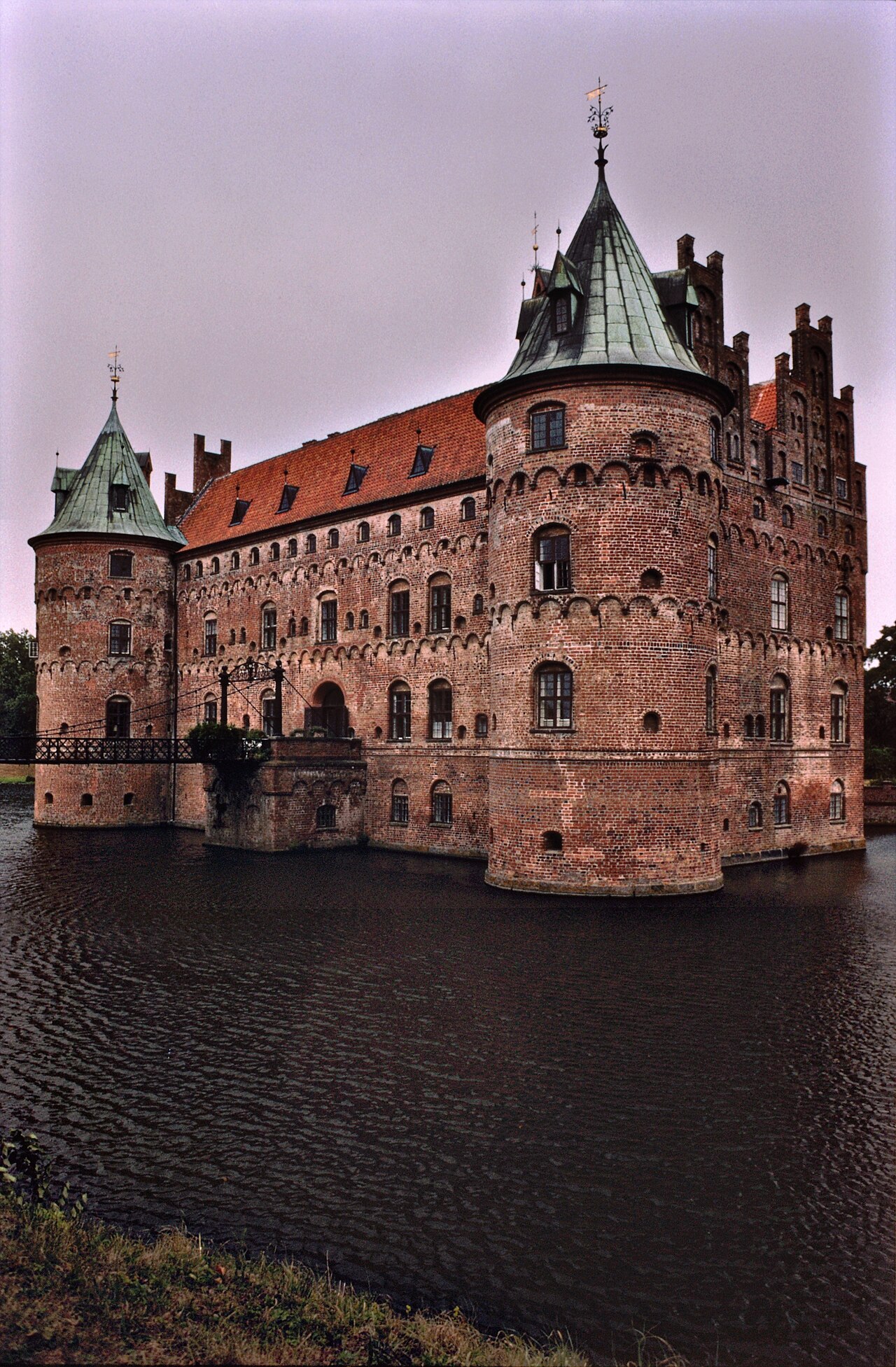
Egeskov Castle was first mentioned in 1405, but the current structure was erected by Frands Brockenhuus in 1554. The castle was built as a fortification in the wake of the Protestant Reformation, though contrary to some claims, it was not a response to the Count's Feud, which had ended nearly two decades earlier. It is constructed on oaken piles in a small lake, and legend says an entire forest of oak trees was used for the foundation, giving the castle its name, Egeskov (oak forest). Originally, the only access was by a drawbridge.
The castle consists of two long buildings connected by a thick double wall over one meter thick, containing secret staircases and a well. Defenders could abandon one house and continue fighting from the other. The round corner towers allowed flank attacks, and medieval defenses include artillery ports, scalding holes, and arrow slits. The bricks are oversized medieval 'monks bricks,' and the conical towers are built in separate panels. Inside, the castle features early indoor plumbing with vertical shafts for waste, and a water well accessed from the servants kitchen in the east house.
The estate was inherited by the counts Ahlefeldt-Laurvig-Bille in 1882, who still own it today. The castle contains a massive iron chest from at least the 16th century, originally from Hvedholm Castle, and numerous oil paintings, including a large painting of Niels Juel, who defeated the Swedish force in the Battle of Køge Bay in 1677.
Reader's Guide
Egeskov Castle is significant as Denmark’s best preserved Renaissance water castle, illustrating the defensive architecture of the 16th century during a period of civil war and religious upheaval. Its construction on oaken piles in a lake, with a double wall and secret passages, exemplifies the fortified homes built by Danish noblemen. The castle’s survival and continued ownership by the Ahlefeldt-Laurvig-Bille family since 1882 highlight its enduring legacy. The surrounding park, covering 20 hectares, includes a renaissance garden, a fuchsia garden with 104 species, and four hedge mazes, including the world’s largest bamboo maze. The estate also hosts museums with vintage automobiles, motorcycles, agricultural history, flying vehicles, and Falck emergency vehicles. In 1986, a full-sized replica was built in Hokkaidō, Japan, to hold an aquarium, with permission from the owners. Egeskov remains a major historical and tourist attraction, preserving Danish Renaissance architecture and cultural heritage.
Did You Know?
- The double wall is over one meter thick and contains secret staircases and a well.
- A full-sized replica of the castle was built in Hokkaidō, Japan, in 1992 to house a museum.
Origins & Fortification
Nestled near Kværndrup on the southern reaches of Funen, Denmark, Egeskov Castle stands as the country's finest surviving example of a Renaissance water fortress. Though the estate first appears in written records in 1405, the structure we see today was raised in 1554 by Frands Brockenhuus. The turbulent era surrounding its construction—the Count's Feud, widespread civil unrest, and the upheaval of the Protestant Reformation—drove Danish nobility to build their residences as defensive strongholds. Egeskov embodies that impulse: it rests on oaken piles driven into a small lake reaching five metres at its deepest point, and was originally reachable only across a drawbridge. Local legend holds that an entire oak forest was felled to supply the timber for the foundation, giving the castle its name, Egeskov, meaning 'oak forest.' The result is a structure that fuses medieval siegecraft with the aesthetic sensibilities of the Renaissance, preserved in remarkable condition to this day.
Architectural Defenses & Design
From the outside, Egeskov presents a Late Gothic silhouette, yet step inside and Renaissance detailing emerges in the original fabric. The castle's defensive genius lies in its layout: two elongated wings are joined by a double wall exceeding one metre in thickness. This barrier was no mere partition—it housed secret staircases and a water well, and allowed garrisoned defenders to retreat from one wing while continuing resistance from the other. Two round corner towers enabled flanking fire on attackers, while artillery ports, scalding holes, and narrow arrow slits provided layered medieval defence. The walls are built from oversized medieval bricks sometimes called 'monks bricks,' and the conical towers are assembled from a series of separate panels. Depressed and round-arched windows, blank arcading in the gables, and a double string course between cellar and ground floor add decorative refinement. Remarkably, the structure incorporates some of Europe's earliest indoor plumbing, with vertical waste shafts. In the great rooms, massive parallel exposed beams with carved ends still span the ceilings.
Gardens & Estate Grounds
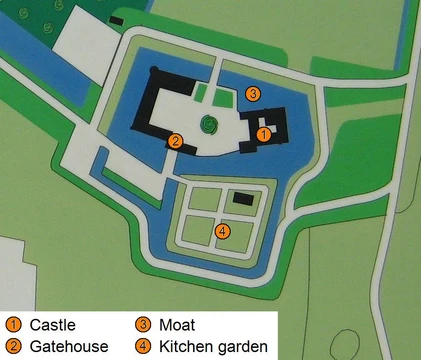
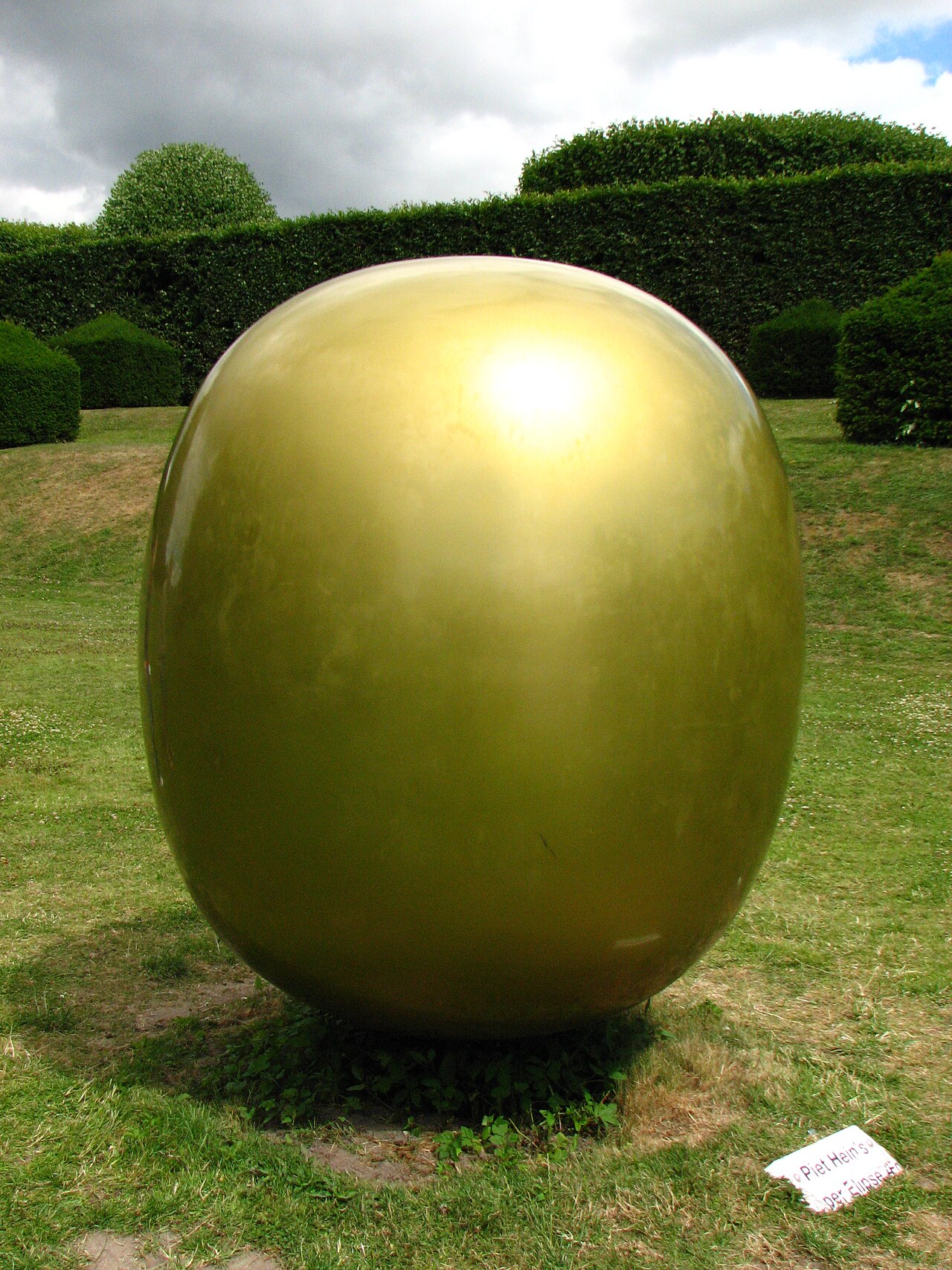
Beyond the castle walls, Egeskov unfolds into a twenty-hectare park divided into a constellation of themed gardens. The Renaissance garden showcases fountains, a gravel path, and sculpted topiary figures. The fuchsia garden, one of the largest collections in Europe, cultivates one hundred and four distinct species. An English garden, a water garden, an herb garden, a vegetable garden, and a traditional peasant's garden (bondehave) round out the horticultural offerings. Four hedge mazes dot the grounds: the oldest is a beech maze several centuries old, carefully trimmed each year to keep the trees alive. The newest is the world's largest bamboo maze, featuring a Chinese tower at its centre from which a bridge serves as the exit. A three-metre-tall sundial designed by Danish poet and mathematician Piet Hein stands among the park's features, alongside playgrounds and children's play structures. The broader estate extends over eight square kilometres, of which two and a half square kilometres are forest and the remainder is working farmland. The thatched half-timbered Ladegården building, now part of the museum complex, sits among the grounds.
Museums & Modern Legacy
Since 1784, when the Bille-Brahe family acquired the estate from Brockenhuus descendants, Egeskov has remained in noble hands; in 1882 it passed to the counts Ahlefeldt-Laurvig-Bille, whose line still owns the property today. Count Michael Ahlefeldt-Laurvig-Bille continues to reside within the castle, and certain private areas remain closed to visitors. The interior preserves treasures such as a massive iron chest dating to at least the sixteenth century, originally from Hvedholm Castle twenty kilometres to the west, and oil paintings including a large work by Niels Juel in the great hall—Juel being the figure who defeated the Swedish force at the Battle of Køge Bay in 1677. Today the estate hosts a remarkable array of museums: vintage automobiles, vintage motorcycles, agricultural history with a horse wagon collection, flying vehicles, and the Falck collection of Danish emergency vehicles including fire trucks, ambulances, and rescue boats. Three large modern buildings house the motor and aircraft collections. In 1986, with the permission of Count Claus and Countess Louisa, a full-scale replica of the castle was erected in Hokkaidō, Japan, to serve as an aquarium.
Gallery
Frequently Asked Questions
What is Egeskov Castle?
Egeskov Castle is a Renaissance-era water castle perched on oaken piles in a small lake in southern Denmark. It is widely recognized as the finest surviving example of that architectural type in the country.
Who built Egeskov Castle and when?
Frands Brockenhuus commissioned its construction in 1554, though the site itself appears in records as early as 1405. It was designed as a fortified family home during the politically turbulent years following the Protestant Reformation.
Where exactly is Egeskov Castle located?
It sits near the village of Kværndrup on the southern portion of the island of Funen, Denmark. The structure rests on wooden piles driven into a lake whose maximum depth is roughly five meters.
Why is Egeskov Castle considered important to water-castle history?
It holds the distinction of being Denmark's best-preserved Renaissance water castle, making it a primary reference point for the style. Its post-Reformation origins also give it a strong political and social context beyond pure architecture.
Who owns Egeskov Castle today?
The Counts Ahlefeldt-Laurvig-Bille have held the property since 1882. They remain responsible for its ongoing preservation and public access.
More in Water castles 1-24
Spotted an error? Know more?
Reader corrections go straight into our review queue. Suggest an edit · How this site is sourced