Švihov Castle
Gothic water castle with bastions by Benedikt Rejt.

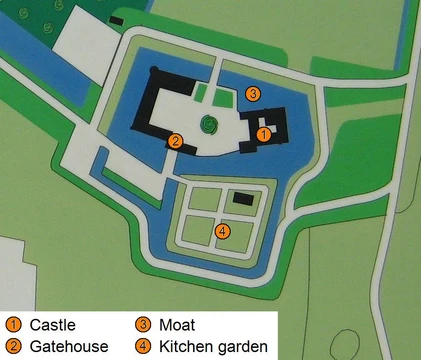
Švihov Castle is a Gothic water castle located in Švihov in the Plzeň Region of the Czech Republic. Built by the Rýzmberk of Skála noble family, it was besieged by the Hussites during the Hussite Wars and later rebuilt in the late Gothic style between 1480 and 1489 under owner Půta Švihovský of Rýzmberk. The castle is notable for its moat system designed by architect Benedikt Rejt, featuring massive bastions with horseshoe-shaped ground plans.
- Location
- Švihov, Plzeň Region, Czech Republic
- Type
- Gothic water castle
- Built by
- Rýzmberk of Skála noble family
- Notable architect
- Benedikt Rejt
- Key event
- Besieged by Hussites during Hussite Wars
- Current status
- Open to the public
Lore & Background
Švihov Castle was built by the Rýzmberk of Skála family. During the Hussite Wars, the Hussites besieged the castle, and the garrison surrendered after the water moats were siphoned. Between 1480 and 1489, owner Půta Švihovský of Rýzmberk ordered a late Gothic rebuild. After his death, his sons continued the work and invited the famous architect Benedikt Rejt. Rejt invented the castle's moat system with massive bastions, finishing by 1520, and later used the same system at Rabí Castle. In 1598, the Kavka of Říčany family took control but were forced to sell to the Czernin family 50 years later due to poor management. During the Thirty Years' War, the Swedish army unsuccessfully besieged the castle. After the war, Emperor Ferdinand III ordered its demolition, but constant postponement meant only part of the rampart was damaged. The castle remained in Czernin hands until nationalization in 1945.
Reader's Guide
Švihov Castle is significant as a well-preserved example of a Gothic water castle with innovative fortifications. Architect Benedikt Rejt's moat system, featuring horseshoe-shaped bastions, influenced other castles such as Rabí. The castle survived the Hussite Wars, a Swedish siege, and a partial demolition order from Emperor Ferdinand III, which was never fully carried out. Its interior contains late Gothic and Renaissance furnishings, including tapestries, pewter and copper kitchenware, and valuable 16th-century wall paintings in the Red Bastion and chapel. The castle's chapel, built between 1480 and 1489, features a net vault with painted keystone. Open to the public are the armory, kitchen with original 18th-century furnishings, feast hall, chapel, bed chambers, and the Great Hall with a wooden cassette ceiling from Dobrovice Castle. The castle's legacy lies in its architectural innovations and its role in regional history, preserved through centuries of changing ownership and threats.
Did You Know?
- The castle's garrison surrendered to the Hussites after the water moats were siphoned.
- Benedikt Rejt designed the castle's moat system with horseshoe-shaped bastions.
- Emperor Ferdinand III ordered the castle's demolition after the Thirty Years' War, but only part of the rampart was damaged.
- The castle's Great Hall has a wooden cassette ceiling that originates from Dobrovice Castle.
More in Water castles 1-24
Spotted an error? Know more?
Reader corrections go straight into our review queue. Suggest an edit · How this site is sourced