Nakatsu Castle
One of Japan's three 'castles on the sea.'

Nakatsu Castle (中津城, Nakatsu-jō) stands in the city of Nakatsu, Ōita Prefecture. It is counted among Japan’s three *mizujiro* (“castles on the sea”), the other two being Takamatsu Castle in Kagawa and Imabari Castle in Ehime. The castle’s construction started in 1587, when Daimyō Kuroda Yoshitaka was made the region’s governor by Toyotomi Hideyoshi as a reward for his role in the Kyūshū Campaign. After the Battle of Sekigahara, Yoshitaka received larger lands in Fukuoka, and Daimyō Hosokawa Tadaoki took over and finished the work. When Kokura Castle was built, Tadaoki moved there and gave Nakatsu Castle to his son, Hosokawa Tadatoshi. The castle later passed to the Ogasawara clan, then to the Okudaira clan in 1717. It was abandoned in 1871 following the Meiji Restoration, and the structures were dismantled or destroyed. The current castle, built in 1964 by the city of Nakatsu, was modeled on the original design of Nakatsu Castle itself.
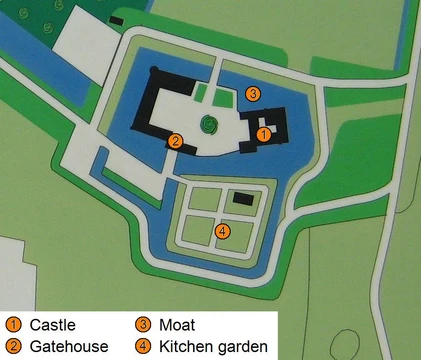
The castle grounds cover about 78,000 square meters, and the layout resembles an open fan. A traditional stone wall and a moat border the site. The main building is a five-story steel-frame structure, with an observation deck on the top floor. Salt water from the nearby Suō Sea (Sea of Japan) is drawn in to fill the moat. Local folklore says that Yoshitaka faced rebellions from the people, who attacked the castle. The rebels were killed, but their bloodstains kept showing through the walls even after repainting, so the governor ordered the walls painted red. The original castle once housed a small shrine for the rebel leader Utsonomiya Shigefusa.
Today, the castle serves as a museum displaying heirlooms from the families that ruled the region. It holds many materials on *rangaku*, since Nakatsu was a center of that field of learning. The castle also contains the Okudaira shrine, an important site for the city’s residents. In 2007, the owners put the castle up for sale. After talks with the Nakatsu City Council fell through, it was sold in 2010 to a Saitama-based company called Chiga. In 2017, Nakatsu Castle was listed as one of the Continued Top 100 Japanese Castles.
Quick Facts
- Location
- Nakatsu, Ōita Prefecture, Japan
- Built
- 1587
- Builder
- Kuroda Yoshitaka
Facts from the source article.
Lore & Background
Construction of Nakatsu Castle began in 1587 under Daimyō Kuroda Yoshitaka, who was made governor of the region by Toyotomi Hideyoshi for his role in the Kyūshū Campaign. After the Battle of Sekigahara, Yoshitaka was rewarded with greater lands in Fukuoka and was replaced by Daimyō Hosokawa Tadaoki, who completed the castle. Tadaoki later moved to Kokura Castle, and Nakatsu Castle was given to his son Hosokawa Tadatoshi. The castle subsequently passed to the Ogasawara clan and then to the Okudaira clan in 1717.
Reader's Guide
Nakatsu Castle was abandoned in 1871 after the Meiji Restoration, and its original structure was destroyed in a fire during the Satsuma Rebellion in 1877. The present castle was built in 1964 by descendants of the Okudaira samurai clan, modeled on Hagi Castle. The steel-frame, five-storied building includes an observation deck on the top floor and draws salt water from the nearby Seto Inland Sea to fill its moat. According to local folklore, after a rebellion against Kuroda Yoshitaka, bloodstains from slain rebels persistently showed through the castle walls, prompting the governor to paint them red. The original castle housed a small shrine for rebel leader Utsonomiya Shigefusa. Today, the castle serves as a museum displaying heirlooms of the region's ruling families and has extensive materials on rangaku, as Nakatsu was a center of rangaku learning. It also houses the Okudaira shrine, an important local shrine. The castle was put up for sale in 2007 and sold in 2010 to a Saitama-based company called Chiga. It was listed as one of the Continued Top 100 Japanese Castles in 2017.
Did You Know?
- Nakatsu Castle is one of Japan's three mizujiro, or 'castles on the sea.'
- The castle's moat is filled with salt water drawn from the Suō Sea (Sea of Japan).
- According to local folklore, the castle walls were painted red to hide bloodstains from slain rebels.
More in Water castles 1-24
Spotted an error? Know more?
Reader corrections go straight into our review queue. Suggest an edit · How this site is sourced