
Serengeti National Park
A Tanzanian national park with the world's largest animal migration.

Giles Laurent · CC BY-SA 4.0
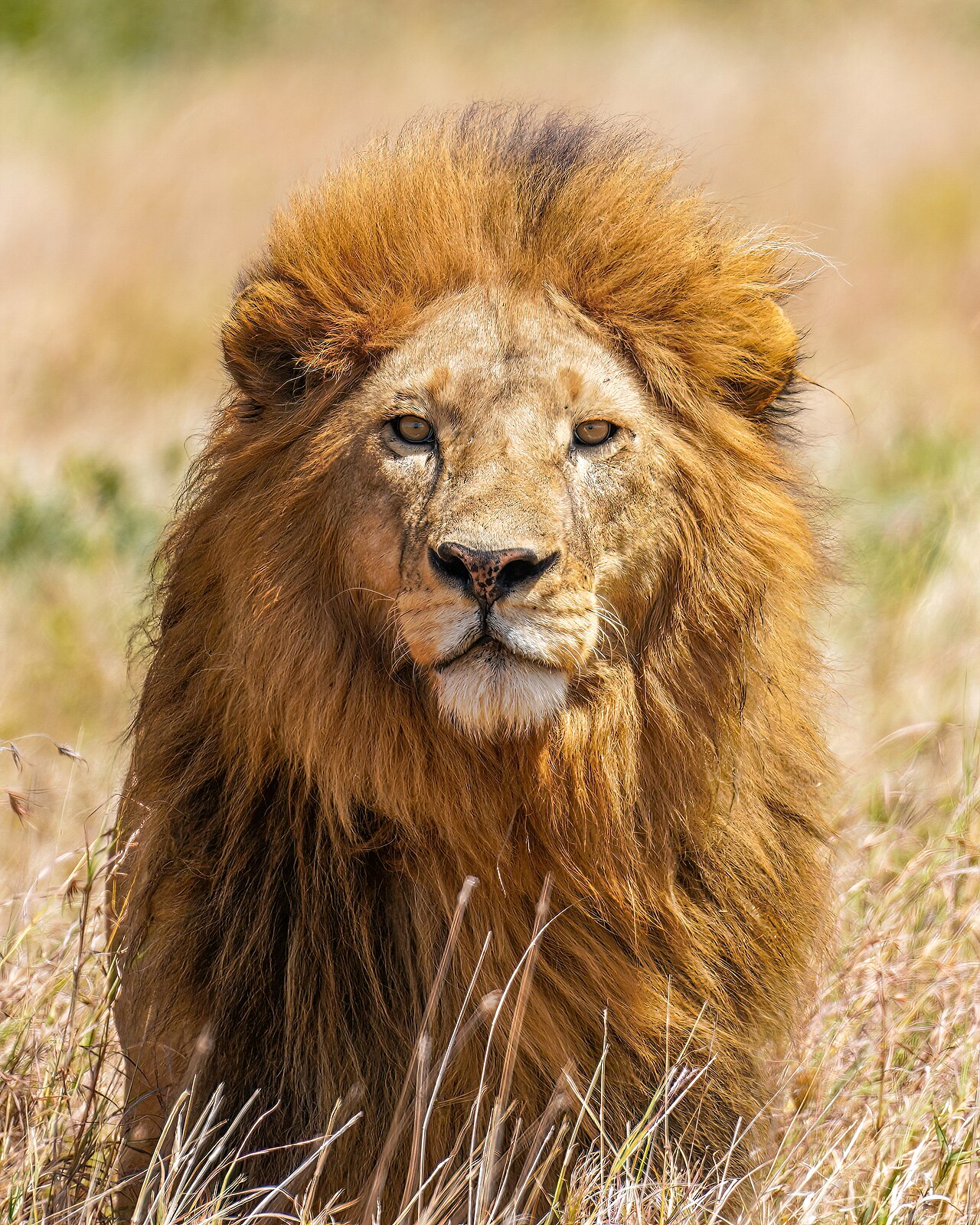
Serengeti National Park is a large national park in northern Tanzania, established in 1951. It is known for the largest annual animal migration in the world, involving over 1.5 million western white-bearded wildebeest and 200,000 plains zebra, and is home to the largest lion population in Africa.
Quick Facts
- Iucn Category
- II
- Location
- Tanzania
- Area
- 14763 km2
- Established
- 1940
- Visitation Num
- 350,000 per year
- Governing Body
- Tanzania National Parks Authority
Facts from the source article.
Lore & Background
The name 'Serengeti' is often attributed to a Maasai word siringet, meaning 'the place where the land runs on forever' or 'endless plains,' though this word does not appear in dictionaries of the language. In 1930, Major Richard Hingston proposed that the Serengeti Game Reserve be designated as a national park to protect it from population growth and economic development. The park was established in 1951, granted strict protection in 1948, and its boundaries were finalized in 1951. In 1959, an area of 8,300 km² was split off to form the Ngorongoro Conservation Area to accommodate Maasai land use interests. The park gained fame after Bernhard Grzimek and his son Michael produced a book and documentary titled 'Serengeti Shall Not Die' in 1959.
Reader's Guide
Serengeti National Park is significant as a protected area that hosts the world's largest annual animal migration, a 800 km route involving over 1.5 million wildebeest and 250,000 zebras, along with other herbivores. The park's ecosystem supports the largest lion population in Africa, with over 3,000 lions, and other carnivores such as cheetahs, leopards, and African wild dogs. Its wildlife includes African bush elephants, African buffalo, Eastern black rhinoceros, Masai giraffes, and over 500 bird species. The park faces threats from deforestation, population growth, poaching, and ranching. It was listed by UNESCO as a World Heritage site. The Serengeti Research Institute, established in 1966, monitors the Great Migration. The park's varied landscape includes southern plains, a western corridor with rivers, and northern woodlands. Human habitation is forbidden except for park staff and researchers.
Did You Know?
- The park was established in 1951 and granted strict protection in 1948.
- The name 'Serengeti' may come from a Maasai word meaning 'endless plains,' but this word does not appear in Maasai dictionaries.
- In 1994, an outbreak of canine distemper killed about one-third of the park's lion population.
- The great migration route is around 800 km long, and about 250,000 wildebeest and 30,000 plains zebras die annually from drowning, predation, exhaustion, thirst, or disease.
The Great Migration
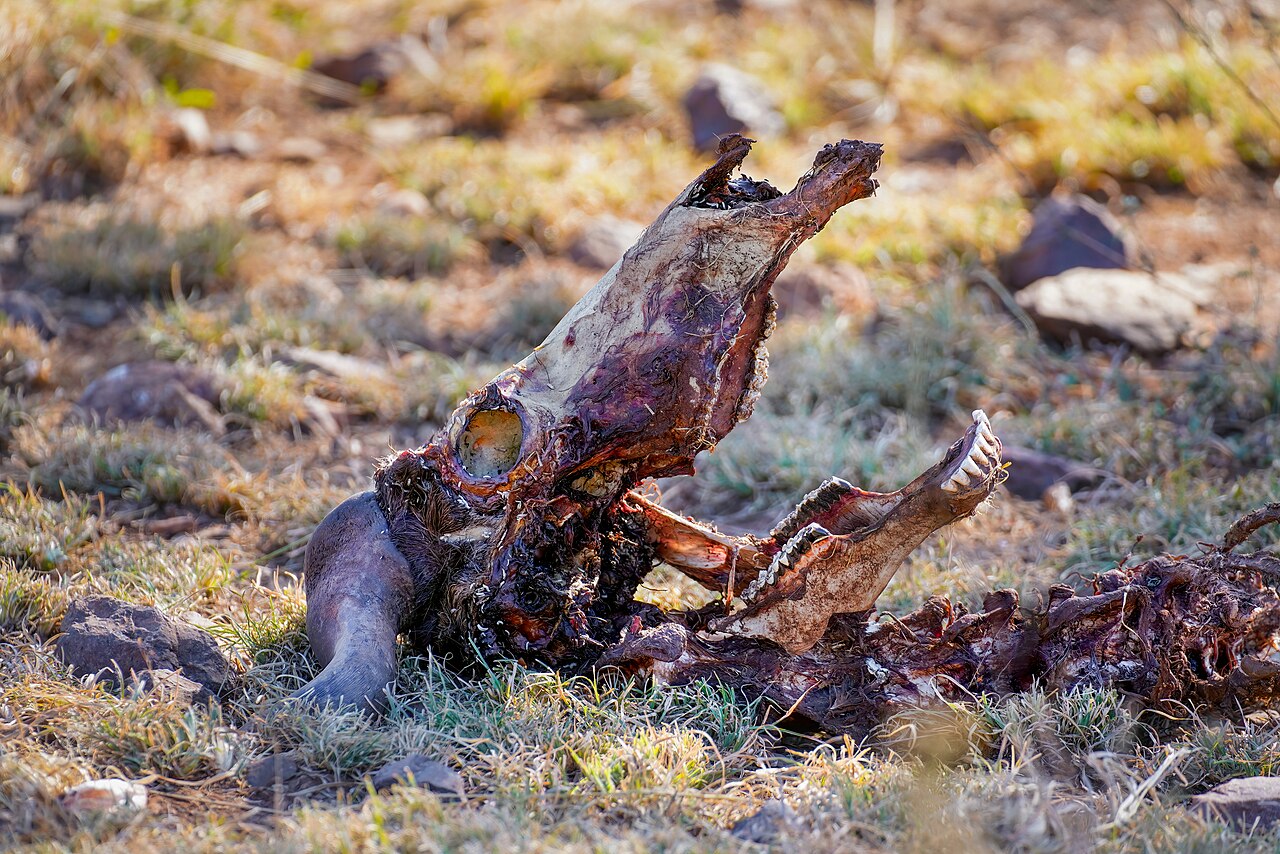
Few natural spectacles rival the Serengeti's annual migration, the second-longest overland journey on Earth after the caribou crossing. The full circuit spans roughly 800 kilometers, threading through the Ngorongoro Conservation Area to the north, where an estimated half-million wildebeest calves are born between January and March. As the dry season begins in March, herds of approximately 1.5 million western white-bearded wildebeest, 250,000 Grant's zebra, and between 400,000 and 500,000 Thomson's gazelle begin their northward push toward Kenya's Maasai Mara. Common eland and plains zebra travel alongside them. The journey is not without peril. In April and May, the herds funnel through the Western Corridor, and reaching the Mara requires crossing the Grumeti and Mara Rivers, where roughly 3,000 crocodiles lie in ambush. The toll is staggering: for every single wildebeest the crocodiles manage to seize, an additional fifty drown in the crossing. By late October, when rains return, the survivors turn south. Annually, around 250,000 wildebeest and 30,000 plains zebra succumb to drowning, predation, exhaustion, thirst, or disease.
Wildlife Diversity and Population Dynamics
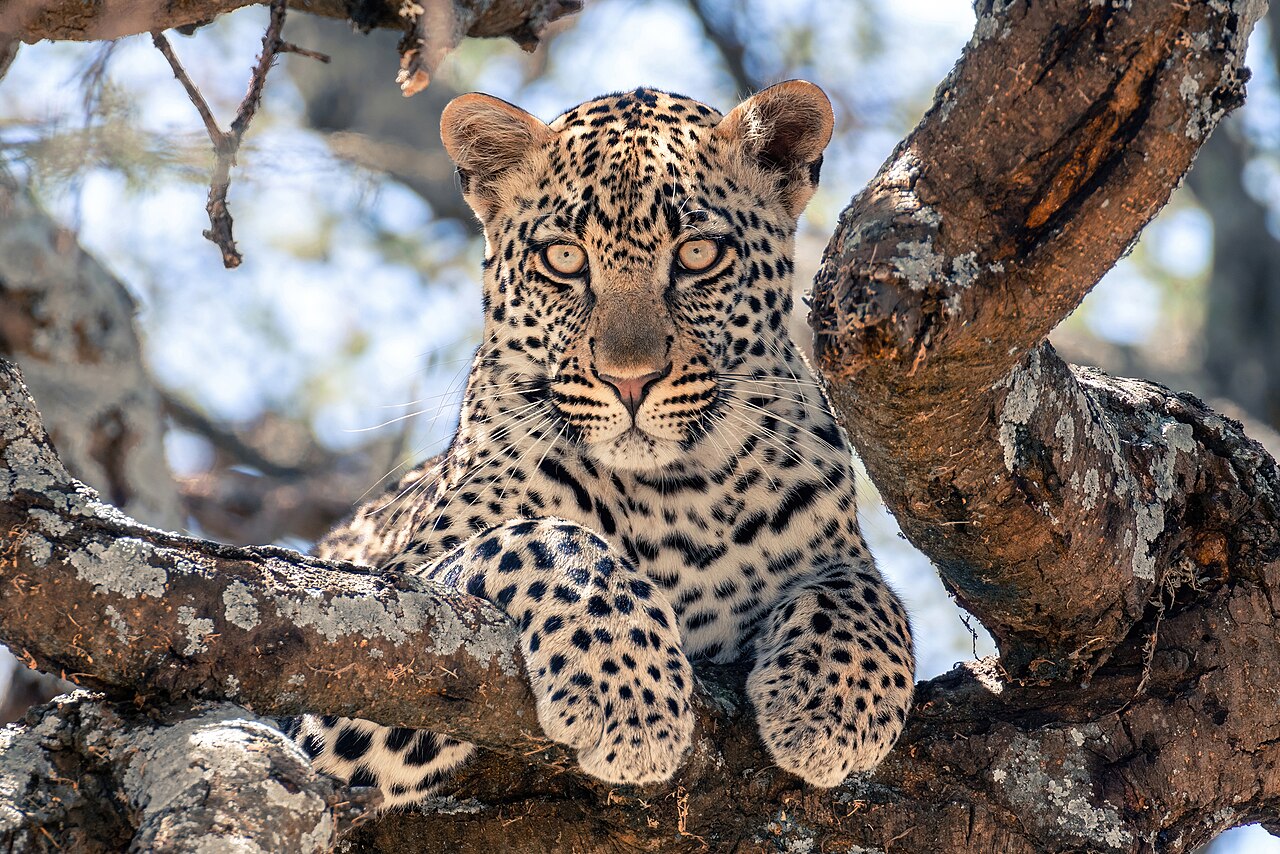
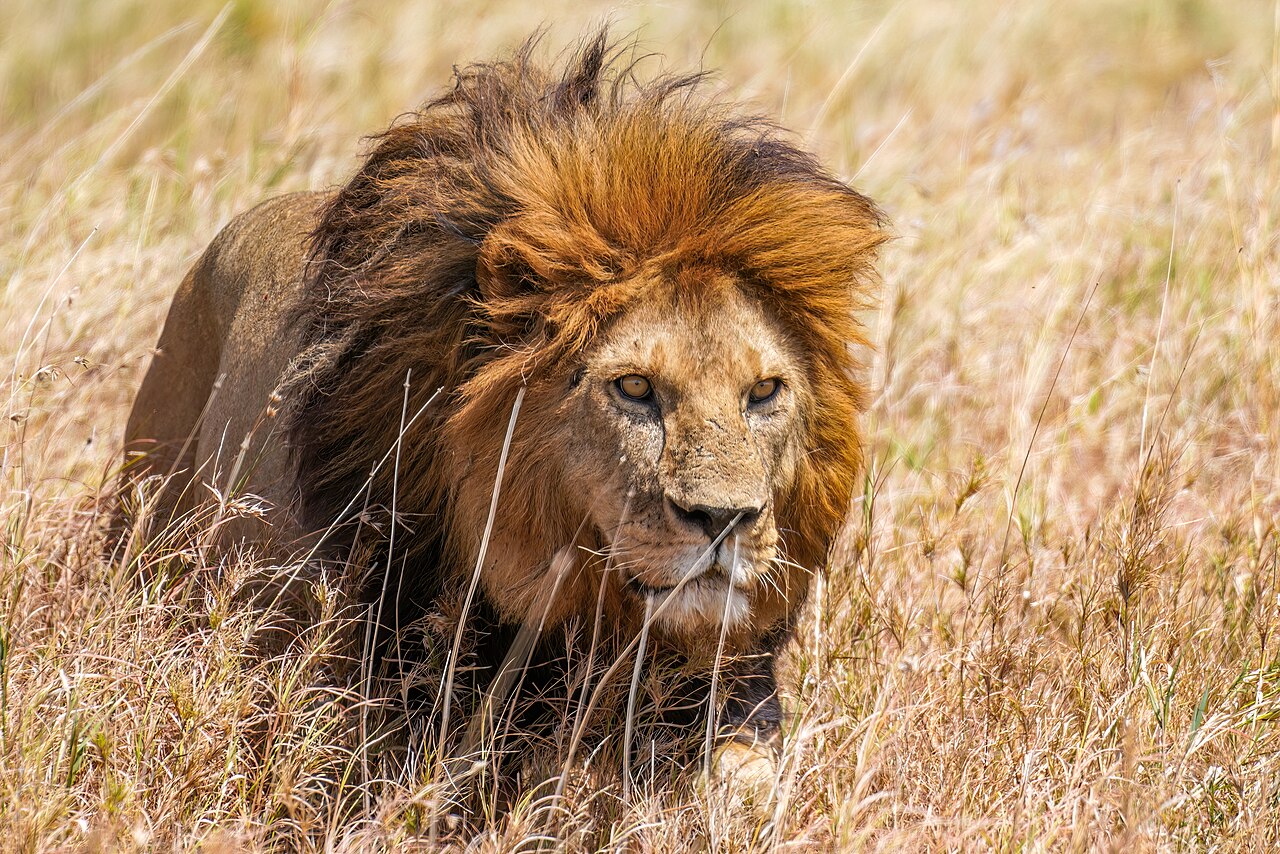
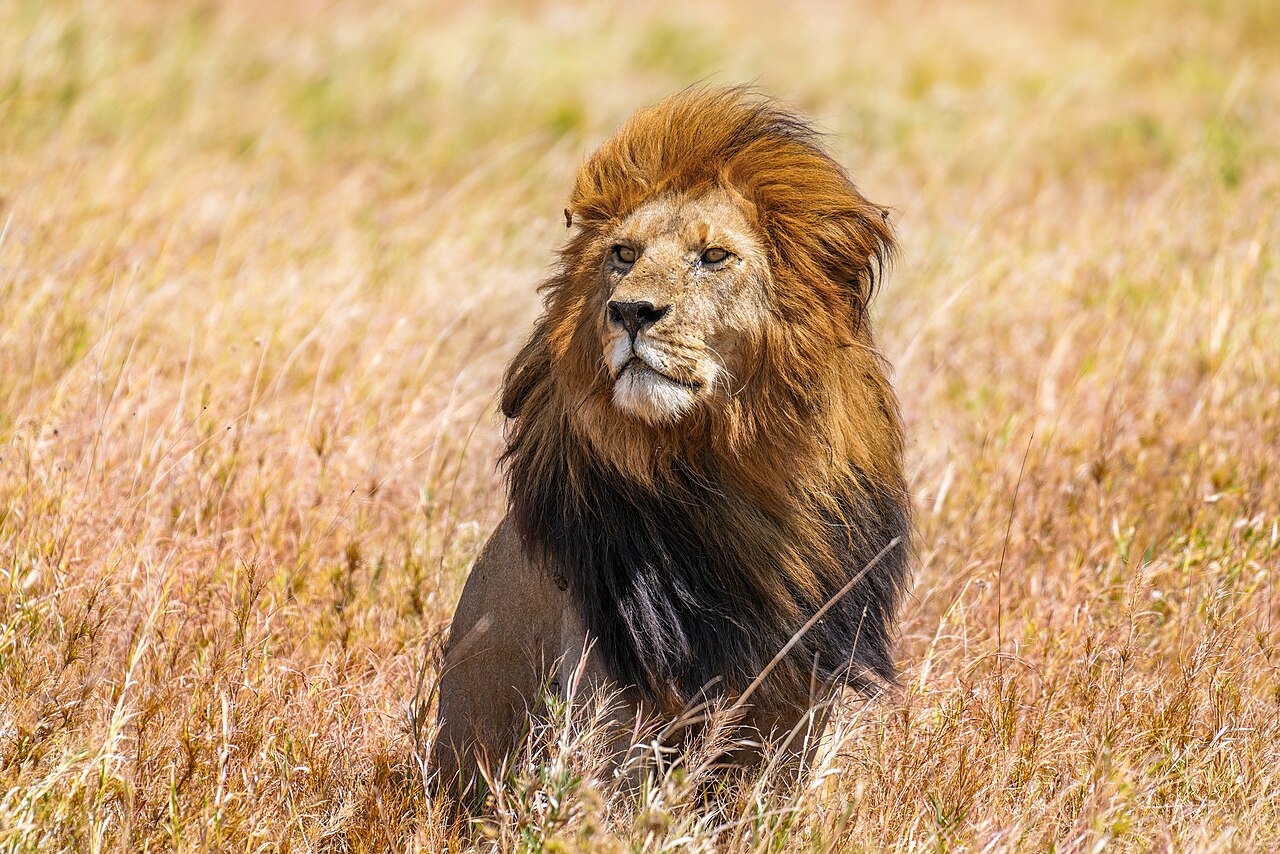
The Serengeti shelters the largest lion population on the African continent, with more than 3,000 individuals sharing the ecosystem alongside Kenya's Maasai Mara. Yet that population has faced severe shocks; a 1994 canine distemper outbreak wiped out roughly one-third of the lions in the area. Other apex predators include the African leopard, whose dry-season density is estimated at about 5.41 individuals per 100 square kilometers, as well as cheetahs and the African wild dog, which was reintroduced in 2012 after vanishing from the region in 1991. Large herbivores tell a more complex story. African bush elephant herds, devastated by poaching in the 1980s, rebounded to over 5,000 by 2014. The African buffalo, which declined sharply between 1976 and 1996, climbed to 28,524 by 2008. The Eastern black rhinoceras, however, remains critically vulnerable: poaching reduced the population to roughly ten animals in the 1980s, and fewer than seventy survive today. Masai giraffes have also suffered, dropping from 10,750 in 1977 to an estimated 3,520 by 2010, with numbers stabilizing only in the park's core while continuing to fall along the edges. Over 500 bird species, from martial eagles to shoebills, round out this extraordinary assemblage.
History, Politics, and the Maasai
The road to Serengeti's protected status began in 1930, when Major Richard Hingston, acting on behalf of the Society for the Preservation of the Fauna of the Empire, recommended that the region be set aside as a national park to shield it from growing human populations and economic expansion. The designation was granted in 1940, and strict administrative control followed in 1948 with the creation of the Serengeti National Park Board of Trustees. The park's history is inseparable from the Maasai people who had long inhabited the land. The government restricted Maasai movements within the park, and boundaries were locked in during 1951. A compromise came in 1959, when 8,300 square kilometers in the eastern portion were carved out and re-established as the Ngorongoro Conservation Area, a multiple-use zone accommodating traditional Maasai land practices. In that same year, Bernhard Grzimek and his son Michael brought the Serengeti to a global audience through their book and documentary Serengeti Shall Not Die. A research institute was founded at Seronera in 1966 to study the migration. By 1981, the park encompassed 12,950 square kilometers, still less than half of the broader Serengeti landscape.
Geology and Volcanic Landscape
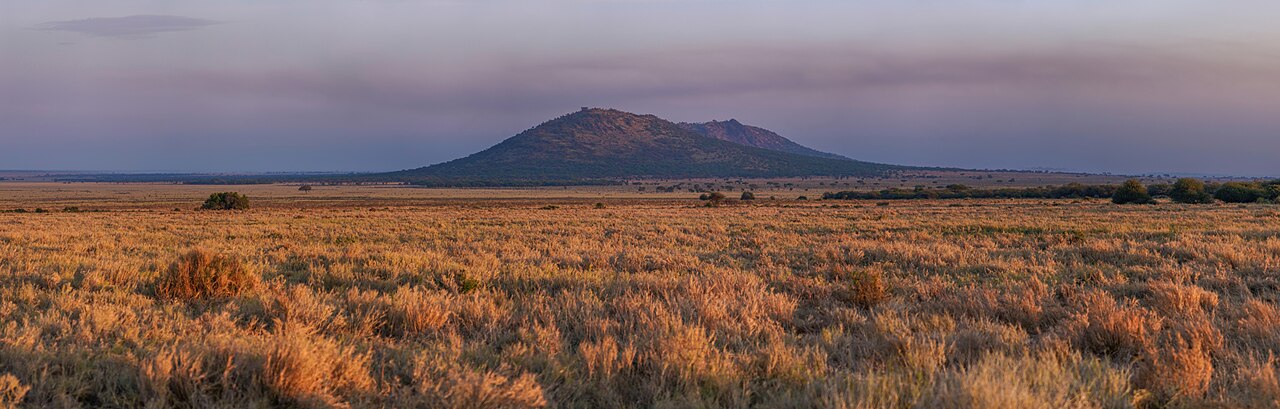
Beneath the sweeping grasslands of the Serengeti lies a geological record stretching back nearly three billion years. The park's basement complex is built from Archaean Nyanzian greenstones dated between 2.81 and 2.63 billion years, alongside Archaean granite-gneiss plutons aged 2.72 to 2.56 billion years. These ancient rocks were uplifted roughly 180 million years ago, giving rise to the koppies and elongated hills that punctuate the landscape. The Neoproterozoic Mozambique Belt contributes quartzite and granite, while the Ikorongo Group of sandstone, shale, and siltstone forms distinctive linear ridges. The southeastern corner holds younger volcanic material, including Neogene-aged rock and Holocene ash from Oldoinyo Lengai. The eastern portion of the park is dominated by the Serengeti volcanic grasslands, classified as a Tropical Grassland Ecozone. These grasslands grow on deposits of volcanic ash from the Kerimasi Volcano, which erupted approximately 150,000 years ago, as well as layers of calcareous tuff and calcitic hard-pan vertisol soils produced by Ol Doinyo Lengai eruptions. Hydrologically, the Grumeti, Mara, Mbalageti, and Orangi rivers all flow westward toward Lake Victoria, while the Oldupai River takes a different course, draining eastward into the Olbalbal Swamps.
Gallery
Frequently Asked Questions
What is Serengeti National Park?
Serengeti National Park is a vast protected savanna in northern Tanzania, officially established in 1951. It is globally renowned for its extraordinary wildlife and the massive seasonal migration that traverses its open plains.
What is the Serengeti migration?
The Serengeti hosts the largest overland animal migration on Earth, with over 1.5 million western white-bearded wildebeest and roughly 200,000 plains zebra moving in a continuous yearly loop. This spectacle draws enormous predator numbers and is considered one of nature's most iconic events.
Why is Serengeti a UNESCO World Heritage site?
UNESCO recognized Serengeti as an outstanding example of ongoing ecological and biological processes in a terrestrial ecosystem. Its intact savanna, the world's largest lion population, and the unbroken migration cycle make it irreplaceable on a global scale.
What is the largest lion population in Africa and where is it?
Serengeti National Park supports the greatest number of lions found anywhere on the African continent. These lions patrol the open grasslands and form a critical part of the park's predator-prey dynamics alongside the migrating herds.
When was Serengeti National Park established?
The park was officially created in 1951, making it one of Tanzania's earliest protected areas. It has since become a cornerstone of East African conservation and a destination for millions of wildlife enthusiasts each year.
More in Unesco World Heritage Parks 1-19
Spotted an error? Know more?
Reader corrections go straight into our review queue. Suggest an edit · How this site is sourced