
Dinosaur Provincial Park
A UNESCO site renowned for its outstanding paleontological resources and dinosaur fossils.

Hirgax · CC BY-SA 4.0
Dinosaur Provincial Park is a UNESCO World Heritage Site located in Alberta, Canada, approximately 220 kilometers east of Calgary or 48 kilometers northeast of Brooks. Established on June 27, 1955, the park was created to protect its fossil beds and is renowned as one of the richest dinosaur fossil locales in the world.
Quick Facts
- Location
- County of Newell / Special Area No. 2, near Brooks / Alberta
- Area
- 73.29 km2
- Governing Body
- Alberta Tourism, Parks and Recreation
- Founded
- 1955
Facts from the source article.
Lore & Background
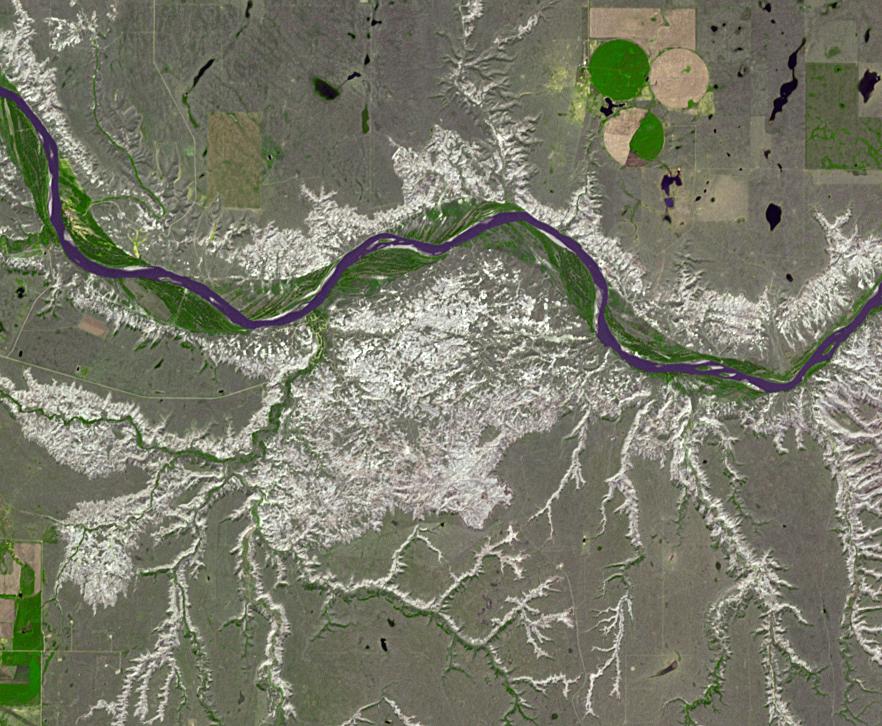
The park is situated in the Red Deer River valley, noted for its striking badland topography and abundance of dinosaur fossils. It was established on June 27, 1955, with the goal of protecting the fossil beds, and its first warden was John 'Jack' H. (no relation to the paleontologist). The park became a UNESCO World Heritage Site on October 26, 1979, primarily due to its outstanding paleontological resources, including the international importance of its fossils.
Until 1985, discoveries made in the park were often studied locally or at Canadian institutions such as the Provincial Museum of Alberta, though some were also shipped to museums worldwide for scientific analysis, including the Royal Ontario Museum, the Canadian Museum of Nature, the American Museum of Natural History, and the Field Museum of Natural History. This changed with the opening of the Royal Tyrrell Museum of Palaeontology 100 kilometers upstream in Midland Provincial Park. The park protects a complex ecosystem including prairie grasslands, badlands, and riverside cottonwoods, and hosts a diverse array of wildlife such as coyotes, nighthawks, mule deer, and prairie rattlesnakes.
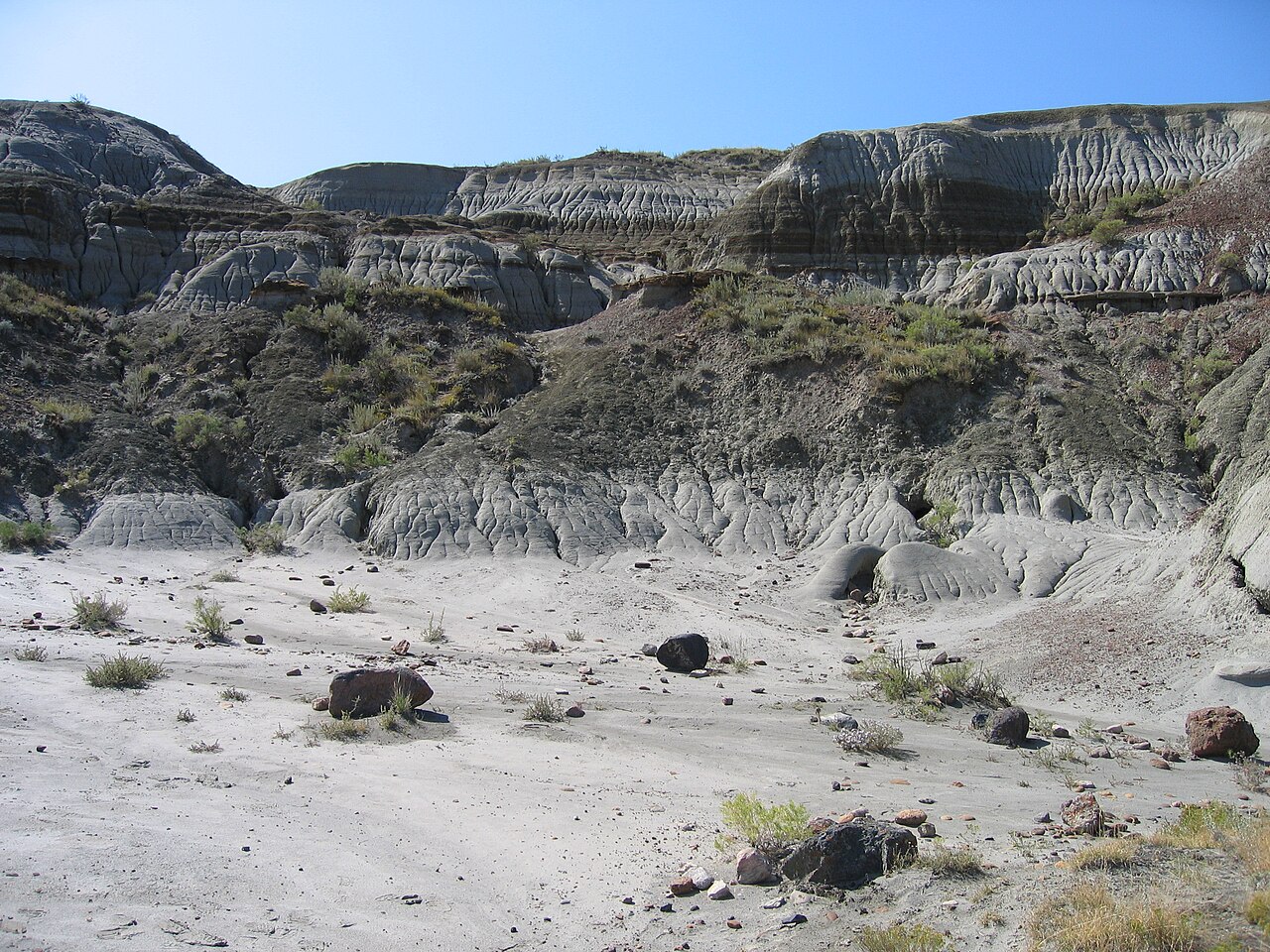
The sediments exposed in the badlands were laid down over about 1.5 million years during the Campanian stage of the Late Cretaceous epoch, belonging to three geologic formations. The Dinosaur Park Formation, which contains most articulated dinosaur skeletons, was deposited between about 76.5 and 74.8 million years ago in floodplain and coastal plain environments. The park preserves an extraordinarily diverse group of freshwater vertebrates, including sharks, rays, amphibians, reptiles, and mammals, as well as plant fossils and an astonishing diversity of dinosaurs.
Reader's Guide
Dinosaur Provincial Park holds immense significance as a UNESCO World Heritage Site and one of the world's richest dinosaur fossil locales. Its fossil assemblage of nearly 500 species, from microscopic fern spores to large carnivorous dinosaurs, justified its World Heritage designation in 1979. The park has yielded 58 dinosaur species, with more than 500 specimens removed and exhibited in museums globally. In October 2022, the International Union of Geological Sciences included the park in its list of 100 'geological heritage sites' worldwide, recognizing it as the 'world's most abundant and diverse dinosaur locality, yielding more than 166 vertebrate taxa, including 51 species of non-avian dinosaurs.' The park's legacy includes its role in paleontological research, with discoveries historically shipped to major museums until the opening of the Royal Tyrrell Museum of Palaeontology in 1985. The park also protects a unique ecosystem of prairie grasslands, badlands, and riverside cottonwoods, and features the Dinosaur Provincial Park Visitor Centre with exhibits on dinosaurs, fossils, and natural history, as well as John Ware's Cabin, a restored early 20th-century cabin of an important figure in Alberta's ranching history.
Did You Know?
- The park is situated 220 kilometers east of Calgary, Alberta, Canada, or 48 kilometers northeast of Brooks.
- Fifty-eight dinosaur species have been discovered at the park, and more than 500 specimens have been removed and exhibited in museums around the globe.
- The park was established on June 27, 1955, with John 'Jack' H. as its first warden.
A Fossil Record Without Equal
Few places on Earth preserve such an extraordinary snapshot of prehistoric life. Dinosaur Provincial Park has yielded fifty-eight identified dinosaur species, and more than five hundred specimens have been carefully extracted and placed on display in museums across the globe. The full assemblage spans nearly five hundred species of life, ranging from microscopic fern spores to the largest carnivorous dinosaurs, a breadth of preservation that underpinned the site's designation as a UNESCO World Heritage Site in 1979. The International Union of Geological Sciences later singled it out in 2022 as the world's most abundant and diverse dinosaur locality, noting over 166 vertebrate taxa including fifty-one species of non-avian dinosaurs. Beyond the giants, the park's strata hold freshwater sharks, rays, paddlefish, bowfins, and gars; frogs, salamanders, and extinct albanerpetontids; monitor lizards, turtles, crocodilians, and the fish-hunting Champsosaurus; and the tiny teeth and jaw fragments of mouse-sized placental, marsupial, and multituberculate mammals. Plant remains—fern fronds, conifer wood, ginkgo leaves, and a rich pollen and spore assemblage—round out a picture of an entire Late Cretaceous ecosystem frozen in stone.
Layered by Time: The Geologic Story
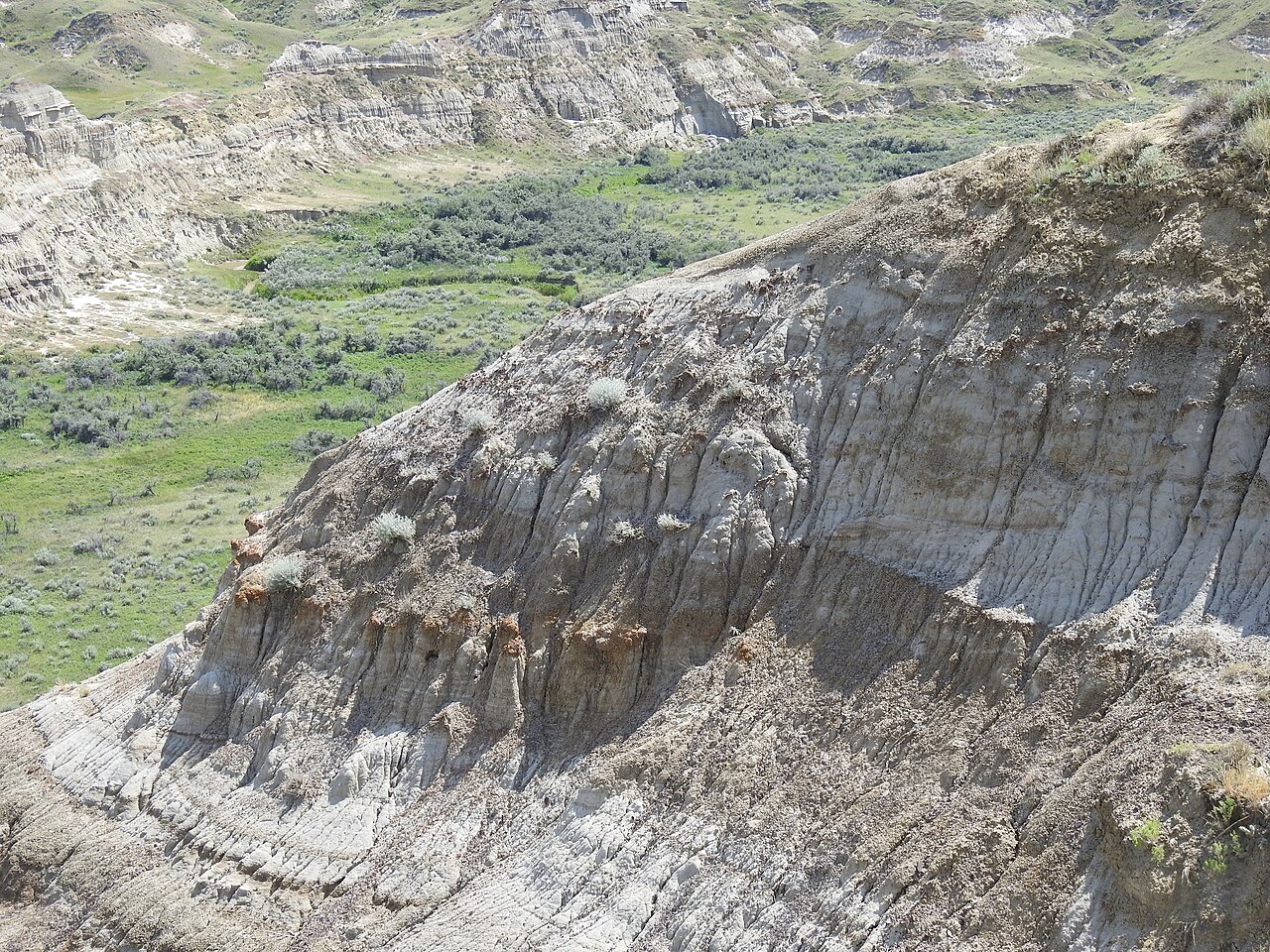
The badlands of Dinosaur Provincial Park expose a sedimentary record that accumulated over roughly 1.5 million years during the Campanian stage of the Late Cretaceous. Three distinct geologic formations stack one atop another, each telling a different chapter. At the base sits the terrestrial Oldman Formation, the oldest of the sequence. Above it lies a complete section of the Dinosaur Park Formation, the layer responsible for most of the park's articulated dinosaur skeletons. This formation was deposited between approximately 76.5 and 74.8 million years ago in floodplain and coastal-plain settings, shaped by river systems that carried sediment eastward and southeastward toward the vast Western Interior Seaway. Capping the sequence is the base of the marine Bearpaw Formation, a reminder that the ancient shoreline once reached further inland than any modern visitor might imagine. Together these layers provide an unusually continuous terrestrial record, capturing the shift from river-dominated landscapes to the encroachment of a shallow sea, and preserving in fine-grained mudstones the bones, footprints, and plant debris of a world that vanished tens of millions of years before the first human set foot on the plains.
From Jubilee Park to World Heritage
On June 27, 1955, Alberta marked its fiftieth anniversary of confederation by establishing Dinosaur Provincial Park with the explicit purpose of safeguarding the region's fossil beds. Roy Fowler, a farmer and amateur fossil hunter who lived from 1902 to 1975, served as the park's first warden. For decades, the site's discoveries traveled far from home: until 1985, specimens had to be shipped to institutions such as the Royal Ontario Museum in Toronto, the Canadian Museum of Nature in Ottawa, the American Museum of Natural History in New York City, and the Field Museum of Natural History in Chicago for scientific study and public display. That era ended when the Royal Tyrrell Museum of Palaeontology opened one hundred kilometres upstream in Midland Provincial Park, adjacent to Drumheller, bringing world-class palaeontological research closer to the source. The park's international standing was formally recognized on October 26, 1979, when UNESCO inscribed it as a World Heritage Site for both its nationally significant badlands and riparian habitats and the global importance of its fossil record. In October 2022, the International Union of Geological Sciences added the park to its list of one hundred geological heritage sites of international scientific relevance.
A Living Badlands Landscape
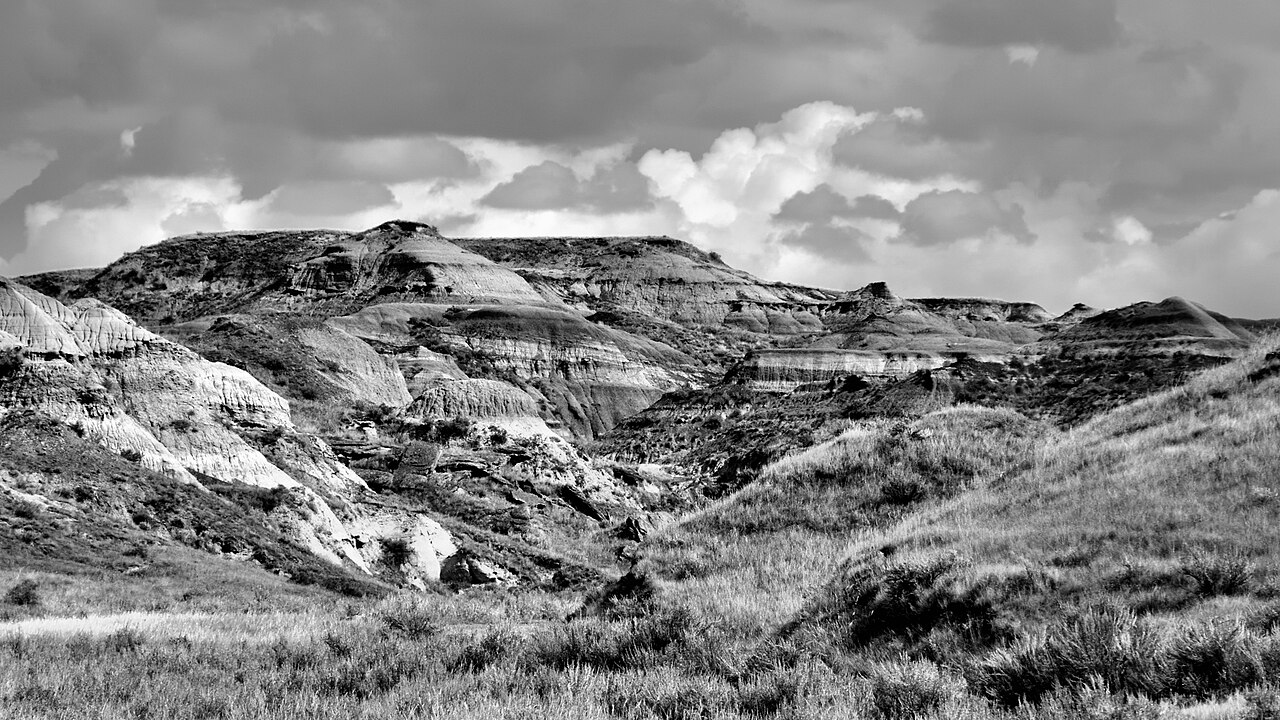
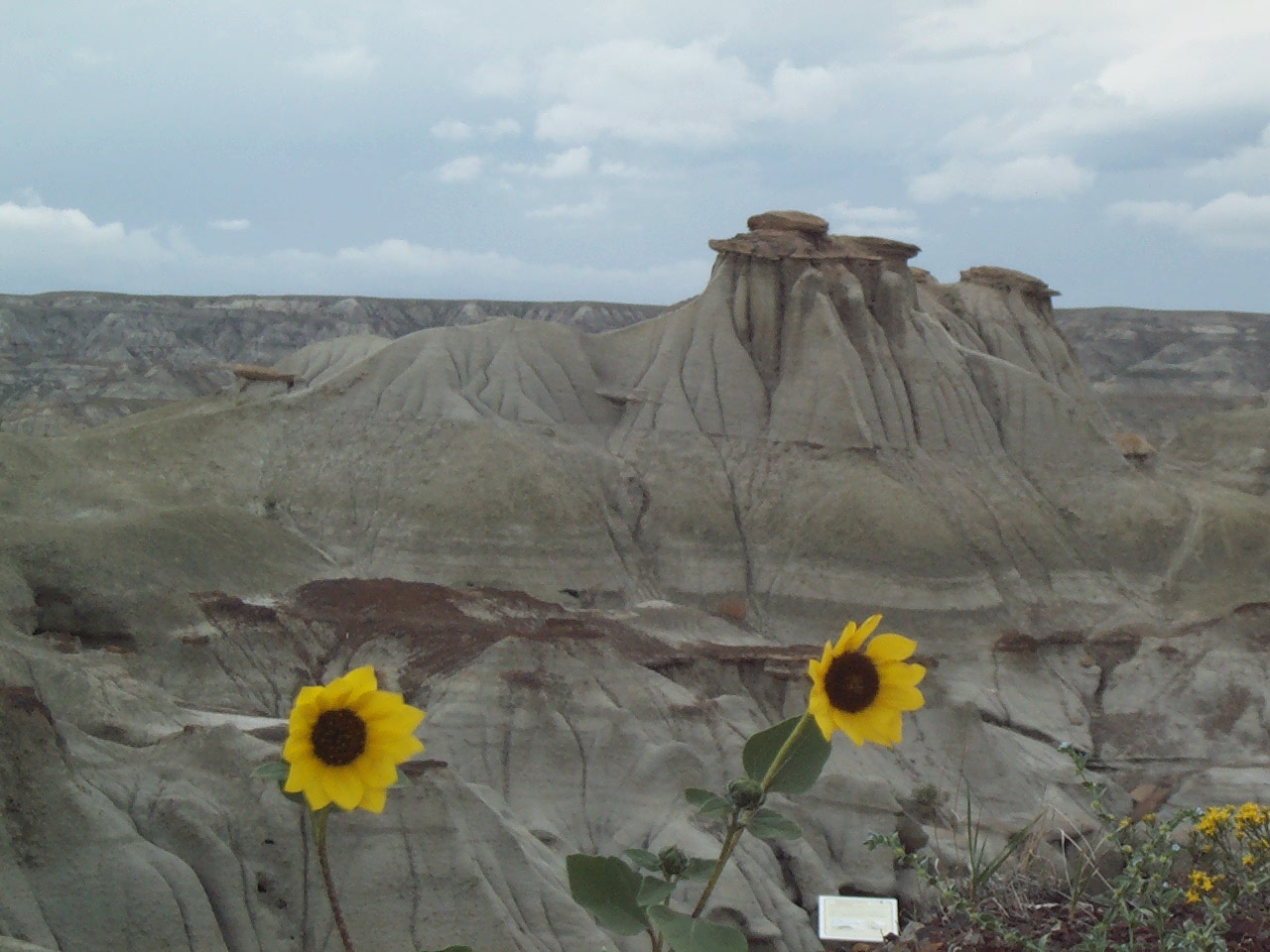
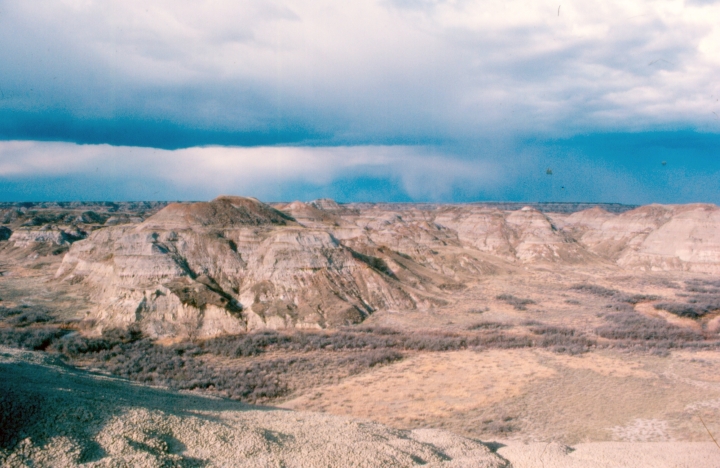
Set in the Red Deer River valley, roughly two hundred twenty kilometres east of Calgary and forty-eight kilometres northeast of Brooks, the park protects a mosaic of three distinct ecological communities: open prairie grasslands, eroded badlands, and a corridor of riverside cottonwoods. Although surrounded by agricultural prairie, the park's interior is a self-contained world. At dusk, coyote choruses echo across the badlands while nighthawks call overhead. Cottontail rabbits, mule deer, and pronghorn graze the grasslands, and three snake species—the prairie rattlesnake, bull snake, and red-sided garter snake—thread through the undergrowth. In spring and summer, one hundred sixty-five bird species, including curlews and Canada geese, pass through or nest within the park. Some of the most northerly cactus species in North America, Opuntia and Pediocactus, burst into full bloom during the latter half of June. The Visitor Centre offers dinosaur and geology exhibits, a video theatre, a working fossil-preparation lab, a gift shop, and seasonal public programs. Nearby stands John Ware's Cabin, a restored early-twentieth-century shelter belonging to the African-American cowboy who became a pivotal figure in Alberta's ranching history, open to visitors on select summer days.
Gallery
Frequently Asked Questions
What is Dinosaur Provincial Park?
It is a protected area in Alberta, Canada, designated as a UNESCO World Heritage Site for its extraordinary concentration of dinosaur fossils set within dramatic badland terrain.
Where exactly is Dinosaur Provincial Park located?
The park sits in central Alberta, roughly 220 kilometers to the east of Calgary, or about 48 kilometers northeast of the town of Brooks.
When was Dinosaur Provincial Park established and for what purpose?
It was officially created on June 27, 1955, with the primary goal of safeguarding the region's ancient fossil beds from erosion and loss.
Why does Dinosaur Provincial Park hold UNESCO World Heritage status?
The site is recognized as one of the most prolific dinosaur fossil locations on the planet, offering an unparalleled window into Late Cretaceous ecosystems.
Who served as the first warden of Dinosaur Provincial Park?
John "Jack" Horner was appointed as the park's first warden following its establishment in 1955.
More in Unesco World Heritage Parks 1-19
Spotted an error? Know more?
Reader corrections go straight into our review queue. Suggest an edit · How this site is sourced