
Komodo National Park
Indonesian national park protecting the Komodo dragon and rich marine biodiversity.

Danadi Sutjianto · CC BY-SA 4.0
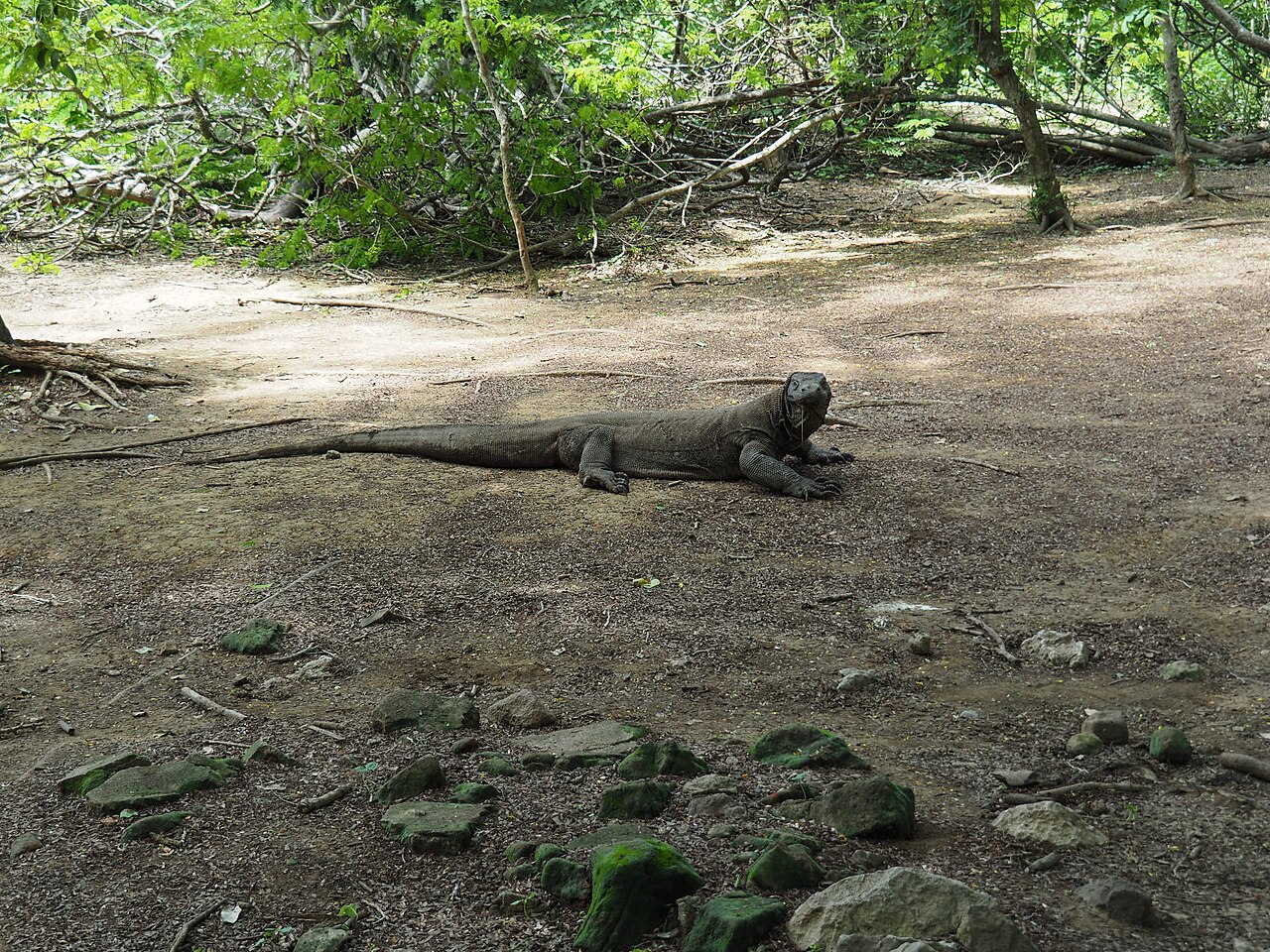
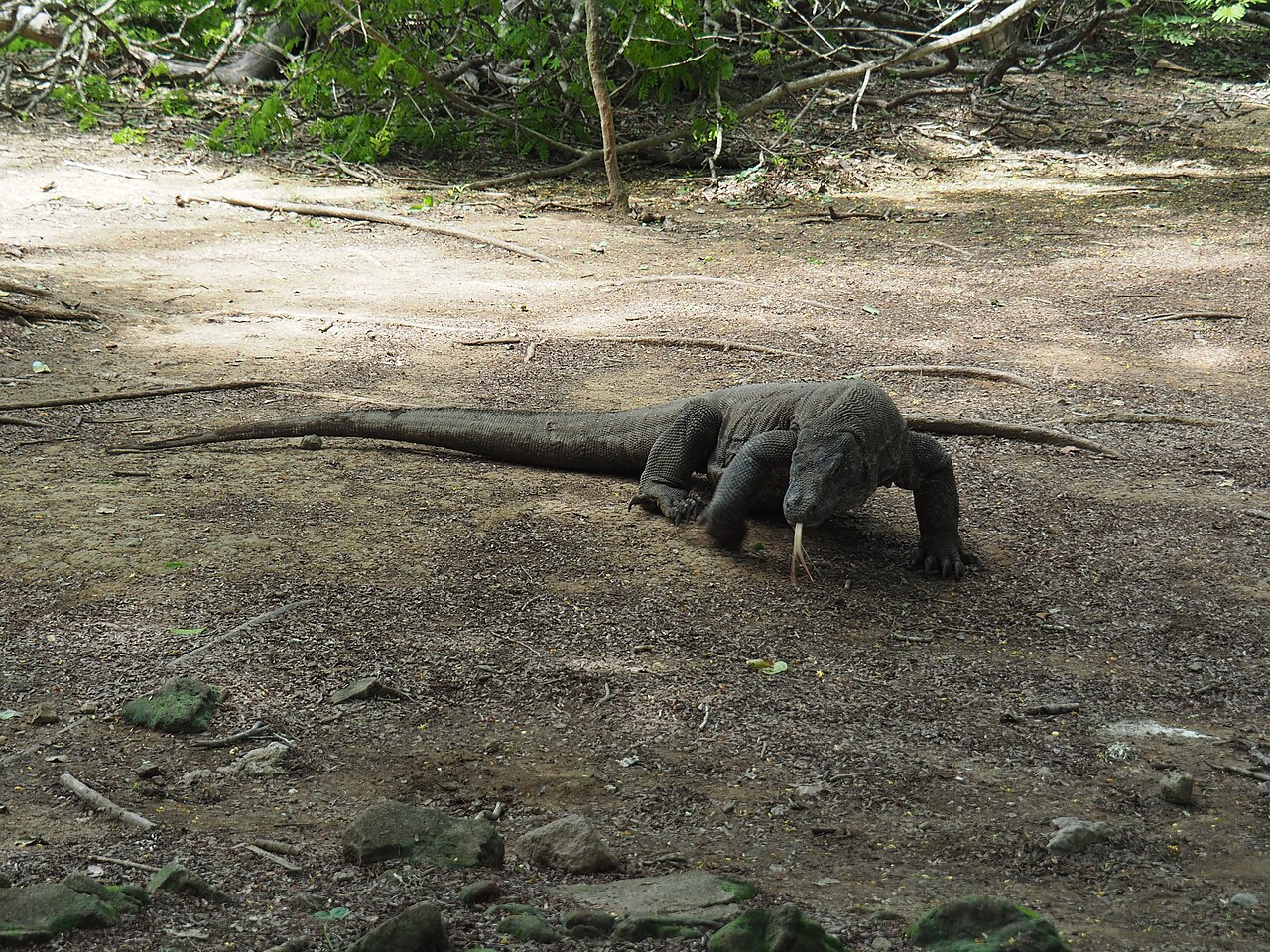
Komodo National Park is a national park in Indonesia, located within the Lesser Sunda Islands in the border region between the provinces of East Nusa Tenggara and West Nusa Tenggara. It was founded in 1980 to protect the Komodo dragon, the world's largest lizard, and later expanded to protect other species, including marine life. The park is recognized as a UNESCO World Heritage Site and a Man and Biosphere Reserve, and is considered one of the world's 25 biodiversity hotspots.
Quick Facts
- Iucn Category
- II
- Location
- Lesser Sunda Islands, Indonesia
- Established
- 1980
- Visitation Num
- 45,000
- Visitation Year
- 2010
- Governing Body
- Ministry of Environment and Forestry
Facts from the source article.
Lore & Background
The park comprises the three larger islands of Komodo, Padar, and Rinca, along with 26 smaller ones, and a coastal section of western Flores. The islands are of volcanic origin, with rugged terrain and a dry climate, receiving 800 to 1,000 mm of rainfall annually. The Komodo dragon, first discovered by the scientific world in 1912, is endemic to the area, with populations on Komodo, Rinca, Gili Motang, Gili Dasami, and Flores, while extinct on Padar.
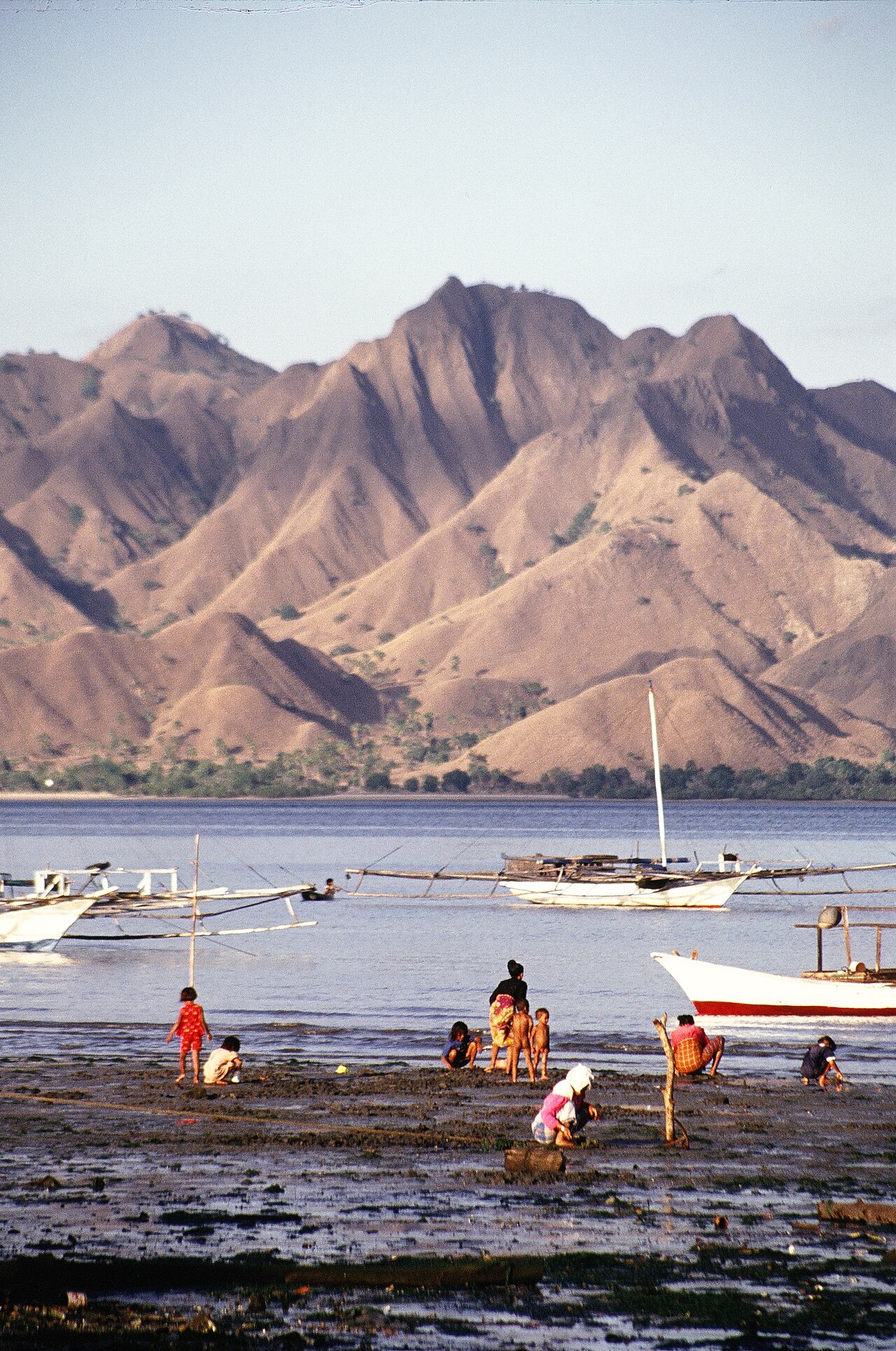
Human settlements within the park include four villages—Komodo, Rinca, Kerora, and Papagaran—all existing before the park's declaration in 1980. The population has grown significantly, with Komodo Village having 1,508 inhabitants at the 2010 Census. The majority of residents are fishermen from various ethnic groups, including Sama-Bajau, Bugis, and Manggarai. The Ata Modo, descendants of the original people, still live on Komodo, though no full-blooded Ata Modo remain.
Tourism has become a major industry since the late 1980s and 1990s, but benefits largely go to operators outside the park, with local communities seeing little gain. The park's waters are part of the Coral Triangle, containing some of the richest marine biodiversity on Earth, and it is also a WWF Global 200 Marine Eco-region and an Endemic Bird Area.
Reader's Guide
Komodo National Park holds global significance as a biodiversity hotspot and a UNESCO World Heritage Site, primarily for its role in conserving the Komodo dragon, the world's largest lizard. The park's establishment in 1980 marked a turning point for the species, which was first documented in 1912. Over time, conservation goals expanded to include the entire terrestrial and marine ecosystem, reflecting the park's rich biodiversity. The marine zone, covering 60% of the park, is part of the Coral Triangle, making it a critical area for marine conservation. The park also serves as a Man and Biosphere Reserve, an ASEAN Heritage Park, and a WWF Global 200 Marine Eco-region. Despite its ecological importance, the park faces challenges from human pressures, including a growing population reliant on marine resources, limited education and healthcare, and tourism revenue that largely bypasses local communities. The park's designation as one of the New 7 Wonders of Nature highlights its global appeal, but sustainable management remains essential to balance conservation with the needs of the people living within and around it.
Did You Know?
- The park includes three larger islands—Komodo, Padar, and Rinca—and 26 smaller ones.
- The Komodo dragon is extinct on Padar island.
- The park was declared a UNESCO World Heritage Site in 1991.
A Layered Legacy of Protection
The story of Komodo National Park's conservation status spans nearly seven decades of escalating international recognition. The earliest formal protection came in 1938, when Padar and portions of Rinca were set aside as nature reserves. Komodo Island itself followed in 1965, and by January 1977 it had been incorporated into UNESCO's Man and the Biosphere Reserve programme. The pivotal moment arrived in 1980, when the Indonesian government designated the three principal islands, Gili Motong, and surrounding waters as a national park covering 75,000 hectares. Four years later the boundary expanded dramatically to 219,322 hectares, absorbing the Mbeliling/Ngorang marine zone and the Wae Wuul/Mburak recreation parks on mainland Flores, with the marine zone ultimately accounting for sixty percent of the total area. The original mandate was narrow: safeguard the Komodo dragon, Varanus komodoensis, a species first brought to scientific attention in 1912 by Lieutenant J. K. H. van Steyn van Hensbroek. Over time, however, the park's purpose broadened to encompass the full terrestrial and marine biodiversity of the region. In 1991 UNESCO elevated the site to World Heritage status, and in 2005 it received ASEAN Heritage Park recognition, cementing its place among the most protected landscapes on the planet.
Volcanic Terrain and Oceanic Riches
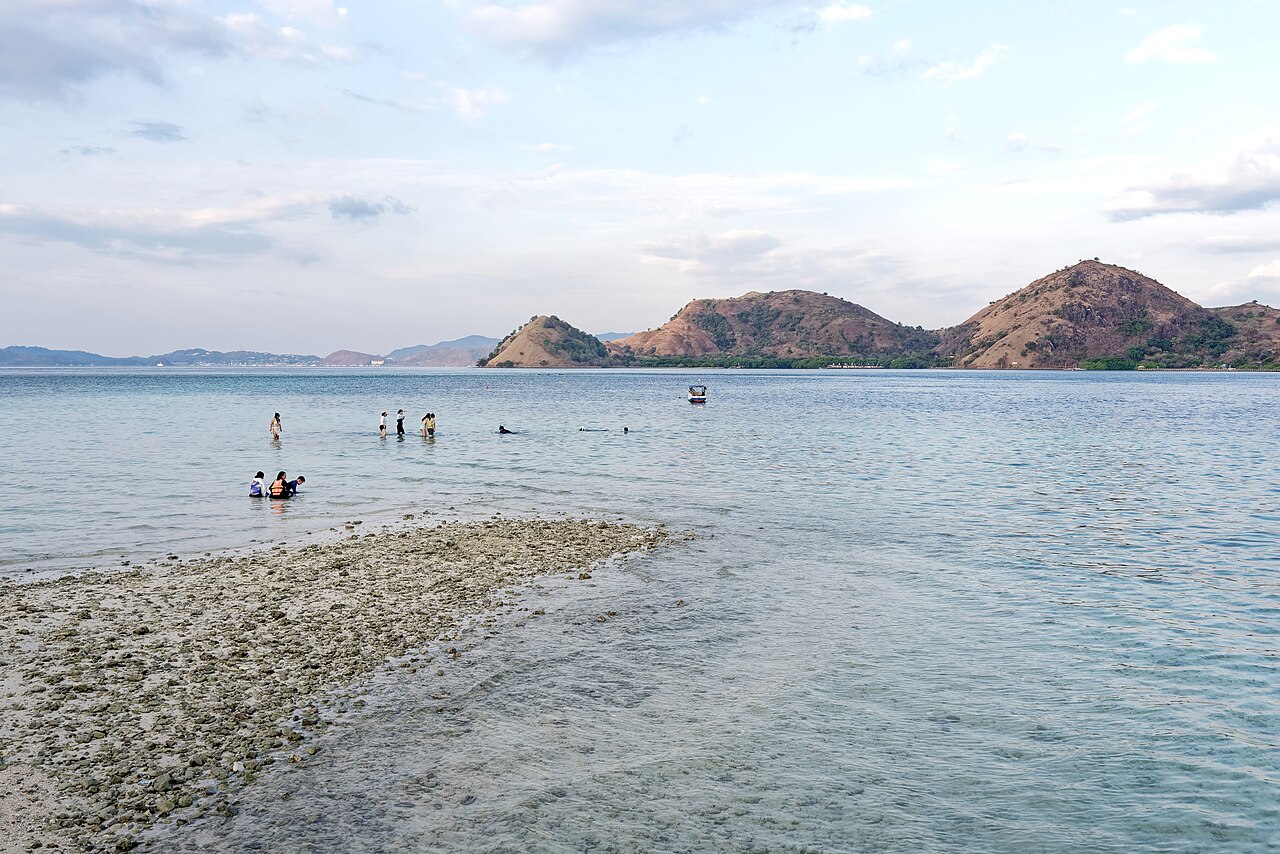
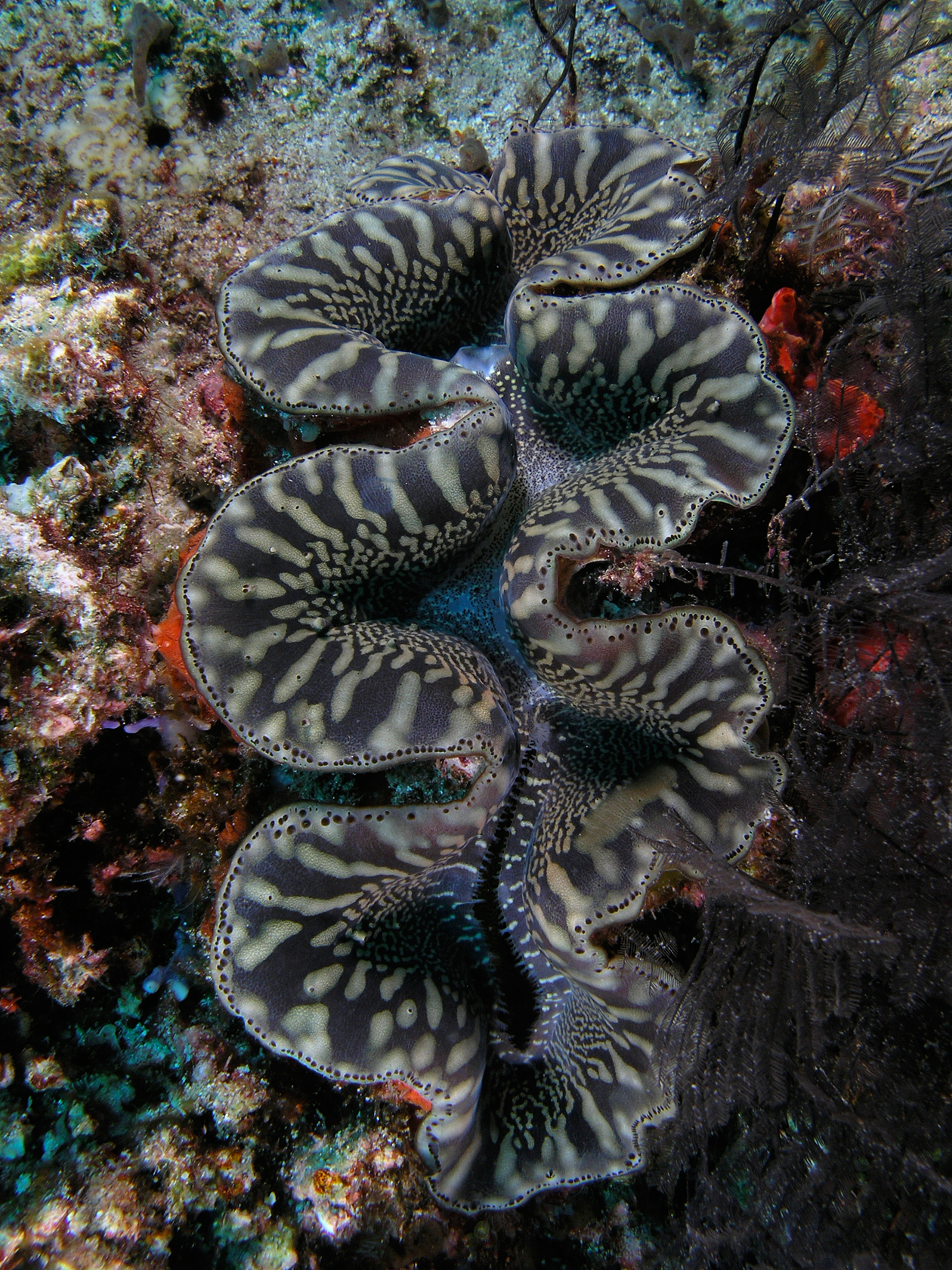
Geologically, every island within the park is of volcanic origin, producing a landscape of rugged, rounded hills that climb to elevations of roughly 735 metres. The park stretches across a coastal stretch of western Flores, the three principal islands of Komodo, Padar, and Rinca, twenty-six smaller islands, and the waters of the Sape Straits. Despite its dramatic topography, the climate ranks among the driest in all of Indonesia, receiving only 800 to 1,000 millimetres of rain annually. During the dry months from May through October, temperatures can push to around 40 degrees Celsius, creating harsh conditions for both flora and fauna. Beneath the surface, however, the surrounding waters harbour extraordinary life. The region sits within the Coral Triangle, widely regarded as the most biodiverse marine zone on Earth, and the park has been selected as one of the New 7 Wonders of Nature. It carries the designations of a WWF Global 200 Marine Eco-region, a WWF/IUCN Centre of Plant Diversity, and one of the world's Endemic Bird Areas, while Conservation International lists it among the planet's twenty-five greatest biodiversity hotspots.
Island Communities and Shifting Identities
The human story of these islands is one of layered migration and gradual cultural blending. The earliest inhabitants, the Ata Modo, were subjects of the Sultanate of Bima, though the islands' remoteness meant the sultanate's influence was limited to occasional tribute demands. Over the centuries, waves of fishermen arrived from Bima, Manggarai, South Flores, and South Sulawesi, including the Sama-Bajau and Bugis peoples. The Sama-Bajau were historically nomadic, drifting across Sulawesi, Nusa Tenggara, and Maluku in search of livelihoods. Today, no full-blooded Ata Modo remain, and their language and customs are slowly merging with those of the newer arrivals. Four settlements—Komodo, Rinca, Kerora, and Papagaran—existed before the 1980 park declaration. Growth has been striking: Komodo Village held just thirty residents in 1928, yet by the 2010 census it counted 1,508 inhabitants, with housing swelling from thirty structures in 1958 to 270 by 2000. By 2004, roughly 3,267 people lived inside the park boundaries, while another 16,816 resided in the surrounding area.
Economic Pressures and the Tourism Paradox
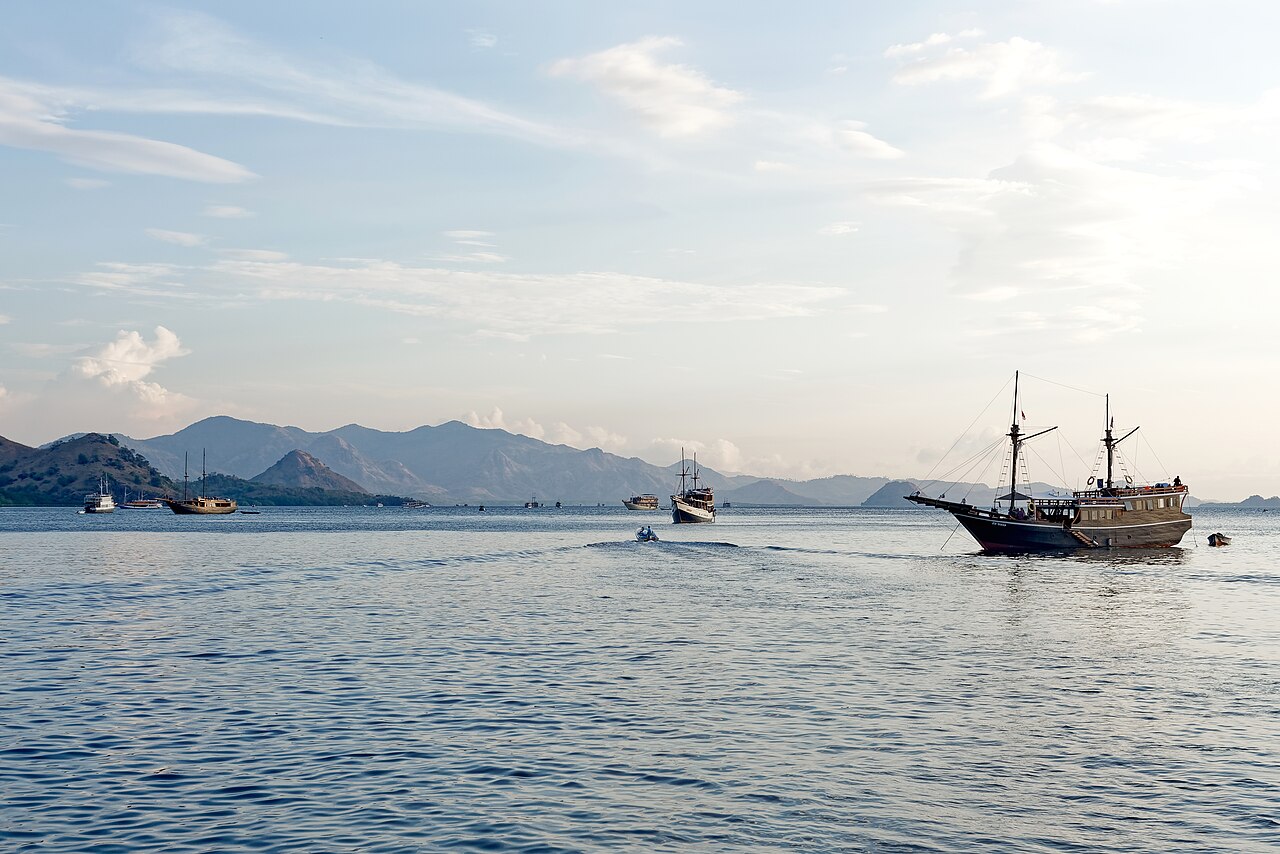
Despite the park's global prestige, the communities living within its borders face mounting economic strain. As of 2007, an estimated 97 percent of park residents depended entirely on marine resources for their income. Restrictions on resource access, combined with rising living costs, a growing population, and the absence of viable alternative livelihoods, have pushed these families toward poverty while simultaneously intensifying pressure on the very ecosystems the park exists to protect. Tourism, which emerged as a significant industry in the late 1980s and 1990s, has done little to change this equation. The sector is anchored outside the park in Labuan Bajo, and the majority of revenue generated by visitors leaks to large national or international operators rather than circulating through local households. Educational infrastructure remains minimal: each village operates a single elementary school with roughly four classes and four teachers, yet no new students are admitted each year. Most children from the small islands fail to complete elementary education, and fewer than one in ten graduates proceed to high school, leaving the next generation with severely limited economic options.
Gallery
Frequently Asked Questions
What is Komodo National Park?
It is an Indonesian national park in the Lesser Sunda Islands, covering roughly 1,733 square kilometers of land and sea. It was established in 1980 with the primary mission of protecting the Komodo dragon, the largest lizard alive today.
What official designations does Komodo National Park hold?
The park was inscribed as a UNESCO World Heritage Site in 1991 and also carries the titles of Man and Biosphere Reserve and ASEAN Heritage Park. It is recognized as one of the world's 25 biodiversity hotspots.
Where exactly is Komodo National Park located?
The park spans islands in the Lesser Sunda chain of Indonesia, straddling the boundary between East Nusa Tenggara and West Nusa Tenggara provinces. Of its total area, about 603 square kilometers is land and the remainder is marine territory.
What wildlife can visitors expect to encounter in Komodo National Park?
The park is home to the Komodo dragon (Varanus komodoensis), which is found nowhere else on Earth. Its surrounding waters also shelter a rich community of coral, fish, and other marine species that the park was later expanded to protect.
Why is Komodo National Park considered important?
It is the only natural refuge for the Komodo dragon and supports one of the most biodiverse marine ecosystems in the region. Its overlapping national, UNESCO, and biosphere protections underscore its irreplaceable role in global conservation.
More in Unesco World Heritage Parks 1-19
Spotted an error? Know more?
Reader corrections go straight into our review queue. Suggest an edit · How this site is sourced