
Kakadu National Park
World Heritage site with ancient rock art and diverse ecosystems.

Dietmar Rabich · CC BY-SA 4.0
Kakadu National Park is a protected area in the Northern Territory of Australia, 171 km southeast of Darwin. It is a World Heritage Site, renowned for its ecological diversity and rich Aboriginal cultural heritage, including over 5,000 recorded rock art sites. The park is jointly managed by Aboriginal traditional owners and Parks Australia.
Quick Facts
- Iucn Category
- II
- Location
- Northern Territory
- Established
- 1979-04-05
- Visitation Num
- 250,000
- Visitation Year
- 2002
- Nearest City
- Jabiru
- Governing Body
- Director of National Parks / Aboriginal traditional owners (the Kundjeyhmi, Kunwinjku and Jawoyn peoples)
Facts from the source article.
Lore & Background
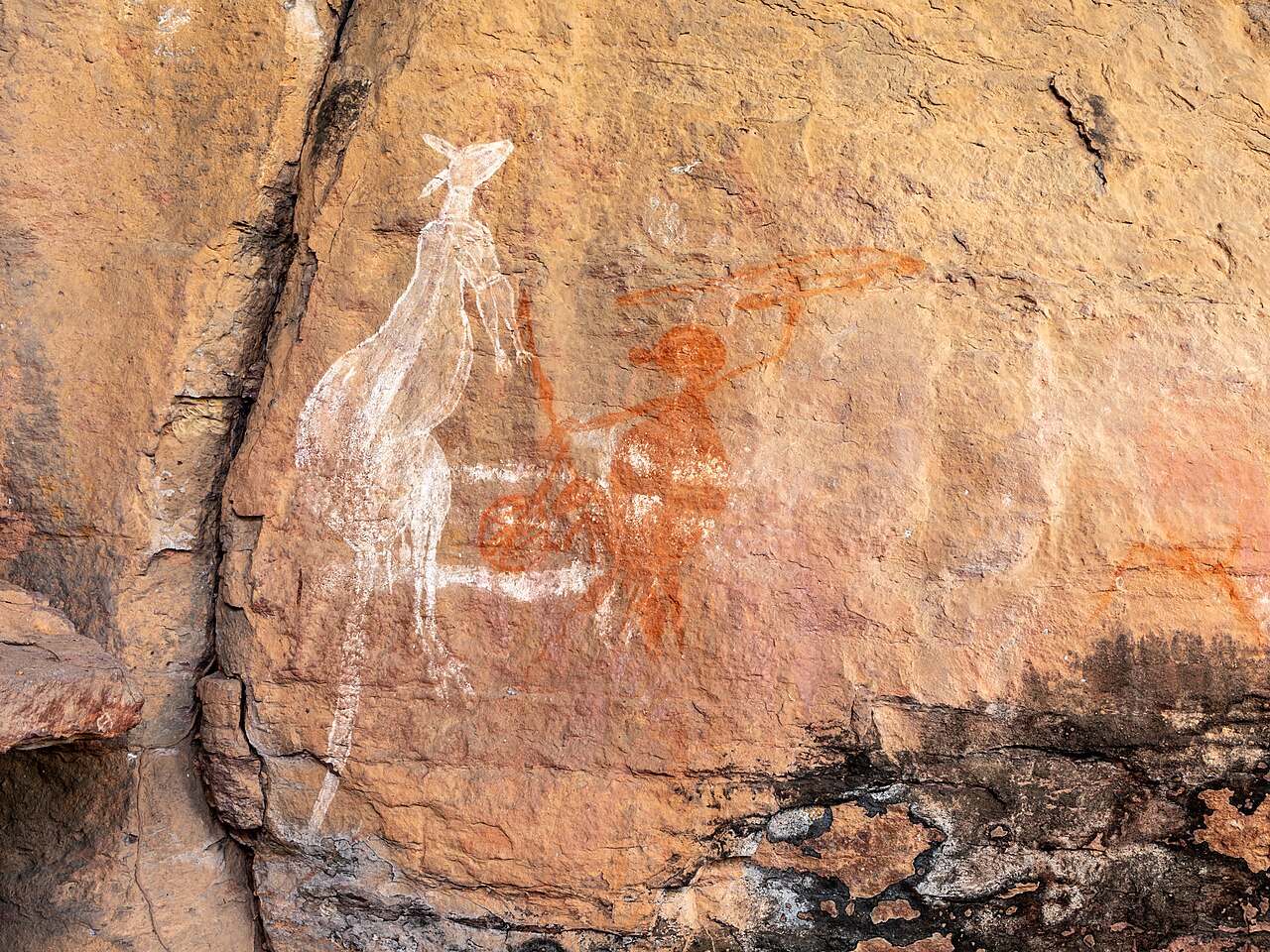
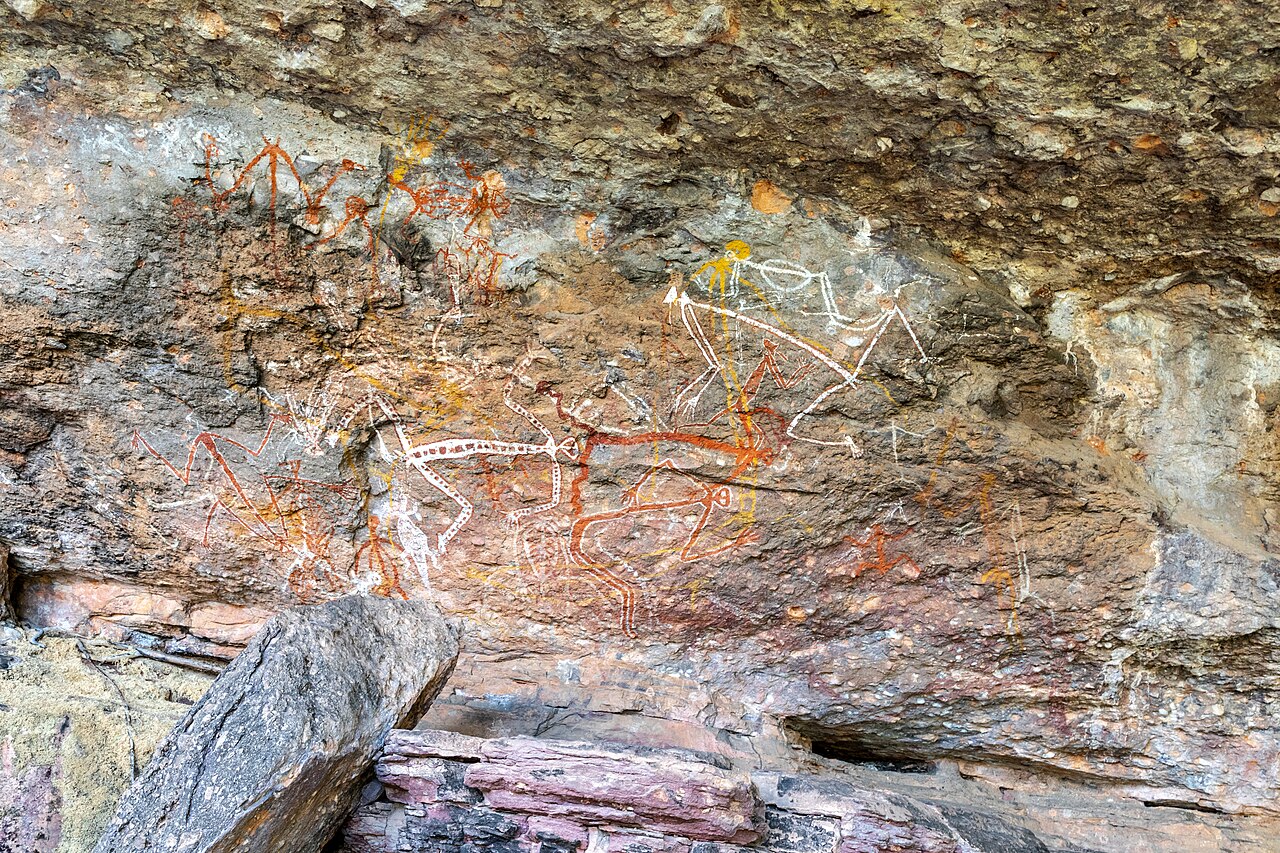
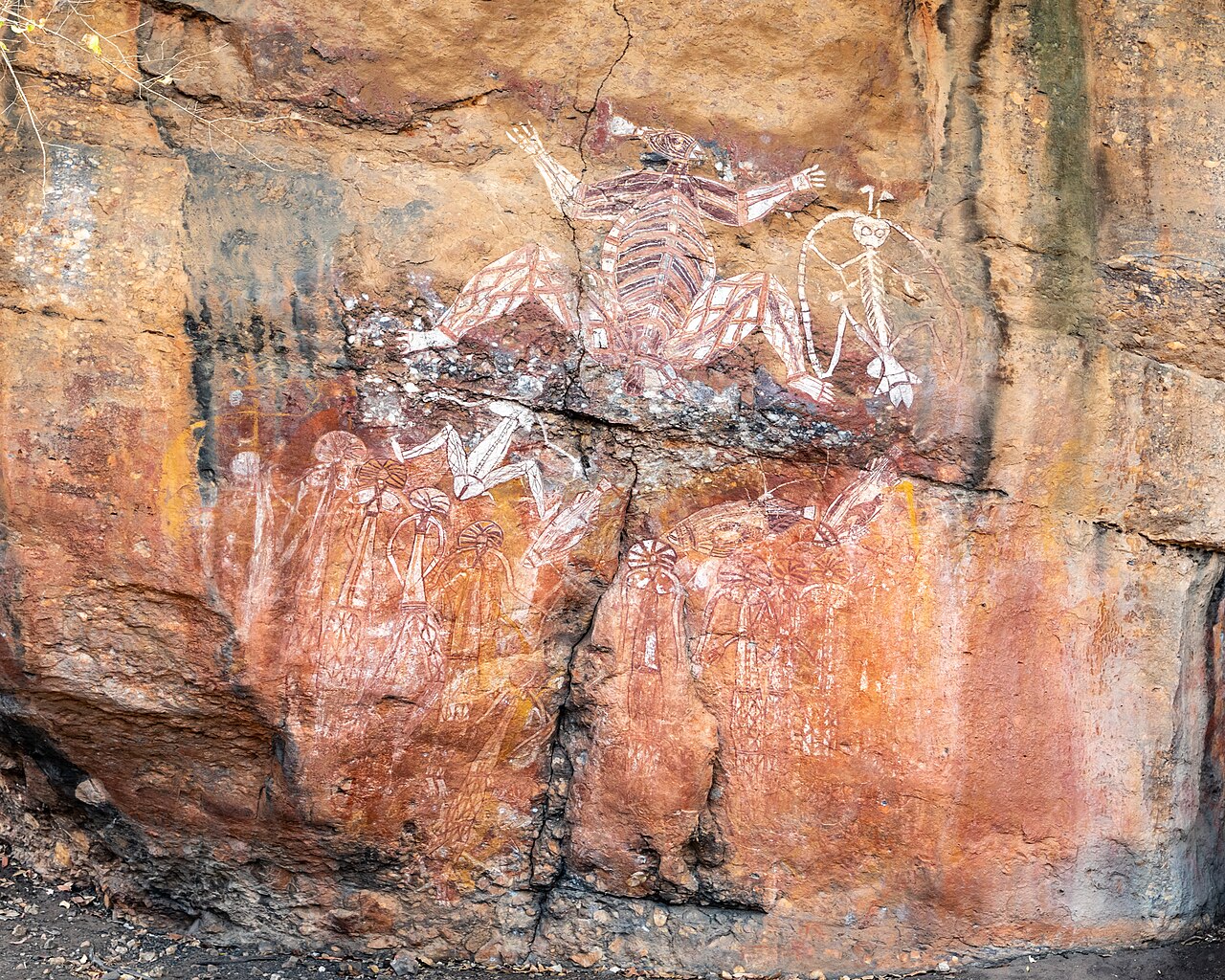
The name Kakadu likely originates from a mispronunciation of Gaagudju, an Aboriginal language. Aboriginal people have occupied the area for around 60,000 years, with archaeological sites demonstrating occupation for at least 40,000 years. The park hosts more than 5,000 art sites, including significant sites like Ubirr. European explorers first visited in the 19th century, including Ludwig Leichhardt in 1845 and John McDouall Stuart in 1862. Pastoralists claimed land from 1877, but leases were abandoned by 1889. The Ranger Uranium Mine, one of the world's most productive, operated until January 2021.
Reader's Guide
Kakadu National Park is significant for its dual World Heritage status, recognizing both natural and cultural values. It is highly ecologically and biologically diverse, hosting a wide range of habitats and species. The park is also a key site for Aboriginal rock art, with over 5,000 recorded sites illustrating thousands of years of culture. Joint management by Aboriginal traditional owners and Parks Australia represents a model of collaborative conservation. The park's history includes interactions with Makassan traders, British settlements, and later pastoralists and buffalo hunters. Invasive species such as Asian water buffalo, feral pigs, cats, and foxes pose ongoing ecological challenges. The park is fully protected under the EPBC Act.
Did You Know?
- Kakadu is roughly the size of Wales or one-third the size of Tasmania.
- The park's name likely comes from a mispronunciation of the Aboriginal language Gaagudju.
- Domestic Asian water buffalo were released into the area in the late 19th century and became an invasive pest.
- The Ranger Uranium Mine, surrounded by the park, ceased operations in January 2021.
Aboriginal Heritage & Cultural Continuity
Kakadu's deepest story belongs to the people who have called this land home for roughly 60,000 years. The park's name itself likely traces back to a mispronunciation of Gaagudju, the language spoken by communities in the north-western reaches of the region — a name explorer Baldwin Spencer incorrectly attached to the so-called Kakadu tribe. Today, more than 5,000 recorded art sites dot the landscape, with archaeological evidence pushing continuous occupation back at least 40,000 years and possibly as far as 65,000. Sites like Ubirr stand as extraordinary testaments to millennia of storytelling and spiritual practice. The Mbukarla, Wuningangk, Ngurmbur, Bininj, Bukurnidja, Gaagudju, Kundjeymi, and Kunwinjku were the resident First Nations groups when British occupation began. Crucially, most of the region remains owned by these traditional owners, who now co-manage the park alongside Parks Australia — a governance model that weaves ancient custodianship directly into modern conservation.
Vastness & Ecological Richness
Spanning 19,804 square kilometres — roughly the size of Wales or a third of Tasmania — Kakadu is Australia's second-largest national park, trailing only the Munga-Thirri–Simpson Desert National Park. Stretching nearly 200 kilometres from north to south and over 100 from east to west, it sits 171 kilometres southeast of Darwin within the Alligator Rivers Region. Despite its immense footprint, the park is fully shielded under the EPBC Act and carries World Heritage designation. Its ecological and biological diversity is remarkable: a mosaic of habitats supports an extraordinary range of flora and fauna, making it one of the continent's most biodiverse protected areas. The landscape ranges from escarpments and swamps to river systems, all threaded through by the cultural and natural heritage that earned its international recognition. With only 313 residents recorded in the 2016 census within the gazetted locality, the park remains overwhelmingly wild, a vast expanse where human presence is minimal and natural processes dominate.
Encounters with the Outside World
Long before European flags planted themselves along northern shores, Makassan sailors from Sulawesi and the broader Indonesian archipelago likely made wet-season visits to the region's coasts from the late 1600s, harvesting trepang, turtle shell, and pearls in sailing boats called praus. While no direct evidence places them on Kakadu's coastline, glass and metal fragments recovered in archaeological digs suggest cultural contact filtered through trade with Cobourg Peninsula peoples. The first confirmed foreign maritime account dates to Abel Tasman's 1644 Dutch East India Company expedition, though he probably never sighted the park's shores. Phillip Parker King's 1818 survey finally mapped the coastline, naming the three Alligator Rivers after the crocodiles he mistook for alligators. On land, Ludwig Leichhardt became the first European to traverse the region in 1845, guided through swamps by local Aboriginal people, trading goods, and recording their languages and customs. He described the scenery as of a remarkable picturesque character.
Invasive Pressures & Modern Stewardship
The arrival of non-Indigenous settlers left an ecological scar that persists to this day. Domestic Asian water buffalo, introduced in the late 19th century and traceable to the abandoned British military outposts at Fort Wellington and Victoria Settlement, became an entrenched feral population. They joined feral pigs, cats, red foxes, and rabbits — all deliberately brought by early pastoralists, missionaries, and settlers — in devastating the region's sensitive ecosystems. A mission was established at Oenpelli, now Gunbalanya, in 1925, and crocodile-hunters, woodcutters, and pastoralists made intermittent livings in the area into the early 20th century. The Ranger Uranium Mine, one of the world's most productive uranium operations, sat surrounded by the park until it ceased operations in January 2021. Progressive protection of the area began in the 1970s, and today the park's full EPBC Act status and joint Aboriginal–federal management represent a hard-won framework for healing and safeguarding this irreplaceable landscape.
Gallery
Frequently Asked Questions
Where is Kakadu National Park and what is it?
Kakadu National Park is a protected wilderness area in Australia's Northern Territory, located roughly 171 km southeast of Darwin. It holds World Heritage status and is celebrated for both its ecological richness and its extraordinary Aboriginal cultural legacy.
How big is Kakadu National Park compared to other Australian parks?
Kakadu is the largest terrestrial national park in Australia, making it the biggest land-based protected area in the country. Its vast expanse encompasses wetlands, sandstone escarpments, and tropical forests.
What makes Kakadu's rock art so significant?
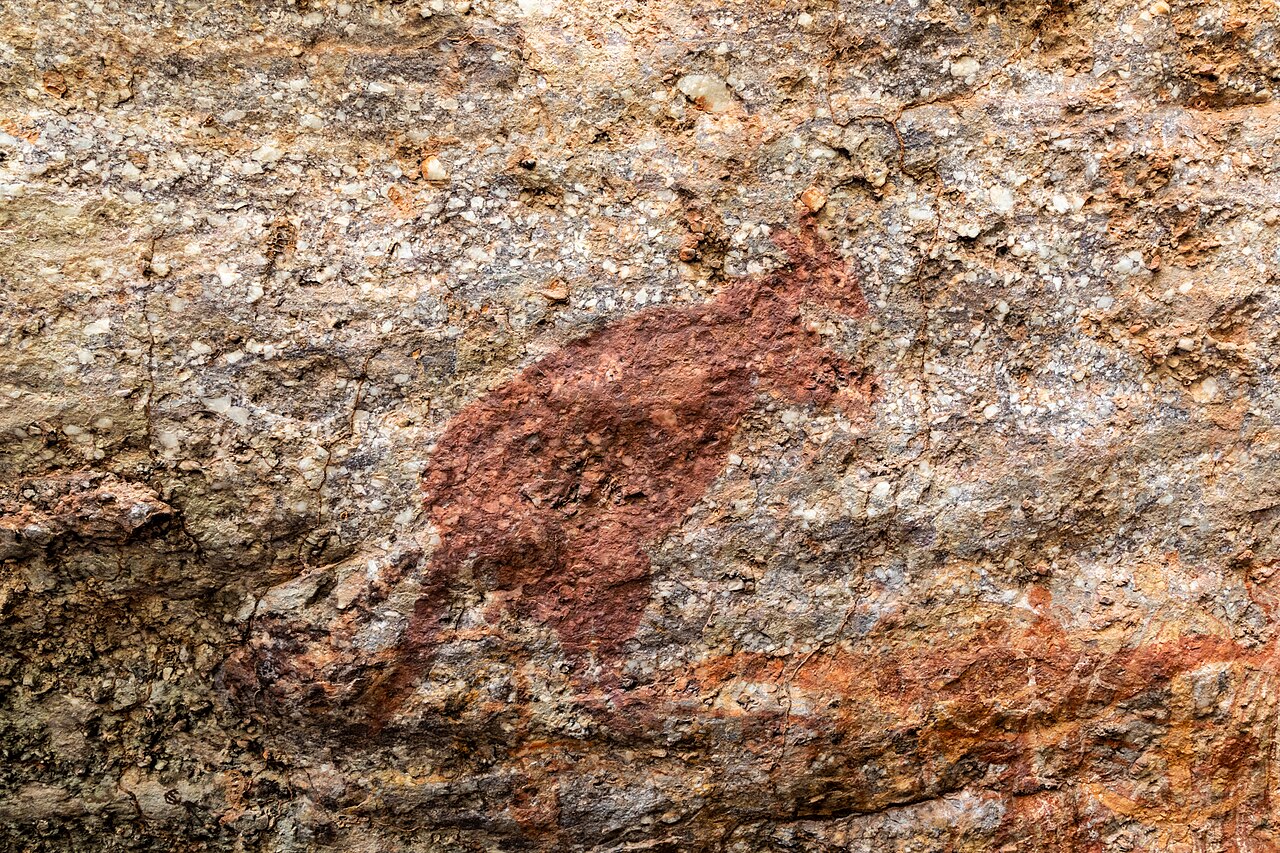
The park contains more than 5,000 documented rock art sites, some dating back tens of thousands of years. These paintings represent one of the longest continuous artistic traditions anywhere on Earth and are central to the park's World Heritage designation.
Who is responsible for managing Kakadu National Park?
Kakadu is co-managed by Aboriginal traditional owners and Parks Australia, the federal agency that oversees national parks. This joint governance model reflects the deep cultural connection the local Indigenous communities have maintained with the land for millennia.
Why does Kakadu National Park hold World Heritage status?
UNESCO inscribed Kakadu because it pairs outstanding natural ecosystems with an irreplaceable record of Aboriginal cultural expression spanning tens of thousands of years. The site demonstrates both exceptional biodiversity and a living heritage of rock art that few places on the planet can match.
More in Unesco World Heritage Parks 1-19
Spotted an error? Know more?
Reader corrections go straight into our review queue. Suggest an edit · How this site is sourced