
Banff National Park
Canada's first national park, established in 1885.

Dietmar Rabich · CC BY-SA 4.0
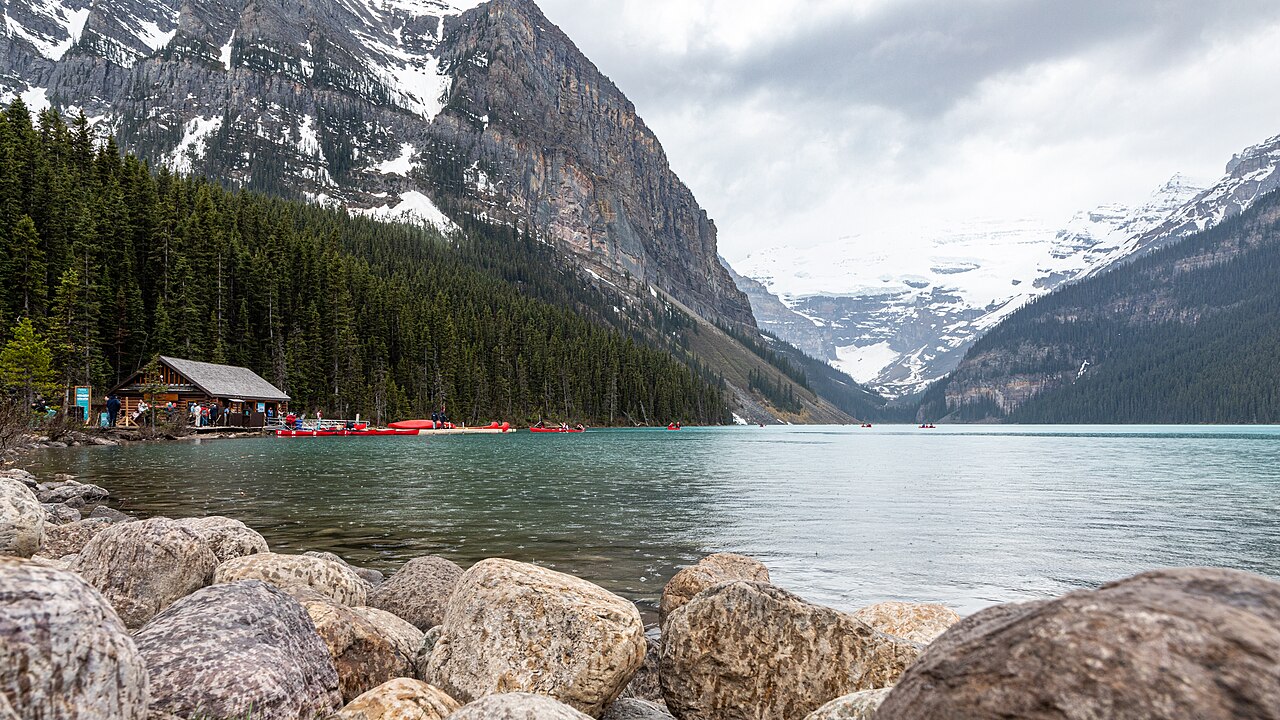
Banff National Park is Canada's first national park, established in 1885 as Rocky Mountains Park. Located in Alberta's Rocky Mountains, it encompasses 6,641 square kilometers of mountainous terrain, glaciers, and coniferous forest. The park is a major tourist destination and a key site for ecological preservation.
Quick Facts
- Iucn Category
- II
- Location
- Alberta's Rockies, Alberta, Canada
- Nearest Town
- Within the park: / Banff / Castle Junction / Lake Louise / Nearest outside the park: / Canmore
- Established
- 25 November 1885
- Visitation Num
- 4,558,171
- Visitation Year
- 2025–26
- Governing Body
- Parks Canada
Facts from the source article.
Lore & Background
Archaeological evidence at Vermilion Lakes indicates Indigenous peoples lived in the Banff area for more than 10,000 years. Before the park was established, the Stoney Nakoda lived there, using the land for hunting, spiritual, and cultural purposes. The Canadian Pacific Railway was instrumental in Banff's early years, building the Banff Springs Hotel and Chateau Lake Louise and attracting tourists through extensive advertising. In the early 20th century, roads were built by war internees from World War I and through Great Depression-era public works projects.
Reader's Guide
Banff National Park holds significance as Canada's first national park and a model for protected areas. Its establishment in 1885 as Rocky Mountains Park set a precedent for conservation in Canada. The park's history includes the removal of the Stoney Nakoda First Nation between 1890 and 1920 to appeal to sportsmen and tourists. Since the 1960s, park accommodations have been open all year, with annual tourism visits increasing to over 5 million in the 1990s. The health of its ecosystem has been threatened by over three million annual visitors, leading Parks Canada to initiate a two-year study in the mid-1990s that resulted in management recommendations and new policies aimed at preserving ecological integrity. The park's subarctic climate and three ecoregions support diverse wildlife, including grizzly bears, cougars, elk, and bighorn sheep.
Did You Know?
- Banff was originally named Rocky Mountains Park when established in 1885.
- The park was expanded to 11,400 km² in 1902, then reduced to 4,663 km² in 1911.
- During World War I, immigrants from Austria-Hungary and Germany were interned at Castle Mountain and Cave and Basin.
- The Columbia Icefield, the largest uninterrupted glacial mass in the Rockies, straddles the boundary between Banff and Jasper National Parks, with the majority of its area lying in Jasper National Park.
Geological & Glacial Heritage
The mountains of Banff are the product of an ancient tectonic collision. Between roughly 80 and 55 million years ago, sedimentary rock layers were thrust eastward over younger strata, building the backbone of the Canadian Rockies. Over the subsequent millions of years, repeated glacial advances blanketed much of what is now the park, and the combined scouring of ice and meltwater carved the peaks, valleys, and cirques into the dramatic shapes visible today. Glaciers persist on the upper slopes, most notably the Columbia Icefield, the largest continuous glacial mass in the Rocky Mountains. The park's terrain spans 6,641 square kilometres of rugged, glacier-studded landscape in Alberta, sitting 110 to 180 kilometres west of Calgary. To the north, the Icefields Parkway threads from Lake Louise toward Jasper; to the west lies Yoho National Park; to the south, Kootenay National Park in British Columbia; and to the southeast, Kananaskis Country. Together these boundaries frame a region where deep time is written into every ridge and valley floor.
Indigenous Heritage & the Cost of Conservation
Long before any government drew a boundary line, the Banff region was a living landscape for Indigenous peoples. Archaeological traces at Vermilion Lakes push human activity back more than 10,000 years. The Stoney Nakoda, Ktunaxa, Tsuut'ina, Kainaiwa, Piikani, Siksika, and Plains Cree all moved through the area seasonally—hunting, fishing, trading, travelling, and practising cultural and spiritual traditions. The thermal springs at Cave and Basin held particular spiritual significance for the Nakoda, and place names such as Lake Minnewanka and the Waputik Range still carry Stoney Nakoda language. Yet the very act of creating a national park carried a darker purpose. Between 1890 and 1920, the Stoney Nakoda First Nation were removed from the park. The exclusionary policy served multiple agendas at once: opening the land to sportsmen and tourists, conserving game for hunting, and advancing a broader colonial project of civilizing Indigenous peoples. The park's founding story, then, is inseparable from the displacement of the people who had stewarded the land for millennia.
The Railway, the Springs, and the Birth of a Park
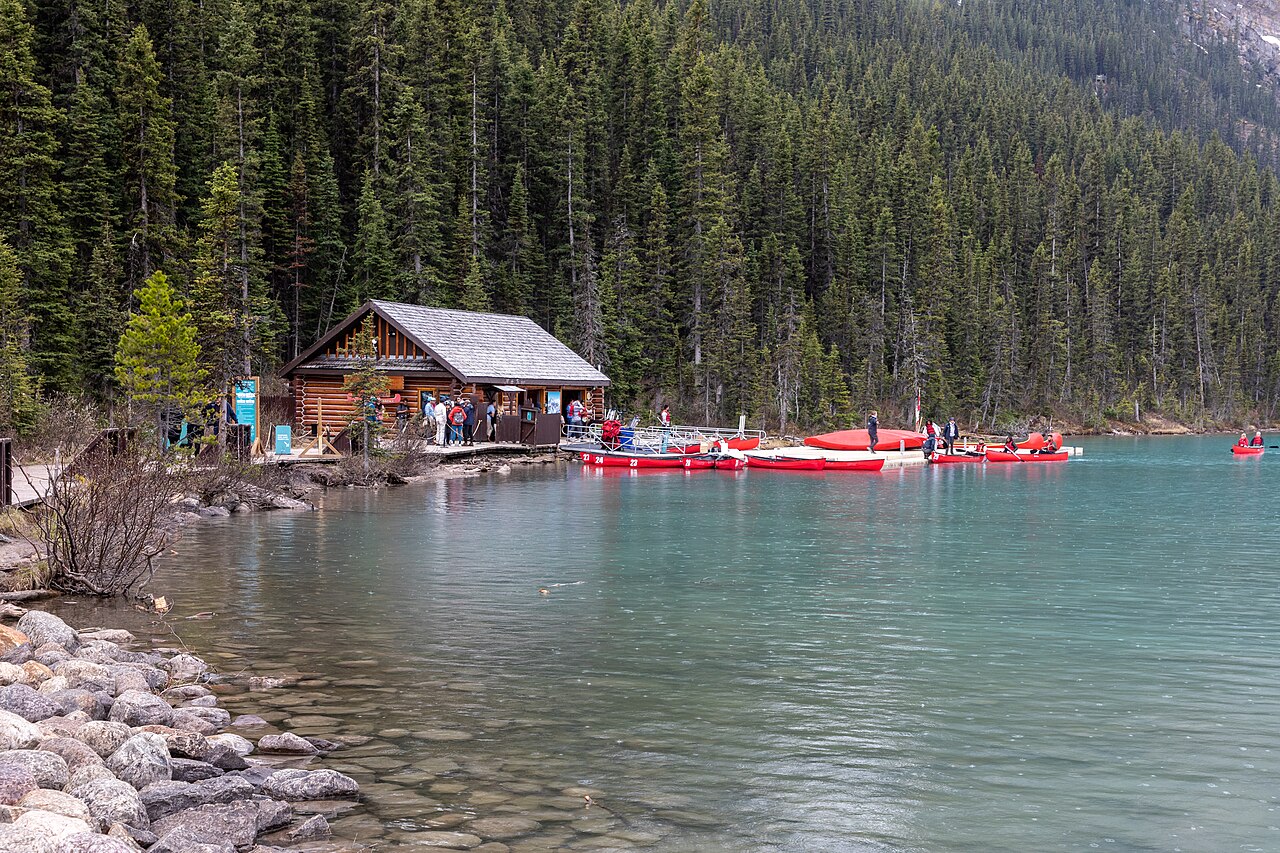
Banff's origin is inextricable from the Canadian Pacific Railway. In 1883, rail workers driving a route through Kicking Horse Pass stumbled upon the hot springs at Cave and Basin, sparking a scramble of competing claims. Prime Minister John A. Macdonald responded in 1885 by reserving a modest 26-square-kilometre tract as the Banff Hot Springs Reserve. The Rocky Mountains Park Act of 1887 expanded that to 674 square kilometres, making it Canada's first national park and the third in North America after Yellowstone and Mackinac. The CPR then built the Banff Springs Hotel and the Lake Louise Chalet, marketing the mountains to wealthy European and American travellers who arrived by trans-Atlantic liner and continued west by rail. Local guides Jim and Bill Brewster launched one of the region's first outfitter businesses, and from 1906 the Alpine Club of Canada organized climbs and camps. By 1911 automobiles could reach Banff from Calgary, and the Brewsters began motorcoach tours in 1916.
Ecosystem & the Visitor Paradox
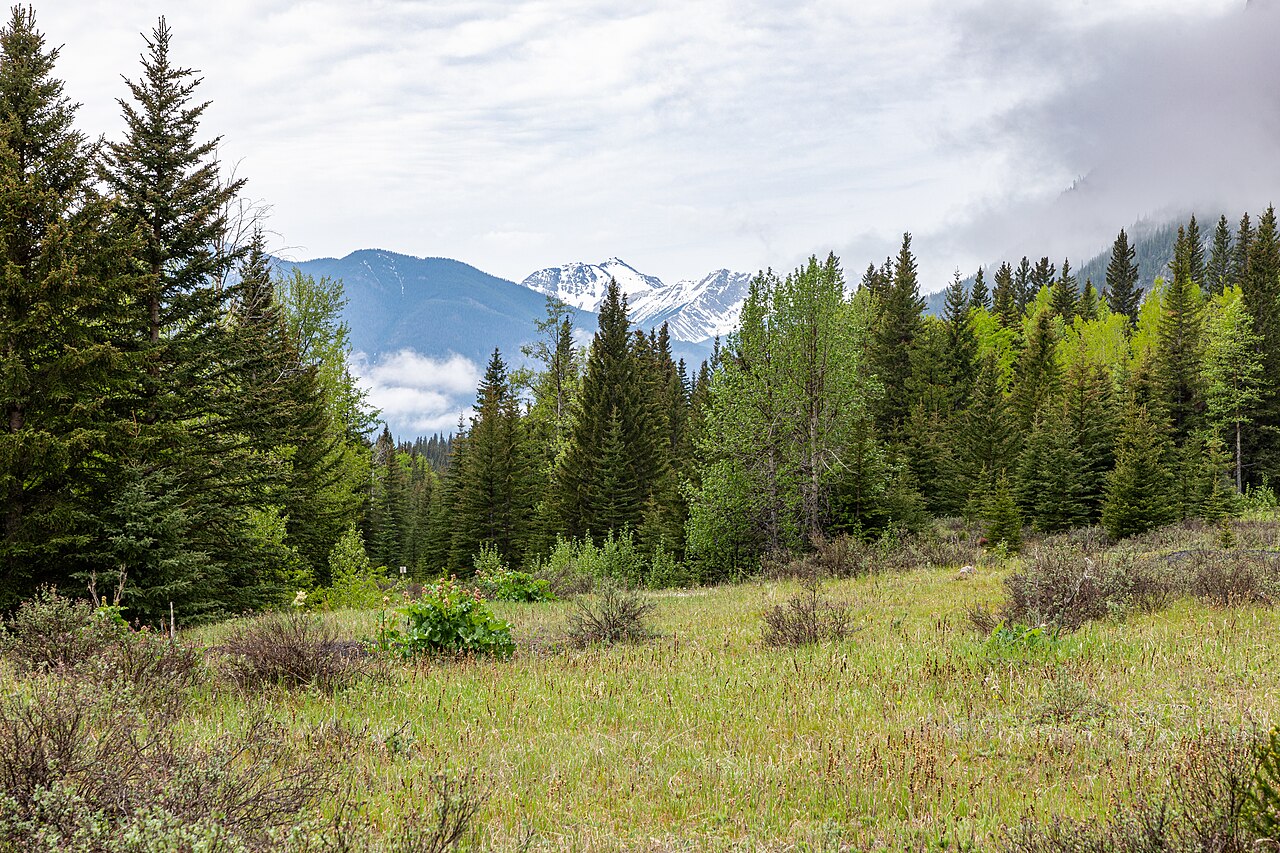
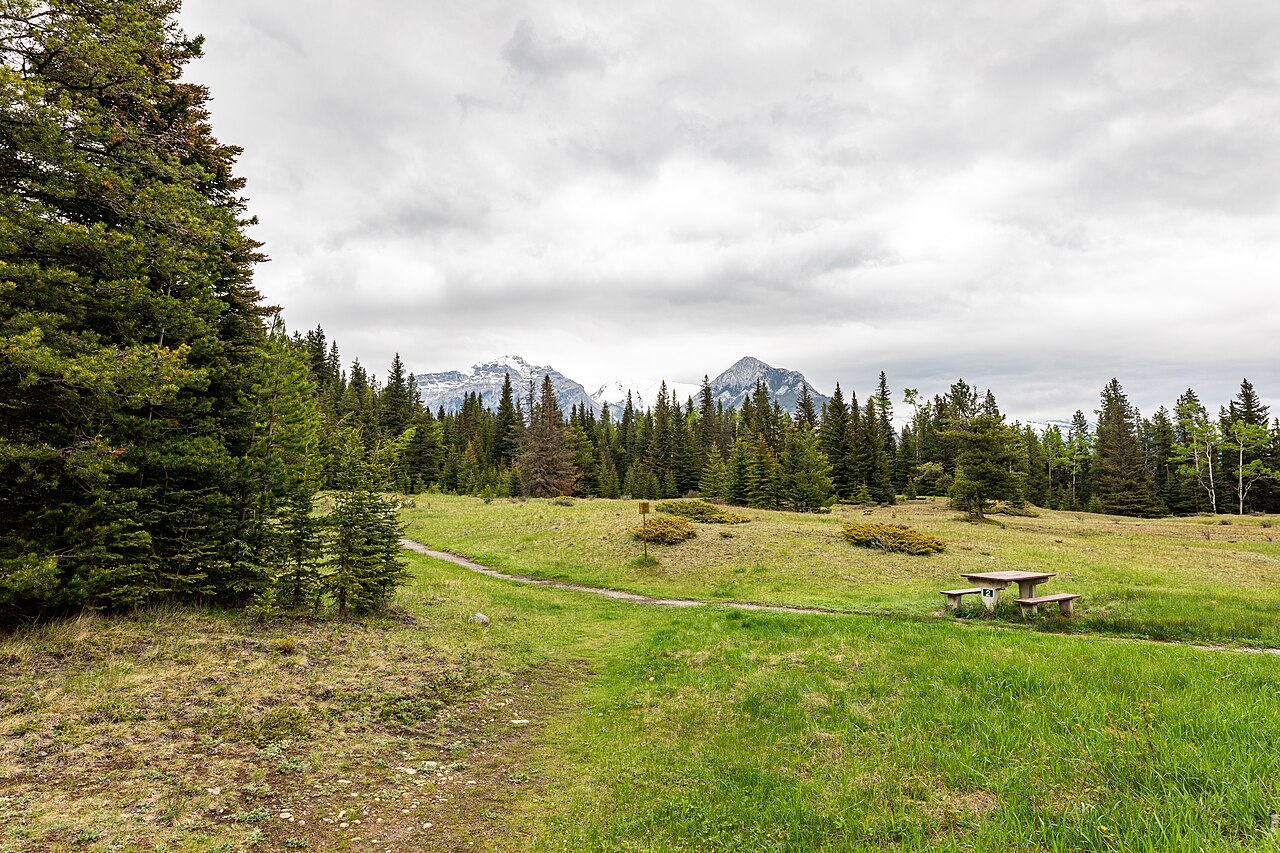
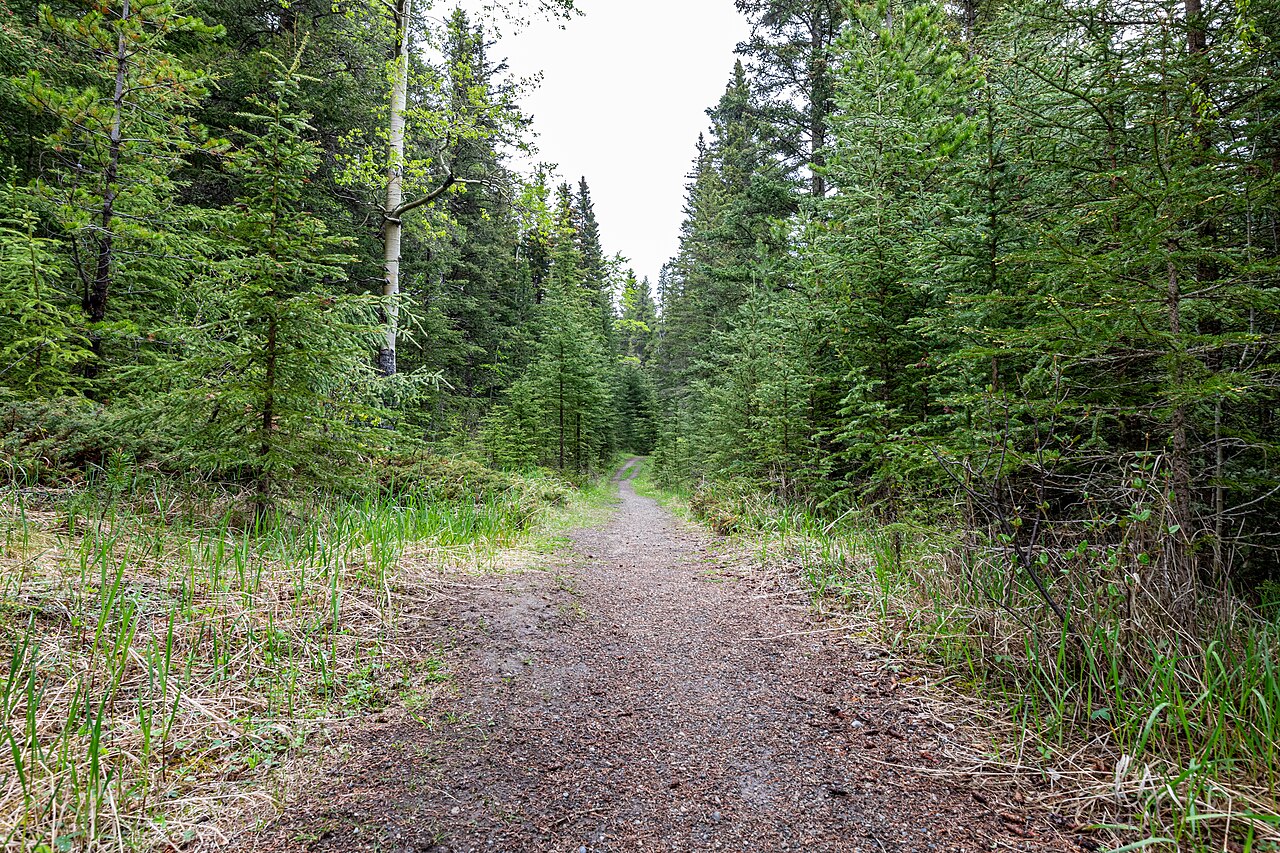
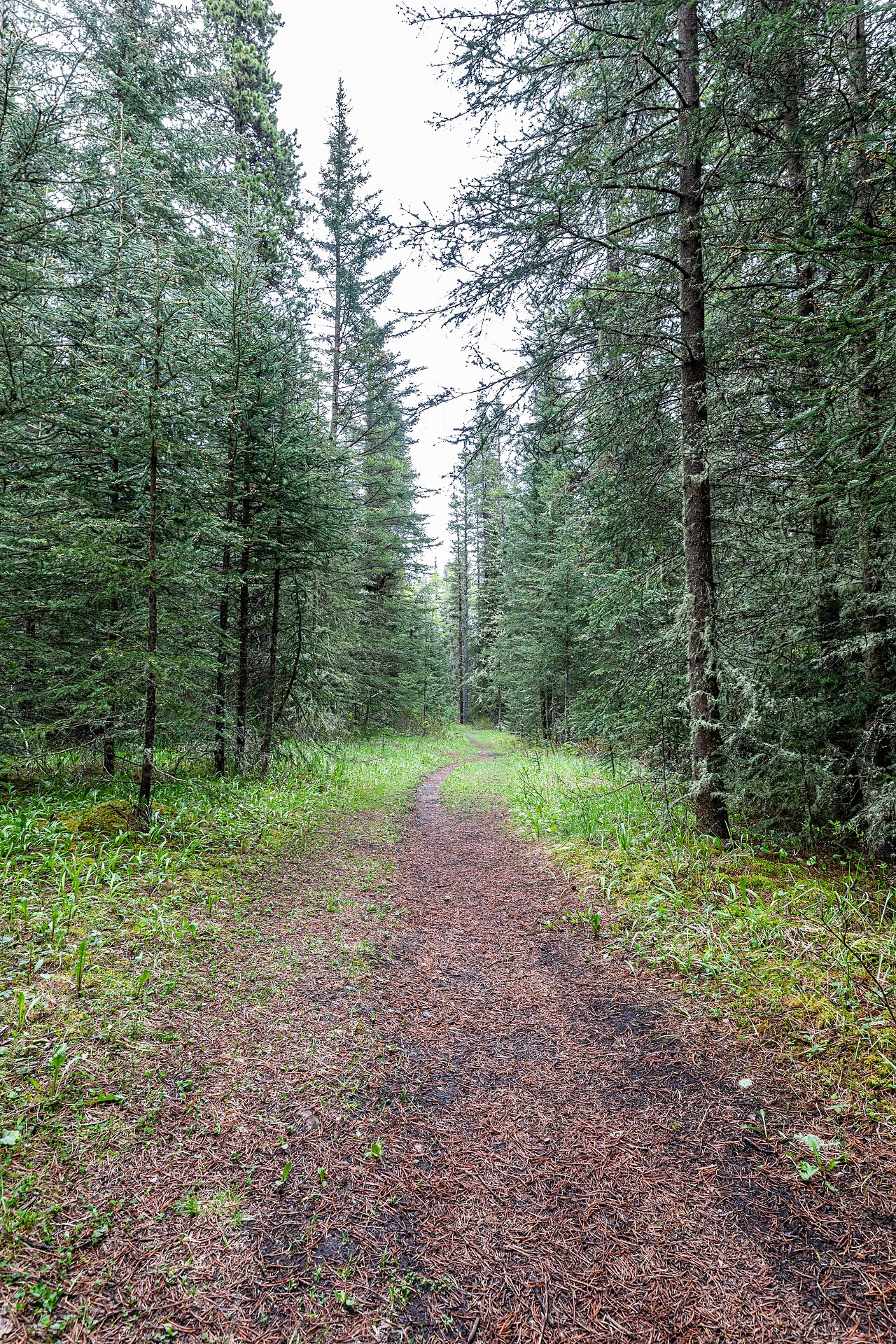
Banff sits in a subarctic climate zone divided into montane, subalpine, and alpine ecoregions. Lodgepole pine dominates the lower forests, giving way to Engelmann spruce near the treeline, above which bare rock and ice take over. The park shelters grizzly bears, cougars, wolverines, elk, bighorn sheep, and moose, alongside hundreds of bird species and a smaller but present community of reptiles and amphibians. Since the 1960s, accommodations have operated year-round, and by the 1990s annual tourism visits had surged past five million, with millions more simply passing through on the Trans-Canada Highway. That volume of human traffic began to strain the ecosystem's health. In the mid-1990s Parks Canada launched a two-year study that produced new management policies explicitly aimed at preserving ecological integrity. The tension between a landscape that draws millions and the fragile alpine and glacial systems that make it extraordinary remains the park's central, ongoing challenge.
Gallery
Frequently Asked Questions
What exactly is Banff National Park?
Banff National Park is Canada's very first national park, tucked into the Rocky Mountains of Alberta. It was originally created in 1885 under the name Rocky Mountains Park and has since grown into a 6,641-square-kilometer stretch of mountains, glaciers, and coniferous forest.
Why did UNESCO give Banff National Park its World Heritage designation?
UNESCO recognized the park for its outstanding natural values, including its dramatic mountain landscapes and the full range of montane, subalpine, and alpine ecoregions it protects. It stands as a prime example of an intact Rocky Mountain wilderness in North America.
How much land does Banff National Park actually cover?
The park spans roughly 6,641 square kilometers (about 2,564 square miles) of rugged terrain in central Alberta. That area includes everything from valley-floor forests up to high alpine zones and glacial valleys.
Is Banff National Park a popular destination?
Absolutely—more than three million visitors head to the park every year to hike, ski, and take in the scenery. It remains one of the most visited national parks in all of Canada while also serving as a critical refuge for wildlife and ecological preservation.
What kinds of ecosystems live inside Banff National Park?
The park is home to three distinct ecoregions: montane, subalpine, and alpine. Together they support a rich tapestry of coniferous forest, open meadows, and cold alpine tundra that give the park its layered, vertically zoned character.
More in Unesco World Heritage Parks 1-19
Spotted an error? Know more?
Reader corrections go straight into our review queue. Suggest an edit · How this site is sourced