Louisiana
U.S. state with French heritage, parishes, and Gulf Coast.

Mark Holloway · CC BY 2.0
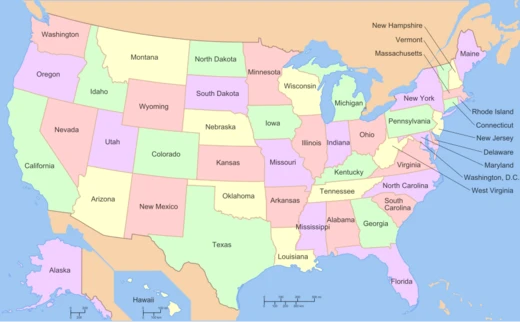
Louisiana is a state in the Deep South and South Central regions of the United States, bordered by Texas, Arkansas, and Mississippi. It ranks 31st in area and 25th in population among U.S. states, with roughly 4.6 million residents. Reflecting its French heritage, Louisiana is the only U.S. state with political subdivisions termed parishes, and Baton Rouge is its capital, while New Orleans is its most populous city. Its coastline along the Gulf of Mexico and the Mississippi River delta shape much of its topography and ecology.
Quick Facts
- Native Name
- fr · Louisiane / es · Luisiana / lou · Lwizyàn
- Flag Link
- Flag of Louisiana
- Seal Link
- Seal of Louisiana
- Nickname
- Pelican State (official) · Bayou State · Creole State · Sportsman's Paradise · The Boot
- Population Demonym
- Louisianian / Louisianais (Cajun or Creole heritage)
- Motto
- la · Unio, Iustitia, Confidentia / (English: "Union, Justice, Confidence")
- Anthem
- "You Are My Sunshine" · State march song: · "You Are My Sunshine" · Environmental song: · "Gifts of the Earth"
- Largestcity
- New Orleans
- Largestcounty
- East Baton Rouge Parish
- Largestmetro
- Greater New Orleans
- Officiallang
- None constitutionally specified; Louisiana French (special status under CODOFIL)
- Languages
- As of 2010 · English 91.26% / French 3.45% (incl. Cajun and Creole) / Spanish 3.30%
Facts from the source article.
Lore & Background
Louisiana's lands were largely formed from sediment washed down the Mississippi River, creating enormous deltas and coastal marsh and swamp. These areas host a rich southern biota, including ibises, egrets, American green tree frogs, sturgeon, and paddlefish. More elevated northern regions contain tallgrass prairie, longleaf pine forest, and wet savannas, supporting many plant species such as terrestrial orchids and carnivorous plants. Over half the state is forested. The state's location at the confluence of the Mississippi River System and the Gulf of Mexico attracted various indigenous groups thousands of years before European arrival. Louisiana has four federally recognized and ten state-recognized Native American tribes, the most of any southern state.
Reader's Guide
Louisiana's significance stems from its unique French colonial heritage, reflected in its toponyms, dialects, culture, demographics, and legal system. It is the only U.S. state with parishes instead of counties, and it has never had an official language, with the state constitution protecting the right to preserve historic linguistic origins. The territory was claimed by France in 1682, ruled by Spain from 1762 to 1801, briefly returned to French rule, and was sold to the U.S. in 1803. It became a state in 1812 and was one of the original seven Confederate states during the American Civil War. Louisiana's multilingual and multicultural makeup includes influences from French, Spanish, French Canadian, Acadian, Saint-Domingue Creole, Native American, West African, Filipino, and Vietnamese cultures. However, the state frequently ranks low in health, education, and development, with high rates of poverty and homicide; it was ranked the least healthy state in 2018 and has had the highest homicide rate since at least the 1990s.
Did You Know?
- The state was named after Louis XIV, King of France from 1643 to 1715.
- Louisiana has never had an official language, and its constitution protects the right to preserve historic linguistic origins.
The Legislative Selection Era (1812–1824)
From the moment Louisiana was admitted to the Union in 1812, the state has cast its voice in every U.S. presidential contest with one notable exception. During the earliest years of its political life, from 1812 through 1824, Louisiana did not hold a popular vote for president. Instead, each member of the Electoral College was chosen directly by the state legislature, a practice that placed the selection of the nation's chief executive squarely in the hands of a small body of elected officials rather than the broader electorate. This arrangement reflected the still-evolving democratic norms of the early republic, when many states had not yet extended direct popular participation to the highest office. The era concluded with the turbulent election of 1824, which shattered the existing party structure and set the stage for the modern two-party system that would dominate American politics for generations to come.
The 1824 Corrupt Bargain
The presidential election of 1824 stands as a singular event in American political history, and Louisiana's participation in it was shaped by the collapse of the once-dominant Democratic-Republican Party. With that party fractured, four candidates each claimed its banner and competed for influence across different regions of the country. No candidate secured a majority of the electoral vote, triggering a constitutional mechanism that had never before been invoked: under the Twelfth Amendment, the House of Representatives selected the president. The outcome was a first and only in history — the candidate who had received the largest plurality of electoral votes, Andrew Jackson, did not become president. John Adams ultimately took the White House, and Jackson and his supporters denounced the result as a corrupt bargain. The bitterness that followed from that election would fuel Jackson's political career and reshape the party landscape for decades.
The 1860 Fracture and Secession
The election of 1860 represented a profound realignment in American politics, one that shattered the previous two-party structure and sent four distinct parties into competition across different regions of the country. In Louisiana, the stakes were existential. The victory of a candidate who was an ardent opponent of slavery sent shockwaves through the Southern states and directly spurred the secession of eleven states from the Union. The political fracture that began in that election ultimately brought about the American Civil War, a conflict that would reshape the state's relationship with the federal government and the lives of its citizens. For Louisiana, the 1860 contest was not merely a choice between candidates but a referendum on the institution of slavery and the state's place within the federal union. The consequences of that single election reverberated through every subsequent political contest the state would face.
The 1864 Civil War Anomaly
Of all the presidential elections Louisiana has participated in since achieving statehood in 1812, exactly one stands as an exception: the election of 1864. By that time, the American Civil War had engulfed the nation, and Louisiana found itself under Union military control. The state did hold its own elections during that period, but the electors who were ultimately selected were never counted toward the national total. This made 1864 the sole instance in Louisiana's history where the state's presidential vote was effectively nullified. The episode underscores how the Civil War disrupted the normal functioning of American democracy, even in states that had seceded and were now occupied by federal forces. For Louisiana, the 1864 anomaly remains a unique footnote — the only time in over two centuries of presidential elections that the state's choice did not register on the national electoral map.
Gallery



Frequently Asked Questions
What makes Louisiana different from every other U.S. state?
Louisiana is the only state whose local government divisions are called parishes instead of counties, a naming convention carried over from its French colonial era. That single distinction sets it apart in the entire union.
What is Louisiana's capital and its largest city?
Baton Rouge holds the capital seat, while New Orleans is the most populous city at roughly 363,000 residents. The two cities anchor very different sides of state life—government versus culture and commerce.
Where is Louisiana located and what borders it?
Louisiana sits in the Deep South along the Gulf of Mexico, flanked by Texas to the west, Arkansas to the north, and Mississippi to the east. Its southern boundary is defined by an extensive coastline and the Mississippi River delta.
When did Louisiana become a state?
Louisiana was admitted to the Union in 1812 as the 18th state. Today it ranks 25th in population with about 4.6 million residents and 31st in total land area among all fifty states.
Why is Louisiana's coastline and river delta so important to the state?
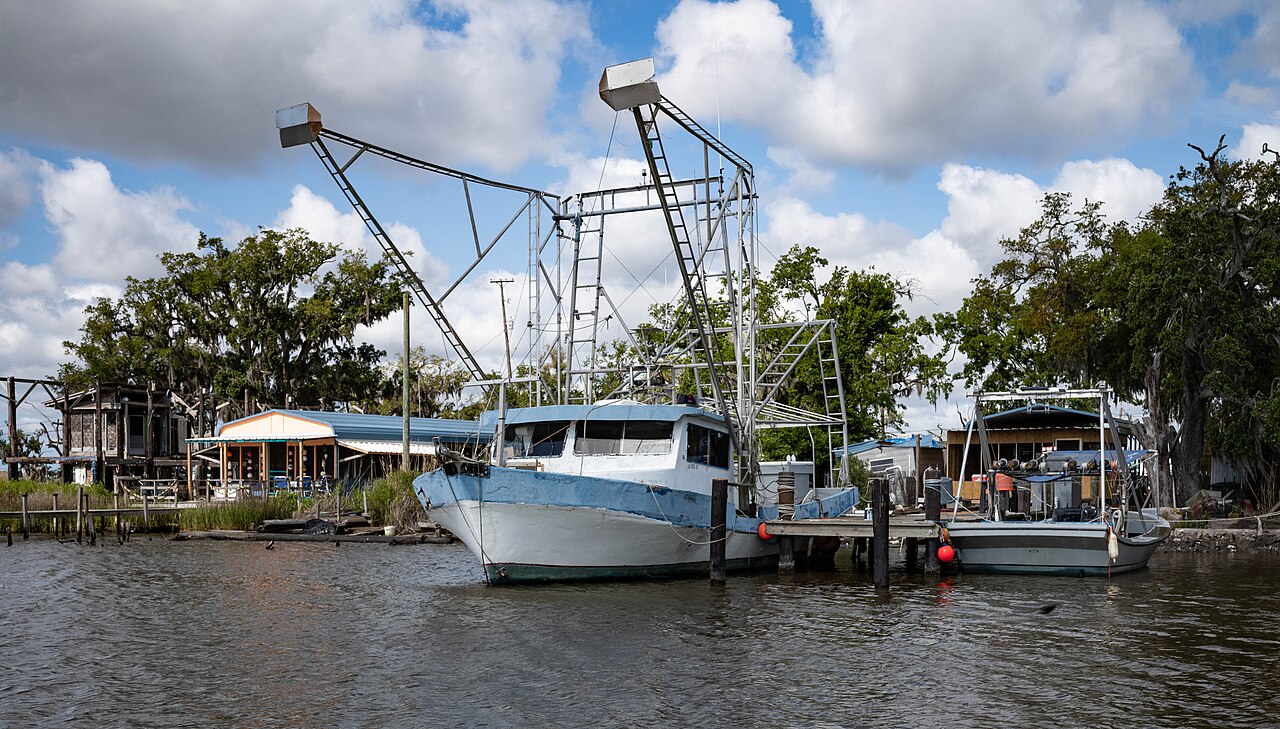
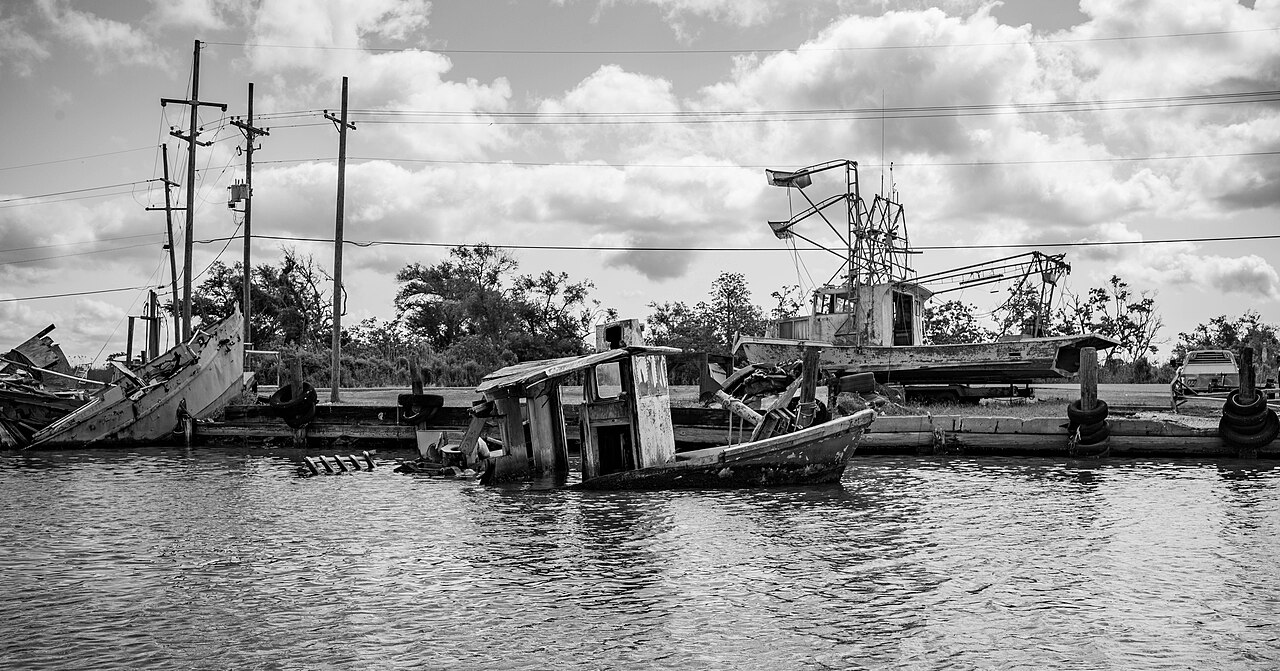
The Gulf Coast and the Mississippi River delta shape the state's ecology, economy, and daily life, from its seafood traditions to its vulnerability to hurricanes and rising sea levels. Much of Louisiana's low-lying topography is a direct product of those waterways.
More in U.S. States 1-24
Spotted an error? Know more?
Reader corrections go straight into our review queue. Suggest an edit · How this site is sourced