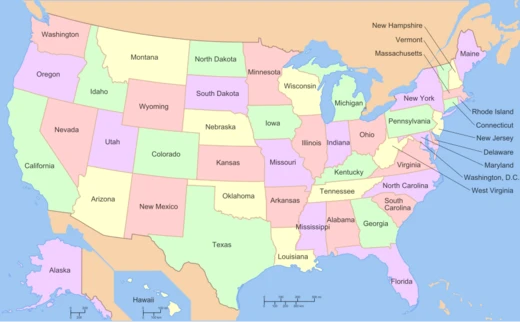
Idaho
Landlocked state known for potatoes and mountainous terrain.

TylerKutschbach · CC BY-SA 4.0
Idaho (pronounced EYE-də-hoe) is a landlocked state in the Pacific Northwest and Mountain West regions of the western United States. It shares borders with Montana and Wyoming to the east, Nevada and Utah to the south, and Washington and Oregon to the west. A small northern portion of the state touches the Canada–United States border, adjacent to British Columbia. Boise serves as both the capital and the largest city. Covering 83,569 square miles (216,440 km²), Idaho ranks as the 11th-largest state by land area. Its population is roughly two million, making it the 12th-least populous (or 39th most populous) and the 7th-least densely populated among the 50 states.
Quick Facts
- Flag Link
- Flag of Idaho
- Nicknames
- The Gem State (official), The Potato State
- Motto
- Esto perpetua (Latin for "Let it be perpetual")
- Anthem
- "Here We Have Idaho"
- Former
- Oregon Territory, Washington Territory, Idaho Territory
- Population Demonym
- Idahoan
- Seat
- Boise
- Officiallang
- English
- Largestcity
- capital
- Largestcounty
- Ada
- Governor
- Brad Little (R)
- Lieutenant Governor
- Scott Bedke (R)
Facts from the source article.
Lore & Background
For thousands of years before European colonization, Idaho was inhabited by Native peoples, including the Nez Percé in the north and the Northern and Western Shoshone in the south. The Lewis and Clark expedition crossed Idaho in 1805 and 1806. The first non-indigenous settlement was Kullyspell House, established in 1809 by David Thompson for fur trading. The first permanent incorporated community was Lewiston in 1861. Early in its history, Idaho saw a large influx of Chinese immigrants, who by 1870 made up about 28.5% of the territory's population.
Reader's Guide
Idaho's significance lies in its role as a major agricultural producer—particularly of potatoes, which comprise about one-third of the nationwide yield—and its diverse economy including manufacturing, mining, forestry, science and technology, and tourism. The state contains the Idaho National Laboratory and has the highest proportion of land held by the United States Forest Service (about 38%) of any state. Idaho was one of the hardest hit Pacific Northwest states during the Great Depression, with potato prices plummeting and farmers' incomes dropping sharply. Between 1991 and 2002, the state expanded its commercial base to include science and technology, which accounted for over 25% of its gross state product in 2001. The state retains the death penalty, including methods like the firing squad, and has severely restricted abortion. During the COVID-19 pandemic, Idaho enacted statewide crisis standards of care and had one of the lowest vaccination rates in the country as of mid-October 2021.
Did You Know?
- The name 'Idaho' was first proposed for the Colorado Territory but was rejected as a possible fabrication; it was later used for Idaho.
- Excavations at Cooper's Ferry reveal human occupation dating to around 16,000 years ago, a time when the Beringia land bridge still existed, linking Asia and North America.
A Land of Contrasting Regions
Idaho sits landlocked at the intersection of the Pacific Northwest and Mountain West, touching Montana, Wyoming, Nevada, Utah, Washington, Oregon, and a narrow stretch of British Columbia to the north. At 83,569 square miles it ranks 14th in size, yet with roughly two million residents it is the 13th-least populous and seventh-least densely populated state in the union. The terrain splits into sharply different zones: the isolated northern Panhandle shares the Pacific Time Zone with Eastern Washington, while the remainder of the state runs on Mountain Time. The south cradles the fertile Snake River Plain, home to most residents and farmland, and the southeast dips into the arid Great Basin. Rocky Mountain stretches thread through the interior. Perhaps most striking, the U.S. Forest Service claims about 38 percent of all Idaho land—the highest share of any state—making wilderness the dominant character of everyday life.
Ancient Inhabitants and the Cooper's Ferry Revelation
Long before European boots touched its soil, Idaho was home to human communities for over fourteen millennia. Arrowheads and other artifacts pulled from Wilson Butte Cave near Twin Falls in 1959 already ranked among the oldest dated finds in North America. Then in 2019, archaeologists at Cooper's Ferry, near Cottonwood in western Idaho, pushed that timeline further back to between 15,300 and 16,600 years ago—roughly a thousand years before the Beringia land bridge is thought to have opened. The tools and artifacts they uncovered bear striking resemblances to Japanese finds dated 16,000 to 13,000 years old. The team's leading interpretation is that early people traveled down the Pacific coast and, upon reaching the mouth of the Columbia River, found an off-ramp into the interior south of the ice sheet. Indigenous groups who later thrived here included the Nez Percé in the north and the Northern and Western Shoshone in the south.
A Name in Motion: From Congressional Debate to Statehood
The word Idaho carries a tangled origin. In the early 1860s a Congressional committee favored it for a proposed Rocky Mountain territory, believing it derived from a Shoshone phrase meaning gem of the mountains. By January 1861 members suspected the Native American derivation was fabricated, and Congress settled on Colorado for that territory instead, though Idaho Springs had already been named. Politician George M. Willing later claimed a young girl named Ida inspired the term while he posed as a delegate. Meanwhile a steamship launched on the Columbia River in 1860 carried the name, and an Idaho County in eastern Washington Territory followed. When the Oregon Treaty of 1846 ended the U.S.–British dispute over the Oregon Country, Idaho's land was folded into Oregon and then Washington Territory until a dedicated Idaho Territory was organized in 1863. Statehood arrived on July 3, 1890, making Idaho the 43rd member of the Union.
Potatoes, Politics, and the Gem State Identity
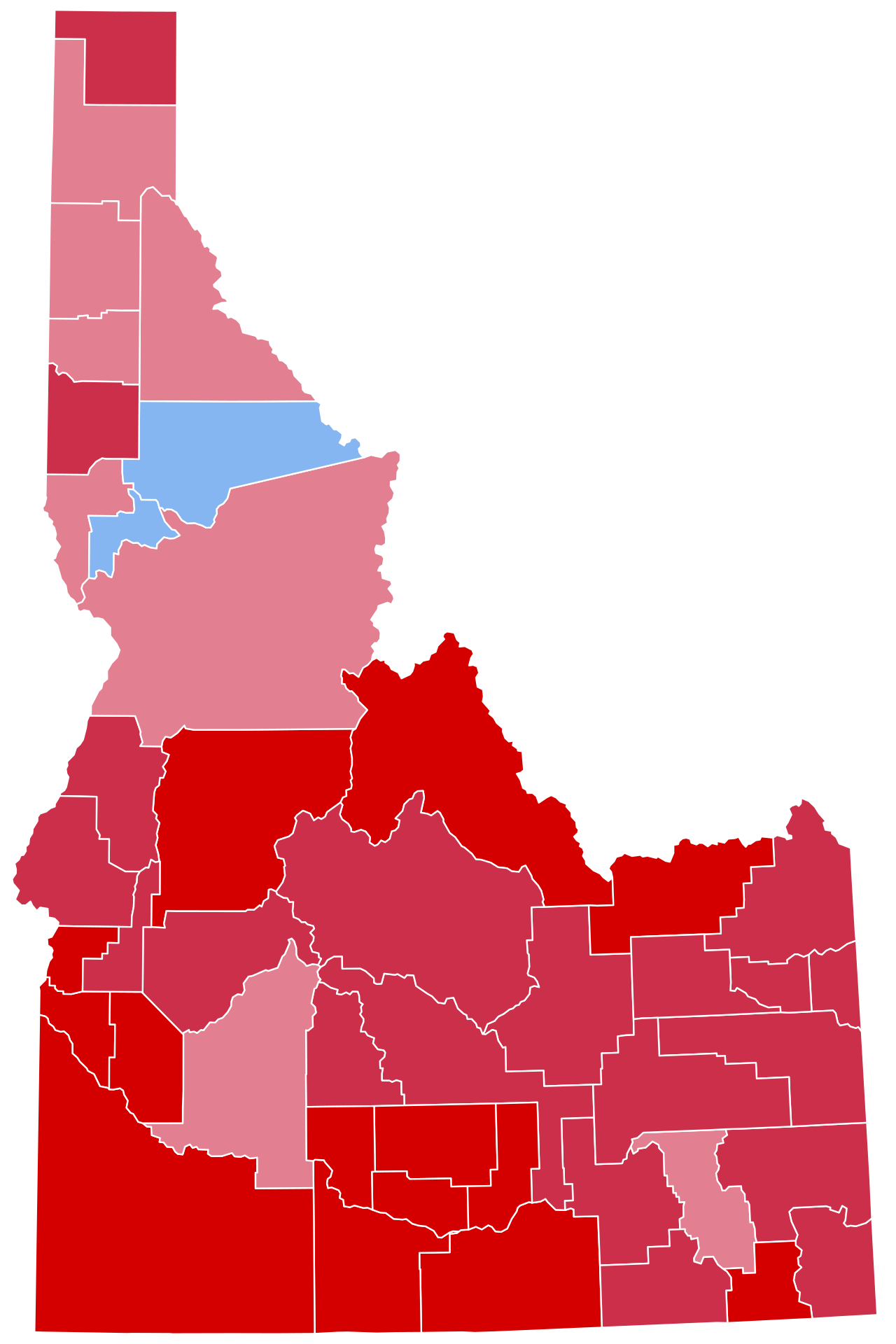
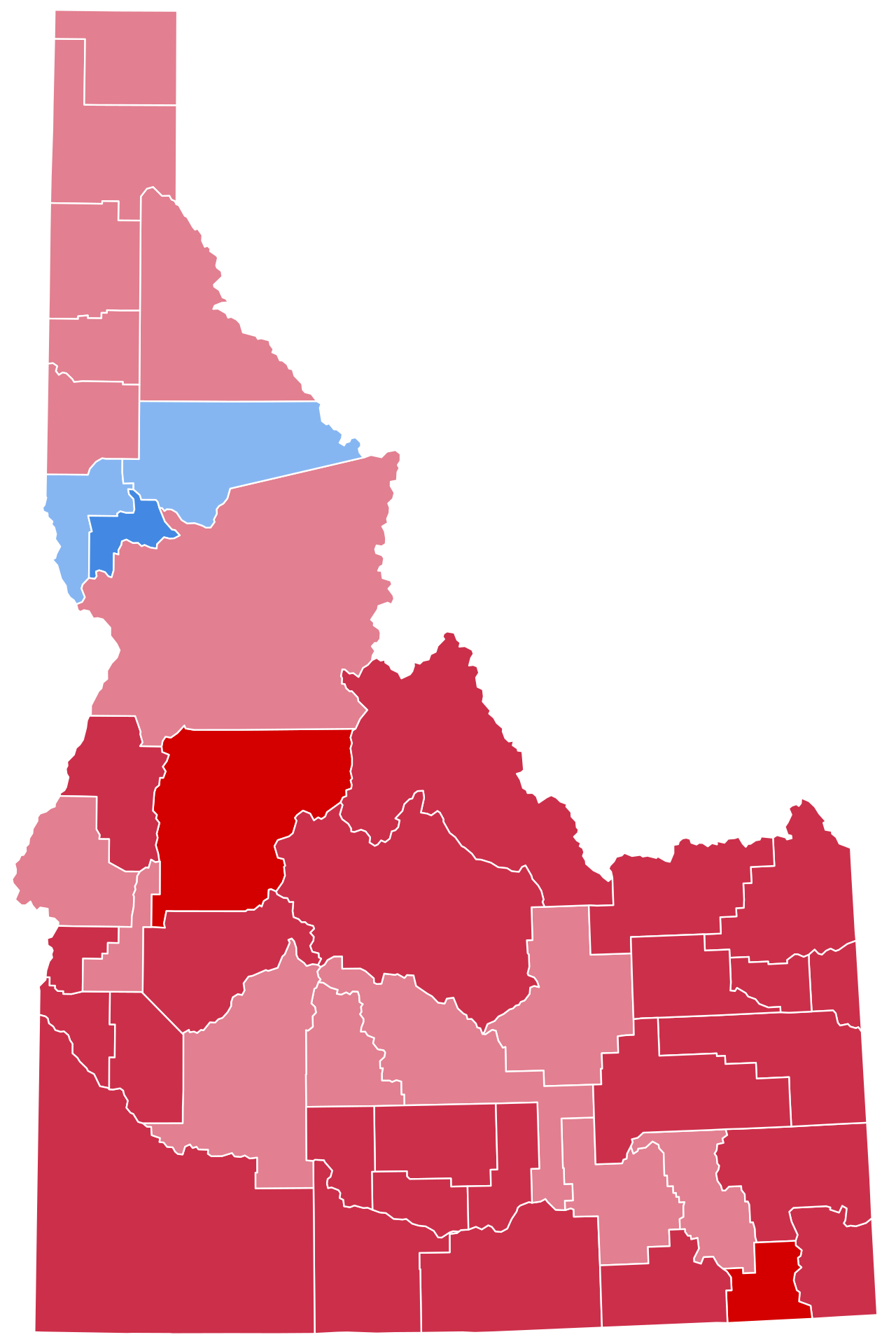
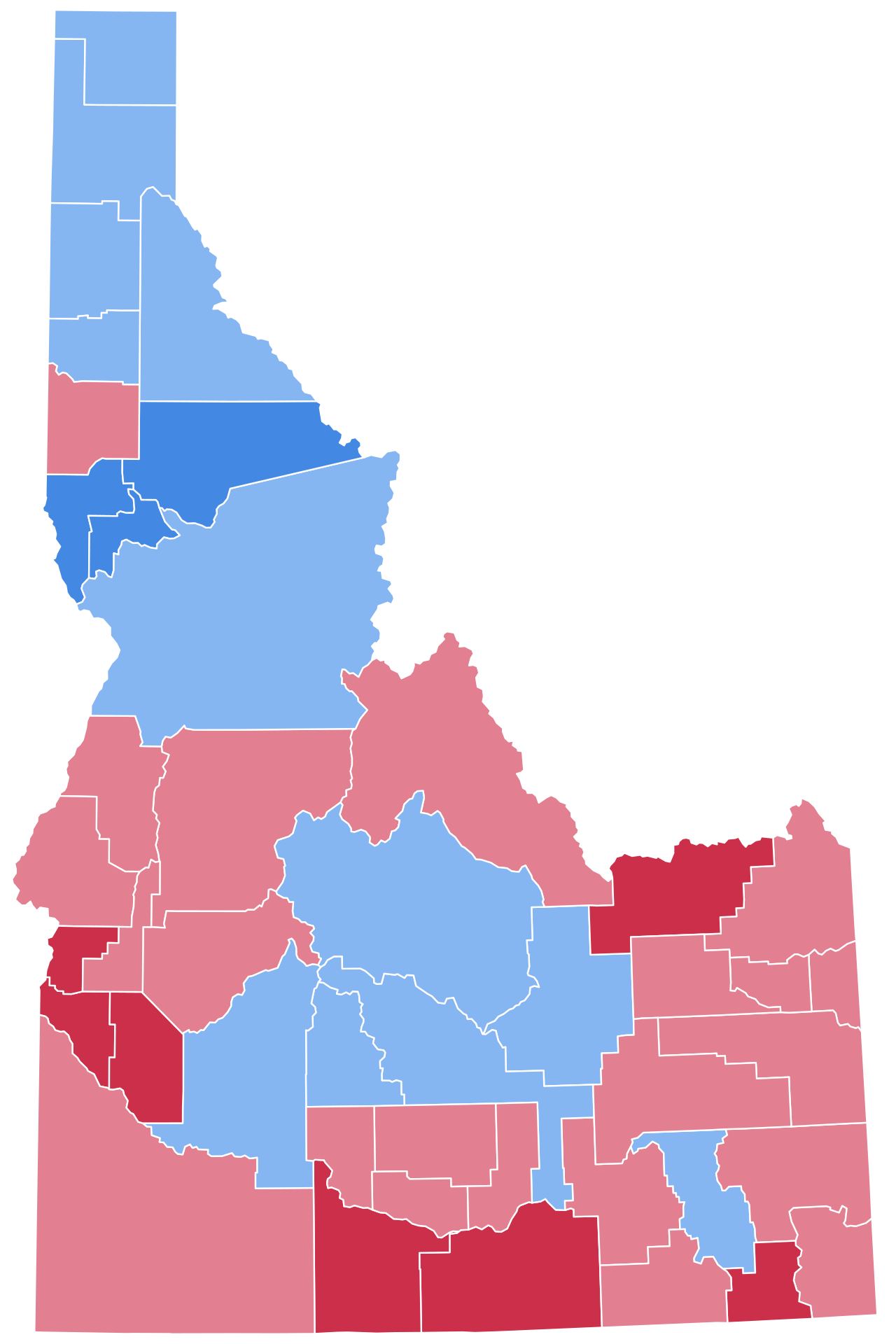
Idaho's economy rests on a broad base—manufacturing, agriculture, mining, forestry, science and technology, and tourism—but no crop defines it more than the potato, which accounts for roughly one-third of the entire nation's yield. The state also hosts the Idaho National Laboratory, anchoring its research and technology sector. Politically, Idaho has leaned Republican since statehood, with the party dominating both state and national ballots. Social policy reflects that orientation: abortion is severely restricted, and the state retains capital punishment, including execution by firing squad. The nickname Gem State traces back to that early belief in a Shoshone origin for the name, a connection Congress later doubted but the public never quite let go of. With Boise serving as both capital and largest city, and the Forest Service holding the largest land share of any state, Idaho's identity is as much about open land and rural tradition as it is about its agricultural output.
Gallery
Frequently Asked Questions
Who is Idaho?
Idaho is a landlocked state in the western United States, sitting at the intersection of the Pacific Northwest and Mountain West regions. It became the 43rd state on July 3, 1890, and is home to roughly two million residents, with Boise serving as both its capital and largest city.
What is Idaho known for and what's its role?
Idaho is most famous for its potato industry and its dramatic mountainous terrain, including ranges like the Sawtooths and Bitterroots. It also plays a notable role in U.S. geothermal energy production and serves as a major hub for outdoor recreation and skiing.
How does Idaho's story begin?
The land that is now Idaho was carved out of earlier territories before being organized as the Idaho Territory in 1863. It officially joined the Union as the 43rd state on July 3, 1890, completing its path from frontier region to full statehood.
Why is Idaho important?
As a landlocked state bordering six other U.S. states and a small stretch of British Columbia, Idaho sits at a geographic crossroads in the western U.S. Its 83,569 square miles of varied ecosystems—high desert, alpine forest, and river valleys—make it a critical piece of western biodiversity and water management.
What is Idaho's nickname and where does it come from?
Idaho is called the 'Gem State,' a name that reflects the wide variety of precious and semi-precious stones, such as emeralds, opals, and sapphires, historically mined in its mountain regions. The nickname also captures the state's broad range of natural landscapes, from desert to alpine peaks.
More in U.S. States 1-24
Spotted an error? Know more?
Reader corrections go straight into our review queue. Suggest an edit · How this site is sourced