Saheena
A Trinidadian snack of dasheen leaves and chickpea flour.

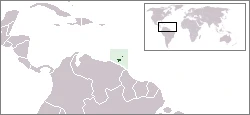
Saheena (also spelled sahina or sahiena) is a street food and snack from Trinidad and Tobago. Its origins lie with indentured labourers from South Asia, who arrived after slavery ended in 1834 (full emancipation in 1838) and adapted their recipes to the ingredients available on the island.
The name comes from the Bihari group of languages, meaning "delicious" or "savoury," and is used as a collective noun for both singular and plural. Saheena is a common dish, made at home and sold at takeaway stalls. It also appears as a side dish during celebrations like Divali and Eid. Mobile breakfast stalls that sell doubles often offer saheena too. While many Indo-Trinidadian dishes are popular across the Caribbean, saheena remains mostly found in Trinidad.
There are two main ways to prepare it: the "roll-up" method and the simpler "cut-up" method. Both start with a creamy dough made from ground chickpeas or chickpea flour, flour, garlic, onions, spices, and water. Turmeric is the most common spice, with cumin and black pepper also used, and green seasoning (a herb mix based on culantro) can be added.
For the roll-up method, dasheen leaves and dough are layered by spreading dough onto the upper side of each leaf. The stacked leaves are rolled like roulades, fixed, and then steamed or cooked in a waterproof bag. The rolls are sliced, coated in spiced flour and dough, and baked through. This method is more common for formal outdoor celebrations.
For the cut-up method, dasheen leaves are chopped, mixed with dough, formed into palm-sized cakes, and fried in oil. This is the version usually found at food stalls. An even simpler cut-up version uses minced dasheen leaves, water, and industrial pholourie dough, fried in portions.
Saheena is served with kuchela, chutney (mango and tamarind are common), or other condiments, often with chili sauces. A typical way to eat cut-up saheena is to cut it and coat the inside with condiments. Dasheen leaves are sold at markets, not supermarkets, so they can be harder to find; spinach or collard greens are common substitutes. Handling dasheen leaves can cause itching, so hands are often rubbed with lime juice, or the leaves are washed with it. Leftover saheena can be used in saheena talkari, where slices of roll-up saheena are cooked in a curry sauce.
- type
- Street food and snack
- origin
- Trinidad and Tobago
- etymology
- Derives from the Bihari group of languages, meaning delicious or savoury
- main ingredient
- Dasheen leaves and chickpea flour
- common preparation methods
- Roll-up and cut-up
- associated occasions
- Divali, Eid, and everyday meals
Quick Facts
- Country
- Trinidad and Tobago
- Associated Cuisine
- Trinidad and Tobago cuisine
- Served
- Hot
- Main Ingredient
- dasheen or spinach leaves and ground split peas paste
- Variations
- Roll-up saheena, chip-up saheena, sahlourie (saheena pholourie)
- Similar Dish
- Patrode, saina (Fiji), sehna (Suriname)
- No Recipes
- false
Facts from the source article.
Lore & Background
Saheena traces back to indentured labourers from South Asia who arrived in Trinidad after the end of slavery in 1834 (full emancipation in 1838). Plantations needed cheap labour and recruited contract workers from British India, who committed for five years. Until World War I, approximately 143,939 indentured labourers from India migrated to Trinidad, adapting their recipes to local ingredients. The term saheena derives from the Bihari group of languages and means delicious or savoury, and is used as a collective noun in both singular and plural forms.
Two common preparation methods exist: roll-up and cut-up. For roll-up, dasheen leaves are layered with a creamy dough of ground chickpeas or chickpea flour, flour, garlic, onions, spices, and water, then rolled like roulades, steamed or cooked in a waterproof bag, sliced, and fried.
Reader's Guide
Saheena is a distinctive element of Trinidad and Tobago's culinary heritage, directly linked to the indentured labourers from South Asia who arrived after 1840. Its persistence as a dish prevalent only in Trinidad highlights the unique adaptation of Indian recipes to local ingredients, such as dasheen leaves, which are available at markets rather than supermarkets. The two preparation methods—roll-up for formal celebrations and cut-up for everyday street food—demonstrate the versatility of the dish. Saheena is also served on festive occasions like Divali and Eid, and leftovers can be used in saheena talkari, a curry sauce dish. Its etymology from the Bihari group of languages underscores the linguistic and cultural roots of the Indo-Trinidadian community. The dish's continued presence at mobile breakfast stalls alongside doubles, Trinidad's most popular breakfast, shows its integration into daily life. The use of green seasoning, turmeric, cumin, and black pepper reflects the blend of Indian and local flavours. Saheena's limited spread beyond Trinidad contrasts with other Indo-Trinidadian dishes, making it a unique marker of the island's food identity.
Did You Know?
- The term saheena derives from the Bihari group of languages and means delicious or savoury.
- Dasheen leaves cause an itching of the hands, which can be prevented by slathering hands with lime juice or washing the leaves with lime juice.
- Saheena is a collective noun used in both singular and plural forms.
- Leftovers of saheena can be used in a dish called saheena talkari, where slices of roll-up saheena are cooked in a curry sauce.
More in Trinidad and Tobago cuisine 1-24
Spotted an error? Know more?
This is a living reference — every entry is fact-audited, and reader corrections feed straight into our audit queue. Suggest an edit · See this site's audit record