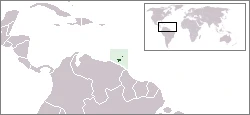
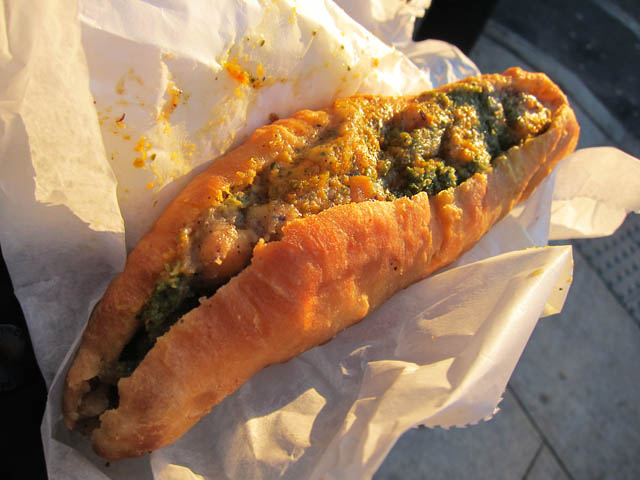
Aloo pie
A fried potato-filled pastry from Trinidad and Tobago.

Grueslayer · CC BY-SA 4.0
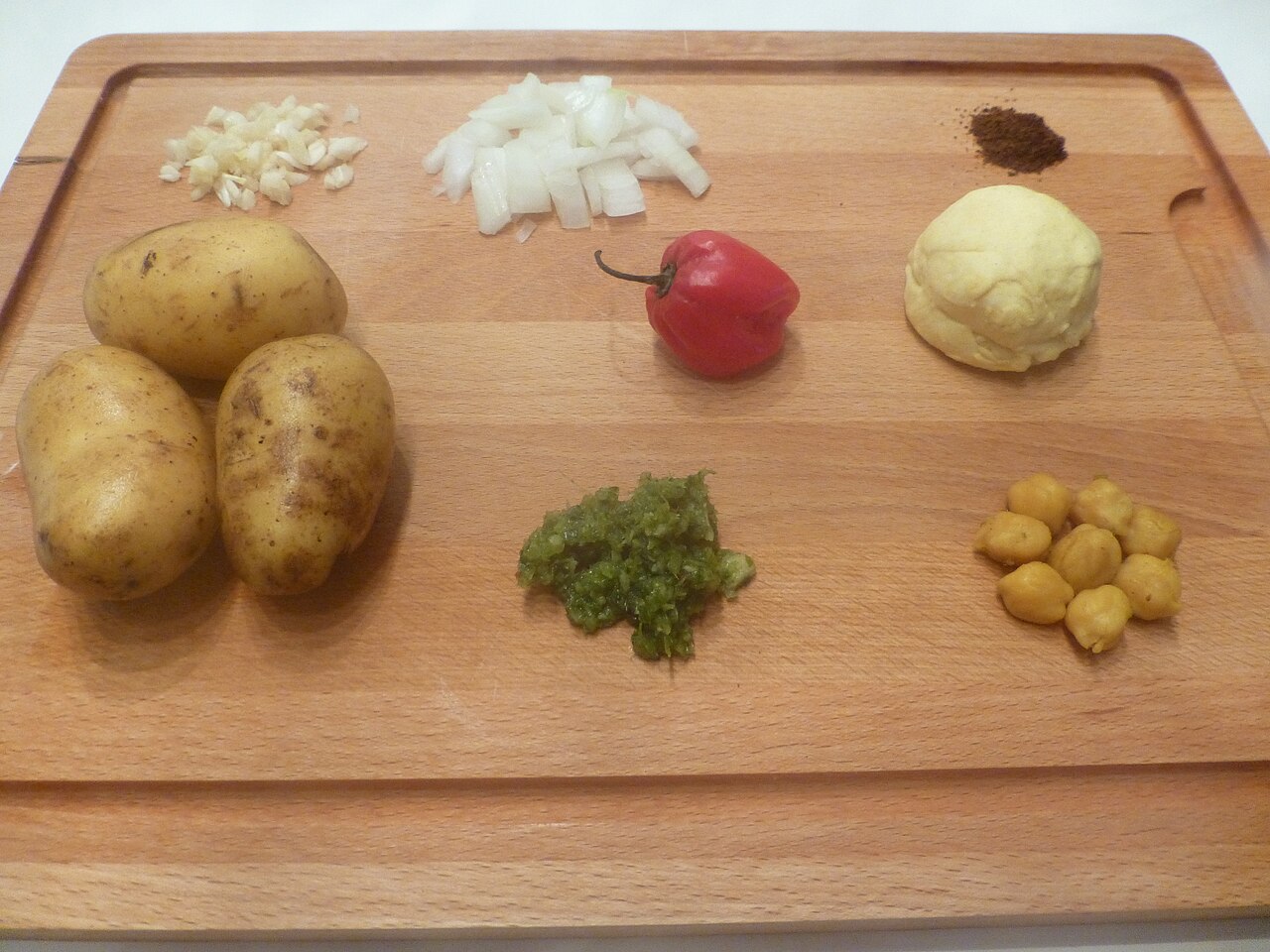
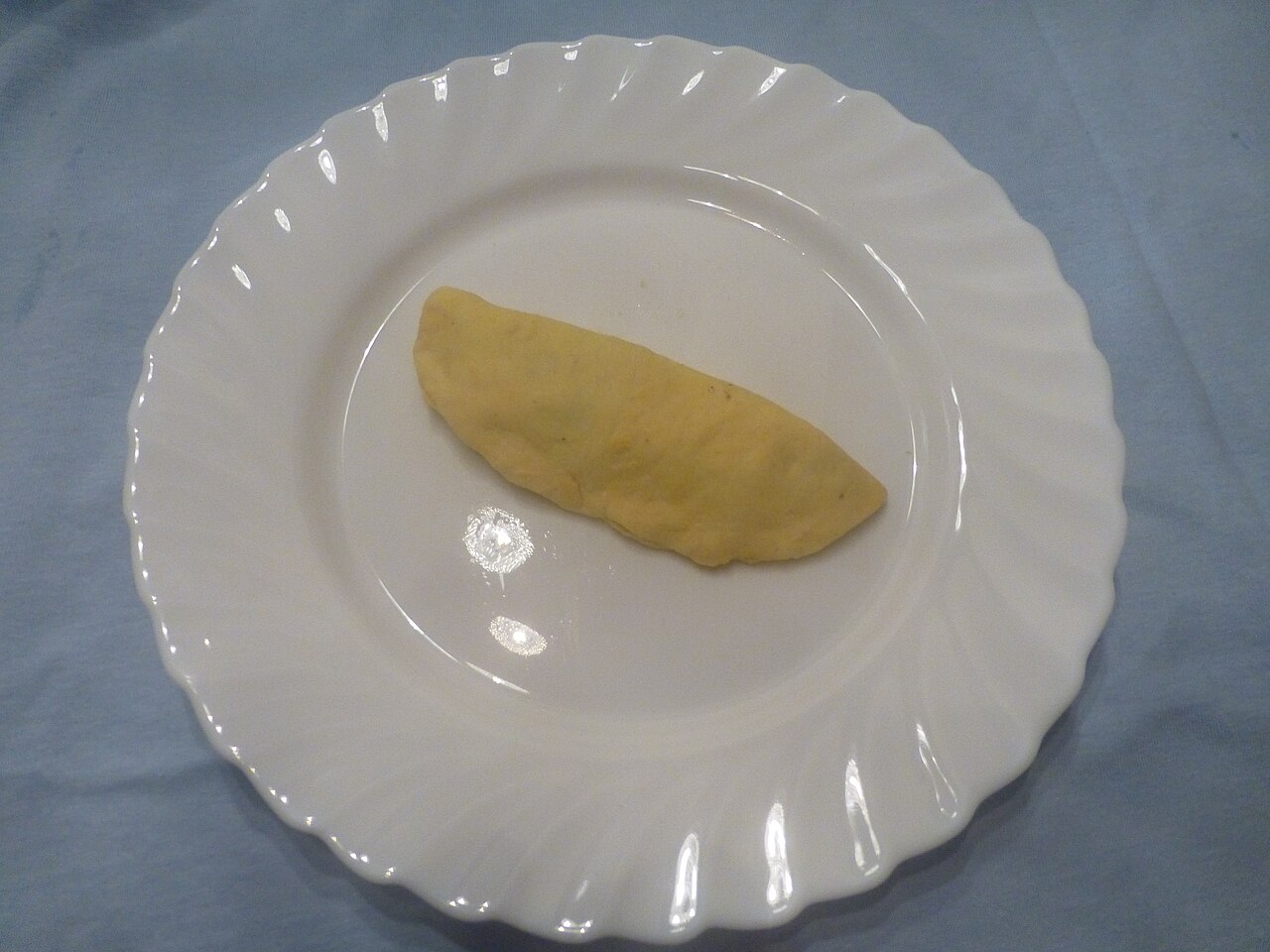
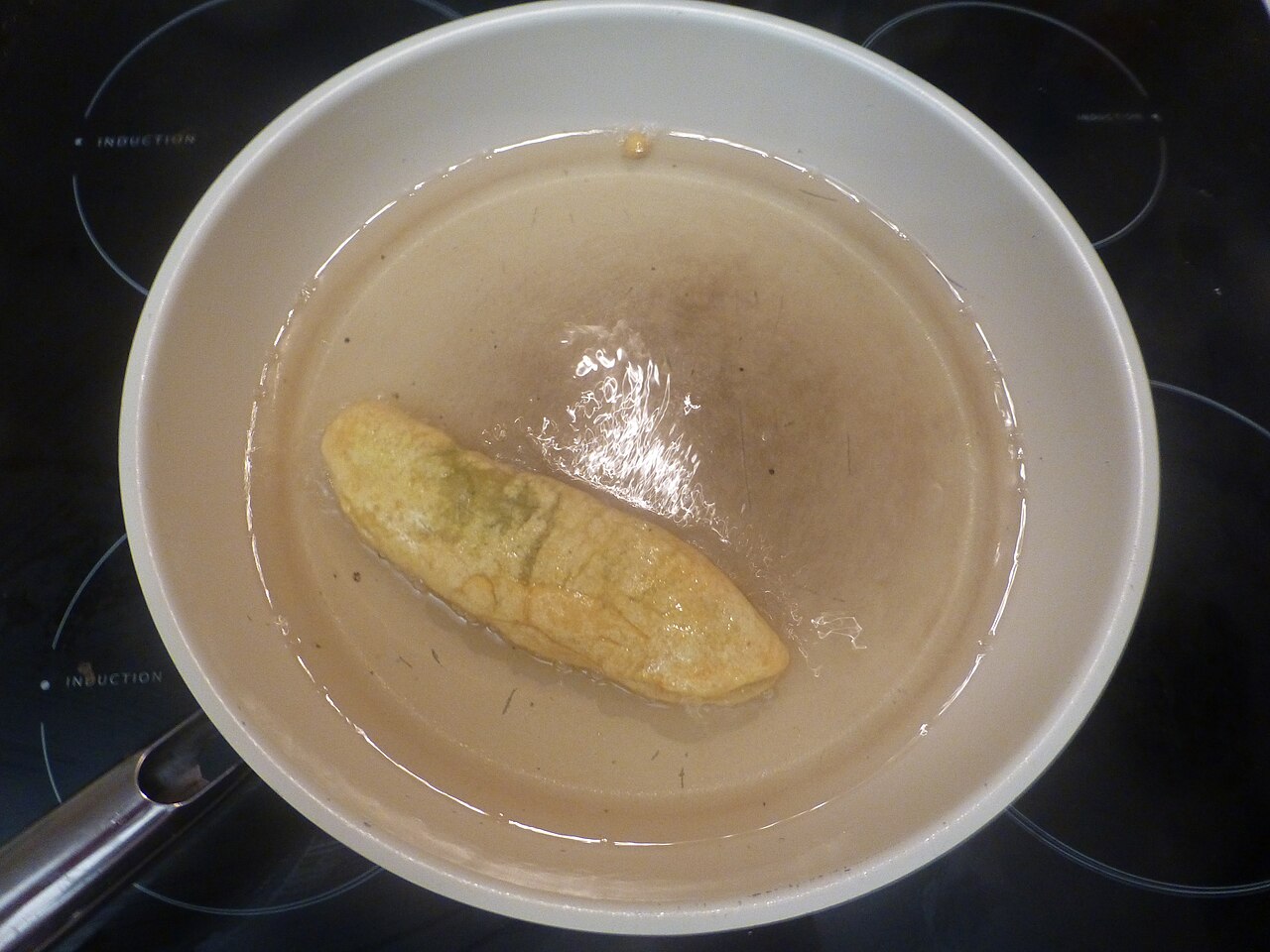
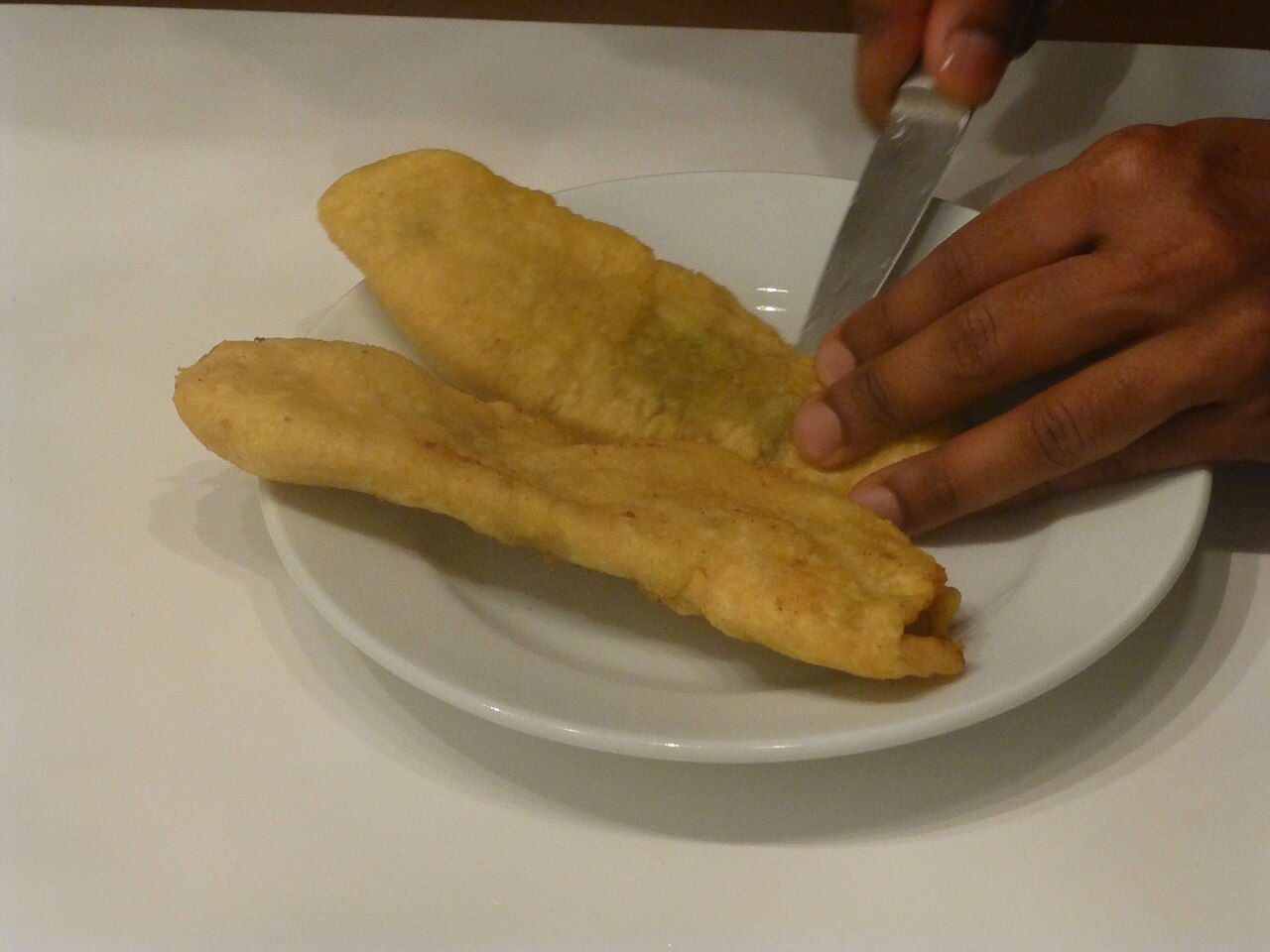
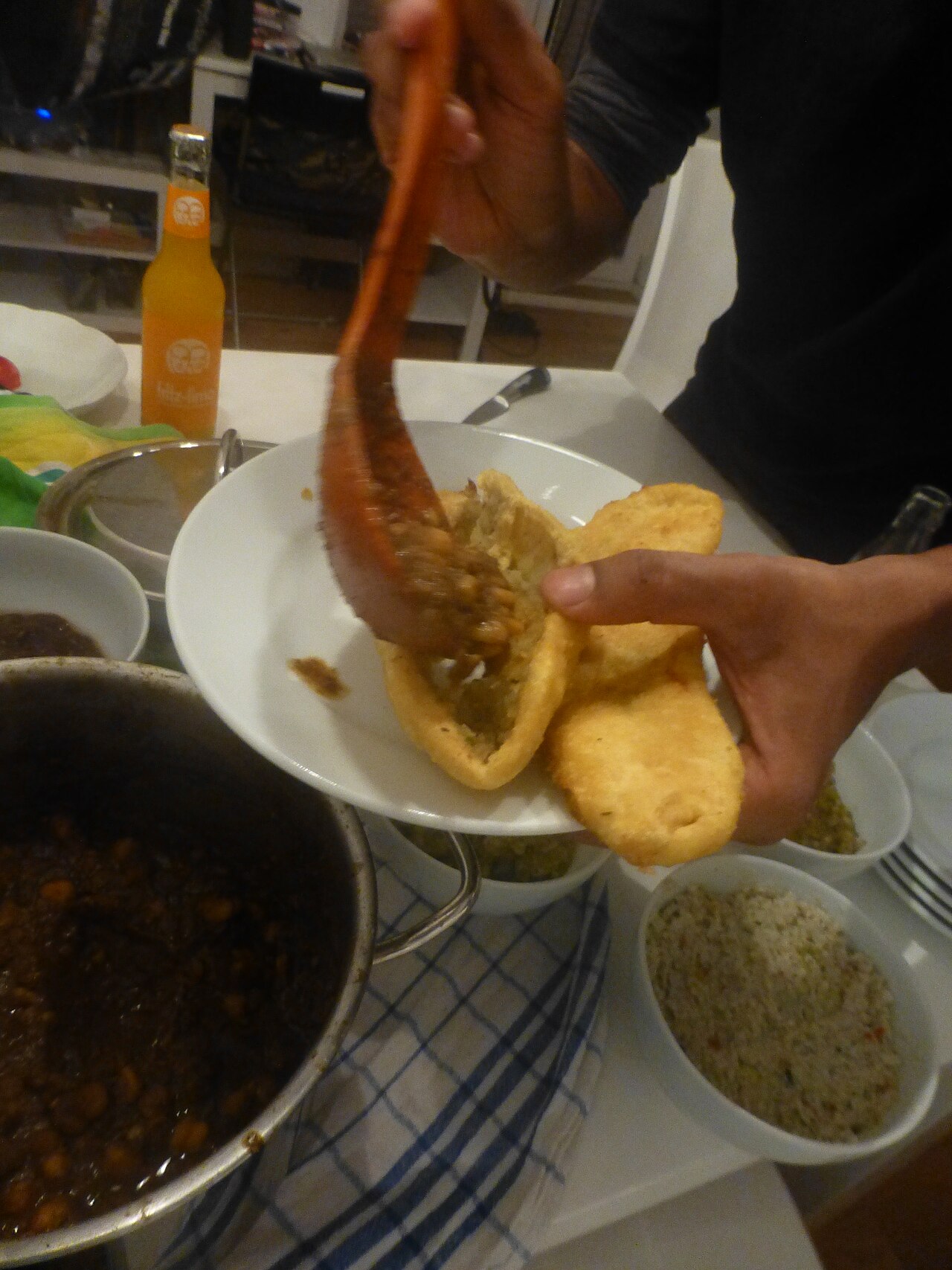
The aloo pie is a fried, potato-filled pastry from Trinidad and Tobago, rooted in the island’s Indo-Trinidadian community. Unlike a samosa, which is triangular and smaller, this snack is shaped more like a Cornish pasty and measures 10 to 15 centimeters long. The dough is made from flour, water, salt, baking powder, and sometimes a pinch of saffron for color. Inside, the mashed potatoes are seasoned with salt, pepper, onion, cumin, and garlic, and may also include green seasoning or chadon beni (long coriander). Before serving, the pie is typically split open and topped with a curry of chickpeas or green peas, then finished with a chutney—often tamarind or mango—along with chadon beni and a spicy pepper sauce. The word “aloo” comes from Hindi, meaning potato. Trinidad was a British colony from 1797 to 1962, so English is the main language. After slavery ended, many Indians arrived from 1845 as plantation laborers, bringing vegetarian curries that sometimes included potatoes. Today, aloo pies are sold in snack bars, bakeries, and cafeterias, as well as by street vendors who often sell them alongside doubles, since both dishes are fried and can be made with the same equipment.
- origin
- Indo-Trinidadian
- region
- Trinidad and Tobago
- type
- Fried pastry
- main_ingredients
- Flour, water, salt, baking powder, mashed potatoes, seasonings
- typical_size
- 10–15 centimetres (4–6 in) in length
- serving_style
- Cut open and garnished with curry, chutney, and pepper sauce
Lore & Background
Aloo pie is a fried pastry filled with seasoned mashed potatoes, originating from the Indo-Trinidadian community. The dough uses flour, water, salt, baking powder, and sometimes saffron for color. The potato filling includes salt, pepper, onion, cumin, garlic, and occasionally green seasoning and long coriander (chadon beni).
After frying, the pies are cut open and garnished with a curry based on chickpeas or green peas, then seasoned with chutney (often tamarind or mango), chadon beni, and spicy pepper sauce. The word 'aloo' is Hindi for potato.
Trinidad was a British colony from 1797 to 1962, and after the abolition of slavery, numerous Indians were recruited from 1845 as cheap labor for plantations, introducing curries that were often vegetarian and sometimes contained potatoes. Aloo pies are sold in snack bars, bakeries, cafeterias, and on the street by vendors who also sell doubles, as both dishes are fried and can use the same appliance.
Reader's Guide
The aloo pie is a significant example of Indo-Caribbean culinary fusion, reflecting the migration of Indian laborers to Trinidad after 1845. Its ingredients—potatoes, cumin, garlic, and curry—showcase the adaptation of Indian cooking to local tastes and available produce. The dish is distinct from the samosa in size and shape, being larger and resembling a Cornish pasty rather than a triangle. Its serving style, cut open and topped with chickpea curry and chutneys, makes it a portable and customizable street food. The aloo pie's presence alongside doubles in street vendor stalls highlights its role in Trinidad's fast food culture, where fried dough dishes are central. The use of Hindi-derived 'aloo' and English as the spoken language underscores the cultural blend of the region. As a vegetarian option, it also reflects the dietary preferences of many Indo-Trinidadians. The dish remains a staple in Trinidad and Tobago, sold in various venues from bakeries to street carts, and continues to be a symbol of the island's multicultural heritage.
Did You Know?
- Aloo pie is similar to a samosa but is larger (10–15 cm) and shaped like a Cornish pasty.
- The dough sometimes includes saffron for color.
- It is often sold by the same vendors who sell doubles, as both are fried.
- The word 'aloo' is Hindi for potato.
Street Food Presence Across the Islands
Aloo pie occupies a prominent position within the landscape of freshly prepared street foods across Trinidad and Tobago. It is consistently grouped alongside a constellation of other Indo-Trinidadian and Tobagonian offerings—doubles, pholourie, saheena, baiganee, bara, and kachori—as part of the popular street food tradition that thrives throughout the country. This clustering signals that aloo pie is not a niche or regional specialty but rather a widely recognized and accessible item that islanders encounter in their daily routines. The fact that it appears in the same breath as doubles, which the source material identifies as one of the most popular breakfast foods eaten on the islands yet commonly consumed throughout the day, suggests that aloo pie shares a similar quality of everyday ubiquity. These street foods are described as freshly prepared, emphasizing that they are made to order rather than mass-produced, lending them a quality of immediacy that distinguishes them from packaged alternatives. Aloo pie's inclusion in this tightly knit family of Indo-T&T street fare marks it as a cornerstone of the islands' informal dining culture.
Culinary Heritage and Multicultural Context
Aloo pie carries the specific designation of an Indo-Trinidadian and Tobagonian food, anchoring it firmly within one of the many culinary lineages that shape the islands' table. Trinidad and Tobago's cuisine is a product of extraordinary cultural layering, drawing from Indian-South Asian, West African, Creole, European, North American, Chinese, Amerindian, Latin American, and Levantine traditions. Within this rich mosaic, aloo pie belongs to the Indian-South Asian thread, sharing its identity with a broader family of dishes that include roti, channa, and the various chokhas and tarkaris that form the backbone of Indo-Trinidadian meals. The very name aloo connects it to the potato, a staple that appears throughout the islands' cooking in forms ranging from aloo chokha to curried aloo in wrap roti fillings. By identifying aloo pie specifically as Indo-Trinidadian and Tobagonian rather than simply Trinidadian, the culinary tradition acknowledges the distinct heritage of the Indian diaspora community and their lasting imprint on what the islands consider their own food.
The Chutney Pairing Tradition
One of the most defining characteristics of aloo pie in the Trinidadian dining experience is its relationship with chutneys. The source material explicitly states that chutneys are most commonly eaten with a short list of items—doubles, aloo pie, saheena, baiganee, kachori, and pholourie—placing aloo pie at the center of this pairing tradition. The chutneys themselves are a varied and aromatic category, frequently incorporating ingredients such as chaltar (Dillenia indica), mango, tamarind, cucumber, pommecythère, bandhaniya, dhaniya, tomato, and coconut. This breadth of possible flavors means that a single aloo pie can be accompanied by a wide spectrum of tastes, from the tang of tamarind to the sweetness of mango or the herbal note of dhaniya. The condiments are often homemade, which adds a personal, family-specific dimension to the eating experience. This chutney-and-aloo-pie pairing is not incidental; it is the expected, standard way the dish is consumed, making the condiment an integral part of the aloo pie experience rather than an optional garnish.
Fresh Preparation and Everyday Accessibility
The street food context in which aloo pie is most commonly encountered emphasizes a culture of fresh, immediate preparation. These foods are explicitly described as popular freshly prepared street foods, a designation that underscores the hands-on, made-to-order nature of the offering. This model of preparation is shared across the entire Indo-Trinidadian and Tobagonian street food family, from the baras that make up doubles to the pholourie, saheena, baiganee, bara, and kachori that sit alongside aloo pie in the same category. The accessibility of these foods is further highlighted by their presence throughout the country, meaning that aloo pie is a recognizable and available option across both Trinidad and Tobago. The street food format also connects aloo pie to the broader social fabric of the islands, where food functions as a shared, communal experience. The freshly prepared qualifier distinguishes these offerings from packaged or pre-made alternatives, lending them a quality of immediacy that is central to their appeal. Aloo pie's position within this framework marks it as a dish meant to be eaten simply, quickly, and with the full sensory support of the chutneys and condiments that accompany it.
Gallery
Frequently Asked Questions
What is an aloo pie?
It's a fried, potato-stuffed pastry that comes out of the Indo-Trinidadian cooking tradition in Trinidad and Tobago. Think of it as a larger, rounder cousin of the samosa, with a simple flour-and-water dough encasing seasoned mashed potatoes.
How is an aloo pie different from a samosa?
A samosa is small and triangular, while the aloo pie is more oval or pasty-shaped and stretches to roughly 10–15 centimetres long. The dough is also simpler—just flour, water, salt, and baking powder, sometimes with a pinch of saffron for colour.
What's inside an aloo pie?
The filling is mashed potatoes seasoned with cumin, garlic, pepper, onion, and salt, and it can be bumped up with green seasoning or chadon beni (long coriander) for a fresher note. The dough itself stays plain so the spice in the potato really stands out.
How do you actually eat an aloo pie?
You split the pie open and pile on a chickpea curry, a spoonful of chutney, and a drizzle of pepper sauce before eating it with your hands. It's designed to be a messy, hands-on street-food experience rather than a tidy finger food.
Where does the aloo pie come from?
It's a long-standing staple of Indo-Trinidadian households and roadside stalls across Trinidad and Tobago, blending Indian spice techniques with the island's local pantry. You'll most often encounter it at street-food carts, family gatherings, and festive celebrations.
More in Trinidad and Tobago cuisine 1-24
Spotted an error? Know more?
This is a living reference — every entry is fact-audited, and reader corrections feed straight into our audit queue. Suggest an edit · See this site's audit record