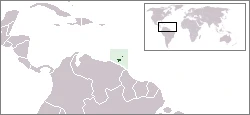
Fish pie
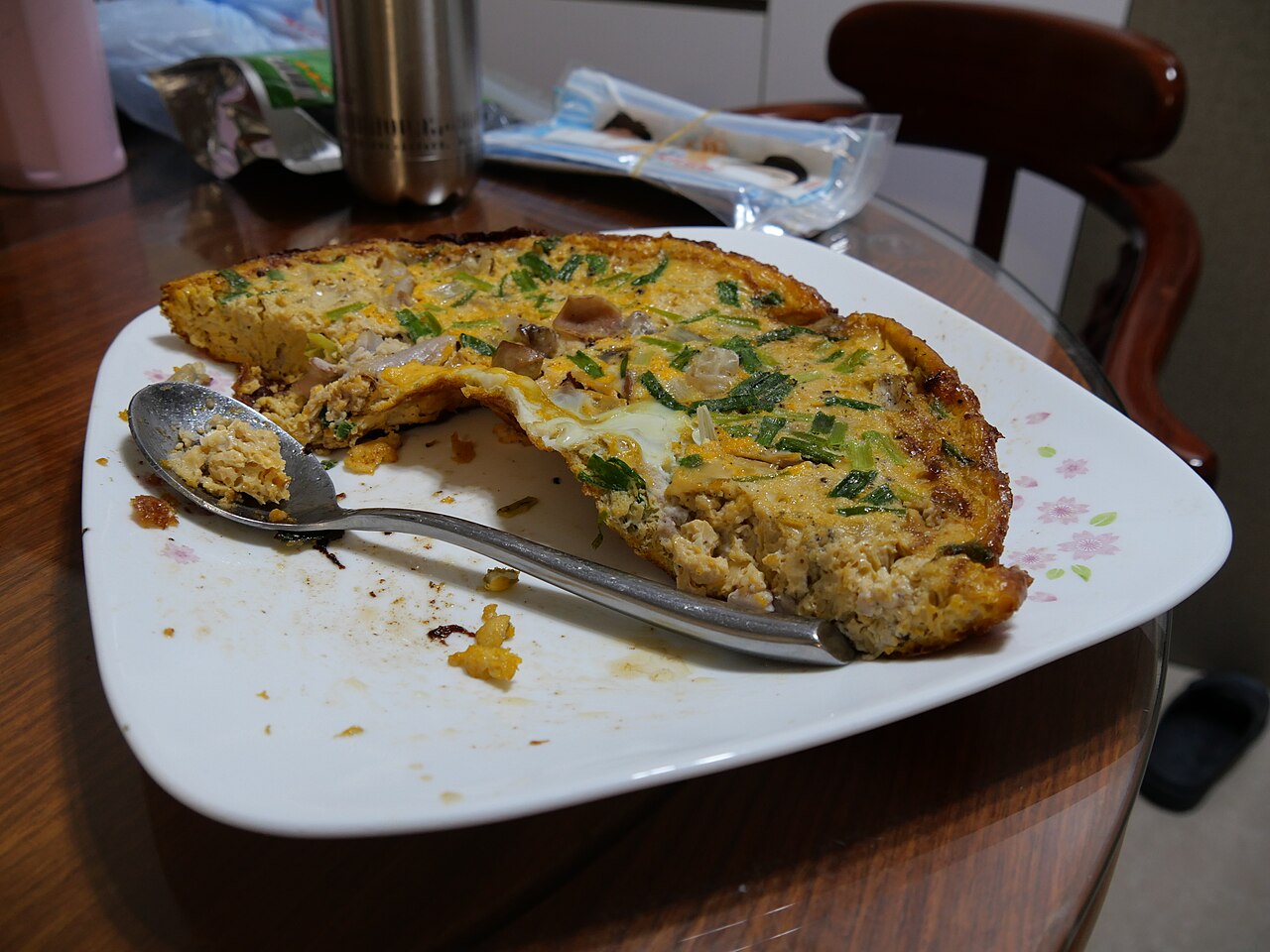
A Trinidadian turnover filled with seasoned fish, fried or baked to golden perfection.

sir k boy · CC BY-SA 4.0
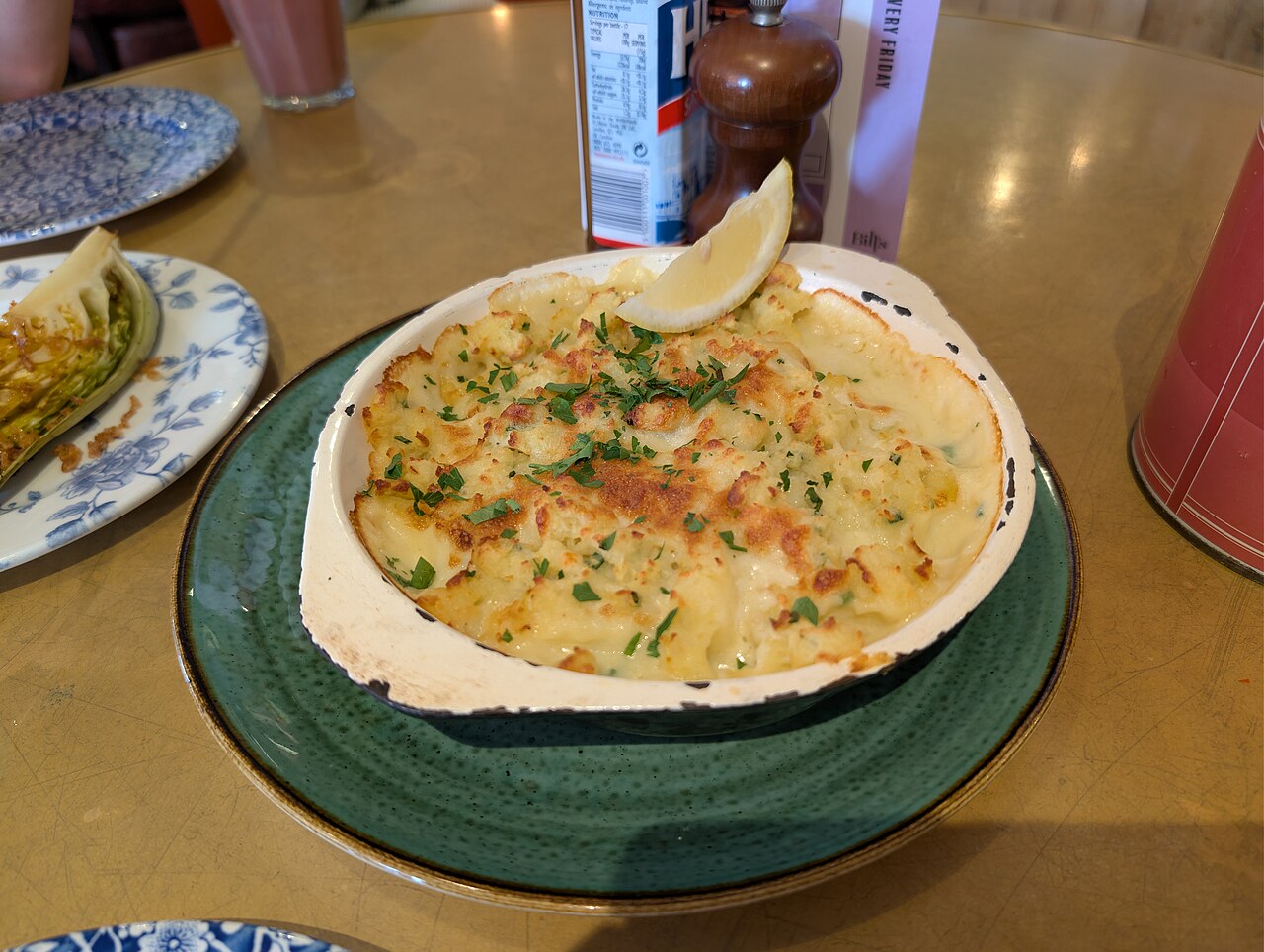
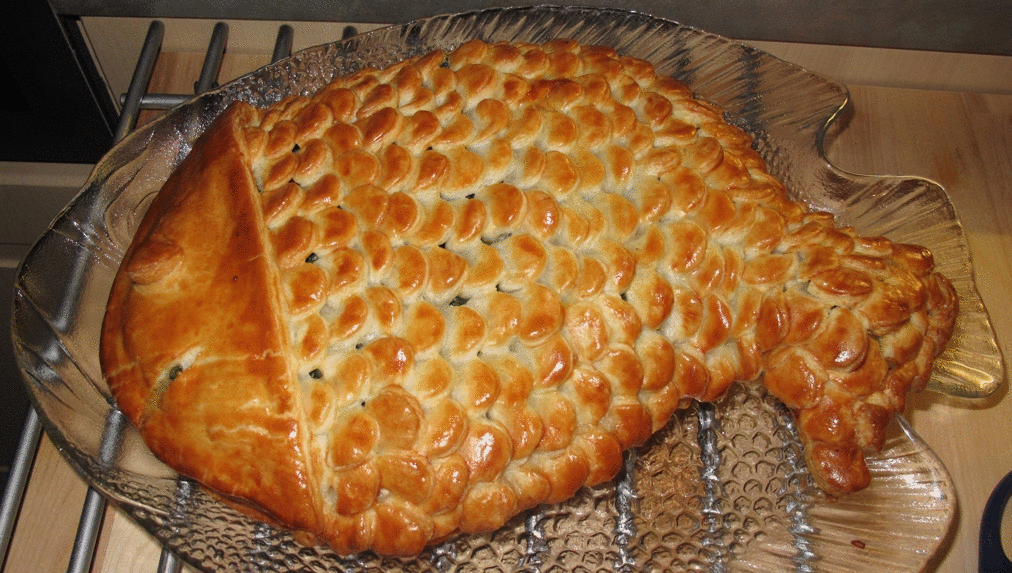
Fish pie in Trinidad and Tobago is a savory turnover, typically fried or baked, filled with seasoned fish. This is distinct from the British fish pie, a baked casserole with béchamel sauce and mashed potato topping.
- type
- Dish
- origin
- Trinidad and Tobago
- also_popular_in
- Britain, Australia, New Zealand
- key_ingredients
- Flour, fish (often salted or smoked), herbs, spices
- earliest_known_recipe
- Unknown (Trinidadian turnover tradition)
- associated_tradition
- Street food and family gatherings
Lore & Background
In Trinidad and Tobago, the fish pie turnover is a beloved snack, often sold by street vendors or made at home. Its origins are rooted in the island's culinary fusion of African, Indian, and European influences, rather than British Lenten traditions.
Reader's Guide
Fish pie is a traditional British dish that spread to Australia and New Zealand, with a distinct turnover version in Trinidad and Tobago. Its significance lies in its practical origins—using fish scraps during Lent—and its evolution from early 17th-century recipes to a modern comfort food. The dish is notable for its royal associations: towns and priories sent fish pies to monarchs as gifts, including a Lenten tradition from Great Yarmouth to the king, a pie to Henry VIII in 1530, one to the Prince of Wales in 1752, and during Queen Victoria's reign. The pie's mashed potato topping links it to shepherd's pie, though the two are unrelated. Its legacy endures as a versatile, hearty meal that adapts to available fish and regional preferences, from smoked haddock to salmon, often enriched with hard-boiled eggs and herbs.
Did You Know?
- The Trinidadian fish pie is a turnover, not a casserole, and is often enjoyed as a quick snack or breakfast item.
- Unlike the British version, the Trinidadian fish pie uses a pastry dough and is typically fried, giving it a crispy exterior.
- A turnover called a fish pie is made in Trinidad and Tobago, distinct from the British baked dish.
A Mosaic of Breakfast Traditions
Trinidad and Tobago's morning table reflects the island's layered heritage, drawing from Indian-South Asian, West African, Creole, European, North American, Chinese, Amerindian, Latin American, and Levantine culinary traditions. The most iconic breakfast is doubles—two pieces of baras, a flat fried dough, paired with curried chickpeas and dressed with an array of toppings including pepper sauce, tamarind, mango, pommecythere, cucumber, and bandhaniya chutneys. While often associated with the morning, doubles are consumed throughout the day. Indo-Trinidadian households favor sada roti, an unleavened flatbread cooked on a tawa and served with roasted and mashed vegetable preparations called chokhas, such as eggplant, tomato, and pepper. Creole breakfasts center on fried bake paired with saltfish, shark, sardines, or corned beef, while coconut bread accompanies saltfish fritters or black pudding. Amerindian influences appear in farine and cornmeal porridge, and cocoa tea made from homemade cocoa balls rounds out the spread.
Heart of the Table: Lunch and Dinner
The midday and evening meals of Trinidad and Tobago showcase the depth of its African, Indian, and Creole roots. Callaloo, a nationally recognized dish of African origin, combines young taro leaves, okra, crab or pigtails, pumpkin, onions, coconut milk, pimento, and green seasonings, and is typically paired with cornmeal coo coo, plantain, cassava, sweet potatoes, dumplings, rice, or curried crab. Pelau stands as a beloved one-pot rice dish where sugar is caramelized, meat is browned, then rice, pigeon peas, and coconut milk are simmered together. Curried duck served with roti or rice is among the most celebrated national dishes. The islands' waters supply flying fish, king fish, carite, prawns, lobster, conch, crab, tilapia, and the rare freshwater cascadura, which is curried and served with lagoon rice, cassava, and yams. A local legend holds that anyone who tastes cascadura will return to Trinidad to spend their final years.
The Condiment Culture
No meal in Trinidad and Tobago is complete without its accompanying condiments, many of which are prepared at home. Pepper sauces, built on Scotch bonnet or other hot peppers that are minced or chopped, may incorporate lime, lemon, and various vegetables, yielding countless flavor variations. The murtanie, nicknamed the mother-in-law, is a coarsely chopped spicy blend of Scotch bonnet peppers, carrots, bittermelon, and additional spices. Chutneys feature ingredients like chaltar, mango, tamarind, cucumber, pommecythere, bandhaniya, dhaniya, tomato, and coconut, and are most often paired with doubles, aloo pie, saheena, baiganee, kachori, and pholourie. Pickles known locally as achar come in grated spicy versions called kuchela, typically made from mango or pommecythere, along with varieties using tamarind, amla, lemon, lime, and chulta. Green seasoning, a cold sauce pureed from culantro or chadon beni with green onions, garlic, pimento, vinegar, and herbs, serves both as a table condiment and a marinade.
Street Food and Regional Identity
Street food in Trinidad and Tobago is a vibrant expression of both Indo-Trinidadian and Creole culinary traditions. Indo-Trinidadian staples like doubles, aloo pie, pholourie, saheena, baiganee, bara, and kachori are sold widely across the country, while wrap roti—typically paratha or dhalpuri—encases curried vegetables, chickpeas, potatoes, or chicken. Indian sweets frequently accompany curried fish, goat, shrimp, beef, duck, conchs, and soya, particularly around Hindu holidays. On the Creole side, bake and shark reigns supreme at coastal spots such as Maracas Beach on Trinidad's north coast and Store Bay in Tobago, especially on weekends. Tobago's food identity is heavily shaped by seafood, with curried crab and dumplings as signature dishes, alongside dasheen, sweet potato, eddoe, cassava, yam, and stews collectively called blue food. A bouillabaisse-style fish broth is also a frequent main or side dish on the island.
Gallery

Frequently Asked Questions
What is Trinidadian Fish pie?
It is a savory turnover stuffed with seasoned fish, cooked to a golden finish by frying or baking. It is a distinctly Caribbean handheld pastry, not the same dish as the British casserole that shares the name.
What are the key ingredients in a Trinidadian Fish pie?
The filling centers on salted or smoked fish tossed with herbs and spices, all enclosed in a flour-based pastry shell.
How is Trinidadian Fish pie different from British fish pie?
The British version is a baked casserole topped with mashed potato and béchamel sauce, whereas the Trinidadian version is a crisp, portable turnover with no cream topping.
Where and when do people in Trinidad and Tobago typically eat Fish pie?
It is a common street-food purchase and a go-to dish served at family gatherings across the islands.
Is there a known origin story or earliest recipe for the Trinidadian Fish pie?
No single earliest recipe has been documented, though the turnover tradition is long-standing in Trinidadian culinary heritage. The dish has since traveled to Britain, Australia, and New Zealand, where it is also enjoyed.
More in Trinidad and Tobago cuisine 1-24
Spotted an error? Know more?
This is a living reference — every entry is fact-audited, and reader corrections feed straight into our audit queue. Suggest an edit · See this site's audit record