Kachori
A deep-fried stuffed pastry from Rajasthan, popular across South Asia.

Suramya gambhir · CC BY-SA 4.0
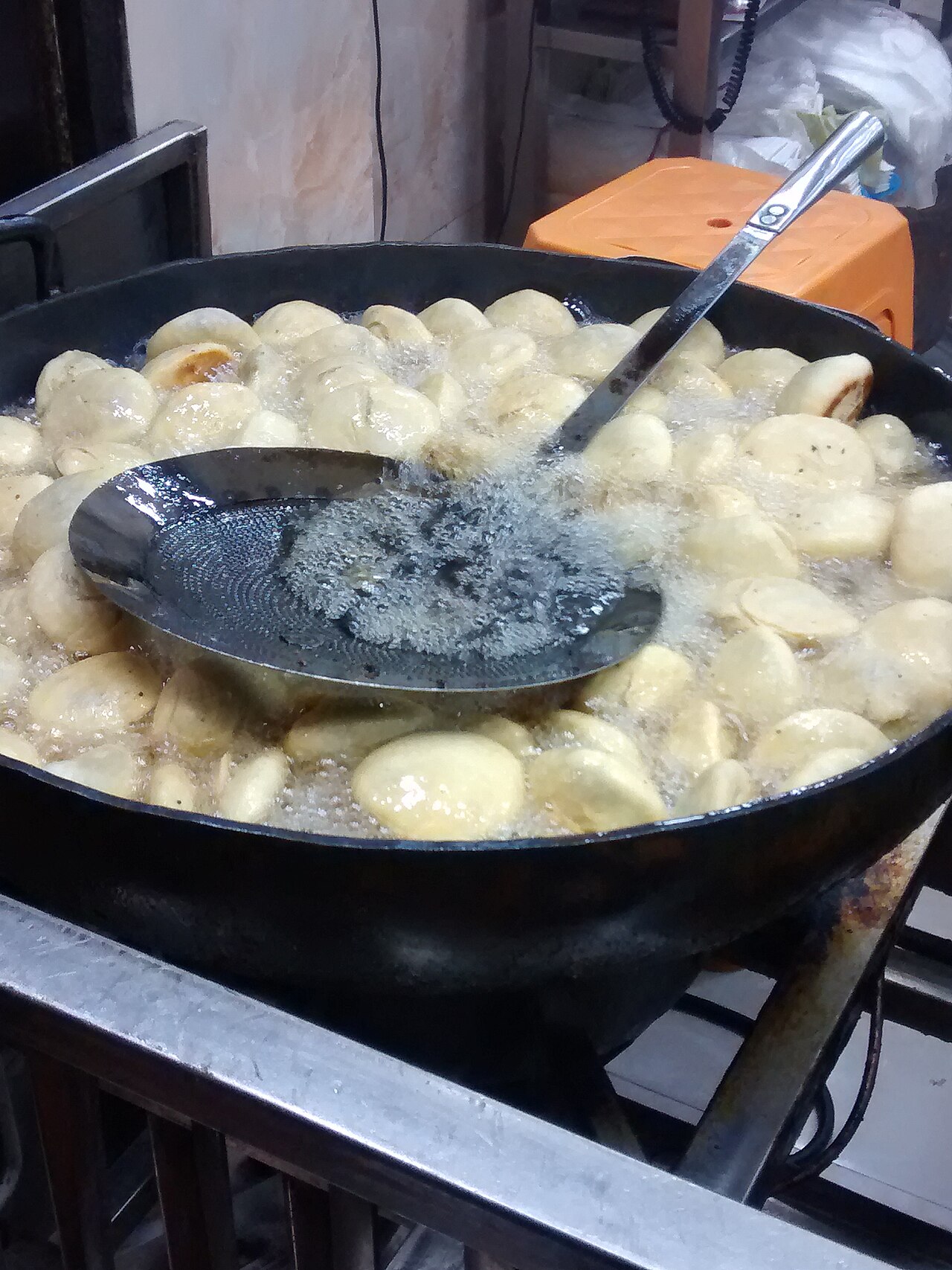
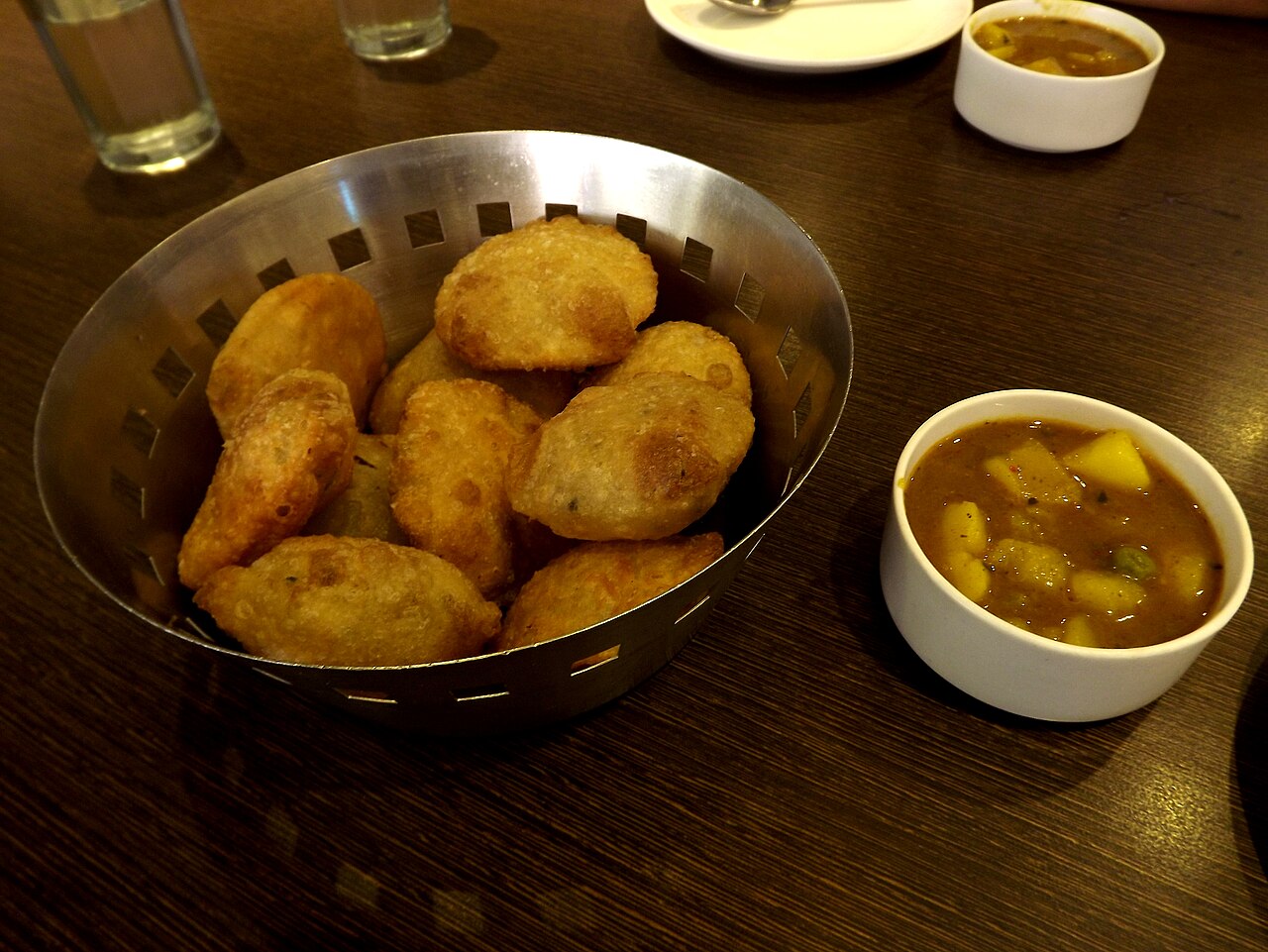
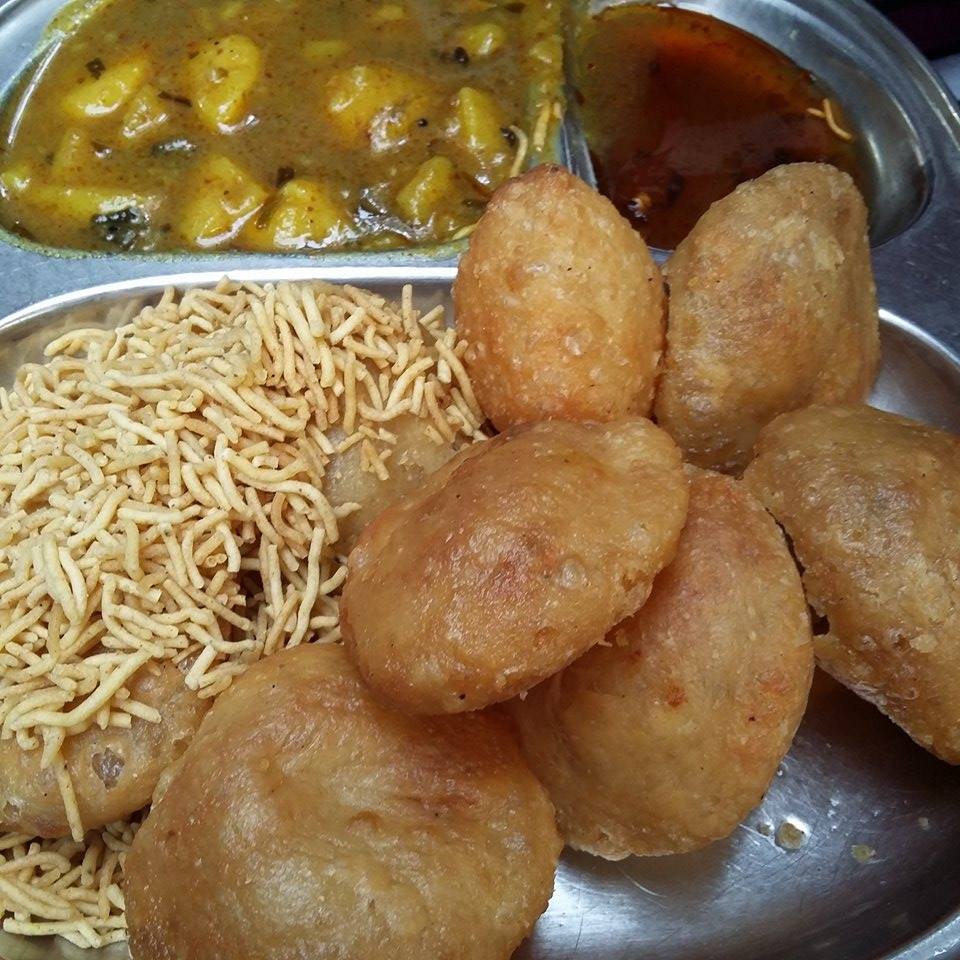
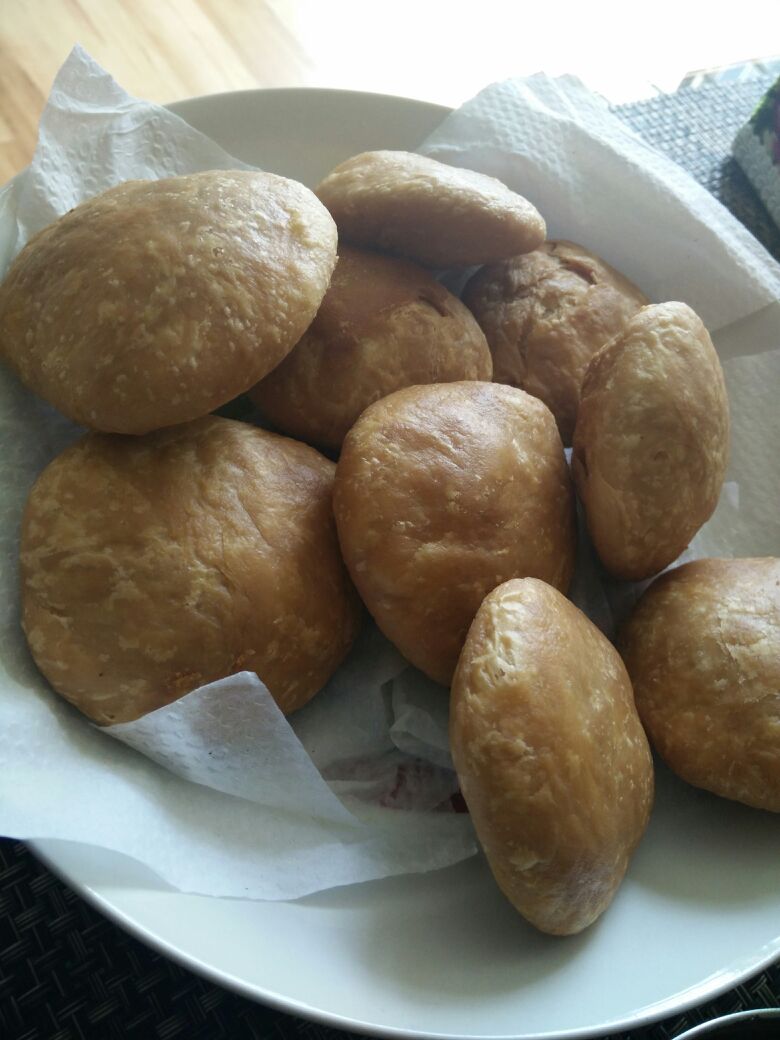
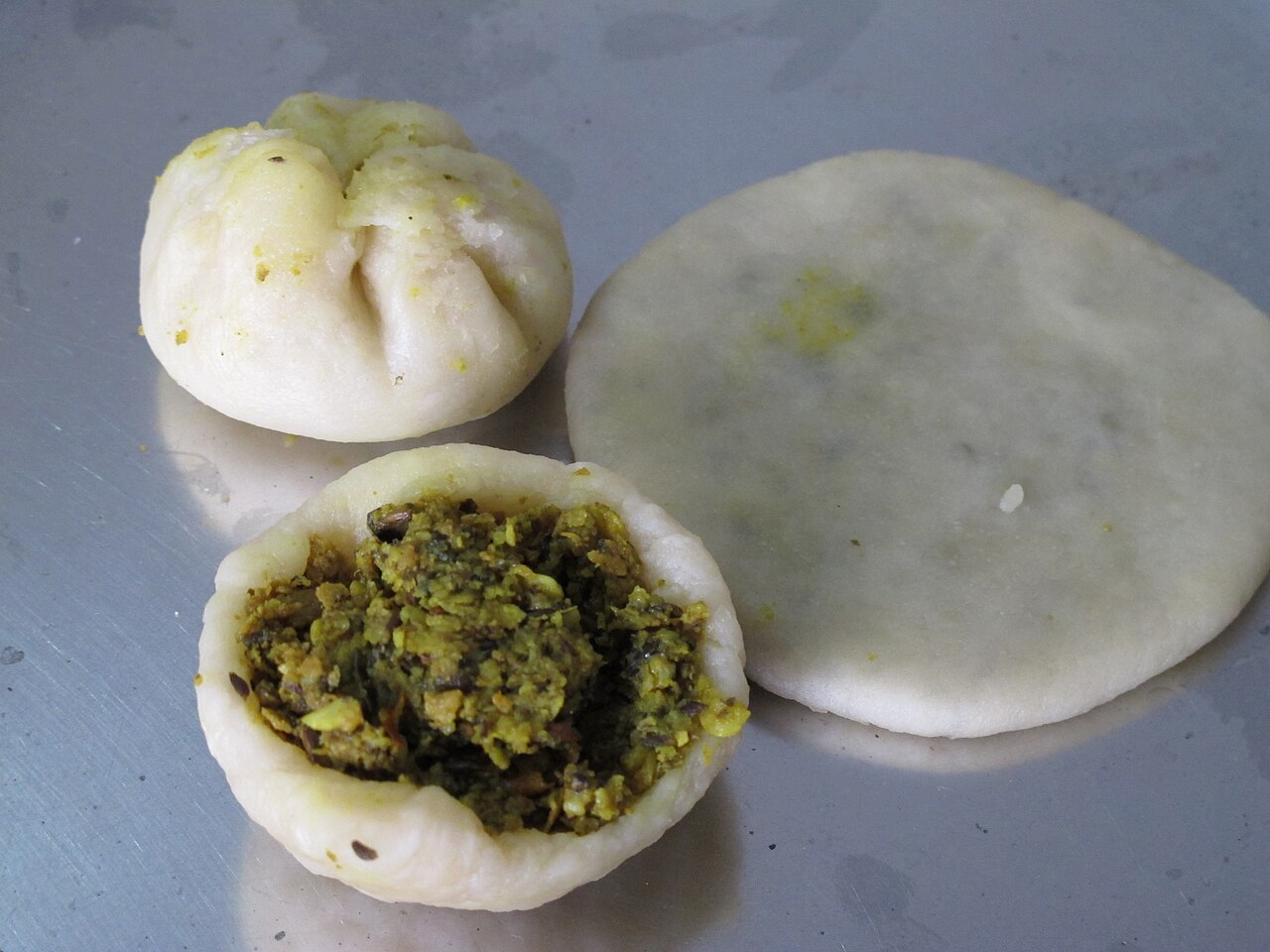
Kachori is a deep-fried, spicy, stuffed pastry that comes from the Marwar region of Rajasthan, India. The dough is made from maida, and the filling typically includes moong dal or onions, along with besan, coriander, red chili powder, salt, and other Indian spices. After being stuffed, the pastry is deep-fried in vegetable oil until it turns crispy and golden brown. It is commonly served with potato curry, and sometimes accompanied by sweet and spicy tamarind chutney or mint and green chili chutney. Though it originated in India, kachori has spread across South Asia, with many regions creating their own versions.
The kachori is thought to have first been made in Rajasthan’s Marwar region. The use of mild spices like coriander and fennel likely reflects the area’s dry, hot climate, making the snack well-suited to the environment. Over time, it became popular as a convenient food for travelers. An early recipe similar to kachori appears in the Susruta Samhita, describing a deep-fried pastry made from flour, ghee, and jaggery, stuffed with spiced mung dal or minced meat. Another dish called “Kacchari,” a puffy deep-fried pastry filled with lentils, is mentioned in a Jain text from the 7th century. Similar recipes also appear in the medieval cookbook Supa Shastra. In 1613, the writer Banarasidas mentioned buying kachoris in Indore, noting that he purchased a ser daily for seven months and ended up owing twenty rupees.
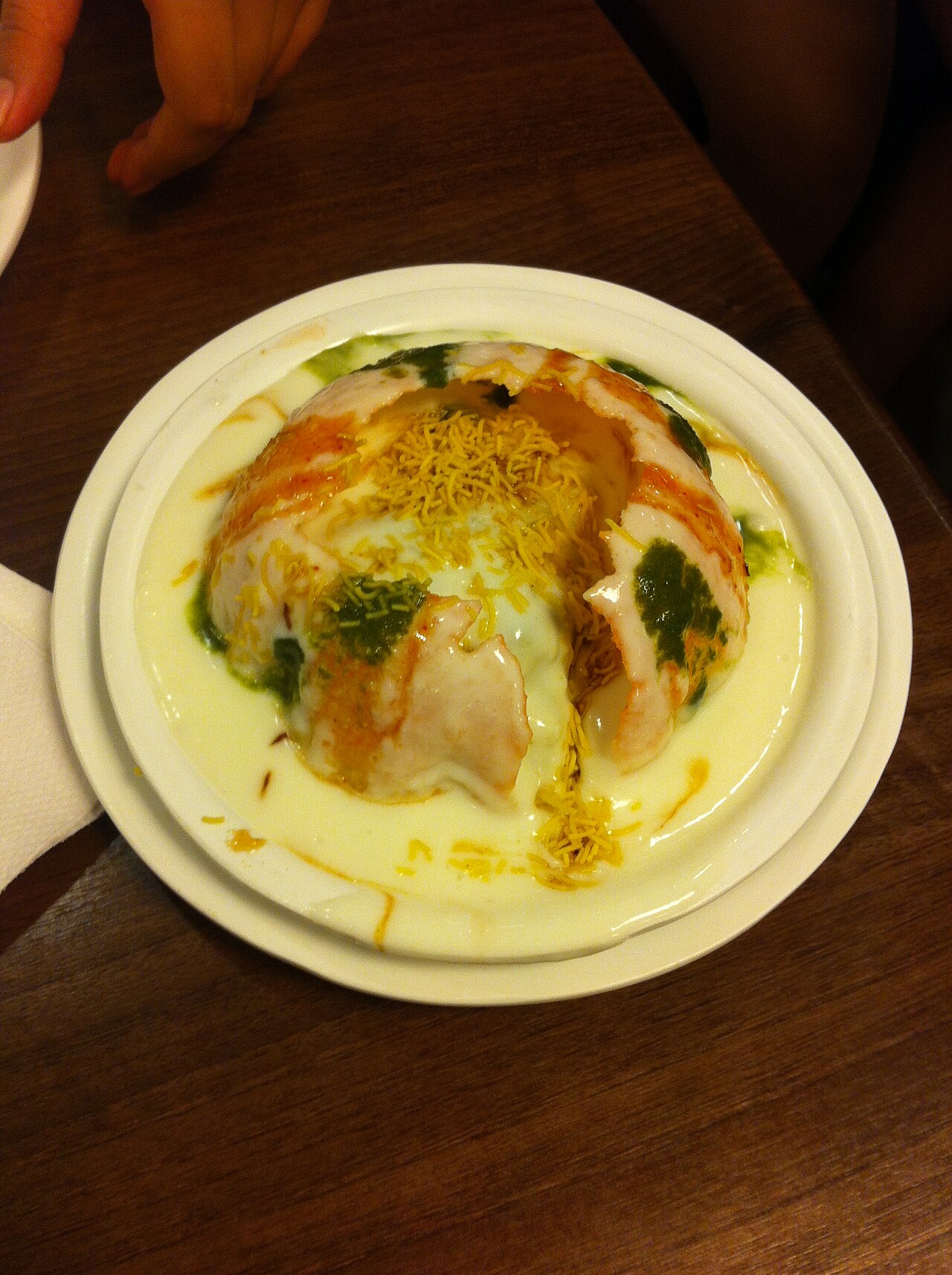
There are many variations of kachori based on the filling. Pyaaz kachori, also called kanda kachori, comes from Jodhpur, Rajasthan, and is stuffed with spiced onions. Raj kachoris, widely associated with Delhi and North Indian street food, are now common across North India; the name “raj” means “royal,” referring to their rich stuffing. They are typically topped with yogurt, spices, cilantro chutney, sweet tamarind chutney, sev, and pomegranate. Kota kachoris, from Kota, Rajasthan, are known for their spicy flavor and distinct smell of asafoetida; their filling is made from yellow mung dal cooked with cumin, ginger, green chili, turmeric, and coriander. Mawa kachori, commonly associated with Pushkar and other parts of Rajasthan, is stuffed with dry fruits and khoa, then dipped in sugar syrup. In Maharashtra, Shegaon kachori is well-known. In Gujarat, the kachori is usually a round ball of flour dough filled with yellow mung dal, black pepper, red
- Notable variations
- Pyaaz kachori, Raj kachori, Kota Kachori, Mawa kachori
Lore & Background
The kachori is believed to have originated from the Marwar region of Rajasthan, India. The use of mild spices like coriander and fennel in its preparation is thought to reflect the region's dry and hot climate, making it well-suited as a convenient travel snack. An early known recipe similar to kachori comes from the Susruta Samhita, which mentions a deep-fried pastry made from flour, ghee, and jaggery stuffed with spiced mung dal or minced meat. Another recipe for a dish called 'Kacchari', a puffy deep-fried pastry stuffed with lentils, appears in a Jain text dating back to the 7th century. Similar recipes are also mentioned in the medieval cookbook Supa Shastra.
Banarasidas, author of the biographical Ardhakathanaka, mentioned buying kachoris in Indore in 1613. For seven months, he bought a ser of kachoris daily and owed twenty rupees. Over time, the kachori gained popularity and spread across South Asia, with each region developing its own variations. In Rajasthan alone, variations include Pyaaz kachori from Jodhpur, Raj kachori from Bikaner, Kota Kachori from Kota, and Mawa Kachori from Jodhpur. Other regions such as Maharashtra, Gujarat, the Bhojpuri region, West Bengal, and North India have also created distinctive local versions.
Reader's Guide
Kachori holds significance as a traditional Indian snack that has evolved from a regional specialty in Rajasthan to a popular food item across South Asia. Its history, traced through ancient texts like the Susruta Samhita and a 7th-century Jain manuscript, demonstrates its long-standing presence in Indian culinary culture. The variety of regional adaptations—from the onion-stuffed Pyaaz kachori of Jodhpur to the yogurt-topped Raj kachori of Bikaner, the spicy Kota Kachori, and the sweet Mawa Kachori—illustrates how a single dish can be transformed to suit local tastes and ingredients. In West Bengal, softer and smaller kachoris are eaten as a tea-time snack, while in the Bhojpuri region, kachauri made with whole wheat flour is a popular breakfast option. The legacy of kachori is also reflected in its mention by the 17th-century merchant Banarasidas, who recorded buying them daily in Indore. Today, kachori remains a versatile and enduring element of South Asian street food and home cooking, with variations continuing to emerge.
Did You Know?
- An early known recipe similar to kachori appears in the Susruta Samhita, describing a deep-fried pastry stuffed with spiced mung dal or minced meat.
- Banarasidas, author of the Ardhakathanaka, recorded buying kachoris daily in Indore in 1613.
- The use of mild spices like coriander and fennel in kachori is thought to reflect the dry and hot climate of the Marwar region.
- Raj kachori, originating in Bikaner, is typically topped with yogurt, spices, cilantro chutney, sweet tamarind chutney, sev, and pomegranate.
Kachori as a Street Food Staple
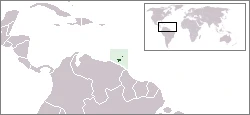
Kachori holds a recognized place among the freshly prepared street foods that can be found throughout Trinidad and Tobago. It shares this street-level prominence with a family of Indo-Trinidadian and Tobagonian preparations, including doubles, aloo pie, pholourie, saheena, baiganee, and bara. Together, these items form a recognizable cluster of Indian-South Asian influenced fare that vendors prepare and sell to the public on a daily basis. This street food tradition is one thread in a much larger culinary tapestry. The national cuisine of the islands draws from Indian-South Asian, West African, Creole, European, North American, Chinese, Amerindian, Latin American, and Levantine culinary styles, meaning that kachori occupies a specific niche within a genuinely pluralistic food culture rather than standing alone as a singular national dish. Its presence on the street, prepared fresh and sold alongside its Indo-T&T siblings, underscores how Indian-South Asian culinary traditions have become woven into the everyday eating habits of the islands.
Chutney Pairings and Condiment Culture
One of the most defining culinary relationships in which kachori participates is its pairing with chutneys. In the condiment traditions of Trinidad and Tobago, chutneys are most commonly eaten with a specific group of foods, and kachori appears prominently in that list alongside doubles, aloo pie, saheena, baiganee, and pholourie. The chutneys themselves draw from a rich palette of ingredients: chaltar, mango, tamarind, cucumber, pommecythère, bandhaniya, dhaniya, tomato, and coconut all feature in various preparations. This pairing sits within a broader condiment culture in which pepper sauces, chutneys, and pickles—often homemade—accompany meals across the islands. Pepper sauces built on Scotch bonnet peppers, the coarsely chopped murtanie medley, and a range of achars made from mango, pommecythère, tamarind, amla, lemon, lime, and chulta all contribute to the layered flavor experience. Kachori's association with these chutneys positions it as a food meant to be experienced in combination, its taste completed by the tangy, sweet, and spicy accompaniments that define the island's table.
Kachori in a Multicultural Kitchen
Kachori does not exist in isolation within the culinary landscape of Trinidad and Tobago. The national cuisine is shaped by a remarkable convergence of influences: Indian-South Asian, West African, Creole, European, North American, Chinese, Amerindian, Latin American, and Levantine culinary styles all contribute to what is served on the islands' tables. In this context, kachori represents the Indian-South Asian strand of that mosaic, standing alongside other Indo-Trinidadian and Tobagonian preparations such as doubles, aloo pie, pholourie, saheena, baiganee, and bara. Meanwhile, the broader food culture includes callaloo with its African roots, bake and shark enjoyed at beaches like Maracas and Store Bay, coconut bake served with accra, and the one-pot pelau. The presence of kachori in the street food scene, prepared fresh and sold throughout the country, demonstrates how one particular culinary tradition has found a permanent and beloved place within a genuinely multi-ethnic food identity, coexisting with and complementing the many other influences that define what it means to eat in the Caribbean.
Kachori and the Rhythm of Daily Eating
Kachori occupies a specific role in the broader rhythm of daily eating in Trinidad and Tobago, where food moves fluidly across meal boundaries. The national food culture encompasses breakfast staples like doubles, sada roti with chokhas, fried bake with saltfish, and coconut bake with accra; lunch and dinner dishes such as callaloo, pelau, curried duck, and breadfruit oil down; and a vibrant street food scene. Kachori belongs to this last category—freshly prepared and available throughout the country as a street food—yet its pairing with chutneys connects it to the condiment traditions that accompany meals at every hour. The chutneys most commonly associated with kachori, made from ingredients like chaltar, mango, tamarind, cucumber, pommecythère, bandhaniya, dhaniya, tomato, and coconut, reflect the same Indian-South Asian influence that shapes the food itself. In this way, kachori is not merely a standalone item but a node in a network of flavors, pairings, and culinary relationships that define the everyday eating experience across both islands.
Gallery
Frequently Asked Questions
What is Kachori in Trinidad and Tobago cuisine?
Kachori is a crispy, deep-fried stuffed pastry of Indian origin that has become a beloved staple in the Trinidadian food scene. It features a maida-based dough wrapped around a spiced filling and fried until the shell turns golden and shatteringly crisp.
What's typically inside a Kachori?
The stuffing most often combines moong dal or onions with besan, coriander, red chili powder, salt, and a blend of other Indian spices. This savory, aromatic center is what gives the pastry its bold flavor beneath the crunchy exterior.
How is Kachori cooked?
The stuffed pastry is submerged in vegetable oil and deep-fried until the outside reaches a deep golden-brown color and a distinctly crisp texture. The frying step is what sets kachori apart from baked or steamed pastry items.
What do you serve Kachori with in Trinidad?
It is traditionally paired with a warm potato curry, and many diners add a tangy tamarind chutney or a fresh mint-and-green-chili dip on the side. These accompaniments cut through the richness of the fried dough and add a bright, spicy contrast.
What are the most popular Kachori variations?
Well-known versions include Pyaaz kachori (onion-filled), Raj kachori, Kota Kachori, and Mawa kachori (sweetened with condensed milk solids). Each variation tweaks the filling or shape while keeping the deep-fried, spiced-pastry format intact.
More in Trinidad and Tobago cuisine 1-24
Spotted an error? Know more?
This is a living reference — every entry is fact-audited, and reader corrections feed straight into our audit queue. Suggest an edit · See this site's audit record