Chutney
A versatile condiment from the Indian subcontinent.

Ravi Dwivedi · CC BY-SA 4.0
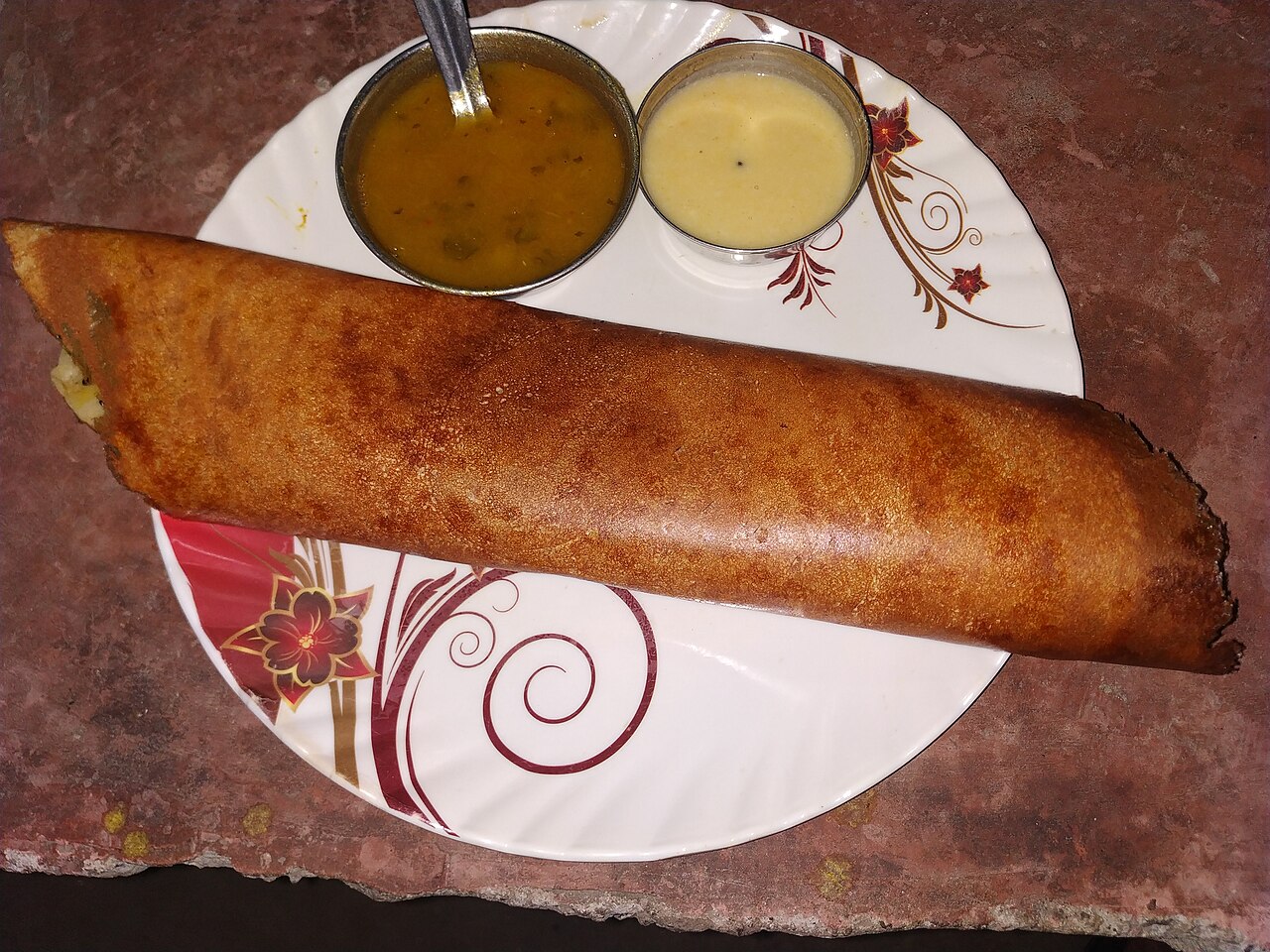
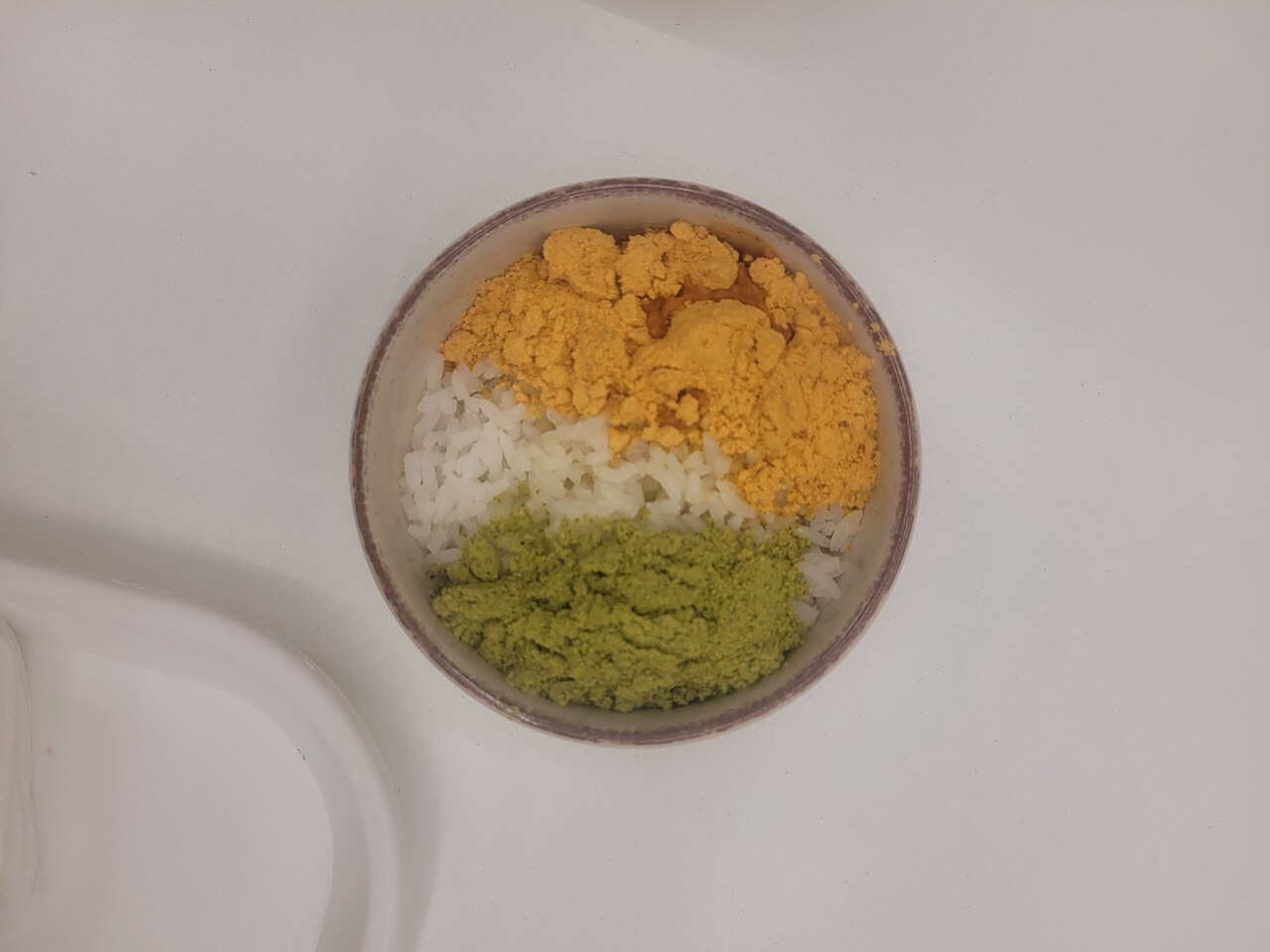
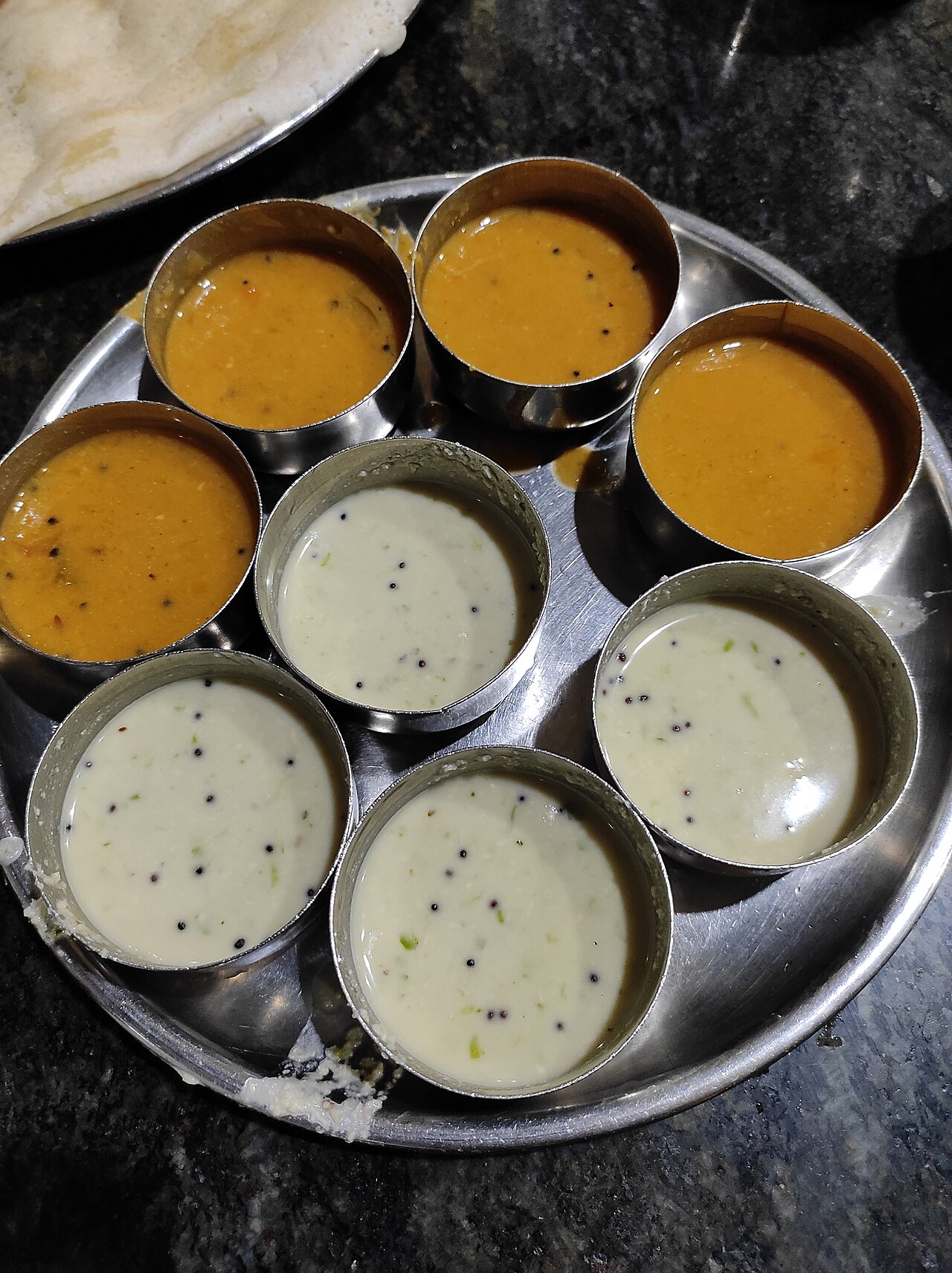
Chutney is a condiment from the Indian subcontinent, and it comes in many forms. Some are raw, like coriander chutney, while others are cooked with sugar, like mango chutney. During the British Raj, Anglo-Indian cuisine adapted the Indian version and introduced it to Britain, where green mango chutney became especially popular. In the Western world, chutneys are sometimes made with local fruits and vegetables or bought ready-made.
- origin
- Indian subcontinent
- type
- Condiment
- known_for
- Accompanying plain staples such as rice; wide variety of forms including fresh and preserved
- etymology
- From Hindi चटनी caṭnī, Urdu چٹنی chaṭnī, from चाटना chāṭnā 'to lick, taste'
- regional_names
- Pachadi in South Indian languages
- global_spread
- Spread from Britain to American colonies in 18th century, then across Europe
Lore & Background
The historian of food Pushpesh Pant suggests that basic chutneys could be the first foods prepared by hunter-gatherers, as they crushed seeds, fruits, and berries to a paste and ate it with raw or cooked foods. Several accounts of the early 16th century describe chutneys being eaten, including Duarte Barbosa's Book of Duarte Barbosa, written around 1516, which narrates scenes in the far south of India of chutney being served to the raja in silver dishes alongside curries and sauces. The kitchens of the Mughal court prepared feasts of many dishes, including numerous chutneys with ingredients as diverse as dried fruits, rose petals, and saffron; a story runs that the emperor Shah Jahan's physicians advised him to eat chutneys with herbs and spices for his digestion.
During the British Raj, the British in India prepared many kinds of chutney in their Anglo-Indian cuisine. Major Grey's Chutney, a sweet and spicy variety, was supposedly created by a 19th-century British Army officer of the British Raj, adapting Indian cuisine to Anglo-Indian taste. Its characteristic ingredients are mango, raisins, vinegar, lime juice, onion, tamarind extract, sweetening and spices. In 1896, Edward Palmer founded Veeraswamy & Co. in London, importing chutneys, spices, and curry pastes from India. British cooks used fresh fruits and vegetables such as apples, marrows, and onions, with the addition of dried sultanas, and hot British spices like mustard powder and horseradish substituted for chili.
Reader's Guide
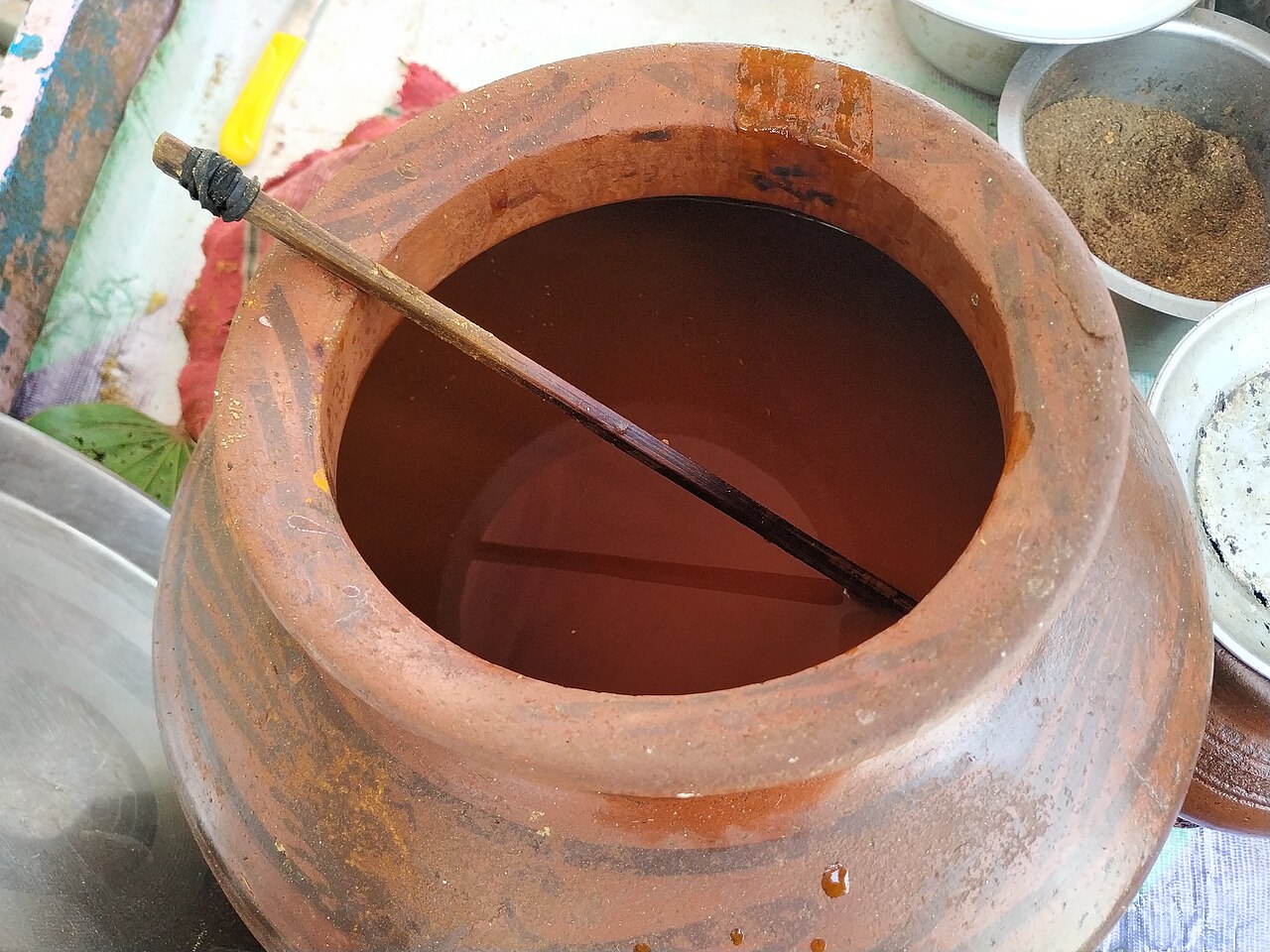
Chutney holds significance as a condiment that has evolved across India into many regional varieties, such as Karnataka's coconut chutney and Odisha's chaprah chutney, which is made with red ants and recognized with a geographical indication tag in 2024. In the 18th century, chutney spread from Britain to the American colonies, and then across Europe, eventually becoming a global dish. In Trinidad and Tobago, chutneys are mostly made from green mangoes, coconut or tamarind. South African Cape Malay chutneys are called blatjang, and can be made using fruits such as apricots, mangoes, or peaches. In 2024, chutneys (as a class) were placed 41st on the Taste Atlas 100 Best Dips in the World. In countries such as Guyana, Suriname, and Trinidad, with a significant Indian diaspora population where chutneys continue to be eaten, 'chutney' names a music and dance tradition derived from the North Indian sthai-antar refrain-verse musical structure, symbolising the diaspora's cultural identity. A World Chutney Day is celebrated annually on 24 September.
Did You Know?
- Odisha's chaprah chutney is made with red ants, which directly make the chutney sour with their formic acid.
- Major Grey's Chutney was supposedly created by a 19th-century British Army officer of the British Raj.
- In 2024, chutneys were placed 41st on the Taste Atlas 100 Best Dips in the World.
- A chutney made with dried fish has been thought to have soothing properties, such as when a person is suffering from malaria.
A Sound Forged in a Cultural Crucible
Chutney music is one of the distinctive musical styles that traces its origins to Trinidad and Tobago, an island nation where African and Indian Caribbean heritages have intertwined for centuries. The roots of this tradition can be understood through the island's layered history: African enslaved people were brought to work on plantations producing sugar, indigo, and rum, while later waves of Indian indentured laborers arrived after recruiters in India used the name Chinidat—meaning "land of sugar"—to draw workers to the sugar estates. This convergence of two deep cultural streams, each carrying its own musical and rhythmic traditions, created the fertile ground from which chutney music eventually emerged. The island's identity as a place where these communities lived, worked, and celebrated side by side gave chutney music a foundation that is inseparable from the broader social fabric of Trinidad and Tobago.
Among Siblings in a Musical Family
Chutney music does not exist in isolation; it is part of a broader constellation of sonic traditions for which Trinidad and Tobago is credited as the birthplace. Alongside chutney music sits its fusion counterpart, chutney soca, which blends elements of both traditions into a hybrid form. Together, these styles join calypso, soca, and rapso in a lineup that reflects the extraordinary diversity of the island's creative output. The steelpan and the limbo dance also claim Trinidad and Tobago as their point of origin, underscoring how a single small archipelago in the southern Caribbean produced so many globally recognized artistic forms. What unites all of these expressions is the shared cultural soil of African and Indian Caribbean communities, whose interplay over generations generated a musical vocabulary rich enough to sustain multiple distinct genres, each with its own character and audience.
Rhythm of Celebration
The cultural landscape in which chutney music takes root is one defined by large-scale public celebration. Trinidad and Tobago is widely recognized for its famous Carnival, the Hosay observance, and the Diwali festival, each drawing on the island's African and Indian Caribbean cultural inheritance. These are not merely calendar events but central pillars of communal identity, occasions where music, movement, and collective participation come to the fore. Chutney music, born within this same cultural ecosystem, carries the spirit of those gatherings—of streets filled with sound, of communities assembling to express joy, faith, and heritage through performance. The fact that a nation of this size, situated as the southernmost archipelagic country in the Caribbean, has produced such a vibrant and well-known celebration culture speaks to the depth of creative energy that chutney music draws upon in its expression.
An Island at the Edge of the Caribbean
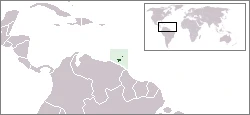
The geographic and historical particularity of Trinidad and Tobago helped shape the conditions under which chutney music could develop. Situated just six nautical miles off the coast of Venezuela and well south of the main Caribbean hurricane belt, the islands occupied a unique position at the crossroads between the Caribbean and the South American continent. This proximity to the mainland, combined with centuries of successive colonization by Spanish, British, Dutch, French, and other powers, meant that the population was repeatedly reshaped by migration, enslavement, and indenture. The island achieved independence in 1962 and declared itself a republic in 1976, but the cultural layers accumulated over those earlier centuries—African, Indian, European, Indigenous—remained deeply embedded. Chutney music is, in this sense, a sound that belongs to that specific place and its particular history of cultural accumulation.
Gallery
Frequently Asked Questions
What exactly is chutney in Trinidad and Tobago cuisine?
Chutney is a versatile condiment that originated in the Indian subcontinent and became a staple in Trinidadian kitchens. It can be prepared fresh and raw or cooked down with sugar and spices, depending on the variety.
How did chutney make its way to Trinidad and Tobago?
Indian indentured laborers carried chutney traditions to the islands, where it became a go-to accompaniment for everyday meals. Over time it blended into the local culinary identity alongside other Indian-influenced dishes.
What does the word 'chutney' actually mean?
The term traces back to Hindi and Urdu roots, ultimately derived from a word meaning 'to lick' or 'to taste.' In South Indian languages, the same concept goes by the name Pachadi.
How is chutney typically served in Trinidad?
It most often accompanies plain staples like rice, adding a burst of flavor to otherwise simple meals. You'll find both fresh, raw versions and preserved, sugar-based ones on the table.
How did chutney spread beyond India and the Caribbean?
During the British colonial period, Anglo-Indian cooks adapted the condiment and brought it to Britain, where green mango chutney gained particular popularity. From there it moved into American colonies by the 18th century and eventually spread across Europe.
More in Trinidad and Tobago cuisine 1-24
Spotted an error? Know more?
This is a living reference — every entry is fact-audited, and reader corrections feed straight into our audit queue. Suggest an edit · See this site's audit record