Queen's Park Swizzle
A Trinidadian rum swizzle with mint and bitters.

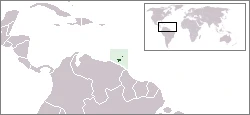
The Queen’s Park Swizzle is a rum cocktail from Trinidad, belonging to a family of West Indian swizzle drinks that likely date back to the 1800s and have recently become popular in New York City. Its name comes from the Queen’s Park Hotel in Port of Spain, where it was invented in the 1920s. The drink shares ingredients with a Mojito—rum, lime juice, sugar, and mint—but stands apart by using Demerara rum from Guyana (instead of light rum) and Angostura bitters, a famous Trinidadian export. The bitters, along with the rum’s character, give the cocktail its distinct profile. The swizzling technique, performed with a stick (traditionally from the Caribbean *Quararibea turbinate* tree, though modern sticks are often metal or plastic), keeps the muddled mint at the bottom of the glass. The drink is served in a Collins or highball glass, with mint muddled in lime juice and syrup, then Demerara rum, bitters, and crushed ice added. Swizzling until the glass frosts mixes everything; sometimes extra bitters are layered on the ice for a red tint, creating green, gold, and red layers. A mint sprig garnishes it. The House of Angostura promotes it as Trinidad and Tobago’s national drink. The Queen’s Park Hotel opened in 1895 and became a hotspot after U.S. Prohibition, when wealthy Americans traveled to the Caribbean to drink legally. The hotel’s bartenders, many hired from the U.S., created the Swizzle as a variation of the Mojito or a classic swizzle, adding local bitters for a distinctive twist. Trader Vic’s called it “the most delightful form of anesthesia given out today” in 1946, and the 1972 edition of his bartender’s guide praised it as a “real doozer of a rum drink.” The hotel closed in 1996. A variation, the Kona Swizzle, uses spiced rum, coffee, and orgeat.
- origin
- Trinidad
- created
- 1920s
- type
- Cocktail
- key_ingredients
- Demerara rum, lime juice, sugar, mint, Angostura bitters
- associated_hotel
- Queen's Park Hotel, Port of Spain
- national_drink_of
- Trinidad and Tobago
Quick Facts
- Ingredients
- Mint, lime juice, rum, Angostura bitters, syrup, ice
- Garnish
- Mint sprig
- Drinkware
- Collins glass
Facts from the source article.
Lore & Background
The drink's name comes from the Queen's Park Hotel in Port of Spain, Trinidad, which opened on January 15, 1895. The hotel was moderately successful through 1920, and more so after the 18th Amendment made alcohol illegal in the United States, prompting wealthy Americans to travel to the Caribbean to drink legally. The Queen's Park Hotel was considered one of the grandest hotel bars at the time. Hotels abroad hired previously employed American bartenders, who brought clients and cocktail expertise. The Queen's Park Hotel asked the bartenders to concoct a signature drink; they created a variation of the Mojito or a traditional swizzle, adding locally made Angostura bitters.
Reader's Guide
The Queen's Park Swizzle is significant as a classic rum cocktail from Trinidad and a representative of the West Indian swizzle genre. Its ingredients—rum, lime juice, sugar, and mint—are similar to the Mojito, but it uses Demerara rum from Guyana rather than light rum, and includes Angostura bitters, one of Trinidad's most famous exports. The drink is traditionally swizzled with a swizzle stick made from the Quararibea turbinate tree, though modern sticks are often metal or plastic. The House of Angostura has promoted it as Trinidad and Tobago's national drink. Trader Vic's praised it in 1946 as 'the most delightful form of anesthesia given out today,' and Victor Bergeron included it in his 1972 bartender's guide. The original Queen's Park Hotel closed in 1996, but the cocktail remains a notable part of cocktail history.
Did You Know?
- The Queen's Park Swizzle was first created in the 1920s at the Queen's Park Hotel in Port of Spain, Trinidad.
- The drink uses Demerara rum, which comes from Guyana from sugarcane grown on the banks of the Demerara River.
- Angostura bitters, a key ingredient, is one of Trinidad's most famous exports.
- The original Queen's Park Hotel closed in 1996.
- The Queen's Park Swizzle is traditionally considered a variation of the Mojito or a swizzle family drink, not a modified Daiquiri.
More in Trinidad and Tobago cuisine 1-24
Spotted an error? Know more?
This is a living reference — every entry is fact-audited, and reader corrections feed straight into our audit queue. Suggest an edit · See this site's audit record