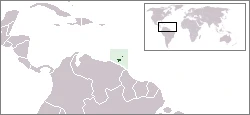
Puncheon rum
A high-proof Trinidadian rum named after its storage casks.

Puncheon rum is a potent, heavy-bodied rum from Trinidad and Tobago, bottled at 75% alcohol by volume. Its name comes from the large wooden barrels, called puncheons, that were used to store it. The rum style existed in Trinidad well before the 1930s, though it was later popularized by the Fernandes family after they acquired the Forres Park estate. Today, two local brands—Forres Park and Stallion—produce it; the Caroni distillery closed in 2003 and no longer makes rum. In Trinidad and Tobago, it is sometimes called "firewater."
The history of Puncheon rum is deeply rooted in Trinidad's distilling traditions, with the style predating the 20th century. The Fernandes family bought the Forres Park estate in Trinidad and set up a distillery there, initially making a gold rum called Vat-19 for sale. They also produced extra rum for their own use and for their estate workers, storing it in massive puncheons. Interest in this rum spread beyond the estate, and soon it was made for the wider market. It gained a reputation as a drink for "baa-johns," or hooligans, who drank it to prove their toughness. In 1973, Angostura acquired the Fernandes Group, which included the Forres Park operations.
- type
- Rum
- origin
- Trinidad and Tobago
- alcohol_by_volume
- 75%
- first_produced
- pre-1930s
- producer
- Fernandes family (historically)
- brands
- Forres Park, Stallion
Lore & Background
Puncheon rum has a long history in Trinidad, with the style existing well before the 1930s. The Fernandes family acquired the Forres Park estate in Trinidad and set up a distillery on the estate, beginning to distill rum to sell as Vat-19, a gold rum. However, they also made additional rum for their own personal consumption and for their estate workers, storing it in massive wooden barrels called puncheons. Interest in this rum spread beyond the estate, and soon it was produced for the market. It gained a stigma for being associated with hooligans, called 'baa-johns', who regularly consumed it to demonstrate their toughness. In 1973, Angostura acquired the Fernandes Group, which included the Forres Park operations.
Reader's Guide
Puncheon rum holds a distinct place in Trinidad and Tobago's cultural and spirits history. As a high-proof rum bottled at 75% alcohol by volume, it is one of the strongest commercially available rums. Its origin in the early 1930s with the Fernandes family on the Forres Park estate marks the beginning of a style that continues today with three local brands: Forres Park, Caroni, and Stallion. The rum's association with 'baa-johns'—hooligans who drank it to show toughness—gave it a notorious reputation. The acquisition of Forres Park by Angostura in 1973 shifted its commercial trajectory. Despite its stigma, Puncheon rum remains a significant product, often called 'firewater' locally, and represents a traditional, high-proof expression of Caribbean rum-making.
Did You Know?
- Puncheon rum is sometimes referred to as 'firewater' in Trinidad and Tobago.
- The name 'Puncheon' comes from the giant wooden casks called puncheons in which the rum was stored.
- Puncheon-style rum existed in Trinidad long before the 1930s, though the Fernandes family later popularized it.
- In 1973, Angostura acquired the Fernandes Group, which included the Forres Park operations.
More in Trinidad and Tobago cuisine 1-24
Spotted an error? Know more?
This is a living reference — every entry is fact-audited, and reader corrections feed straight into our audit queue. Suggest an edit · See this site's audit record