Pholourie
A fried split pea snack served with chutney.

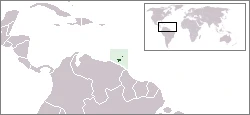
Pholourie—also known as phulourie or phoulourie—is a popular snack across Trinidad and Tobago, Guyana, Suriname, and other Caribbean islands. The dish features small, deep-fried dough balls made from flour, ground split peas, water, and a blend of spices. Common seasonings include culantro, garlic, pepper, turmeric, onions, or cumin. Once formed into golf-ball-sized rounds and fried, they are typically served with a dipping chutney, most often tamarind or mango.
The origins of pholourie trace back to Indian migrants who came to Trinidad and Tobago, Guyana, and Suriname as indentured laborers after the abolition of slavery in the 19th century. They brought their own recipes, which they adapted using local ingredients. Over time, these adjustments helped shape the Indian-influenced cuisine now found in Trinidad. The snack is especially associated with Holi, the Hindu festival celebrated by Trinidadian Hindus.
In popular culture, Sundar Popo’s well-known song “Pholourie Bina Chutney Kaise Bani” (meaning “How can you have pholourie without the chutney?”) highlights the snack’s cultural significance.
- field
- Cuisine
- known_for
- Fried spiced split pea and flour dough balls served with chutney
- region
- Trinidad and Tobago, Guyana, Suriname, other parts of the Caribbean
- associated_festival
- Holi
Lore & Background
The dough for pholourie is made from flour, ground split peas, water, and spices. Depending on the recipe, culantro, garlic, pepper, turmeric, onions or cumin are used. The dough is formed into balls the size of golf balls and then fried. The fried balls are usually served with a chutney to dip them in, typically tamarind or mango chutney.
The dish was brought to Trinidad and Tobago, Guyana and Suriname by migrants from India. These Indians were recruited as indentured laborers after slavery had been abolished in the 19th century, and they brought their local recipes with them, which they altered according to ingredients available in their new home. Over the decades, local taste slowly altered, leading to the Indian-based part of Trinidadian cuisine known today.
Pholourie is widely connected to the Holi festival celebrated by Trinidadian Hindus. One of Sundar Popo's most famous songs is 'Pholourie Bina Chutney Kaise Bani' (transl. How can you have pholourie without the chutney?).
Reader's Guide
Pholourie represents a significant fusion of Indian culinary traditions with Caribbean ingredients and tastes, brought by indentured laborers from India in the 19th century. Its enduring popularity across Trinidad and Tobago, Guyana, Suriname, and other parts of the Caribbean highlights the cultural adaptation and continuity of Indian diaspora communities. The snack's association with the Holi festival underscores its role in religious and communal celebrations among Trinidadian Hindus. The dish's simple yet adaptable recipe—using ingredients like culantro, garlic, pepper, turmeric, onions, or cumin—reflects the resourcefulness of migrants who modified their traditional recipes based on local availability. Pholourie's presence in popular culture, notably through Sundar Popo's song, further cements its place as a beloved and iconic Caribbean snack, linking culinary heritage to broader cultural identity.
Did You Know?
- Pholourie is also spelled phulourie or phoulourie.
- The dough balls are the size of golf balls before frying.
- It is widely connected to the Holi festival celebrated by Trinidadian Hindus.
- Sundar Popo's famous song is titled 'Pholourie Bina Chutney Kaise Bani'.
More in Trinidad and Tobago cuisine 1-24
Spotted an error? Know more?
This is a living reference — every entry is fact-audited, and reader corrections feed straight into our audit queue. Suggest an edit · See this site's audit record