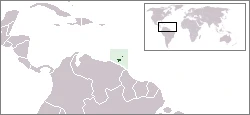
Pelau
A Creole rice dish from the West Indies.

Pelau is a traditional rice dish from the West Indies, particularly associated with Trinidadian cuisine. Its significance lies in its fusion of culinary traditions, combining elements from Persian pilaf, African cooking methods, and local ingredients under the influence of Spanish colonial rule and the contributions of Indian indentured servants and African slaves.
- common_spices
- Cloves, cumin, thyme, garlic, onion, scallion, pimento (allspice)
Quick Facts
- Country
- West Indies
- National Cuisine
- Caribbean
- Course
- Main
- Served
- Hot
- Main Ingredient
- Rice
- Minor Ingredient
- Meat
- Variations
- Curry pelau
Facts from the source article.
Lore & Background
Pelau shares its origins with pilaf, a rice dish from Central Asia, the Middle East, East Africa, South Asia, and Spain. After the abolition of slavery, Indian indentured servants arrived in Trinidad and contributed their culinary traditions, which later blended with African cooking methods. The caramelisation of the meat goes back to African preparation traditions.
Reader's Guide
Pelau is a one-pot dish that exemplifies the blending of diverse culinary heritages in the Caribbean. Its preparation typically involves caramelising meat in brown sugar with onion and garlic, then adding rice, pigeon peas or cowpeas, coconut milk, and spices such as cardamom, cloves, cumin, and coriander. An alternative method involves sautéing the meat, precooking the rice, and baking the assembled dish. Side dishes like coleslaw are optional. The dish's evolution reflects the historical interactions between Indian indentured servants, African slaves, and Spanish colonial rule in Trinidad, resulting in a unique Creole cuisine that continues to be a staple in the region.
Did You Know?
- Pelau is a Creole dish from the West Indies.
- Its main ingredients typically include meat, rice, pigeon peas or cowpeas, coconut milk, and sugar.
- The caramelisation of the meat in pelau goes back to African preparation traditions.
- Pelau shares its origins with pilaf, a rice dish from Central Asia, the Middle East, East Africa, South Asia, and Spain.
More in Trinidad and Tobago cuisine 1-24
Spotted an error? Know more?
This is a living reference — every entry is fact-audited, and reader corrections feed straight into our audit queue. Suggest an edit · See this site's audit record