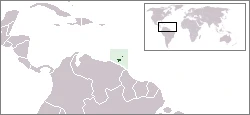
Kuchela (relish)
A hot Trinidadian mango relish with Indian roots.

Kuchela, also spelled kucheela or occasionally kuchila, is a hot relish in Trinidadian cuisine. It is made primarily from the pulp of unripe mangoes that has been grated, strained or dried, then mixed with amchar massala and various additional spices. The relish's hotness is regulated by fresh peppers such as Scotch bonnets or congo peppers (habaneros), or by hot sauce, and it is seasoned with salt, sugar, garlic, vinegar, and often mustard oil. Kuchela is used as a side dish, condiment, or topping for dishes like curries, pelau, or doubles.
- type
- relish
- cuisine
- Trinidadian
- main ingredient
- unripe mango pulp
- key spice blend
- amchar massala
- common peppers
- Scotch bonnets, congo peppers (habaneros)
- related dish
- mango achar (Guyana)
- origin
- Indian roots
Lore & Background
Kuchela has Indian roots, as does the spice blend amchar massala. Roughly 40% of all Trinidadians are of Indian descent, their ancestors having come to Trinidad as indentured labourers from the mid 19th century onward. These immigrants brought traditional recipes from their home provinces, which were subsequently adapted to local provisions. Today, kuchela and amchar massala are available as industrially produced, packaged goods in supermarkets. In neighboring Guyana, a similar relish called mango achar exists, reflecting shared colonial heritage.
Reader's Guide
Kuchela is a significant element of Trinidadian cuisine, representing the adaptation of Indian culinary traditions to Caribbean ingredients. Its preparation involves grating and drying unripe mango pulp, then mixing it with amchar massala—a blend of cilantro seeds, cumin, fennel seeds, fenugreek seeds, brown mustard seeds, and peppercorns—along with additional spices, peppers, salt, sugar, garlic, vinegar, and mustard oil. The relish's versatility as a side dish, condiment, or topping for curries, pelau, or doubles underscores its role in daily meals. Its industrial production and availability in supermarkets highlight its enduring popularity and cultural integration. The existence of a similar relish in Guyana further illustrates the broader regional influence of Indian diaspora cooking in the Caribbean.
Did You Know?
- Kuchela is also spelled kucheela or occasionally kuchila.
- The hotness level is regulated by adding fresh peppers such as Scotch bonnets or congo peppers (habaneros), or a hot sauce.
- Amchar massala contains cilantro seeds, cumin, fennel seeds, fenugreek seeds, brown mustard seeds, and peppercorns.
- In neighboring Guyana, a similar relish called mango achar exists.
Frequently Asked Questions
What is Kuchela?
Kuchela (also spelled kucheela or kuchila) is a fiery Trinidadian relish built around grated or dried unripe mango pulp. It carries strong Indian culinary roots and is seasoned with amchar massala, salt, sugar, garlic, vinegar, and often mustard oil.
How is the heat in Kuchela controlled?
Cookers adjust the spiciness by folding in fresh peppers—typically Scotch bonnets or congo peppers (habaneros)—or by adding hot sauce to taste. More pepper means a sharper bite, while less keeps the mango's tangy-sour character front and center.
What do you eat Kuchela with?
It works as a side dish, a condiment, or a topping for everyday Trinidadian plates like curries, pelau, and doubles. A small spoonful adds a bright, spicy-mangy punch that cuts through richer, spiced dishes.
What makes Kuchela different from a plain mango pickle?
The defining feature is the amchar massala spice blend mixed into the unripe mango pulp, which gives it a distinct aromatic profile compared to simpler pickles. The use of mustard oil and the specific Trinidadian pepper choices also set it apart from generic mango chutneys.
Is Kuchela the same as Guyanese mango achar?
They are closely related cousins—both are hot, tangy relishes made from unripe mango pulp with Indian spice influences. Kuchela is the Trinidadian version, while mango achar is the Guyanese counterpart, and the two share a lot of technique and flavor logic.
More in Trinidad and Tobago cuisine 1-24
Spotted an error? Know more?
This is a living reference — every entry is fact-audited, and reader corrections feed straight into our audit queue. Suggest an edit · See this site's audit record