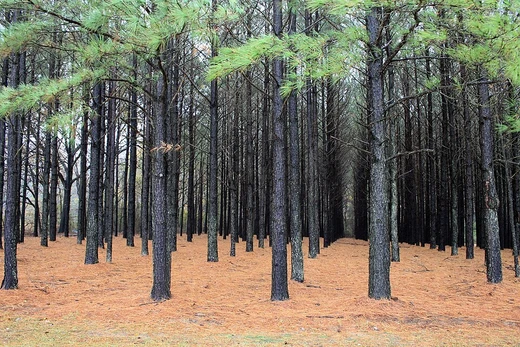
Fagus sylvatica
A large deciduous tree native to Europe, valued for timber and ornament.

Dominicus Johannes Bergsma · CC BY-SA 4.0
Fagus sylvatica, the European beech or common beech, is a large deciduous tree in the beech family native to much of Europe. It is valued for its smooth silvery-grey bark, large leaf area, and short trunk with low branches, and is widely cultivated as an ornamental, including in North America. The species has numerous cultivars, such as the showy copper beech, and its timber is used for furniture.
Quick Facts
- Genus
- Fagus
- Species
- sylvatica
Facts from the source article.
Lore & Background
Fagus sylvatica was described by Carl Linnaeus in 1753 in his Species Plantarum. The species diverged from other beech subgenera in the Early Oligocene, 32.1 to 33.4 million years ago. It is the most abundant hardwood species in Austrian, German, and Swiss forests, and its native range extends across Europe to northwest Turkey, where it hybridizes with oriental beech (Fagus orientalis). In southern England, it is often regarded as native, though evidence suggests it arrived around 4000 BCE, possibly introduced by Stone Age humans for its nuts. In Norway, its native status is debated, with molecular genetic analyses implying introduction from Denmark before and during the Viking Age.
Reader's Guide
Fagus sylvatica is significant as a dominant hardwood in European forests, particularly in Austria, Germany, and Switzerland, and as a popular ornamental tree in temperate regions worldwide. In North America, it is preferred over the native Fagus grandifolia for its faster growth. The species supports diverse ecosystems, forming ectomycorrhizas with fungi such as Russula species and Laccaria amethystina, and its forests in Ukraine and Romania are home to large predators like brown bears and wolves. Its timber is used for furniture, and its nuts, though slightly toxic due to tannins and alkaloids, are consumed by animals and humans. The tree is sensitive to drought and spring frost, and its leaves often exhibit marcescence, remaining on the tree through winter. Cultivars like the copper beech enhance its ornamental value. The species faces threats from false heartwood and the pathogen Biscogniauxia nummularia, which causes strip-canker and wood rot.
Did You Know?
- A 10-year-old sapling stands about 4 m (13 ft) tall.
- Some European beeches are known to exceed 500 years in age, with notable old-growth stands in places like Valle Cervara, Italy.
- Beech leaves often remain on the tree until spring, a process called marcescence.
- The species is monoecious, with male flowers in catkins and female flowers producing triangular nuts.
Form, Size, and the Persistence of Leaves
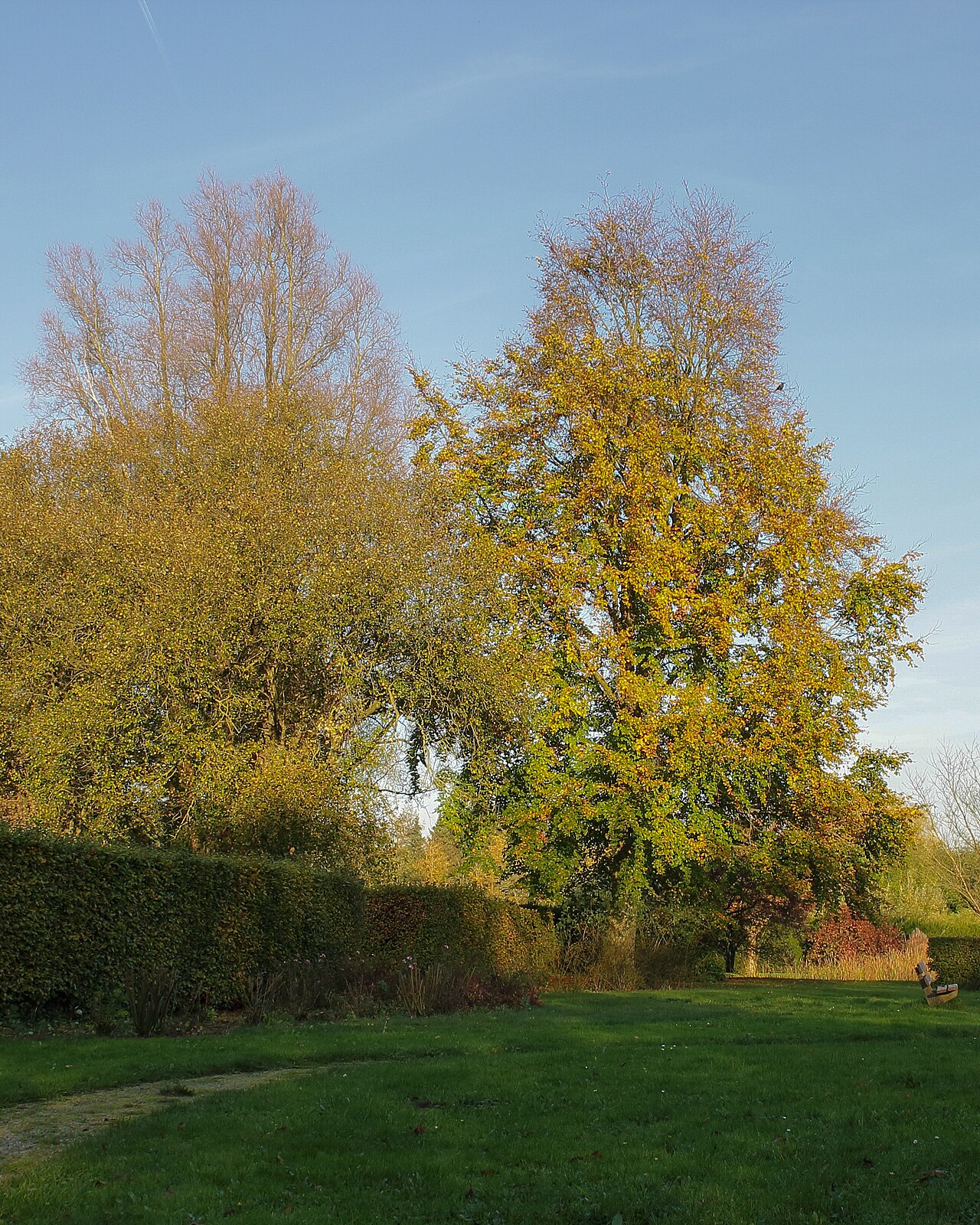
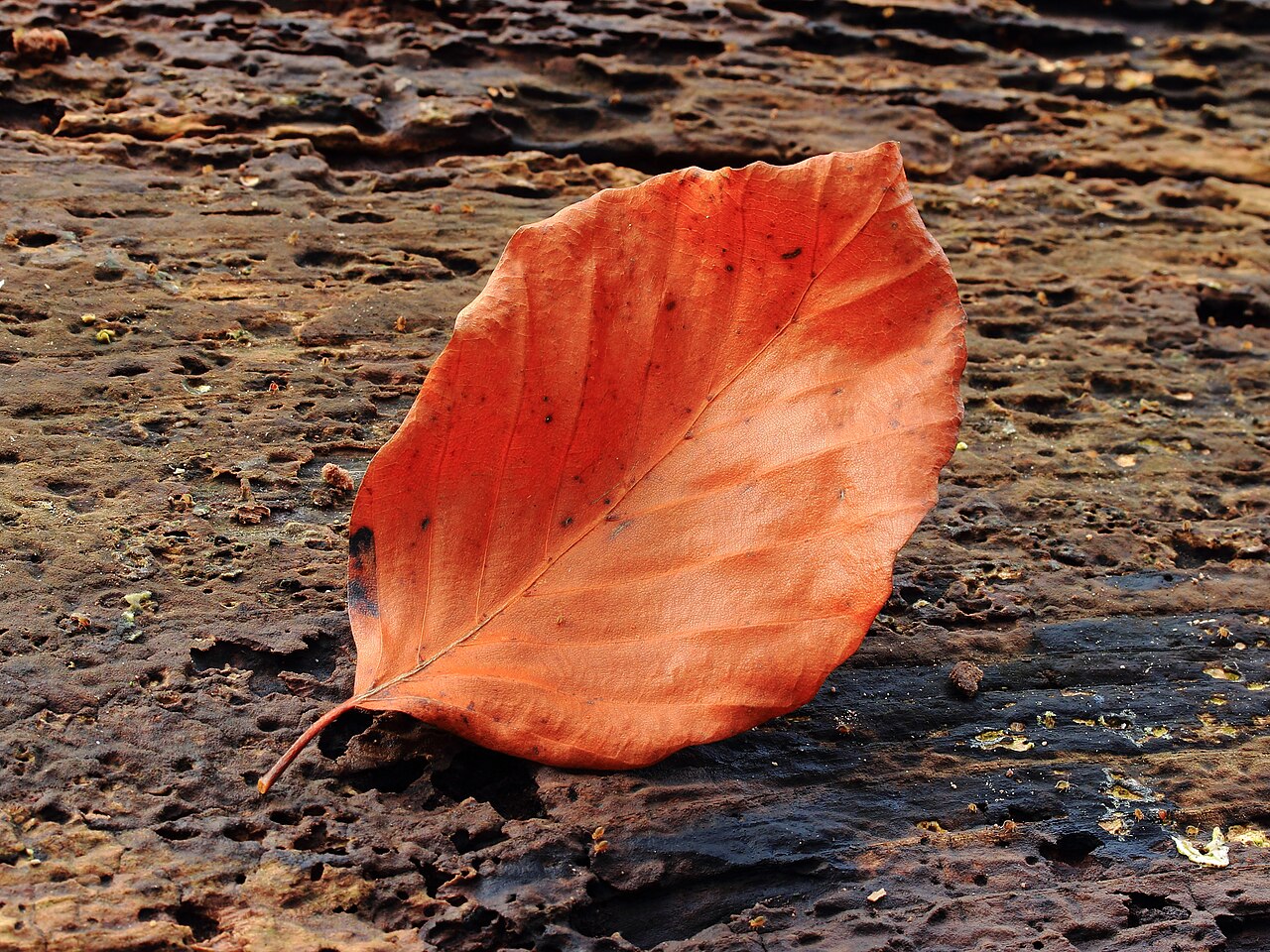
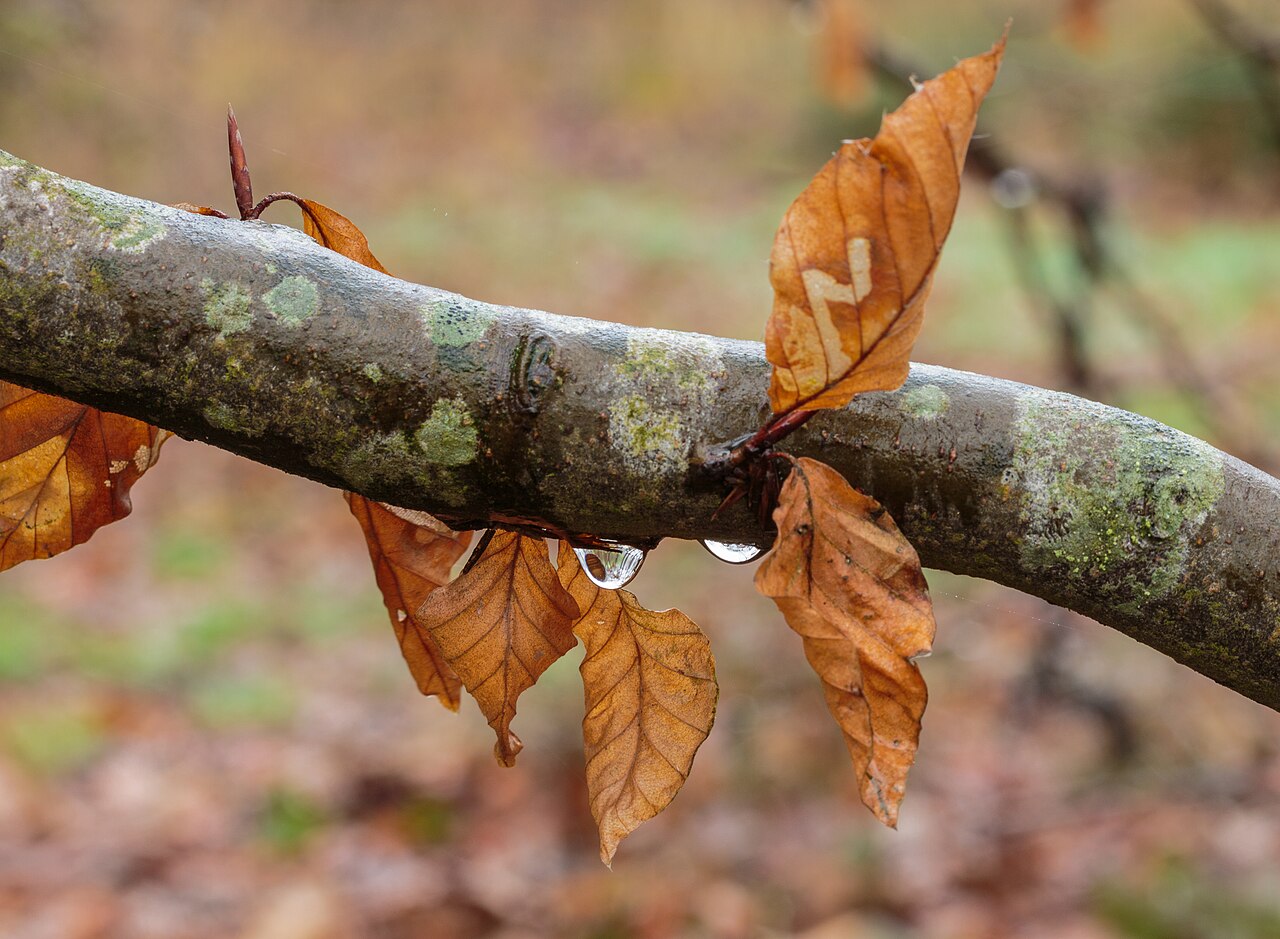
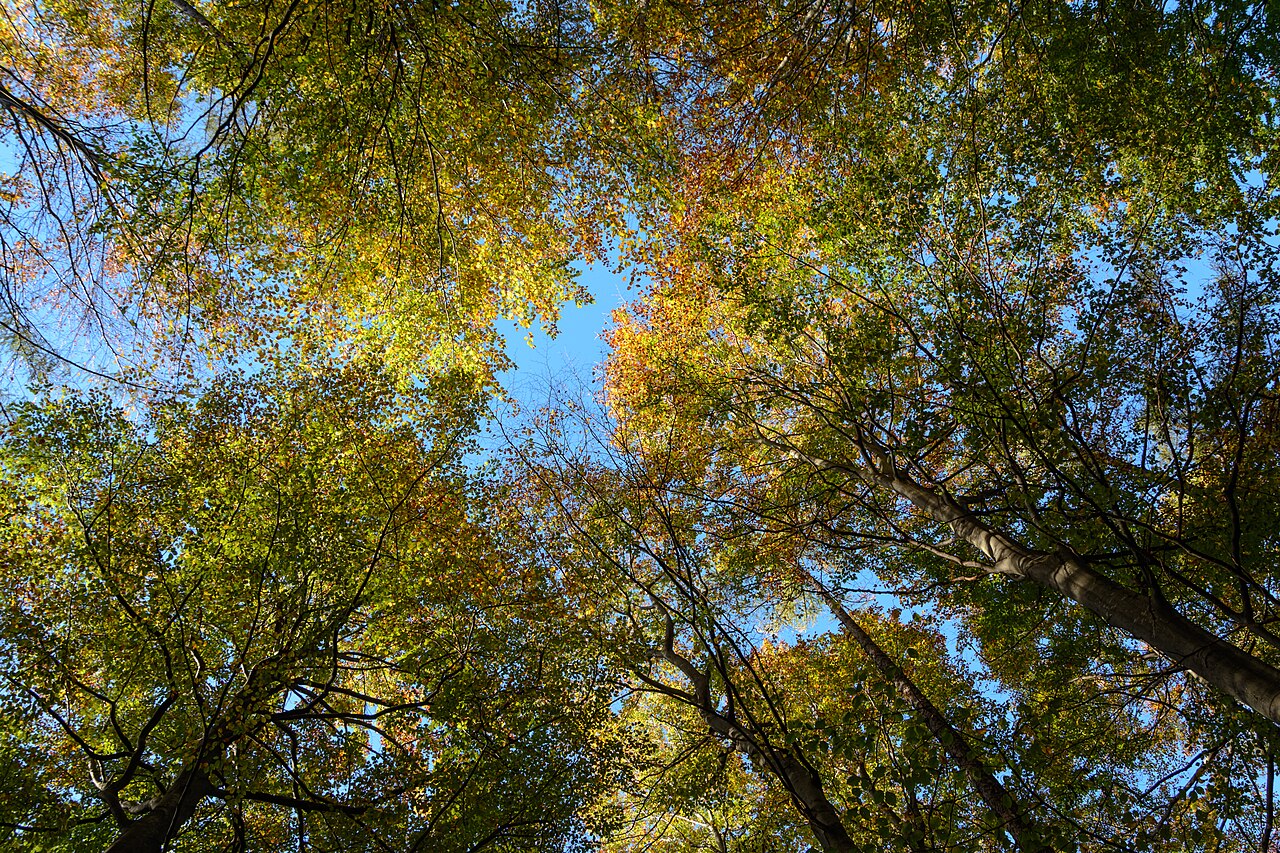
The European beech is a commanding deciduous tree whose smooth, silvery-grey bark and low-spreading branches give it a distinctive silhouette. In its natural forest setting it can tower past 30 metres, pushing branches high along a straight trunk, while in open ground it settles for roughly 20 metres but compensates with a broad, heavy crown and a noticeably stouter bole. Under ideal conditions the species has been recorded reaching 50 metres in height with a trunk diameter of three metres, though 25 to 35 metres is the more common adult range. A decade-old sapling already stands around four metres. Left undisturbed, a beech can live three centuries; a specimen at Valle Cervara surpassed five hundred years, making it the oldest known beech in the northern hemisphere. In managed stands, however, trees are typically felled between eighty and one hundred and twenty years. One of the species' most striking traits is marcescence: rather than shedding its leaves in autumn, the beech often holds them through winter, a habit especially pronounced in young trees and clipped hedges, which keeps beech screens green and dense even in the coldest months.
A Continent-Spanning Range with Debated Edges
The European beech is the dominant hardwood across forests in Austria, Germany, and Switzerland, and its native footprint stretches from the Scandinavian coasts of Sweden, Denmark, and Norway through Poland, Switzerland, and Bulgaria, down through France and southern England, across the mountain ranges of Spain, through Italy, and eastward to northwestern Turkey. In the Balkans it interbreeds with the oriental beech, producing the hybrid Fagus × taurica, while in the Mediterranean and Sicily it is confined to montane woodlands between 600 and 1,800 metres. The species' status in southern England is now questioned: pollen and genetic evidence point to an arrival around 4000 BCE, possibly carried by Stone Age foragers who valued the nuts, making it native in the south but non-native in the north. Norway's beech populations face a similar debate, with molecular data suggesting deliberate Viking-Age introductions from Denmark, though trees in Vestfold and near Bergen now spread naturally and are treated as native. The tree demands a humid, evenly rainy climate and well-drained, calcified or mildly acidic soil, tolerating harsh winter cold yet remaining vulnerable to late spring frosts.
Flowering, Nuts, and the Precision of Spring
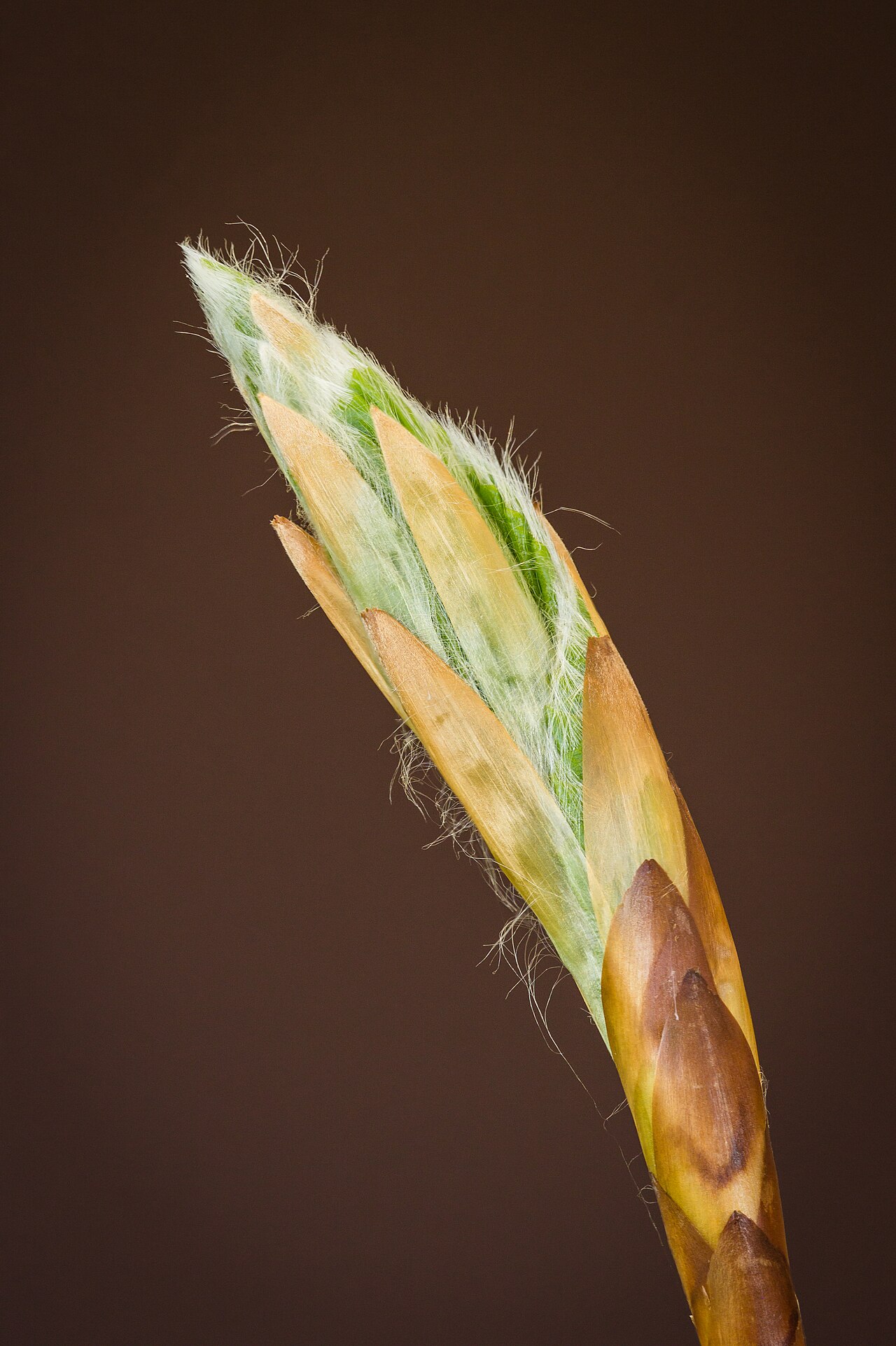
As a monoecious species, the European beech carries both male and female flowers on the same tree. The male blossoms cluster in small catkins, a trait shared across the Fagales order, while the female flowers develop into triangular beechnuts measuring roughly 15 to 20 millimetres in length. Each cupule holds two nuts that ripen in autumn, five to six months after pollination. Seed production is highly variable: a heavy crop typically follows a hot, dry, sunny summer, yet two consecutive bumper years are rare. A young tree may scatter a few seeds around its tenth year, but a truly abundant harvest does not arrive until the tree reaches its thirtieth year of full maturity. Each spring, bud break occurs with striking regularity, generally between mid-April and early May, often within just a few days from one year to the next. This timing is governed by a combination of photoperiod and temperature, and it is most tightly synchronised in the northern part of the range and at elevations around 600 metres rather than at sea level. The slender buds themselves measure 15 to 30 millimetres in length, swelling to 4 or 5 millimetres in thickness where they enclose flower primordia.
From Linnaeus's Desk to the Garden and the Workshop
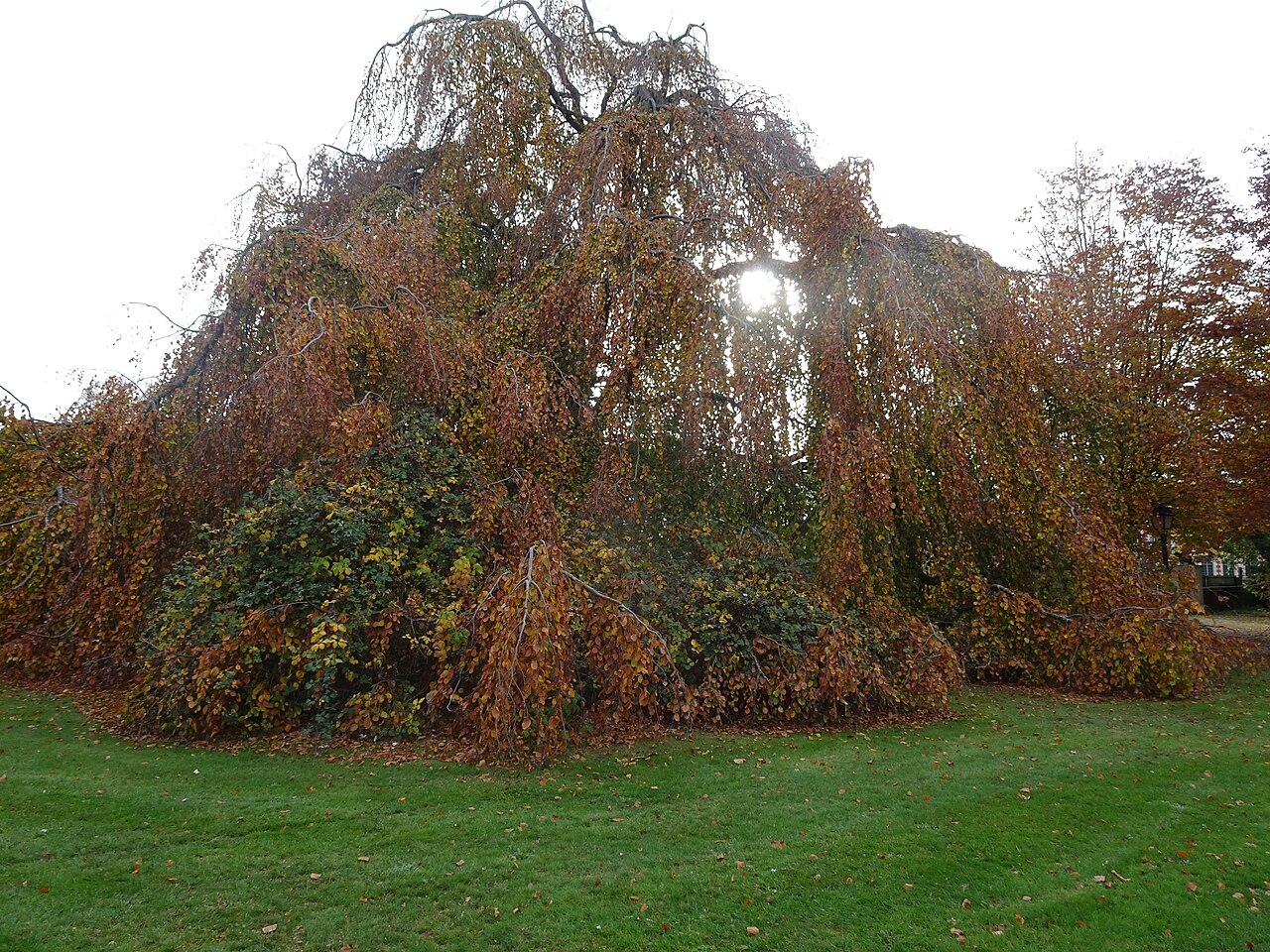
Carl Linnaeus formally described Fagus sylvatica in 1753 within his landmark Species Plantarum, anchoring the species in modern botanical nomenclature. Since then, the beech has travelled far beyond its European homeland, becoming a popular ornamental throughout North America and elsewhere. Breeders have produced numerous cultivars, the most celebrated being the copper beech, Fagus sylvatica purpurea, prized for its deep reddish foliage. The tree's wood has long served the furniture and joinery trades, while its nuts—though mildly toxic owing to tannins and alkaloids—have been eaten by both wildlife and people for millennia. In southern Britain the beech has come to dominate woodland communities, outcompeting oak and elm south of a line running from north Suffolk to Cardigan. The species' deep evolutionary roots are equally remarkable: genetic analyses place the split between the subgenera Engleriana and Fagus in the Early Oligocene, roughly 32 to 33 million years ago, making the beech lineage one of the older branches among extant hardwoods.
Gallery
Frequently Asked Questions
What is Fagus sylvatica?
Fagus sylvatica is the scientific name for the European beech, a tall deciduous tree belonging to the beech family. It is one of the most recognizable broadleaf species across continental Europe.
How long can a Fagus sylvatica live?
A typical European beech reaches around 300 years of age, though some exceptional specimens have been documented well past the 500-year mark.
What is Fagus sylvatica timber used for?
The hardwood from European beech is prized in woodworking, particularly for crafting furniture pieces. Its fine grain and workability make it a go-to choice for joiners and cabinetmakers.
What are the most distinctive visual features of Fagus sylvatica?
The tree is instantly recognizable by its smooth, silvery-grey bark and its broad canopy of large leaves. It also tends to grow with a relatively short trunk and low-branching structure, giving it a distinctive silhouette.
Where does Fagus sylvatica grow naturally, and is it found outside Europe?
This species is native to much of Europe, where it forms extensive woodland stands. It has also been widely planted as an ornamental in North America and elsewhere, with many cultivars such as the copper beech developed for garden use.
More in Trees & Timber 1-19
Spotted an error? Know more?
Reader corrections go straight into our review queue. Suggest an edit · How this site is sourced