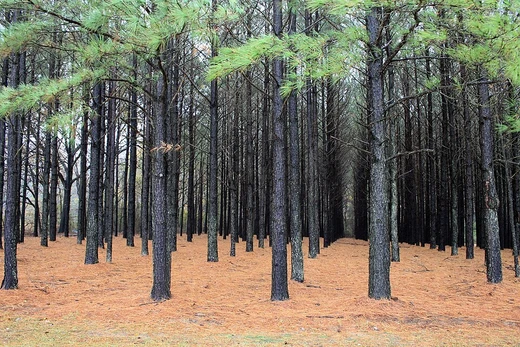
Cupressus
Evergreen conifers with cultural ties to grief and mourning.

W. Bulach · CC BY-SA 4.0
Cupressus, commonly known as cypress, is a genus of evergreen conifers in the family Cupressaceae. Found in warm temperate regions of the Northern Hemisphere, these trees are widely cultivated for ornamental and timber purposes, and have deep cultural associations with mourning and grief.
Quick Facts
- Taxon
- Cupressus
- Type Species
- Cupressus sempervirens
- Type Species Authority
- L.
Facts from the source article.
Lore & Background
The name Cupressus derives from the mythological figure Cyparissus, a young man loved by Apollo who was turned into a tree after accidentally killing a stag. In Hellenic culture, the cypress was considered sacred to the gods and became an emblem of grief, a tradition that continued into Roman times and persists today. The tree's roots grow straight downward with little lateral spread, making it suitable for planting near burials without damaging them.
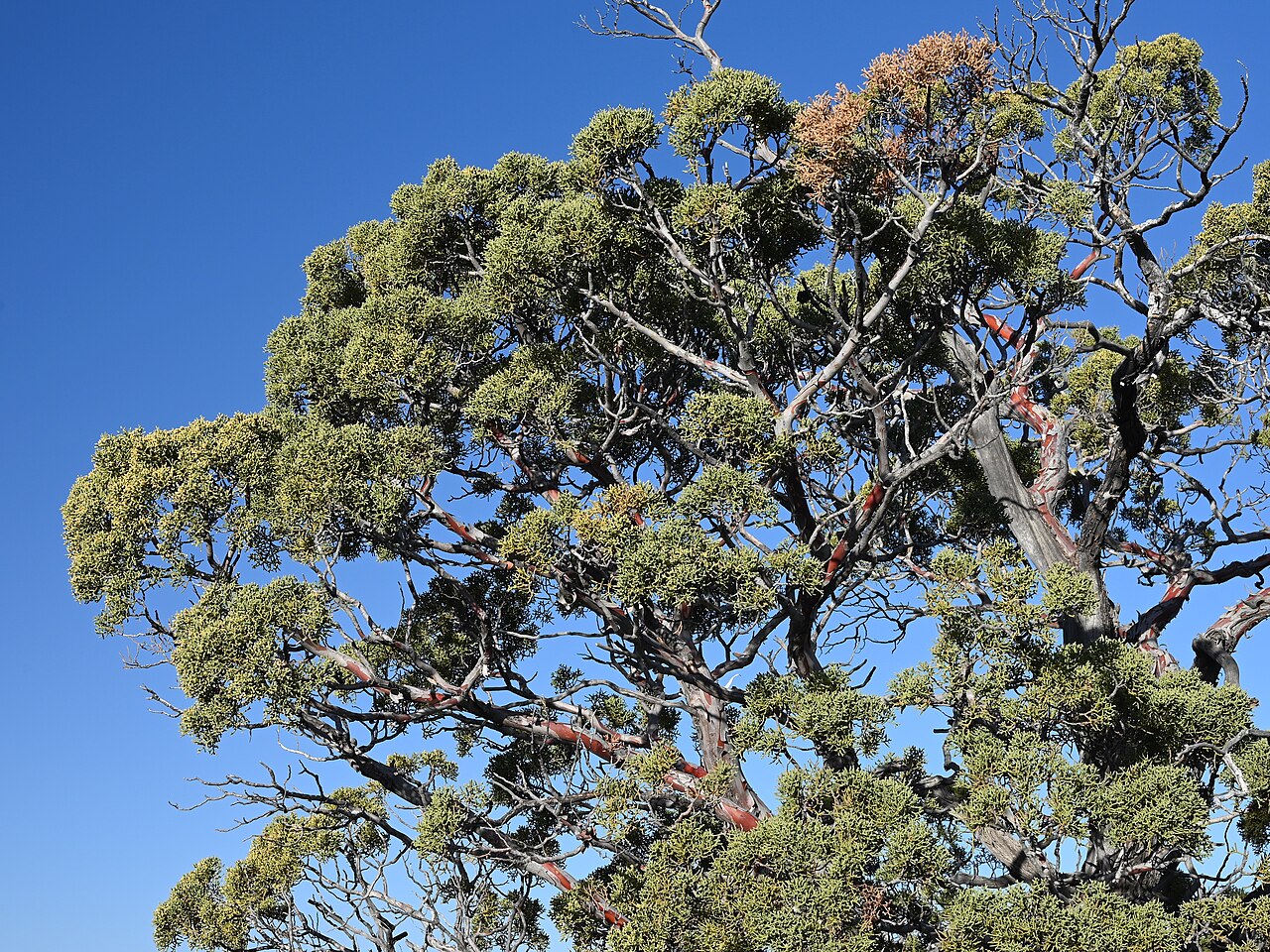
Cypress trees are evergreen, growing 5–40 m tall, with scale-like leaves arranged in opposite pairs. Their cones are globose or ovoid, maturing 18–24 months after pollination. Many species are adapted to forest fires, holding seeds in closed cones until fire kills the parent tree, then releasing seeds onto bare ground. Others open their cones at maturity.
The genus is considered polyphyletic, with Old World species more closely related to Juniperus, while New World species are more closely related to Xanthocyparis. The number of recognized species varies from 16 to 25 or more due to small, isolated populations and taxonomic uncertainty.
Reader's Guide
Cupressus holds significance as both a botanical and cultural subject. Botanically, it is a polyphyletic genus within Cupressoideae, with ongoing taxonomic debate about the separation of New World species into Hesperocyparis and Callitropsis. The genus includes the second-tallest tree species on Earth, Cupressus austrotibetica, reaching 102 m. Many species are fire-adapted, relying on serotiny for regeneration.
Culturally, the cypress has been a symbol of mourning since ancient Greece and Rome, a role reinforced by its practical suitability for cemeteries. The hybrid Leyland cypress, derived from Cupressus macrocarpa, is widely used in gardens. All Cupressus species are extremely allergenic, with an OPALS rating of 10, releasing pollen for about seven months annually in warm climates. The genus's fragmented distribution and taxonomic complexity continue to challenge botanists, making it a subject of ongoing research.
Did You Know?
- The name Cupressus comes from Cyparissus, a mythological youth turned into a tree after killing a stag.
- Many cypress species hold seeds in closed cones for years, releasing them only after a fire kills the parent tree.
- OPALS allergy ratings for Cupressus species vary; not all are rated at the highest level.
Taxonomic Uncertainty and the Old World–New World Divide
The classification of Cupressus has long been a source of taxonomic friction. The genus is recognised as a polyphyletic assemblage of evergreen conifers placed within the subfamily Cupressoideae, yet the exact boundaries of what belongs inside it remain contested. Depending on which authority a botanist follows, the number of accepted species swings dramatically from as few as sixteen to twenty-five or more. This instability stems largely from the fact that most populations are small and geographically isolated, making it genuinely difficult to decide whether a given group warrants full species rank, subspecific status, or merely varietal recognition. A 2021 molecular phylogenetic study sharpened the picture considerably: it positioned Cupressus as the sister genus to Juniperus, while the western North American members—now housed in the separate genera Hesperocyparis and Callitropsis—emerged as more closely allied to Xanthocyparis. The Old World cypresses, typified by C. sempervirens, tend to bear cones with eight to fourteen ridged scales, whereas their New World counterparts typically produce cones with only four to eight scales, each tipped by a prominent narrow spike. One notable exception is the Vietnamese golden cypress, which genetically aligns more closely with the New World group than with its Old World relatives.
Architecture, Longevity, and the Fire Strategy
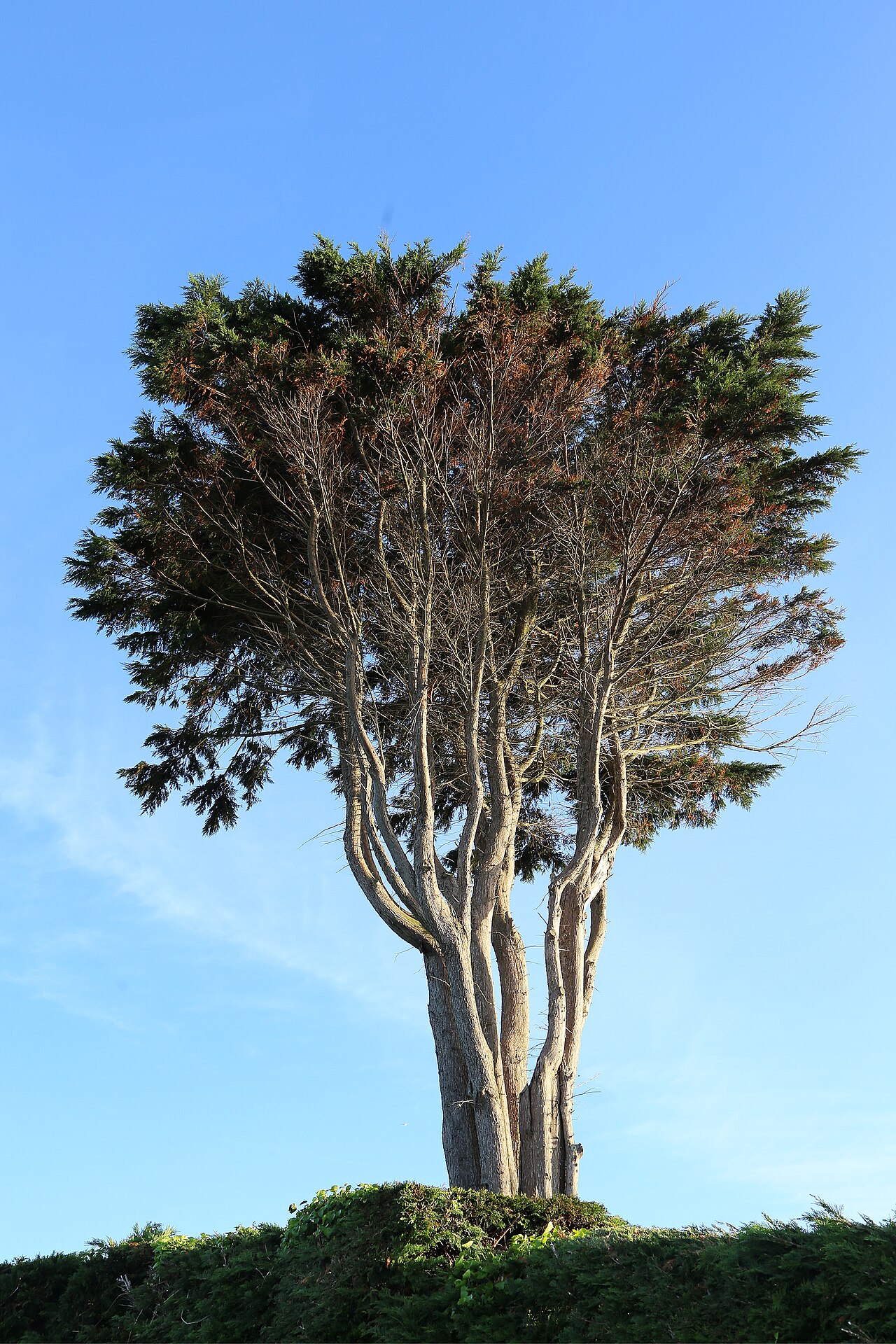
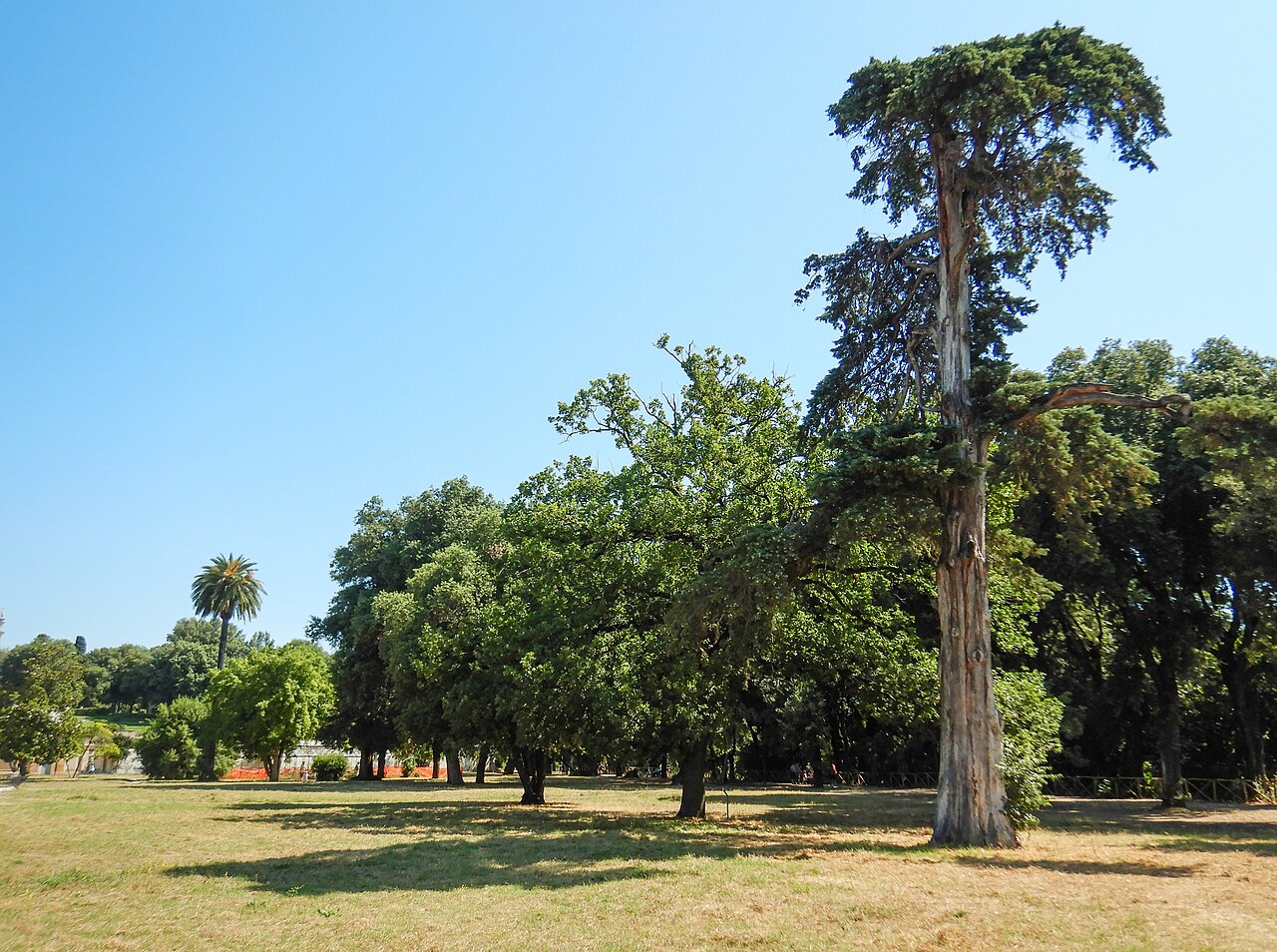
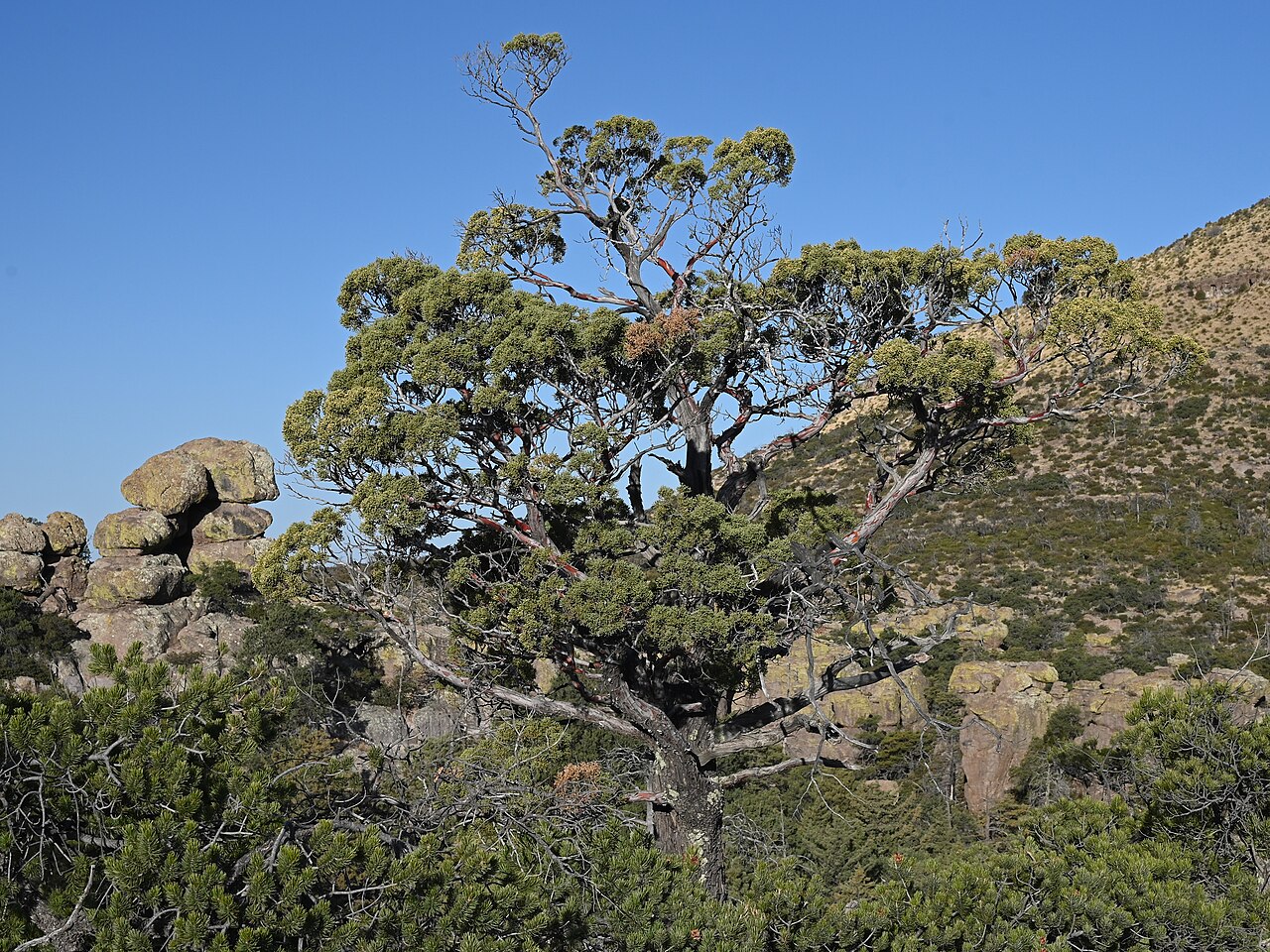
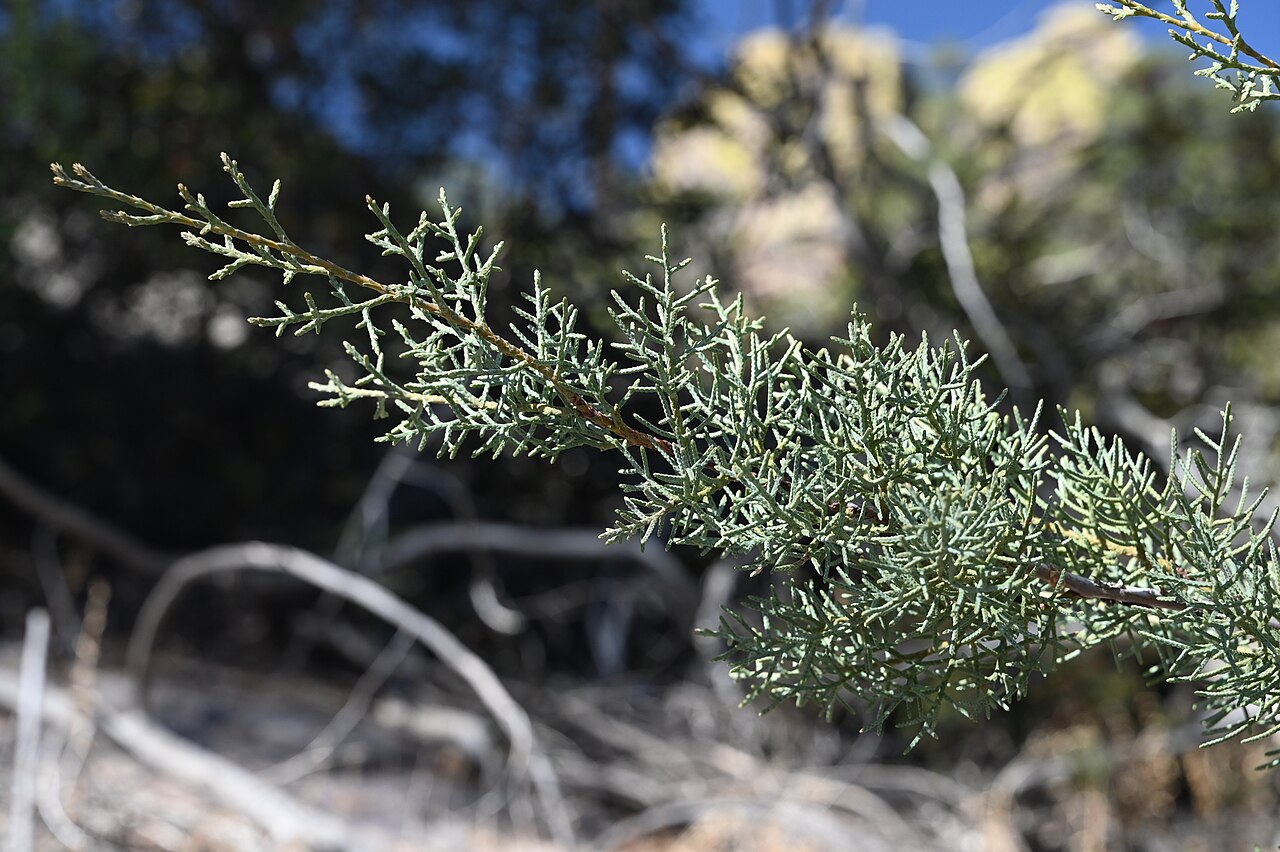
Cupressus trees and large shrubs typically range from five to forty metres in height, though the remarkable C. austrotibetica has been recorded at an extraordinary one hundred and two metres, making it the second-tallest tree species on Earth behind only the coast redwood. Their foliage consists of tiny scale-like leaves, two to six millimetres long, arranged in opposite decussate pairs and remaining on the branch for three to five years; on juvenile plants under two years of age, the leaves are instead needle-like, measuring five to fifteen millimetres. The reproductive structures are equally distinctive: globose or ovoid cones eight to forty millimetres long, bearing four to fourteen scales in decussate pairs, which require eighteen to twenty-four months from pollination to reach full maturity. The seeds are small, four to seven millimetres, each flanked by two narrow wings. Several species employ a remarkable fire-adaptation strategy, retaining their seeds inside tightly closed cones for many years. When a forest fire kills the parent tree, the heat triggers cone opening, showering seeds onto the bare, sunlit ground where they can germinate and colonise the newly cleared habitat. Other species take a simpler route, opening their cones at maturity to release seeds.
Myth, Mourning, and the Roots of Grief
The very name Cupressus carries a story of loss. In Greek mythology, Cyparissus was a young man beloved by Apollo, deeply attached to a deer companion. During a hunting excursion, he accidentally killed the animal, and the grief that followed was so overwhelming that Apollo, to ease his suffering, transformed the boy into a tree. The name passed through Greek κυπάρισσος into Latin cyparissus, then Old French cipres, and finally into the English common name. In Hellenic culture the cypress was regarded as sacred to the gods, and its association with mourning persisted through Roman times into the modern era. The tree became a lasting emblem of grief, planted at graves and in cemeteries across the Mediterranean world. There is also a practical dimension to this funerary tradition: cypress roots grow straight down into the ground and expand only slightly laterally, meaning they do not damage the burials beneath them. This combination of mythological resonance, cultural symbolism, and horticultural suitability made the cypress an almost inevitable choice for memorial planting, a role it continues to fulfil in parks, temples in Asia, and cemeteries to this day.
Gardens, Timber, and the Allergy Burden
Beyond their mythological and funerary roles, cypresses have become deeply embedded in the built landscape of the world. In parks and gardens worldwide, they are prized as decorative trees, and in Asia they are commonly planted around temples. Extensive cultivation has produced such a wide variety of forms, sizes, and colours that in some regions the native distribution is nearly impossible to distinguish from planted populations. A few species are also valued for their timber, which can be exceptionally durable. The fast-growing Leyland cypress, much used in gardens, is a hybrid that draws one parent from this genus—Cupressus macrocarpa, the Monterey cypress—while the other parent, now classified as Callitropsis nootkatensis, has historically been placed in several different genera. Yet the genus carries a significant cost for human health. Every species in Cupressus, including those now reclassified into Callitropsis, is rated as extremely allergenic, receiving the maximum OPALS allergy scale score of ten. In warm Mediterranean climates, these trees release large quantities of pollen for approximately seven months each year, making them a persistent source of seasonal allergic reactions.
Gallery
Frequently Asked Questions
Who is Cupressus?
Cupressus is a genus of evergreen coniferous trees belonging to the Cupressaceae family, native to warm temperate zones across the Northern Hemisphere. Fans often refer to the group simply as 'cypress,' though the name technically covers several distinct species and cultivars.
What role does Cupressus play in the 'canon'?
In the real-world setting, cypress trees serve dual purposes: they are widely planted as ornamental specimens in gardens and landscapes, and they are harvested for their workable timber. Their evergreen habit makes them a staple of arid and Mediterranean-style planting schemes.
How tall can Cupressus get?
Most cypress species fall in the 5-to-40-metre range, though a few exceptional specimens have been recorded reaching roughly 80 metres under optimal conditions. This makes the genus span everything from small garden shrubs to towering forest giants.
Why is Cupressus culturally significant?
Across Mediterranean, East Asian, and other traditions, cypress has long been linked to mourning, grief, and funerary rites, often planted in cemeteries or near temples of remembrance. This deep symbolic association with loss is arguably the tree's most enduring 'story arc' in human culture.
Is Cupressus safe to be around (allergen-wise)?
Allergenicity is not uniform: OPALS pollen ratings differ noticeably from one species or cultivar to another, and some cypress varieties are considered highly allergenic. Gardeners and allergy sufferers are generally advised to check the specific cultivar before planting one near a residence.
More in Trees & Timber 1-19
Spotted an error? Know more?
Reader corrections go straight into our review queue. Suggest an edit · How this site is sourced