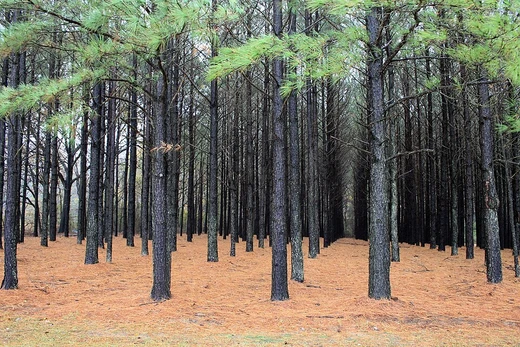
Fagus grandifolia
A shade-tolerant climax tree of eastern North American forests.

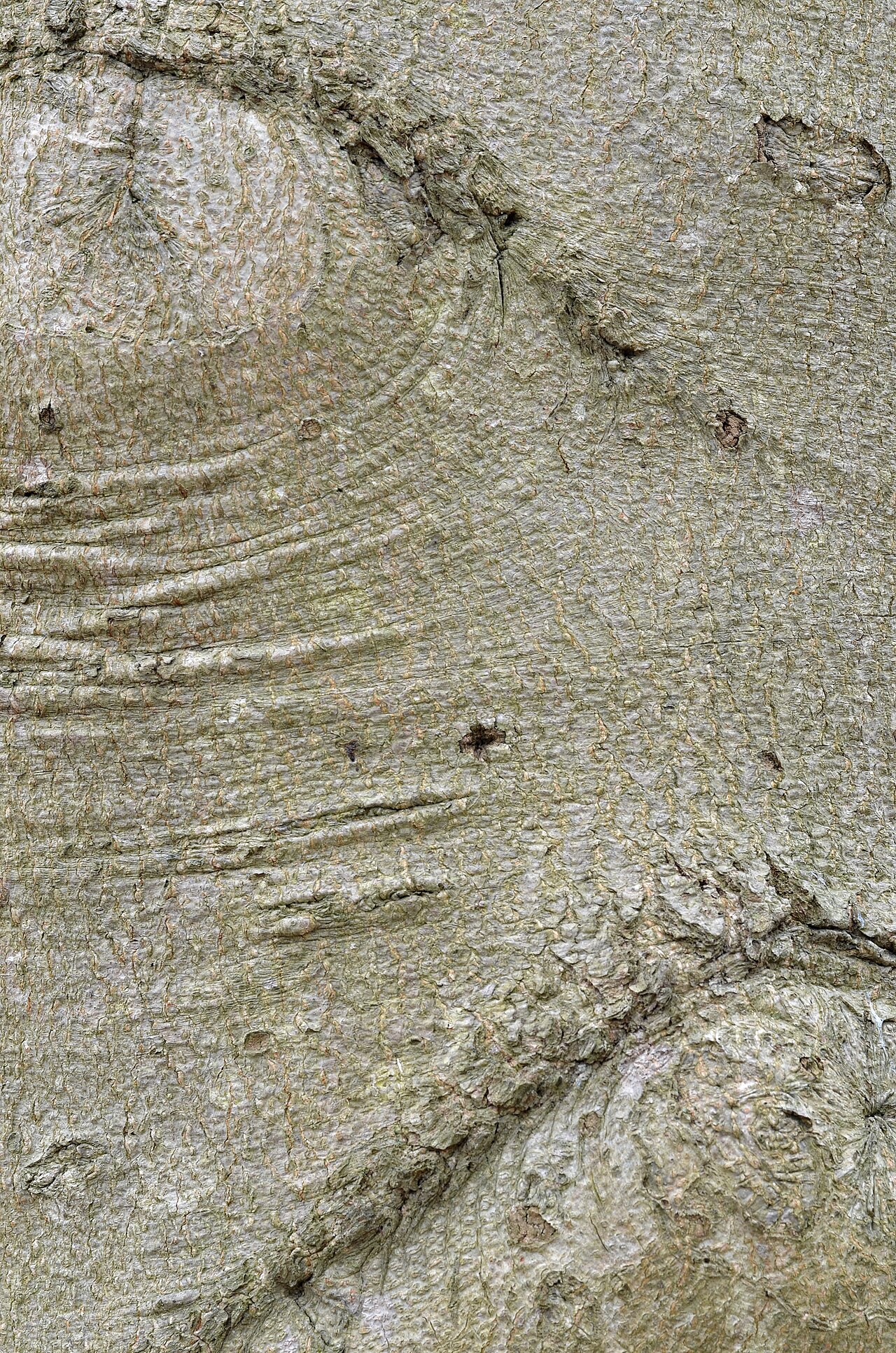
Photo by and (c)2016 Derek Ramsey ( Ram-Man ) · CC BY-SA 4.0
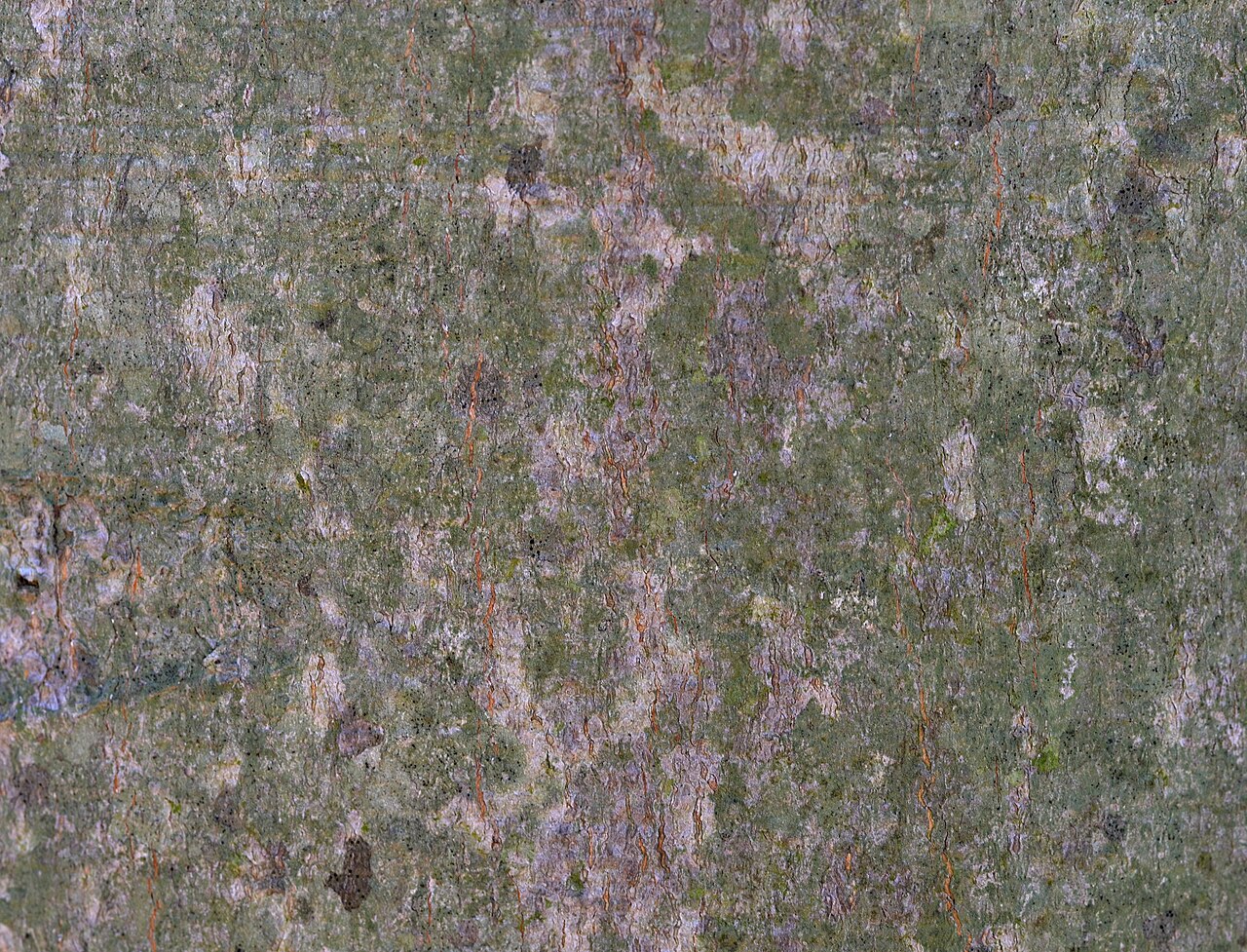
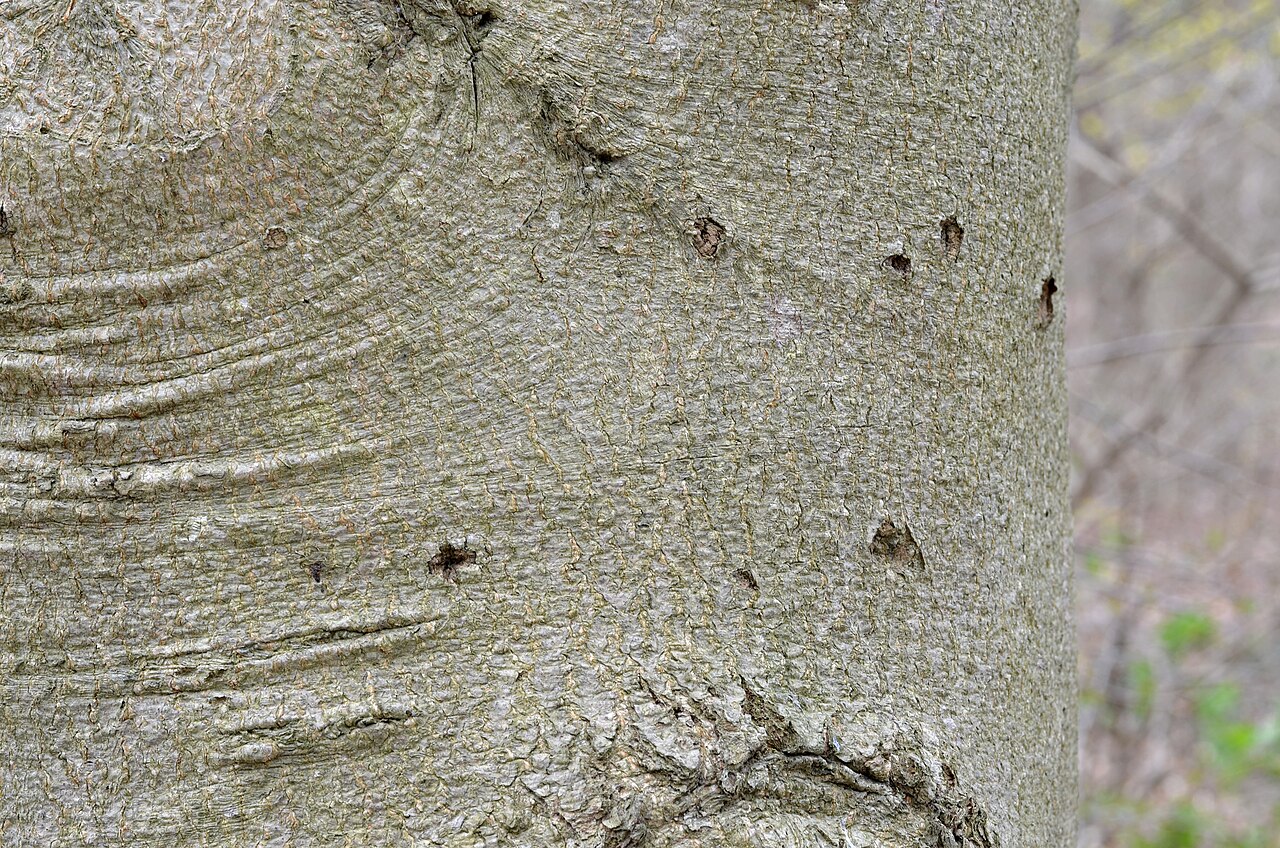
Fagus grandifolia, commonly known as the American beech or North American beech, is a species of deciduous tree native to eastern North America. It is one of two beech species native to the continent, the other occurring in Mexico. The tree is notable for its smooth, silver-gray bark, distinctive long slender winter buds, and its role as a shade-tolerant climax species in forests.
Quick Facts
- Genus
- Fagus
- Species
- grandifolia
Facts from the source article.
Lore & Background
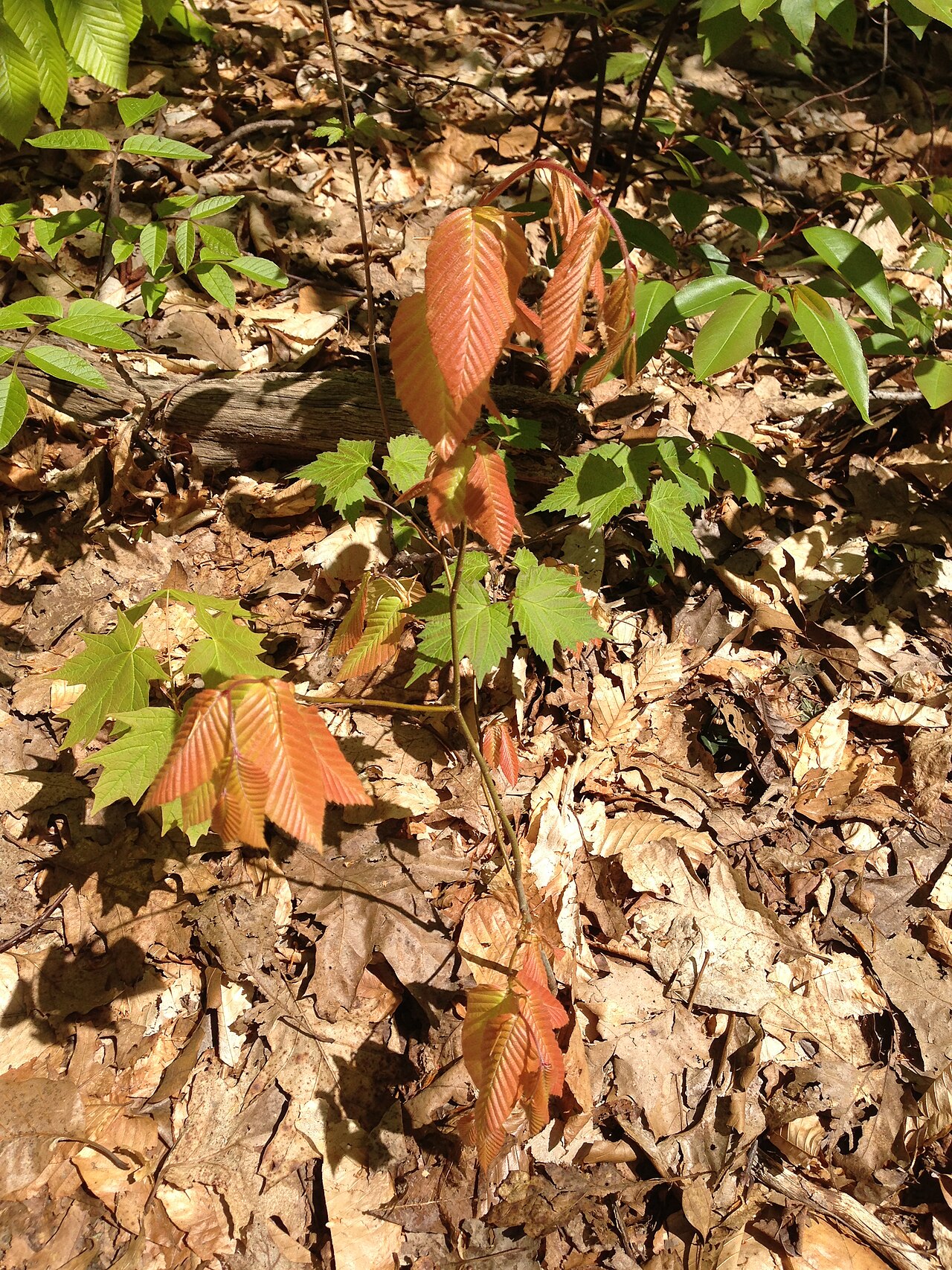
Fagus grandifolia is a large deciduous tree with smooth, silver-gray bark and distinctive winter twigs that are long and slender, with two rows of overlapping scales on the buds. The buds are thin and long, resembling cigars, making the tree easy to identify. Its leaves are dark green above and yellow below, simple and sparsely toothed, measuring 6–12 centimeters long. The tree is monoecious, with both male and female flowers on the same individual. The fruit is a small, sharply angled nut borne in pairs inside a soft-spined, four-lobed husk. Reproduction occurs both through seed dispersal and through root sprouts that grow into new trees.
The American beech is believed to have spanned the width of North America to the Pacific coast before the last ice age, but is now limited to the eastern part of the continent. It is a shade-tolerant species commonly found in forests in the final stage of succession, often associated with sugar maple, yellow birch, and eastern hemlock. The tree favors moist, well-drained slopes and rich bottomlands, and has a dense, shallow root system. It is intolerant of urban pollution, salt, and soil compaction.
The nuts of the American beech are eaten by a wide variety of animals, including birds, raccoons, foxes, deer, squirrels, black bears, and porcupines. The leaves and inner bark can also be prepared as food. The tree is susceptible to several diseases and pests, including beech bark disease, beech leaf disease caused by a nematode, and the beech leaf-miner weevil. Beech blight aphids colonize branches but cause no serious harm to healthy trees.
Reader's Guide
Fagus grandifolia holds ecological and historical significance in eastern North America. As a climax species, it defines the final stage of forest succession, often forming beech–maple communities with sugar maple. Its nuts provide a critical food source for numerous wildlife species, including the now-extinct passenger pigeon, whose decline has been linked to the clearing of beech and oak forests. The tree's wood, though hard and difficult to split, is valued for bentwood furniture and firewood. Its smooth bark has long attracted carvings, such as the historic 'D. Boone kill a Bar 1803' inscription on a beech in Kentucky. Despite its importance, the American beech faces threats from introduced pests and diseases, including beech bark disease and beech leaf disease. Its slow growth and specific moisture requirements limit its use in urban settings, where the European beech is more commonly planted. The tree's legacy is preserved in place names and cultural references, such as in John Steinbeck's novel East of Eden.
Did You Know?
- The American beech is one of only two beech species native to North America, the other occurring in Mexico.
- Beech nuts were a primary food of the now-extinct passenger pigeon; clearing of beech forests may have contributed to the bird's extinction.
- The oldest documented American beech tree is 246 years old.
- The tree's smooth bark has been used for carvings, including a historic inscription reading 'D. Boone kill a Bar 1803' on a beech in Kentucky.
Form, Structure, and the Puzzle of Marcescence
The European beech is a commanding presence in European woodlands, capable of stretching to fifty meters in height with a trunk as wide as three meters, though most mature specimens settle between twenty-five and thirty-five meters. A decade-old young tree already stands roughly four meters tall, and under undisturbed conditions the species can live three centuries or more—one individual at Valle Cervara has been estimated at over five hundred years, making it the oldest known beech in the northern hemisphere. Its silhouette shifts dramatically with context: in dense forest the crown sits high on a straight bole, while in open ground the tree grows shorter but far broader, developing a massive spreading canopy and a notably stouter trunk. The leaves are simple, alternate, and measure five to ten centimeters in length, each bearing six or seven parallel veins. Perhaps the most striking seasonal trait is marcescence: rather than shedding its foliage in autumn, the beech often holds on to its dead leaves well into spring. This is especially pronounced in young trees and in clipped hedges, which is why beech hedgerows serve as effective winter screens, and it also persists on the lower branches of fully mature specimens.
Range, Habitat, and the Question of Native Status
The European beech is the most abundant hardwood in the forests of Austria, Germany, and Switzerland, and its native range sweeps from Scandinavia through central Europe to the mountain forests of Spain, Italy, and the Balkans. In the Mediterranean south and on Sicily it is confined to elevations between six hundred and eighteen hundred meters. The species tolerates a wide variety of soils but demands a humid atmosphere with well-distributed rainfall and well-drained ground, preferring moderately fertile, calcified or lightly acidic sites, often on hillsides rather than in clay-heavy basins. It withstands severe winter cold yet is vulnerable to late spring frosts. The question of where the beech is truly native has generated ongoing debate. In southern England it is classified as native, yet pollen and genetic evidence suggest it may not have arrived until roughly four thousand BCE, possibly carried by Stone Age peoples who valued its nuts. In northern England it is treated as non-native and sometimes removed from managed woods. Norway's beech populations are similarly contested: molecular analyses point to deliberate Viking-Age introductions from Denmark, though trees in Vestfold and near Bergen now spread naturally and are regarded as native.
Reproduction, Seed Set, and the Precision of Spring
The beech is monoecious, carrying both male and female flowers on the same tree. The male blossoms are borne in small catkins, a feature characteristic of the broader Fagales order, while the female flowers develop into the familiar beechnuts—small, triangular seeds fifteen to twenty millimeters long, two of them nestled in each cupule. These nuts ripen in autumn, five to six months after pollination, and heavy crops tend to follow a hot, dry, sunny summer, though the tree rarely produces a bumper yield two consecutive years. A young tree may scatter a few seeds around its tenth year, but a truly substantial crop does not appear until the tree reaches at least thirty years of age. The timing of spring bud break is remarkably consistent, falling between mid-April and early May with a precision of only a few days. This synchronization is driven by a combination of increasing day length and rising temperature, and it is even tighter in the northern part of the range and at higher elevations around six hundred meters than at sea level or in the south.
Cultivation, Uses, and a Long Human Partnership
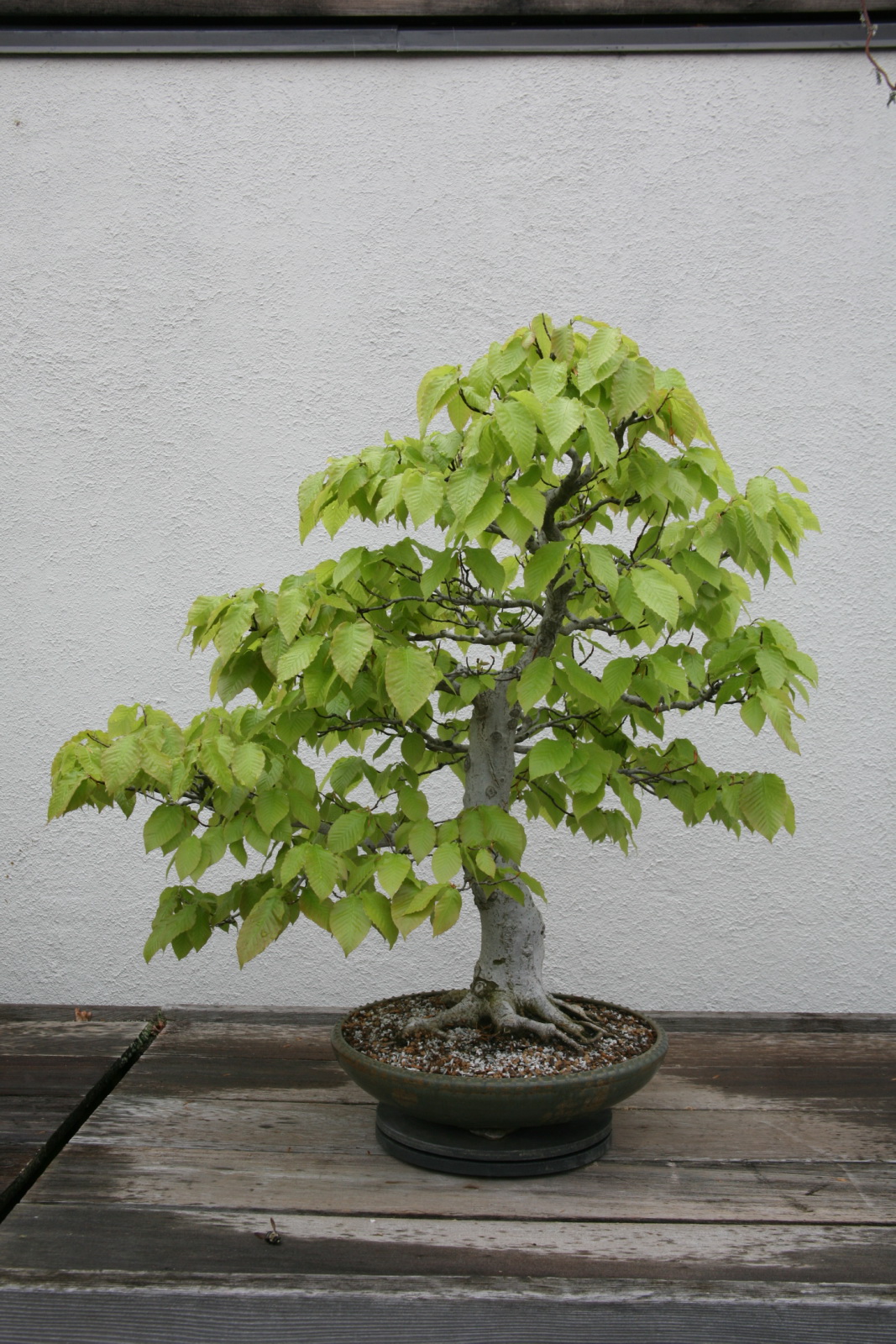
First formally described by Carl Linnaeus in his 1753 Species Plantarum, the European beech has long been valued by people for a range of practical and aesthetic purposes. Its smooth, silvery-grey bark and elegant form make it a popular ornamental, and it has been planted well beyond its native range, including across North America. Breeders have developed numerous cultivars, the most celebrated being the copper beech, Fagus sylvatica purpurea, prized for its deep reddish-purple foliage. In forestry, cultivated stands are typically harvested at eighty to one hundred and twenty years, and the resulting timber is sought after for furniture and other woodworking. The beechnuts, though mildly toxic owing to their tannin and alkaloid content, have long been eaten by both wildlife and people, and this edible quality may have motivated the very first human introductions of the species into new territories. Phylogenetically, the beech lineage is ancient: the two extant subgenera, Engleriana and Fagus, split from one another in the Early Oligocene, roughly thirty-two to thirty-three million years ago, underscoring how deeply rooted this tree is in the evolutionary history of European forests.
Gallery
Frequently Asked Questions
What is Fagus grandifolia?
Fagus grandifolia is the American beech, a large deciduous tree that grows up to about 35 meters tall and is one of only two beech species native to North America. It is the dominant beech of the eastern continent, while the other occurs in Mexico.
How can you identify a Fagus grandifolia in the field?
Look for its remarkably smooth, silver-gray bark and its long, slender winter buds, which set it apart from most other eastern hardwoods. In summer, its leaves measure roughly 6 to 12 cm in length with a distinctive parallel-veined pattern.
What is Fagus grandifolia's timber like?
The wood has a moderate density of about 43 pounds per cubic foot (0.69 g/cm³), placing it in the mid-weight range among common hardwoods. It is a workable, fine-grained timber traditionally valued for furniture, cabinetry, and turned objects.
Where does Fagus grandifolia naturally grow?
Its native range spans eastern North America, stretching from Nova Scotia in the north down to Florida and westward to Wisconsin and Texas. It thrives as a shade-tolerant climax species, meaning it can regenerate and dominate under a closed forest canopy.
What is the conservation status of Fagus grandifolia, and how long can it live?
The species is not currently listed as threatened, and the oldest documented individual on record is 246 years old. As a long-lived canopy tree, it plays a stabilizing role in mature eastern forests and supports a wide community of wildlife.
More in Trees & Timber 1-19
Spotted an error? Know more?
Reader corrections go straight into our review queue. Suggest an edit · How this site is sourced