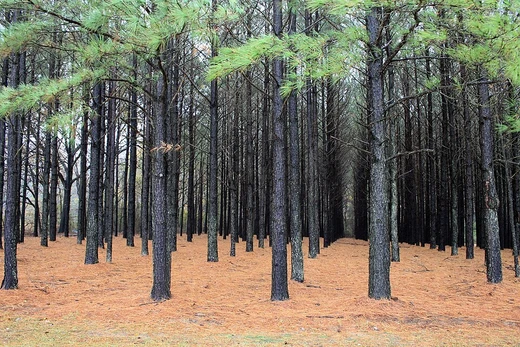
Cupressaceae
The cypress family: home to the largest, tallest, and longest-lived trees on Earth.

Spoingus101 · CC0
Cupressaceae, the cypress family, is a family of conifers. The family includes 27–30 genera (17 monotypic), which include the junipers and redwoods, with about 130–140 species in total. They are monoecious, subdioecious or (rarely) dioecious trees and shrubs up to 116 m tall. The bark of mature trees is commonly orange- to red-brown and of stringy texture, often flaking or peeling in vertical strips, but smooth, scaly or hard and square-cracked in some species. The family reached its peak of diversity during the Mesozoic era.
Quick Facts
- Taxon
- Cupressaceae
Facts from the source article.
Lore & Background
Cupressaceae is a widely distributed conifer family, with a near-global range in all continents except for Antarctica, stretching from 70°N in arctic Norway (Juniperus communis) to 55°S in southernmost Chile (Pilgerodendron uviferum), further south than any other conifer species. Juniperus indica reaches 4930 m altitude in Tibet. Most habitats on land are occupied, with the exceptions of polar tundra and tropical lowland rainforest (though several species are important components of temperate rainforests and tropical highland cloud forests); they are also rare in deserts, with only a few species able to tolerate severe drought, notably Cupressus dupreziana in the central Sahara. Despite the wide overall distribution, many genera and species show very restricted relictual distributions, and many are endangered species. The world's largest (Sequoiadendron giganteum) and current tallest (Sequoia sempervirens) trees belong to the Cupressaceae, as do six of the ten longest-lived tree species.
Reader's Guide
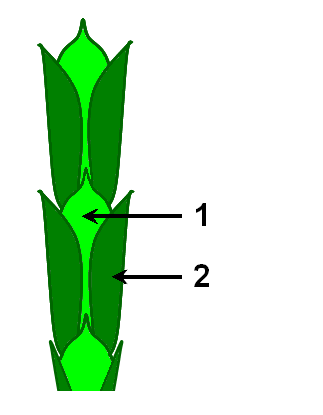
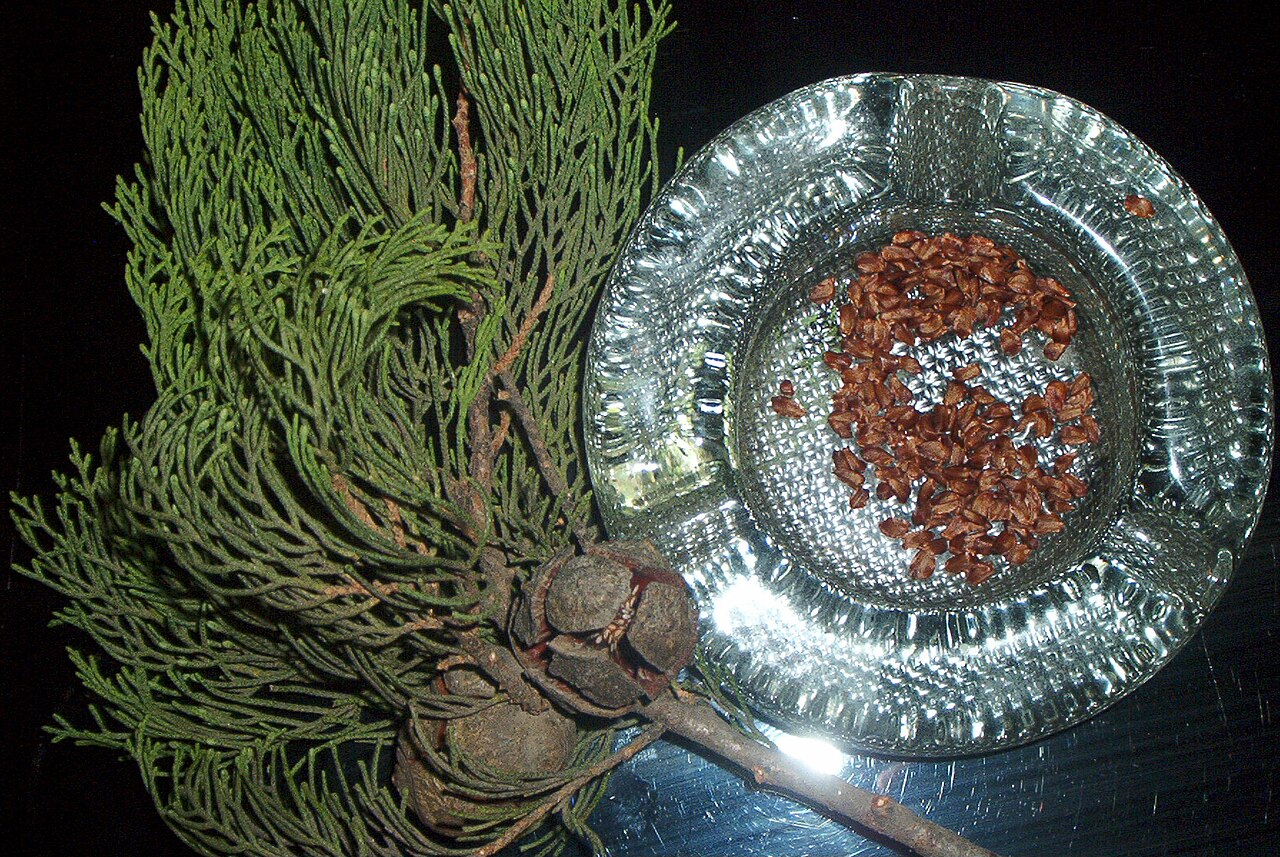
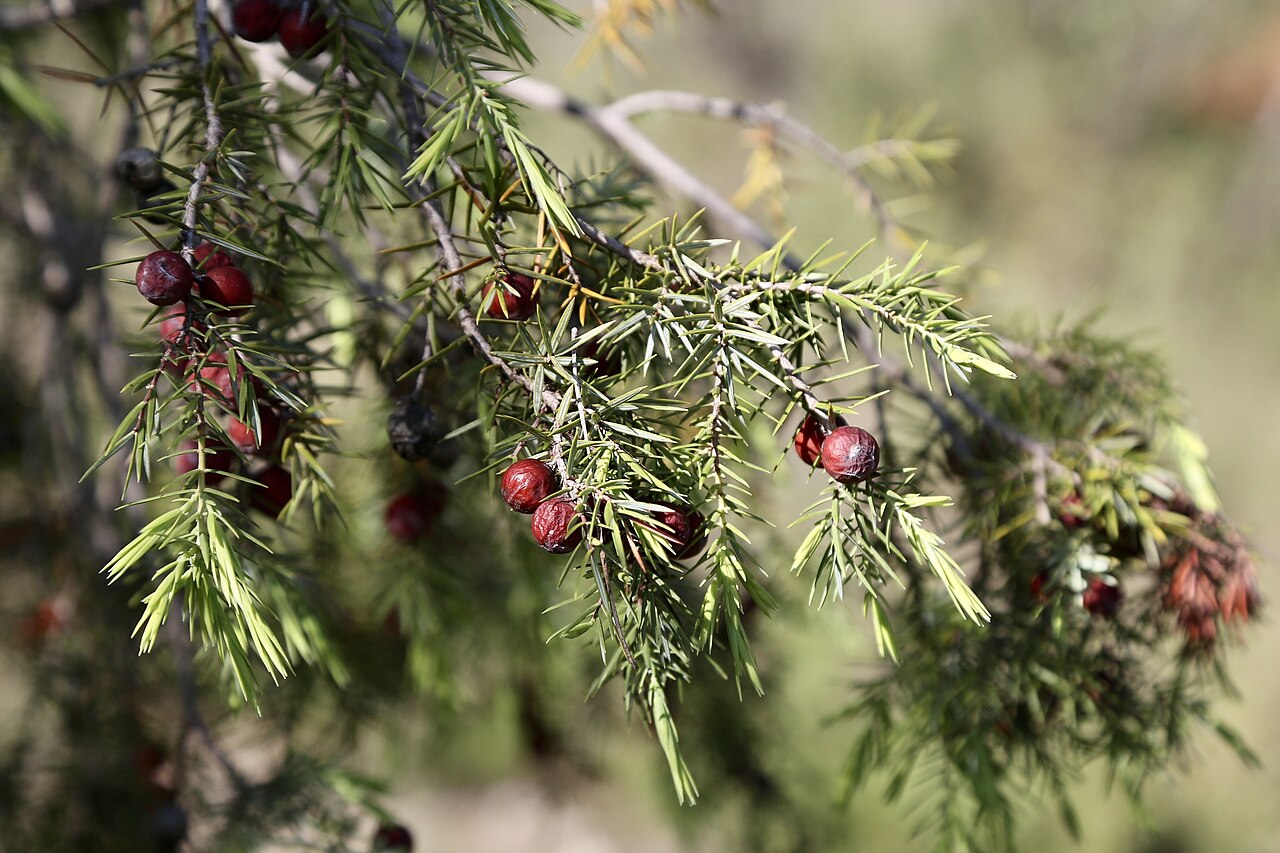
The leaves are arranged either spirally, in decussate pairs (opposite pairs, each pair at 90° to the previous pair) or in decussate whorls of three or four, depending on the genus. On young plants, the leaves are needle-like, becoming small and scale-like on mature plants of many genera; some genera and species retain needle-like leaves throughout their lives. Old leaves are mostly not shed individually, but in small sprays of foliage (cladoptosis); exceptions are leaves on the shoots that develop into branches. These leaves eventually fall off individually when the bark starts to flake. Most are evergreen with the leaves persisting 2–10 years, but three genera (Glyptostrobus, Metasequoia and Taxodium) are deciduous or include deciduous species. The seed cones are either woody, leathery, or (in Juniperus) berry-like and fleshy, with one to several ovules per scale. The bract scale and ovuliferous scale are fused together except at the apex, where the bract scale is often visible as a short spine (often called an umbo) on the ovuliferous scale. As with the foliage, the cone scales are arranged spirally, decussate (opposite) or whorled, depending on the genus. The seeds are mostly small and somewhat flattened, with two narrow wings, one down each side of the seed; rarely (e.g. Actinostrobus) triangular in section with three wings; in some genera (e.g. Glyptostrobus and Libocedrus), one of the wings is significantly larger than the other, and in some others (e.g. Juniperus, Microbiota, Platycladus, and Taxodium) the seed is larger and wingless. The seedlings usually have two cotyledons, but in some species up to six. The pollen cones are more uniform in structure across the family, 1–20 mm long, with the scales again arranged spirally, decussate (opposite) or whorled, depending on the genus; they may be borne singly at the apex of a shoot (most genera), in the leaf axils (Cryptomeria), in dense clusters (Cunninghamia and Juniperus drupacea), or on discrete long pendulous panicle-like shoots (Metasequoia and Taxodium).
Did You Know?
- The family includes the world's largest tree (Sequoiadendron giganteum) and the current tallest tree (Sequoia sempervirens).
- Cupressaceae is the only conifer family found in all continents except Antarctica.
- Three genera (Glyptostrobus, Metasequoia, Taxodium) are deciduous or include deciduous species.
Architecture of Form: From Bark to Seed
Cupressaceae encompasses roughly 27 to 30 genera and about 130 to 140 species of conifers, spanning from low shrubs to trees reaching 116 metres. Reproductive strategy varies within the family: most species carry both male and female structures on a single plant, some separate them across different parts of the same individual, and a few allocate each sex to entirely different plants. Mature bark typically displays an orange to red-brown colour with a stringy texture that peels away in long vertical strips, though certain species develop smooth, scaly, or hard square-cracked surfaces instead. Foliage arrangement differs by genus, appearing in spiral patterns, in opposite pairs set at right angles to the preceding pair, or in whorls of three or four. Young growth often bears needle-like leaves that transition to small scale-like structures with age, although a few lineages retain their needles throughout life. Most members are evergreen, with leaves persisting two to ten years before being shed collectively in small sprays rather than one at a time. Seed cones range from woody and leathery to the fleshy, berry-like forms characteristic of junipers, while seeds are generally small and flattened with two narrow wings, though some genera produce larger wingless seeds or three-winged triangular shapes.
A Near-Global Conqueror of Terrestrial Habitats
Cupressaceae occupies a near-global range across every continent except Antarctica, stretching from 70°N in arctic Norway, where Juniperus communis persists, all the way down to 55°S in southernmost Chile, where Pilgerodendron uviferum grows further south than any other conifer species on Earth. At altitude, Juniperus indica climbs to 4,930 metres on the Tibetan plateau. The family fills most terrestrial habitats, with the notable exceptions of polar tundra and tropical lowland rainforest, though several species serve as key structural components of temperate rainforests and tropical highland cloud forests. Deserts remain largely inhospitable, with only a handful of drought-tolerant species such as Cupressus dupreziana surviving in the central Sahara. Despite this broad overall distribution, many individual genera and species occupy very restricted relictual ranges, and a significant number are classified as endangered. This contrast between family-wide geographic breadth and species-level narrowness makes Cupressaceae a compelling case study in biogeographic vulnerability.
Deep Roots: Evolutionary History and Taxonomic Revision
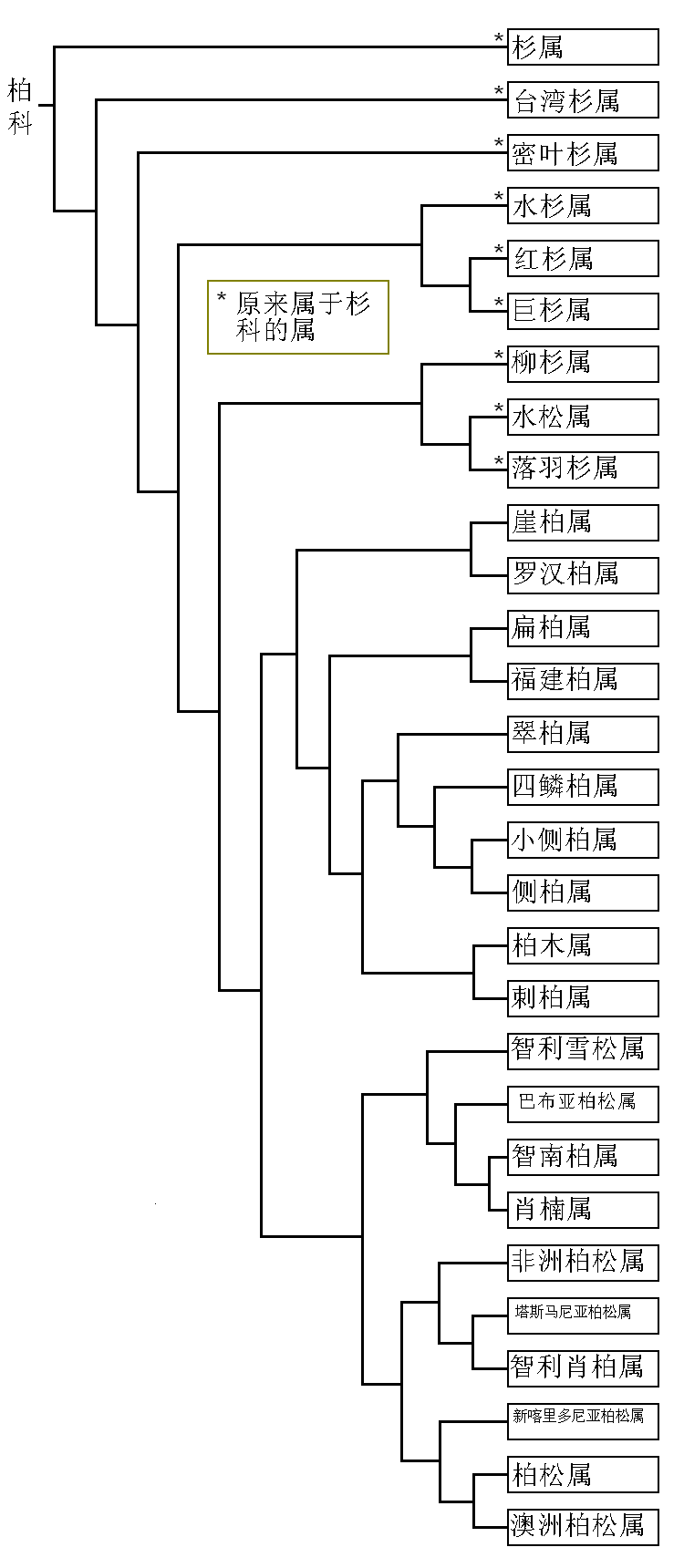
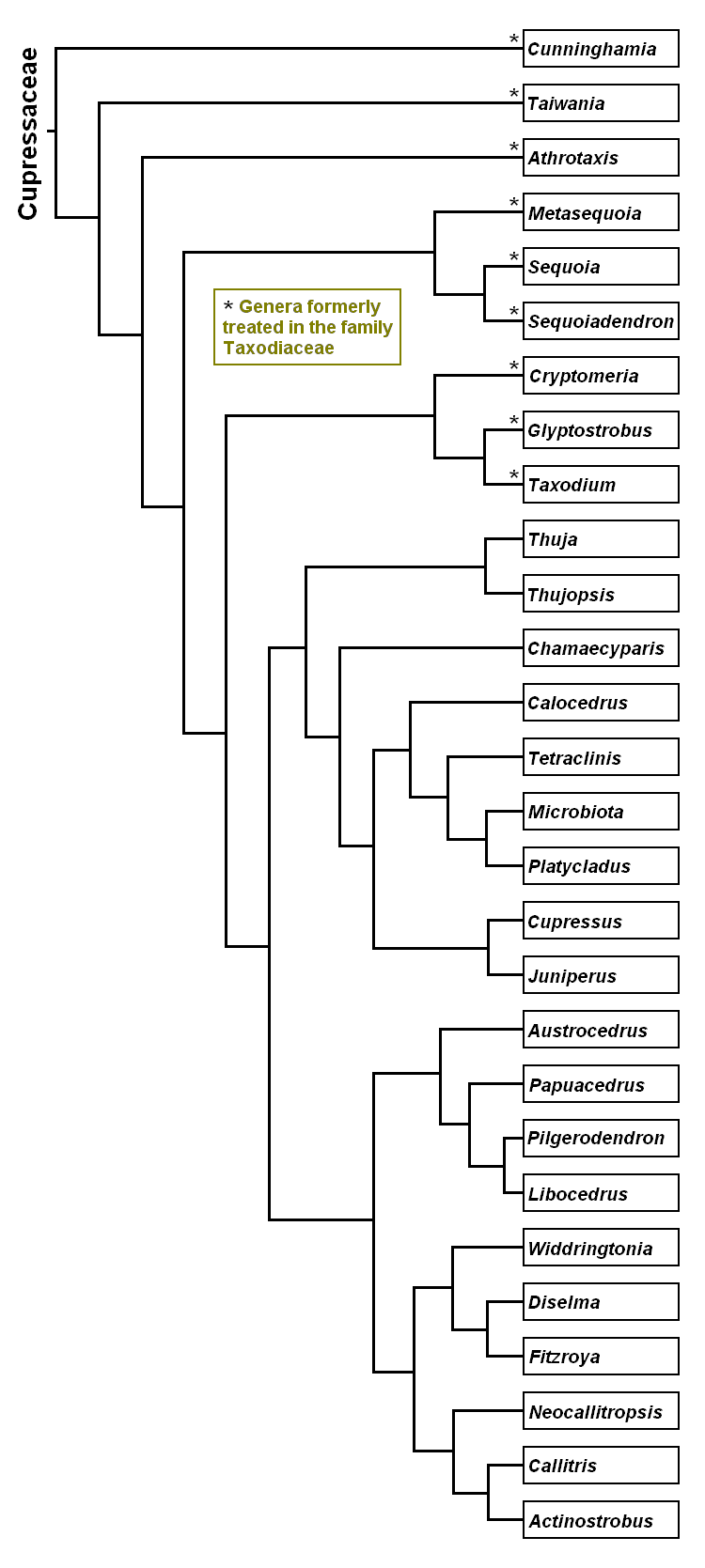
The family reached its peak of diversity during the Mesozoic era, and its oldest definitive fossil record is Austrohamia minuta from the Early Jurassic of Patagonia, whose reproductive structures closely resemble those of the primitive living genera Taiwania and Cunninghamia. By the Middle to Late Jurassic, cupressaceous plants were abundant across warm temperate and tropical regions of the Northern Hemisphere, and diversity continued climbing through the Cretaceous. The non-taxodiaceous lineage first appears in the mid-Cretaceous, represented by "Widdringtonia" americana from the Cenomanian of North America, before diversifying further in the Late Cretaceous and early Cenozoic. Modern taxonomy has been reshaped by molecular and morphological evidence: the former family Taxodiaceae was absorbed into Cupressaceae because no consistent distinguishing characters could be found, while the genus Sciadopitys was split out into its own monotypic family, Sciadopityaceae, due to clear genetic distinctness. The family now comprises seven subfamilies, with five forming a basal grade before the core cupressaceous clade. Molecular data place Cupressaceae as the sister group to the yews, with the two lineages diverging in the early to mid Triassic, and their combined clade separating from Sciadopityaceae in the early to mid Permian.
Giants and Longevity: Ecological Records and Human Utility
Cupressaceae holds several of the most extraordinary records in the plant kingdom. Sequoiadendron giganteum stands as the world's largest tree by volume, while Sequoia sempervirens is the current tallest, and six of the ten longest-lived tree species on Earth belong to this single family. These giants anchor temperate rainforests and tropical highland cloud forests, where they form ecologically dominant canopies. Beyond their biological superlatives, many cupressaceous species are vital timber sources, with the genera Calocedrus, Chamaecyparis, Cryptomeria, Cunninghamia, Cupressus, Sequoia, Taxodium, and Thuja all contributing significantly to the global wood supply. The family also includes three deciduous genera—Glyptostrobus, Metasequoia, and Taxodium—whose seasonal leaf drop sets them apart from the predominantly evergreen members. Seedlings in most species develop two cotyledons, though some produce as many as six, and pollen cones, while structurally more uniform across the family than seed cones, still vary in size from one to twenty millimetres and in their attachment from solitary apical positions to long pendulous panicle-like shoots.
Gallery
Frequently Asked Questions
Who is Cupressaceae?
Cupressaceae is a conifer family in botany that groups together roughly 27 to 30 genera and about 130 to 140 species of woody trees and shrubs. Its members include the familiar cypresses, junipers, and the famous redwoods.
What are Cupressaceae's signature achievements?
This family holds the records for the world's largest tree (the giant sequoia), its tallest living tree (the coast redwood at over 116 metres), and six of the ten longest-lived tree species on Earth. It also supplies some of the most valued timber and ornamental plantings in cultivation.
What is Cupressaceae's backstory?
The family hit its peak of species diversity during the Mesozoic era, when its relatives dominated vast conifer forests. Over millions of years it has weathered multiple mass extinctions to remain one of the most widespread conifer groups today.
Why is Cupressaceae so important to the story?
Beyond its record-breaking members, the family is a cornerstone of global forestry, supplying durable timber for construction, paper, and furniture. It also plays a major role in horticulture, with junipers and cypresses being among the most planted ornamental conifers worldwide.
Where is Cupressaceae found in the world?
Its range is essentially near-global, stretching from about 70°N latitude down to 55°S, with the only continent it is absent from being Antarctica. This makes it one of the most geographically widespread conifer families on the planet.
More in Trees & Timber 1-19
Spotted an error? Know more?
Reader corrections go straight into our review queue. Suggest an edit · How this site is sourced