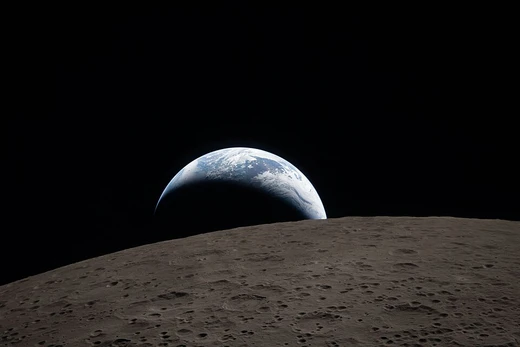
Apollo 7
First crewed Apollo flight after the Apollo 1 fire.

NASA; restored by Michel Vuijlsteke · Public domain
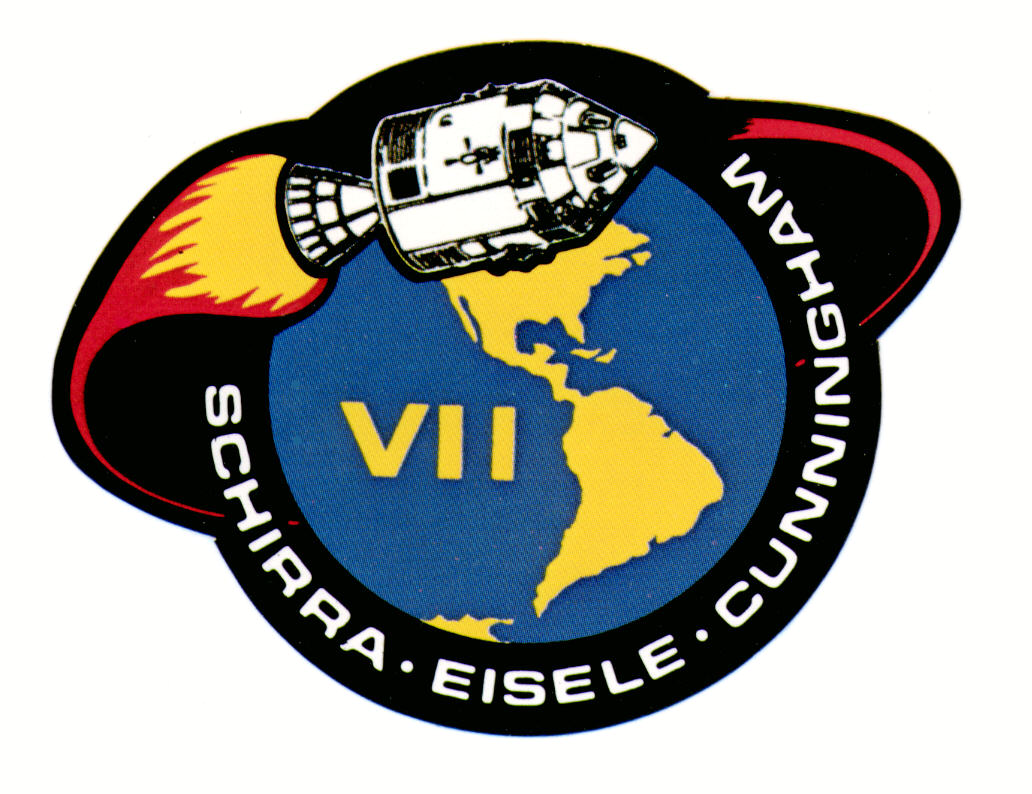
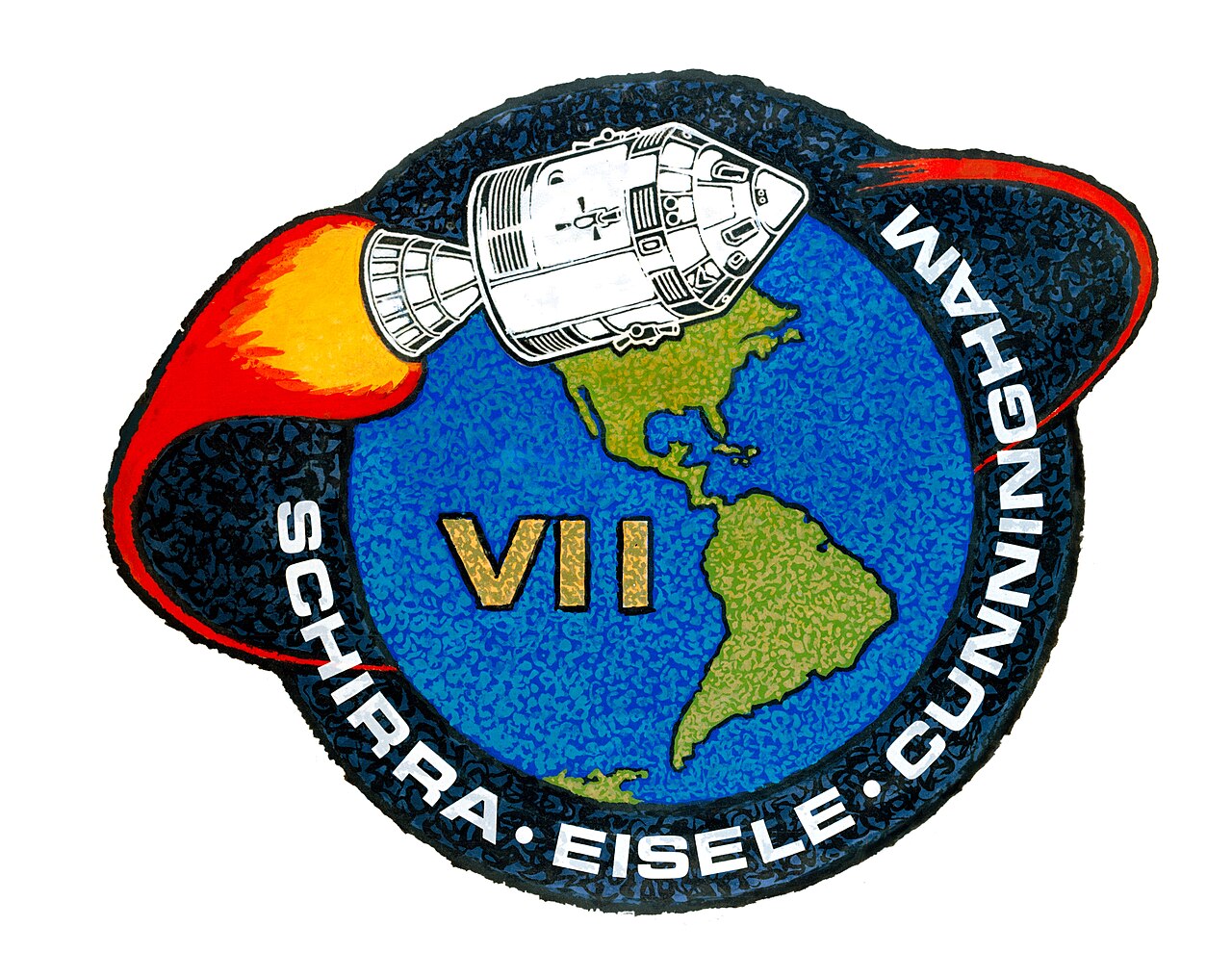
Apollo 7 (October 11–22, 1968) was the first crewed flight in NASA's Apollo program, resuming human spaceflight after the Apollo 1 fire. The crew consisted of Commander Walter M. Schirra, Command Module Pilot Donn F. Eisele, and Lunar Module Pilot R. Walter Cunningham, though the mission did not carry a Lunar Module. The mission tested the Apollo command and service modules in low Earth orbit and included the first live television broadcast from an American spacecraft, paving the way for Apollo 8's lunar orbit mission.
- Mission
- Apollo 7
- Launch Date
- October 11, 1968
- Splashdown Date
- October 22, 1968
- Crew
- Walter M. Schirra, Donn F. Eisele, R. Walter Cunningham
- Duration
- 11 days
- Program
- NASA Apollo program
- Significance
- First crewed Apollo flight after the Apollo 1 fire
Lore & Background
The Apollo 7 crew was originally designated for the second crewed Apollo flight and then as backups for Apollo 1. After the Apollo 1 fire on January 27, 1967, crewed flights were suspended while the cause was investigated and improvements made. The crew spent long periods monitoring the construction of their command and service modules at North American Aviation's plant in Downey, California, determined to prevent a repeat of the fire. Training continued over the 21-month pause, with the crew often working 12 to 14 hours per day.
Schirra, one of the original Mercury Seven astronauts, had flown Mercury-Atlas 8 and Gemini 6A. Eisele and Cunningham were selected as part of the third group of astronauts in 1963. Eisele was originally slated for Apollo 1 but was reassigned after a shoulder injury. Despite tension between the crew and ground controllers, the mission was a complete technical success. None of the crew flew in space again, though Schirra had already announced he would retire from NASA after the flight.
Reader's Guide
Apollo 7 was a critical mission for NASA, demonstrating that the redesigned Block II spacecraft and safety procedures were reliable after the Apollo 1 disaster. The mission's success gave NASA the confidence to send Apollo 8 into orbit around the Moon two months later. The crew conducted extensive testing of the command and service module systems, including life support, propulsion, guidance, and control. The first live television broadcast from an American spacecraft occurred during this mission, engaging the public. Despite the technical success, interpersonal tensions between the crew and ground controllers marked the flight, and as a result, none of the three astronauts flew in space again. Apollo 7 fulfilled Apollo 1's mission of testing the CSM in low Earth orbit and was a significant step towards landing astronauts on the Moon.
Did You Know?
- Apollo 7 was the first crewed flight in NASA's Apollo program, launching on October 11, 1968.
- The crew spent long periods monitoring the construction of their spacecraft at North American Aviation's plant in Downey, California, after the Apollo 1 fire.
- Apollo 7 carried a Lunar Module pilot even though it did not carry a Lunar Module.
- None of the Apollo 7 crew flew in space again, partly due to tensions with ground controllers.
Three Men, Three Paths to the Command Module
Walter M. Schirra, a 45-year-old Navy captain and one of the original Mercury Seven, had already logged two orbital flights before Apollo 7—Mercury-Atlas 8 in 1962 and Gemini 6A in 1965. He graduated from the United States Naval Academy in 1945. Donn F. Eisele, a 38-year-old Air Force major, earned his aeronautics degree from the Naval Academy in 1952 before electing to be commissioned into the Air Force. R. Walter Cunningham, aged 36, had joined the Navy in 1951, served in a Marine flight squadron from 1953 to 1956, and held both a B.A. and M.A. in physics from UCLA. Both Eisele and Cunningham were selected as part of the third group of astronauts in 1963. Cunningham was designated Lunar Module Pilot even though Apollo 7 carried no lunar module at all. Eisele had originally been slated for a seat on Grissom's Apollo 1 crew, but a shoulder injury requiring surgery days before the official March 25, 1966 announcement cost him that position; Roger Chaffee was given the slot instead, and Eisele was reassigned to Schirra's team.
Twenty-One Months in the Shadow of the Fire
The crew was first named on September 29, 1966, initially for a second Earth-orbital test dubbed Apollo 2. That mission was cancelled in November 1966, and the trio was reassigned as backup to Grissom's crew. Then on January 27, 1967, a fire during a launch-pad rehearsal test killed Grissom, White, and Chaffee. Crewed flights were suspended for roughly 21 months while NASA investigated the cause, redesigned the command module and spacesuits, and conducted uncrewed test flights. During that long pause, Schirra, Eisele, and Cunningham spent extended periods monitoring the construction of their Block II command and service module—the same variant intended for lunar missions, unlike the Block I hardware that had burned. Slayton, the Director of Flight Crew Operations, asked them to fly the first post-fire mission. The flight would be open-ended, meaning it would be extended as each test passed, with a hard ceiling of 11 days rather than the original 14-day limit planned for Apollo 1.
Eleven Days Above the Earth
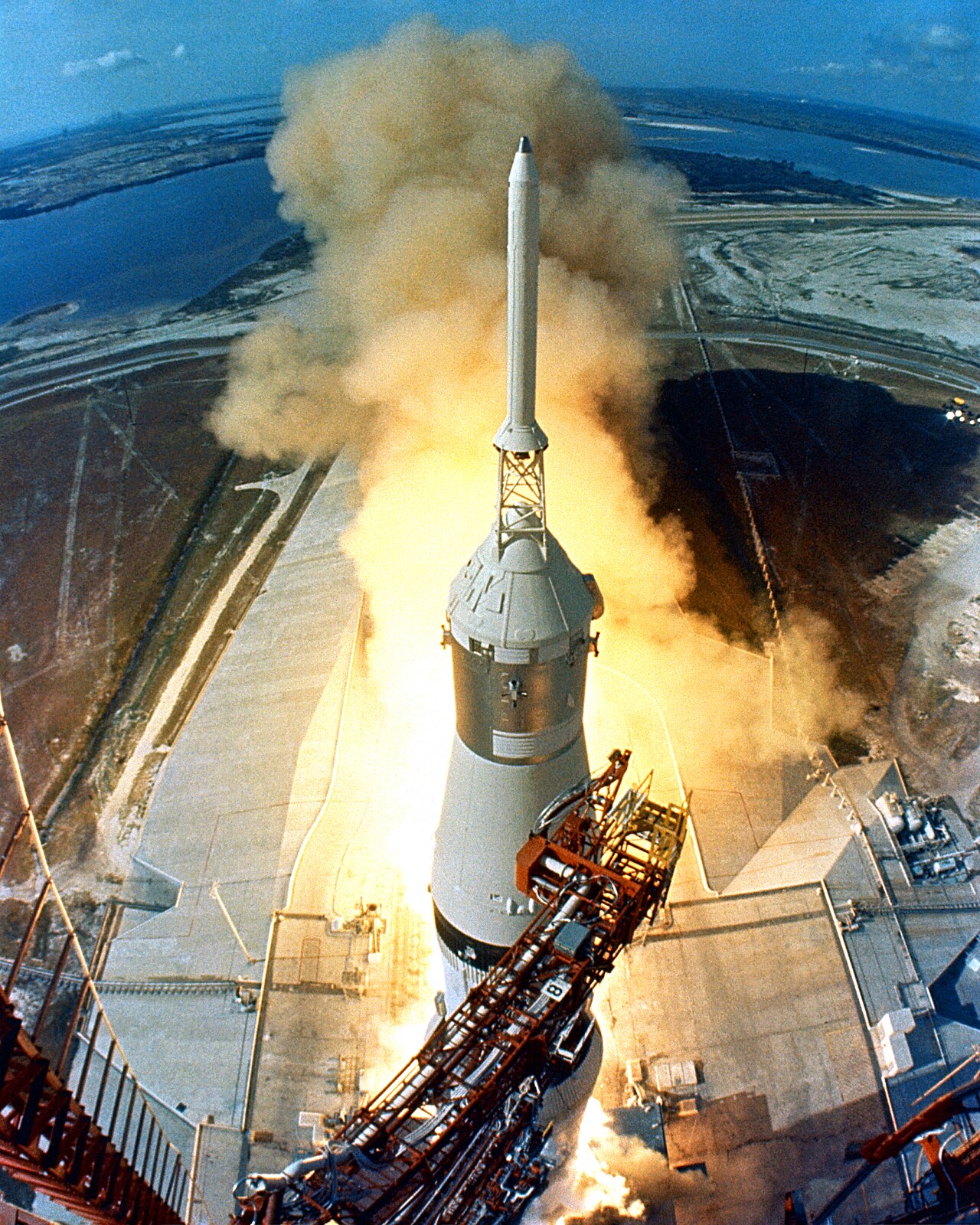
Apollo 7 lifted off from Cape Kennedy Air Force Station in Florida on October 11, 1968, and splashed down in the Atlantic Ocean eleven days later. The primary objective was exhaustive testing of the Block II command and service module—life support, propulsion, guidance, and control systems all received thorough exercise in low Earth orbit. The mission also delivered the first live television broadcast from an American spacecraft, a milestone in public engagement. Despite ongoing friction between the crew and ground controllers, the flight was a complete technical success. The three astronauts fulfilled the very mission Apollo 1 had been meant to accomplish: proving the CSM could sustain a crew in orbit for an extended period. The backup crew—Thomas P. Stafford, John W. Young, and Eugene A. Cernan—went on to become the prime crew of Apollo 10, while support crew members Evans, Swigert, and Pogue handled hardware testing, CAPCOM duties, and procedure modifications at Kennedy Space Center.
The Last Flight for Three
Apollo 7's success gave NASA the confidence to launch Apollo 8 into lunar orbit just two months later, making the October 1968 flight a critical stepping stone toward the Moon landing. Yet for the men who flew it, the mission marked an ending rather than a beginning. In part because of the tensions that had simmered between the crew and ground controllers throughout the flight, none of Schirra, Eisele, or Cunningham ever flew in space again. Schirra had already announced his intention to retire from NASA after the mission, and he followed through. The flight also carried the weight of Apollo 1's memory: the redesigned hardware, the new safety procedures, and the 21-month pause all existed because of that January 1967 fire. In fulfilling the CSM test that Grissom, White, and Chaffee had been scheduled to perform, Apollo 7 closed a chapter of loss and opened the road to the Moon.
Gallery
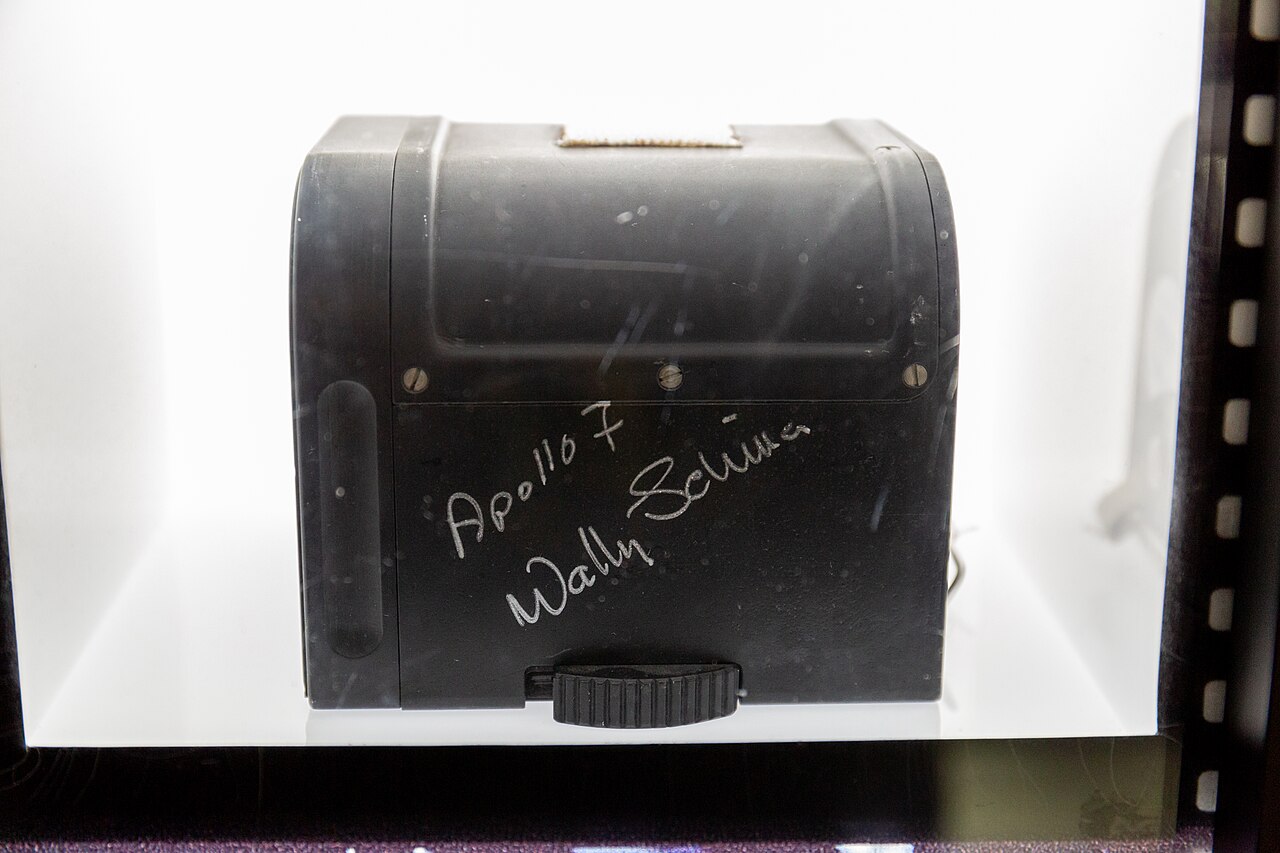
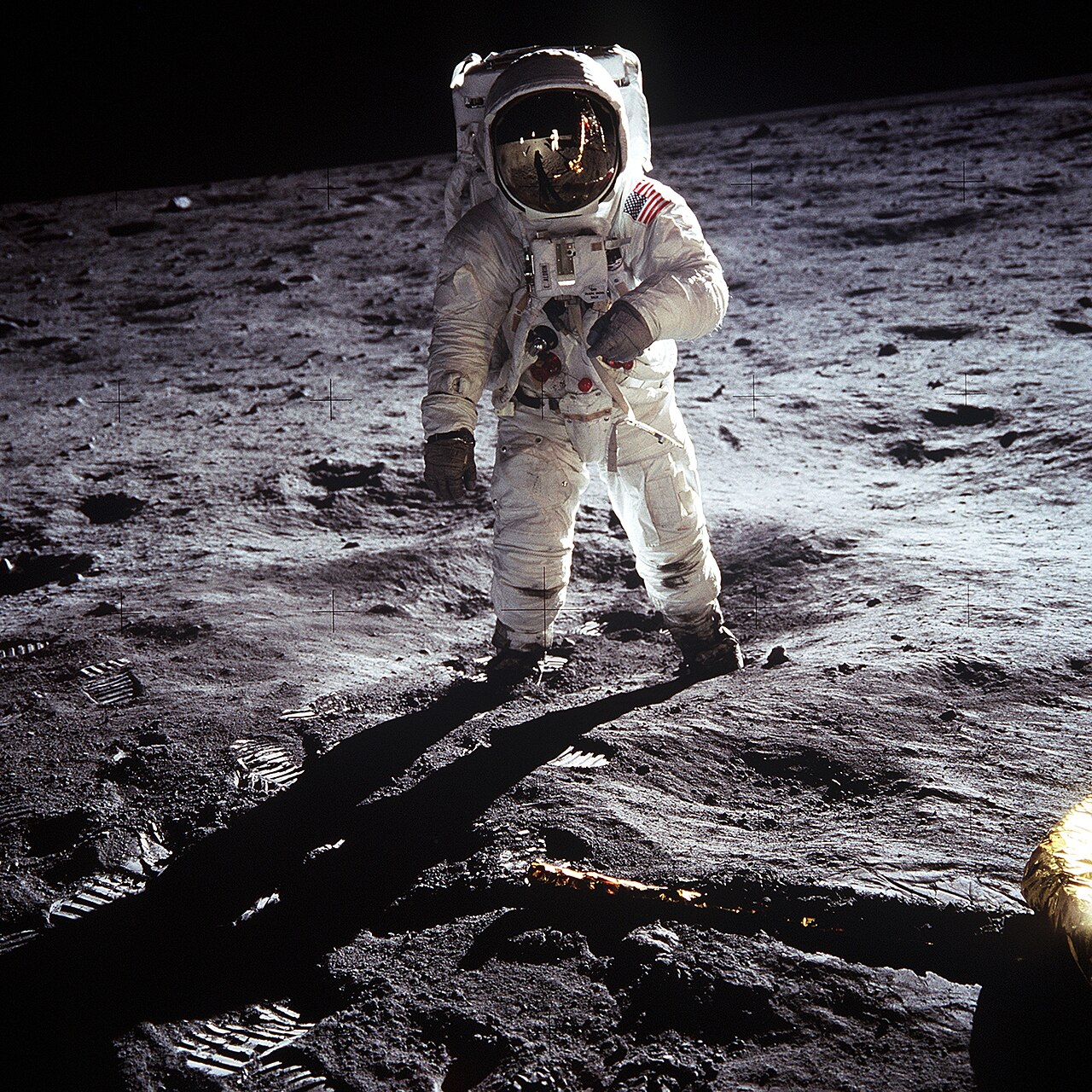
Frequently Asked Questions
What is Apollo 7?
Apollo 7 was NASA's first crewed mission under the Apollo program, launched on October 11, 1968. It marked the program's return to human spaceflight after the fatal Apollo 1 fire had grounded all crewed operations.
Who flew on Apollo 7?
The crew consisted of Commander Walter M. Schirra, Command Module Pilot Donn F. Eisele, and Lunar Module Pilot R. Walter Cunningham. No Lunar Module was carried aboard, since the flight was designed solely to test the command and service modules.
What did Apollo 7 accomplish?
Over its 11-day stay in low Earth orbit, the mission validated the Apollo command and service modules for crewed operations. It also delivered the first live television broadcast ever transmitted from an American spacecraft in space.
Why is Apollo 7 important?
It demonstrated that the Apollo hardware was safe and ready for crewed flights after the program had been suspended following the Apollo 1 tragedy. Its successful completion directly paved the way for Apollo 8's first crewed lunar orbit mission.
How long did Apollo 7 last?
The mission spanned 11 days, from its launch on October 11, 1968 to its splashdown on October 22, 1968.
More in Successful space missions 1-24
Spotted an error? Know more?
This is a living reference — every entry is fact-audited, and reader corrections feed straight into our audit queue. Suggest an edit · See this site's audit record