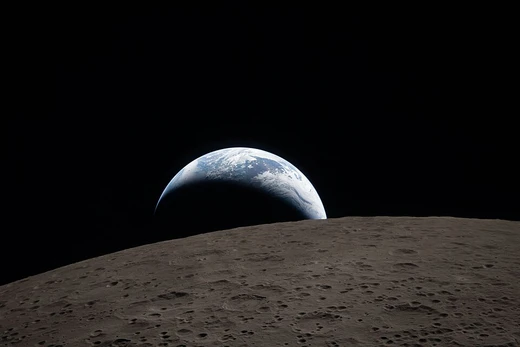
Apollo 14
Third lunar landing, first in the lunar highlands.

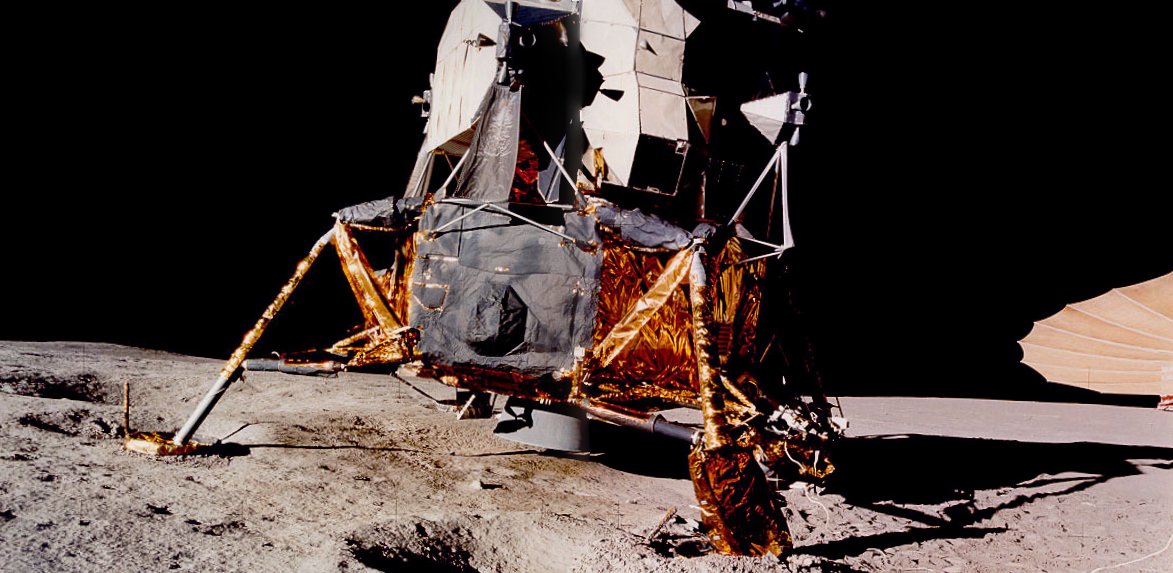
NASA; restored by Michel Vuijlsteke · Public domain
Apollo 14 ran from January 31 to February 9, 1971, as the eighth crewed Apollo mission, the third to land on the Moon, and the first to touch down in the lunar highlands. It marked the final "H mission"—a type of two-day stay at a scientifically interesting site, featuring two moonwalks. The launch was pushed back from 1970 due to the Apollo 13 investigation and necessary spacecraft changes after that mission’s failure.
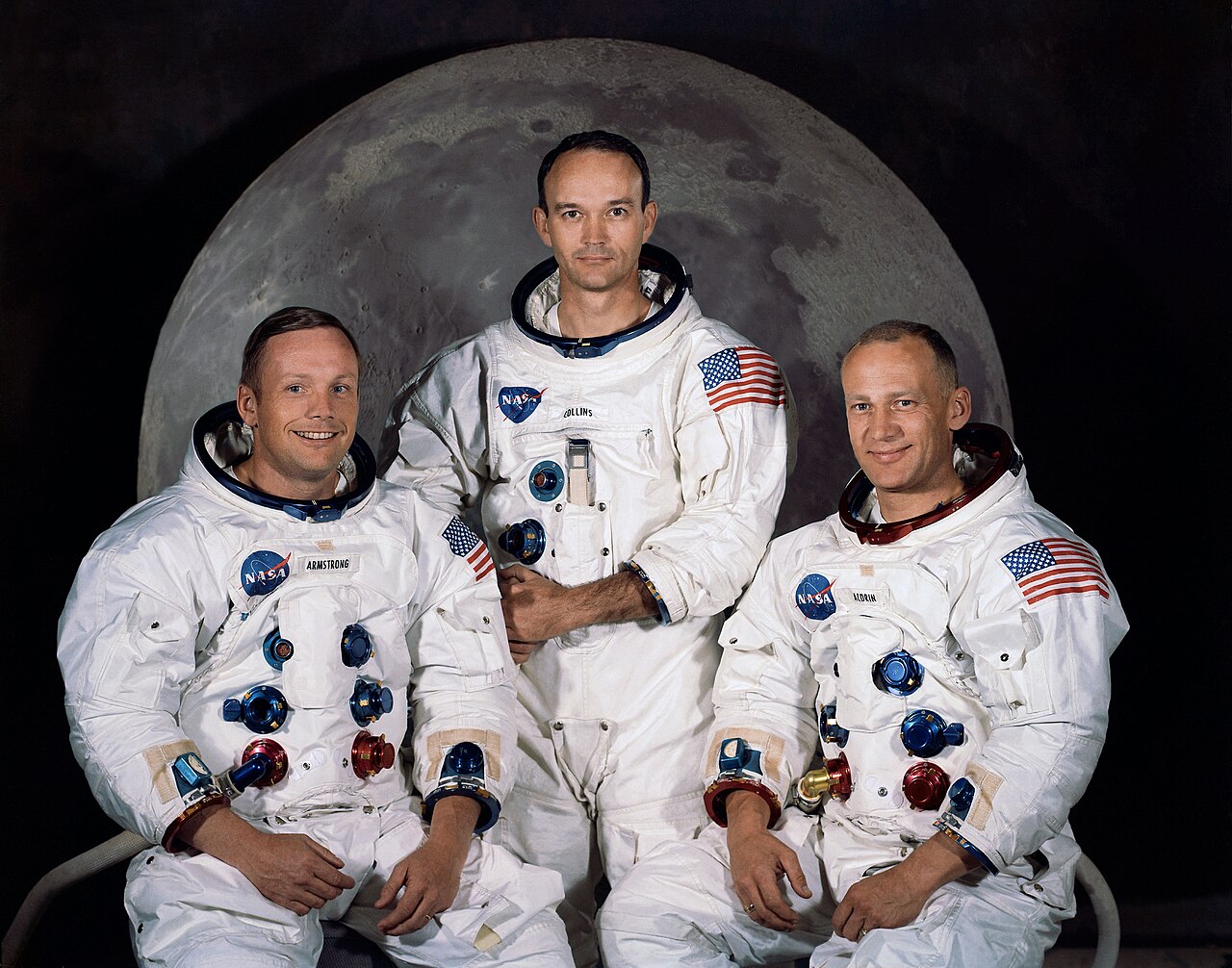
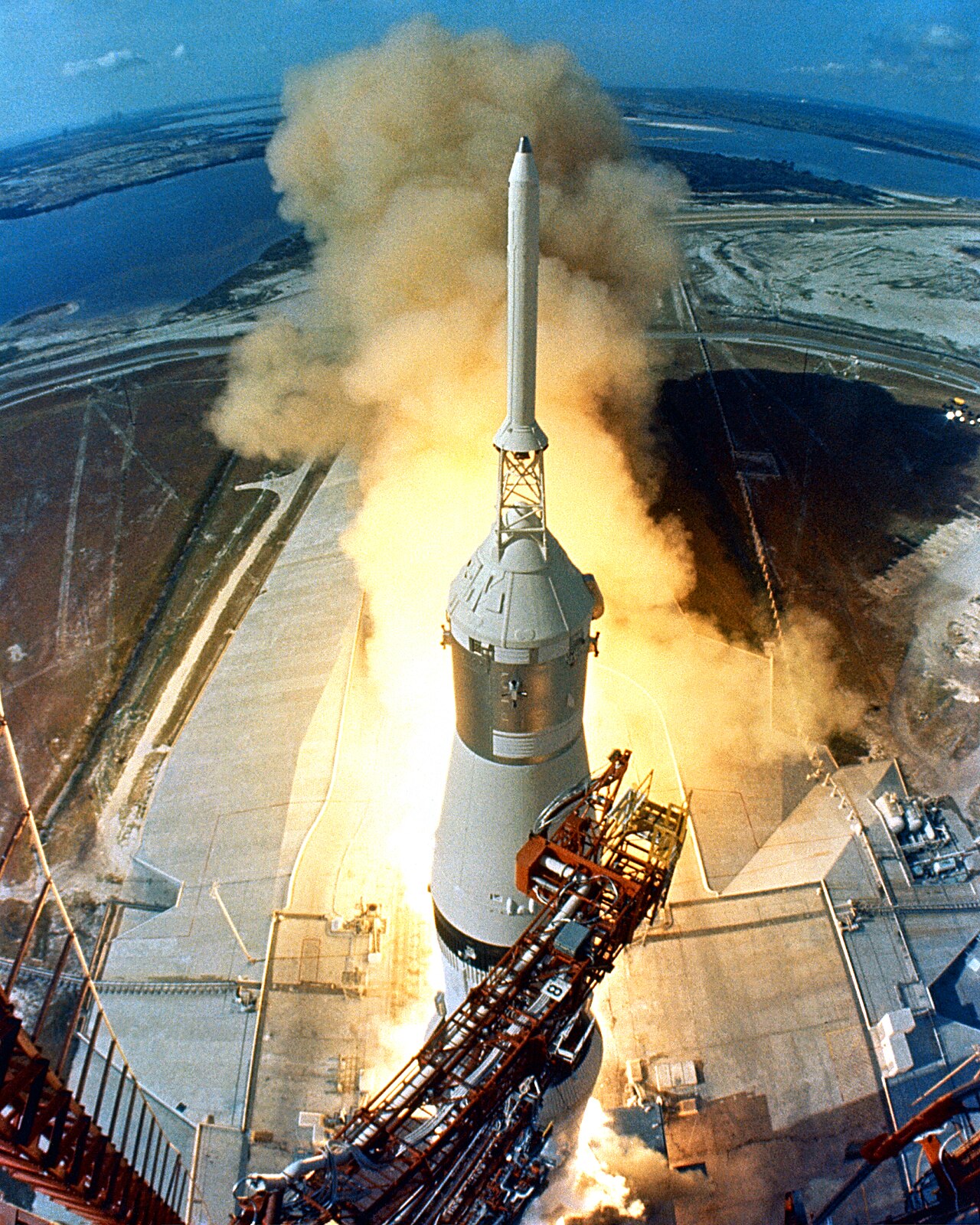
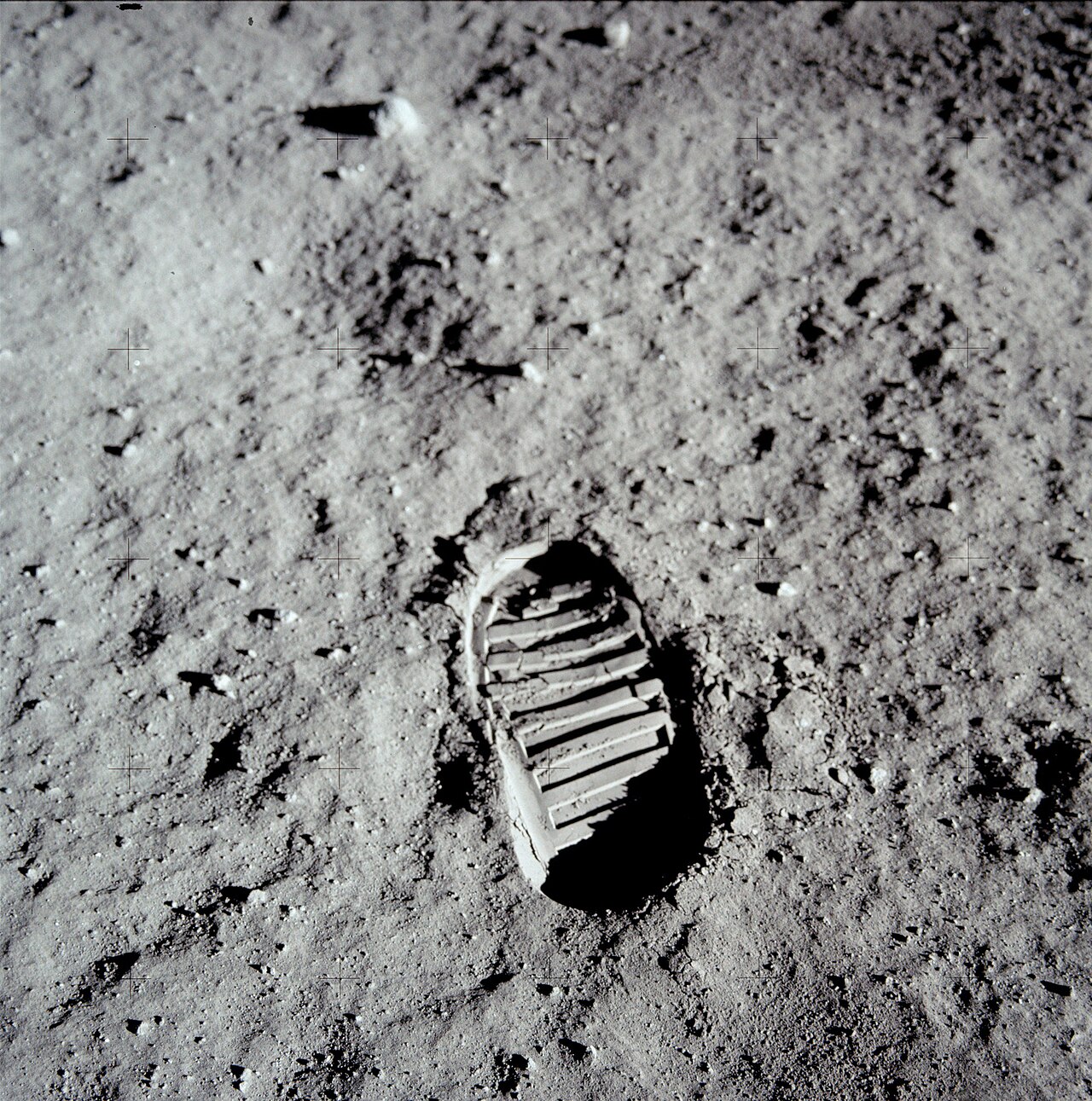
Commander Alan Shepard, Command Module Pilot Stuart Roosa, and Lunar Module Pilot Edgar Mitchell launched on Sunday, January 31, 1971, at 4:03:02 p.m. EST. On the way to the Moon, the crew dealt with equipment glitches that could have forced another abort and possibly ended the Apollo program early. Shepard and Mitchell landed on February 5 in the Fra Mauro formation—the same target Apollo 13 had aimed for. Over two surface walks, they gathered 94.35 pounds (42.80 kg) of lunar rocks and set up scientific gear. Geologists were disappointed that the pair didn’t reach the rim of Cone crater as planned, though they got close. The mission’s most famous moment came when Shepard hit two golf balls he’d smuggled aboard using a makeshift club.
While the others were on the surface, Roosa orbited the Moon in the Command and Service Module, running experiments and photographing the lunar surface, including the future Apollo 16 landing site. He also carried several hundred seeds; many sprouted after return, becoming the so-called Moon trees distributed widely in later years. After lifting off from the Moon and docking successfully, the crew flew back to Earth and splashed down safely in the Pacific Ocean on February 9.
Alan Shepard, one of the original Mercury Seven, had been the first American in space on a suborbital flight in May 1961. He was later grounded by Ménière’s disease, an inner-ear disorder, and served as Chief Astronaut. After experimental surgery in 1968, he returned to flight status. At 47, Shepard was the oldest U.S. astronaut to fly and was the oldest person to walk on the Moon at the time, though Eugene Cernan (Apollo 17) later surpassed him. Command Module Pilot Stuart Roosa, 37, had worked as a smoke jumper before joining the Air Force in 1953, became a fighter pilot, and completed the Aerospace Research Pilot School (ARPS) at Edwards Air Force Base in 1965 before being selected as a Group 5 astronaut in 1966. He served as a capsul
- Mission
- Apollo 14
- Launch date
- January 31, 1971
- Splashdown date
- February 9, 1971
- Crew
- Alan Shepard (Commander), Stuart Roosa (CMP), Edgar Mitchell (LMP)
- Landing site
- Fra Mauro formation
- Moon rocks collected
- 94.35 pounds (42.80 kg)
- Notable event
- Shepard hit two golf balls on the Moon
Quick Facts
- Insignia
- Apollo 14-insignia.png
- Mission Type
- Crewed lunar landing (H)
- Operator
- NASA
- Cospar Id
- CSM: 1971-008AOrloff & Harland 2006 · p=396 · LM: 1971-008COrloff & Harland 2006 · p=396
- Satcat
- CSM: 4900 · LM: 4905
- Mission Duration
- 9 days, 1 minute, 58 seconds
- Spacecraft
- Apollo CSM-110 · Apollo LM-8
- Manufacturer
- CSM: North American Rockwell / LM: Grumman
- Launch Mass
- 102084 lb
- Landing Mass
- 11481 lb
- Launch Date
- January 31, 1971, 21:03:02 · timezone=yes UTC
- Launch Rocket
- Saturn V SA-509
Facts from the source article.
Lore & Background
Commander Alan Shepard, one of the original Mercury Seven astronauts, became the first American in space in 1961. He was grounded by Ménière's disease and served as Chief Astronaut until experimental surgery in 1968 allowed his return to flight status. At age 47, Shepard was the oldest U.S. astronaut to fly and was the oldest person to walk on the Moon at the time, though Eugene Cernan (Apollo 17) later surpassed him. Command Module Pilot Stuart Roosa, aged 37, had been a smoke jumper before joining the Air Force, became a fighter pilot, and completed Aerospace Research Pilot School before his selection as a Group 5 astronaut. Lunar Module Pilot Edgar Mitchell, aged 40, joined the Navy in 1952, served as a fighter pilot, and also completed the ARPS prior to his selection. Shepard and his crew
Reader's Guide
Apollo 14 was a pivotal mission for NASA, coming after the near-disaster of Apollo 13. The crew overcame malfunctions en route that might have resulted in a second consecutive aborted mission and possibly the premature end of the Apollo program. Their landing in the Fra Mauro formation—originally the target of Apollo 13—allowed collection of 94.35 pounds of Moon rocks and deployment of scientific experiments. Although they did not reach the rim of Cone crater as planned, they came close. The mission's most famous event was Shepard hitting two golf balls with a makeshift club. Roosa, in lunar orbit, performed experiments and photographed the Moon, including the future Apollo 16 landing site. He also took several hundred seeds, many germinated on return, resulting in the so-called Moon trees distributed in following years. The mission's success restored confidence in the Apollo program after Apollo 13.
Did You Know?
- Apollo 14 was the last of the 'H missions' with two-day stays and two moonwalks.
- Shepard, at age 47, was the oldest person to walk on the Moon.
- Roosa took several hundred seeds on the mission, which became 'Moon trees' after germination.
- The landing site, Fra Mauro, was originally the target of Apollo 13.
The Crew's Long Road to the Moon
Alan Shepard had been the first American in space back in May 1961, yet by the time Apollo 14 launched, he had spent nearly a decade grounded by Ménière's disease, a debilitating inner-ear disorder. His experimental surgery in 1968 finally restored him to flight status, and at forty-seven he became the oldest U.S. astronaut to fly and the oldest person to set foot on the Moon. Stuart Roosa, the Command Module Pilot at thirty-seven, had an unusual pre-astronaut life as a smoke jumper before joining the Air Force in 1953, eventually completing the Aerospace Research Pilot School at Edwards in 1965 before his selection as a Group 5 astronaut. Edgar Mitchell, forty at launch, had served as a Navy fighter pilot aboard aircraft carriers starting in 1954, later completing the same pilot school before joining the astronaut corps. The three men had originally been slated to command Apollo 13, but NASA's leadership judged that Shepard needed additional training after his long absence from space and reassigned him to the next landing. The crew that had been designated for Apollo 14—Lovell, Mattingly, and Haise—stepped into the Apollo 13 slot instead.
Two Walks in the Fra Mauro Highlands
On February 5, 1971, Shepard and Mitchell touched down in the Fra Mauro formation, the very site that Apollo 13 had been targeting before its catastrophic abort. As the first crew to land in the lunar highlands, they spent two days conducting extravehicular activities that yielded 94.35 pounds of lunar rock samples and the deployment of multiple scientific instruments. One planned objective—reaching the rim of Cone crater—proved just out of reach, a frustration for the geologists who had envisioned the vantage point. Yet the mission's most iconic moment was decidedly unscientific: Shepard swung a makeshift club at two golf balls he had brought aboard, an act that captured the public imagination far more than any core sample. The entire landing represented the final H mission in NASA's sequence, a format designed for two-day stays at scientifically chosen sites with two surface walks. After their time on the surface, the crew lifted off, docked with the Command and Service Module in orbit, and began the long flight home.
A Program Hanging by a Thread
Apollo 14 was not supposed to launch until 1970, but the catastrophic failure of Apollo 13 to reach the lunar surface forced a full investigation and a wave of spacecraft modifications that pushed the schedule back. When Shepard, Roosa, and Mitchell finally lifted off on the evening of January 31, 1971, the stakes were enormous. En route to the Moon, the crew encountered malfunctions that threatened to produce a second consecutive aborted landing. Had those problems not been resolved, the Apollo program itself might have been terminated prematurely, ending the era of human lunar exploration. The shadow of Apollo 13's failure hung over every systems check and every communication with Mission Control. The flight directors—Pete Frank on the Orange team, Glynn Lunney on Black, Milt Windler on Maroon, and Gerry Griffin on Gold—operated under a single sweeping mandate: they could take any action necessary to protect crew safety and ensure mission success. The CAPCOM team included Fred Haise, who had trained extensively for the very same Fra Mauro target during the aborted Apollo 13, giving him intimate knowledge of the terrain the crew would now traverse on foot.
Seeds in Orbit and a Legacy Beyond the Moon
While Shepard and Mitchell worked on the surface, Roosa remained in lunar orbit aboard the Command and Service Module, conducting his own scientific experiments and photographing the Moon's terrain. Among his tasks was capturing images of the landing site earmarked for the future Apollo 16 mission, a practical contribution that would save future crews valuable planning time. Perhaps more memorably, Roosa carried several hundred seeds into space, and upon their return to Earth many of those seeds were successfully germinated. The resulting saplings, affectionately called Moon trees, were distributed widely across the country in the years that followed, giving ordinary citizens a living connection to the lunar program. The three astronauts completed their nine-day journey by splashing down safely in the Pacific Ocean on February 9, 1971. The mission closed out the H series of highlands landings, but its ripples extended well beyond the program's final flights, from the trees planted in communities to the photographic record that guided subsequent crews toward their own targets on the Moon.
Gallery


Frequently Asked Questions
Who flew Apollo 14?
The three-person crew was Commander Alan Shepard, Command Module Pilot Stuart Roosa, and Lunar Module Pilot Edgar Mitchell. Shepard was especially notable because he had been the first American to travel into space back in 1961, making his lunar landing a remarkable full-circle moment.
Where did Apollo 14 land on the Moon?
The Lunar Module touched down in the Fra Mauro formation, a region within the lunar highlands. This made it the first crewed mission to explore that terrain, since Apollo 11 and 12 had both landed in the smoother, darker maria.
Why was Apollo 14 delayed from its originally planned 1970 launch?
NASA pushed the mission back to January 1971 to finish the Apollo 13 accident investigation and work the resulting spacecraft modifications into the vehicle. This extra time ensured the hardware was safe before another crew was sent to the Moon.
What made Apollo 14 different from the earlier lunar landings?
It was the final 'H' class flight, designed around a two-day surface stay with two separate moonwalks at a geologically rich site. It also marked the first time a crew explored the lunar highlands rather than the ocean-like maria.
How much lunar material did Apollo 14 bring back to Earth?
The crew collected 94.35 pounds (42.80 kg) of rock and soil samples across their two extravehicular activities. Those specimens gave scientists key information about the age and composition of the highlands.
More in Successful space missions 1-24
Spotted an error? Know more?
This is a living reference — every entry is fact-audited, and reader corrections feed straight into our audit queue. Suggest an edit · See this site's audit record