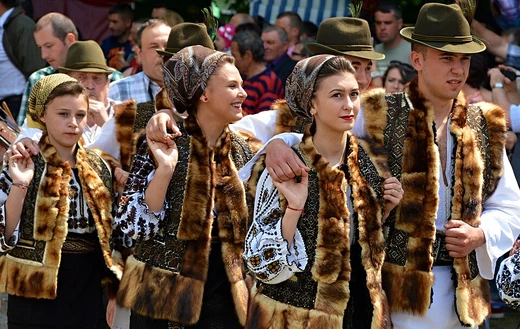
Bucur (legendary shepherd)
Legendary shepherd said to have founded Bucharest.

ViperDex · CC BY-SA 3.0 ro
Bucur is a legendary figure in Romanian folklore, traditionally described as a shepherd who is said to have founded the city of Bucharest and given it his name. While the legend is probably apocryphal, the city's name (Romanian: București) is likely derived from a person named Bucur, though it is more probable that Bucur was a noble who owned the land rather than a shepherd.
- Field
- Legendary founder
- Nationality
- Romanian (Wallachian)
- Known for
- Legendary founding of Bucharest
- Also known as
- Bucur the shepherd, Bucur the haiduc
Lore & Background
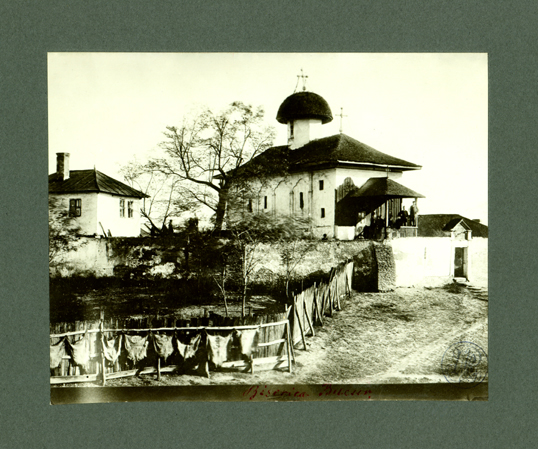
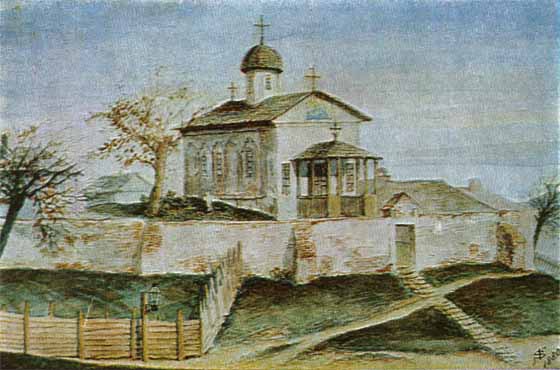
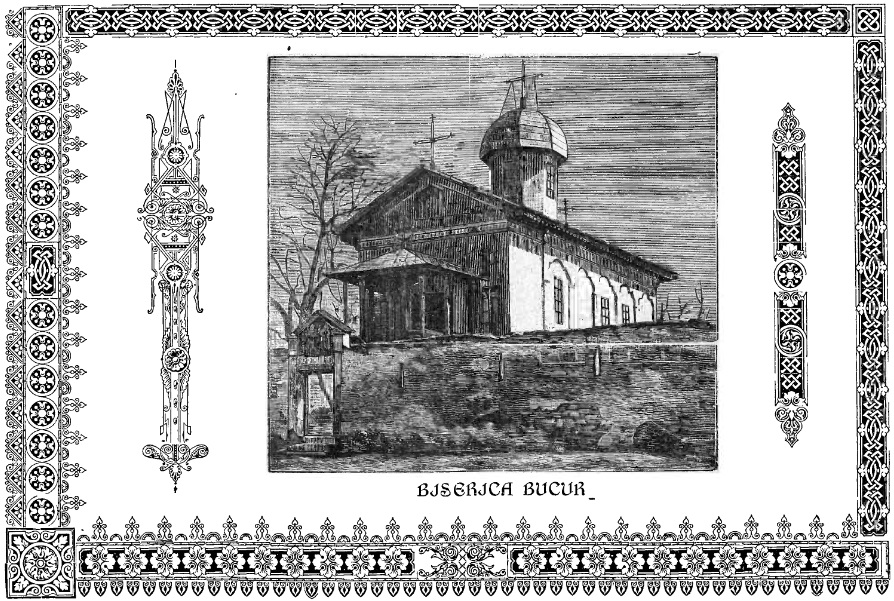
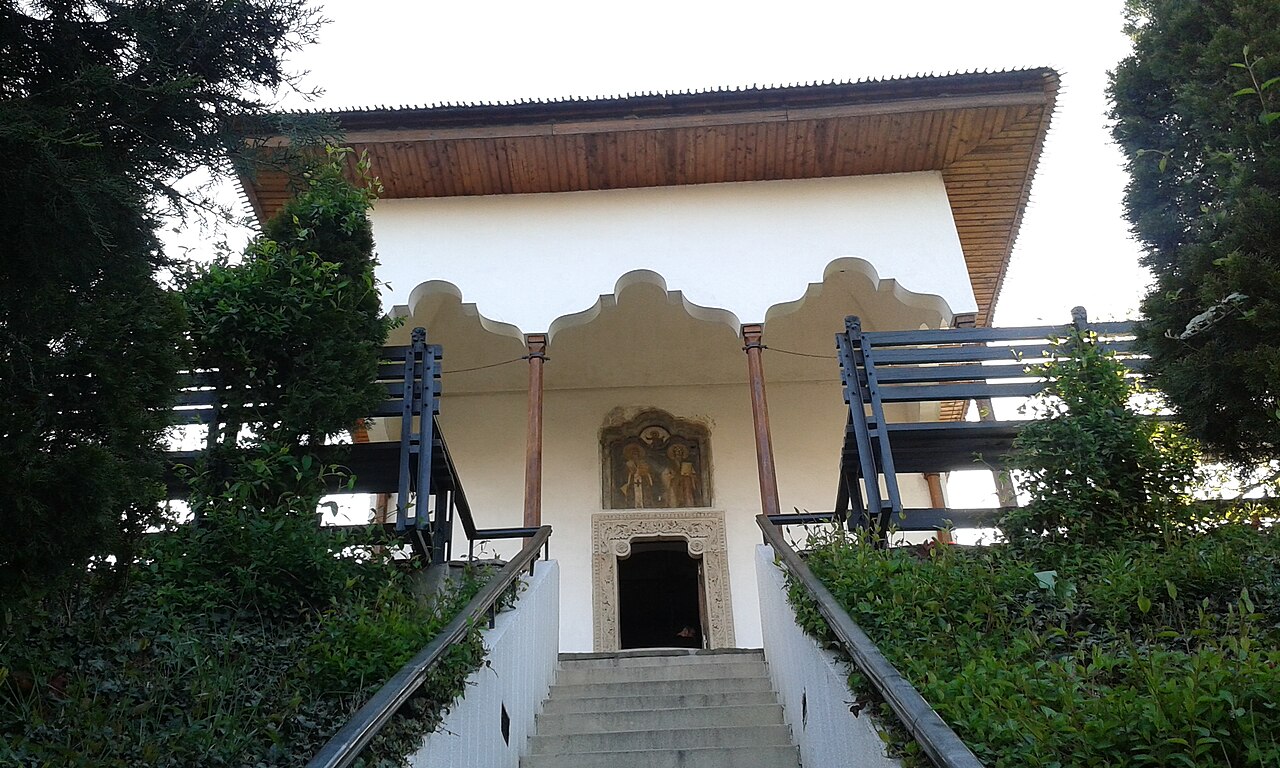
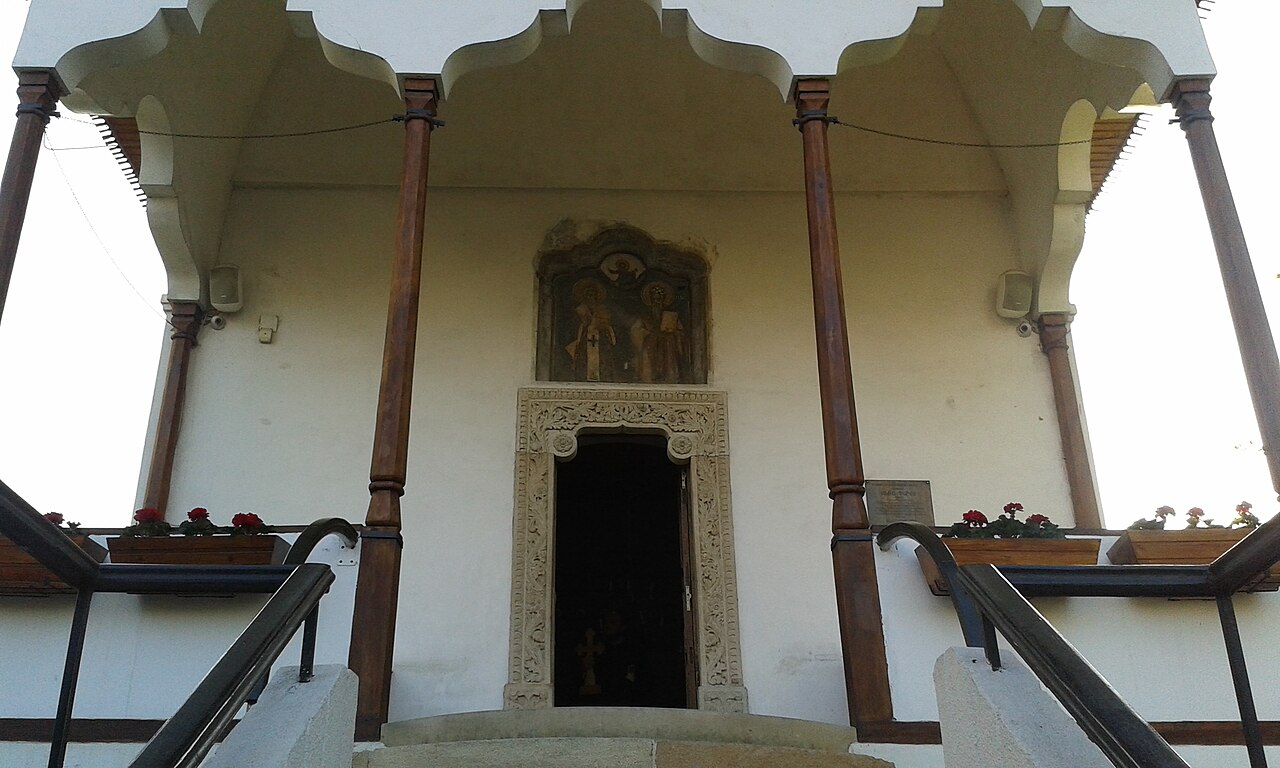
According to tradition, Bucur was a shepherd who built a small church, known as Biserica lui Bucur ('Bucur's Church'), which is still standing. However, archaeological evidence shows the church was built at the beginning of the 18th century, and the oldest remains in the area date from the second half of the 16th century, contradicting the legend that Bucur himself built it.
The earliest written reference to Bucur comes from the Franciscan friar Blasius Kleiner, who claimed Bucur was both a shepherd and a haiduc (an outlaw or bandit). Another early mention appears in An Account of the Principalities of Wallachia and Moldavia, an 1820 book by the English consul in Bucharest, William Wilkinson. The first reference to Bucur's Church is from a geography manual by Iosif Gentilie in 1835.
Various etymologies for the name Bucur have been proposed. In 1781, I. Fr. Sulzer suggested it is related to the Romanian word bucurie ('joy'), bucuros ('joyful'), and a bucura ('to become joyful'), with a cognate in Albanian bukur ('beautiful'), and believed to be of Dacian origin. Other early scholars offered different explanations, such as Ottoman traveler Evliya Çelebi, who linked the city's name to a certain Abu-Kariş from the tribe of Bani-Kureiș, and an early 19th-century book from Vienna that derived it from Bukovie, a beech forest.
Reader's Guide
Bucur occupies a central place in the founding myth of Bucharest, Romania's capital and largest city. Although the legend of the shepherd founder is almost certainly apocryphal, it has persisted in popular memory and is reflected in the name of the old Biserica lui Bucur church. The historical significance of Bucur lies less in his actual existence and more in the cultural and linguistic evidence that the city's name derives from a person named Bucur, likely a landowner or noble. The suffix -ești in București is typical of Romanian place names derived from personal names, supporting this etymology. The figure of Bucur also illustrates how folklore and history intertwine: early references by travelers and scholars—from Blasius Kleiner to William Wilkinson—show that the legend was already established by the 18th and early 19th centuries. The various etymological theories, including the Dacian origin proposed by Sulzer and the alternative explanations by Evliya Çelebi and others, highlight the scholarly debate surrounding the city's name. Ultimately, Bucur serves as a symbol of Bucharest's origins, blending myth, language, and local identity.
Did You Know?
- Bucur is the legendary Romanian shepherd said to have founded Bucharest and given it his name.
- The earliest written reference to Bucur was by Franciscan friar Blasius Kleiner, who described him as both a shepherd and a haiduc.
- The old church named Biserica lui Bucur was not built by Bucur; it dates from the early 18th century, and the oldest nearby remains are from the late 16th century.
- The name Bucur may be related to the Romanian word bucurie ('joy') and is believed by some scholars to be of Dacian origin.
The Shepherd Who Gave a City Its Name
The story of Bucur as the humble shepherd who founded Bucharest and bestowed his name upon the settlement is one of Romania's most enduring founding myths. However, scholars generally regard the tale as apocryphal. What is more historically grounded is the linguistic evidence: the Romanian city name București carries the suffix -ești, a marker typically attached to settlements that take their name from an individual—most often the landowner or the person who established the community. This strongly suggests that a real person named Bucur existed and held property in the area, though he was more likely a noble landholder than a wandering pastoralist. The legend thus appears to be a folk retelling that transformed a local proprietor into a romantic, mythic founder, giving the city a pastoral origin story that resonated deeply with Romanian cultural identity.
Biserica lui Bucur and the Archaeological Record
Tucked into the old town of Bucharest stands a small, ancient church known as Biserica lui Bucur, or "Bucur's Church." According to local tradition, this was the very structure the legendary shepherd raised with his own hands. The archaeological and architectural record, however, tells a very different story. The church itself appears to date from the early 18th century, placing its construction well after any plausible timeframe for a medieval or earlier founding figure. Even the oldest material remains uncovered in the surrounding area push back only to the second half of the 16th century, which, while earlier than the church, still does not align with the era the founding legend implies. The earliest written mention of the church by name appears in a geography manual authored by Iosif Gentilie in 1835, further underscoring that the site's association with Bucur is a later cultural layer rather than a verifiable historical fact.
Early Witnesses and the Written Record
The figure of Bucur enters the written historical record through a handful of early sources, each adding a slightly different dimension to the character. The earliest known reference comes from the Franciscan friar Blasius Kleiner, who described Bucur not merely as a shepherd but also as a haiduc—a roving outlaw-hero figure common in Romanian folklore. This dual identity as pastoralist and bandit-hero gives the legend a richer, more complex texture than a simple farmer-founding-myth. In 1781, I. Fr. Sulzer offered an etymological connection, linking the name Bucur to Romanian words for joy and gladness. The legend gained wider international visibility through William Wilkinson, the English consul in Bucharest, who included a reference to Bucur in his 1820 London-published work, An Account of the Principalities of Wallachia and Moldavia, introducing the shepherd-founder story to a broader European readership.
The Name Bucur and Competing Origins
The linguistic roots of the name Bucur have attracted considerable scholarly attention and yielded several competing explanations. I. Fr. Sulzer, writing in 1781, proposed that the name is connected to the Romanian words bucurie (joy), bucuros (joyful), and the verb a bucura (to become joyful), and noted a cognate in Albanian, bukur, meaning "beautiful." This line of reasoning points toward a Dacian origin for the name, tying it to the ancient inhabitants of the region. Other early scholars offered entirely different etymologies for the city name itself. The Ottoman traveler Evliya Çelebi claimed Bucharest derived from a figure called Abu-Kariş, associated with a tribe named Bani-Kureiș. A separate early 19th-century publication from Vienna suggested the name came from Bukovie, a beech forest. These rival theories illustrate how the true origin of the name—and by extension, the identity of the Bucur behind it—remains a matter of ongoing scholarly debate.
Gallery
Frequently Asked Questions
Who is Bucur (legendary shepherd)?
Bucur is a Wallachian legendary figure traditionally portrayed as a shepherd credited with founding the city of Bucharest. He is also known by the titles "Bucur the shepherd" and "Bucur the haiduc," linking him to both pastoral and outlaw traditions in Romanian oral culture.
What role does Bucur play in Romanian folklore?
His central function is that of an etiological founder — the man whose personal name supposedly became the name of the capital, București. He anchors the origin story of Bucharest in a single, human character rather than in abstract history.
Why is Bucur important to Romanian folklore?
He provides Bucharest with a personal, mythic origin rooted in Wallachian tradition, making the capital feel born from a single individual's life rather than from political events. Even though the tale is widely regarded as apocryphal, the city's name almost certainly traces back to a real person called Bucur.
Was Bucur actually a shepherd, or is that just a folk embellishment?
Most scholars think the pastoral image was layered on later to fit him into Romania's deep tradition of shepherd figures. The historical Bucur was more likely a landowning noble whose name stuck to the territory, with the shepherd and haiduc identities added by storytellers over time.
More in Romanian folklore 1-21
Spotted an error? Know more?
Reader corrections go straight into our review queue. Suggest an edit · How this site is sourced