Baba Dochia
Romanian mythological figure tied to spring's return.

Baba Dochia, also known as The Old Dokia, is a figure in Romanian mythology associated with the return of spring. She is sometimes imagined as an old woman who insults the month of March when she goes out with a herd of sheep or goats. The name is thought to originate from the Byzantine calendar, which celebrates the 2nd-century martyr-saint Eudokia of Heliopolis on March 1, and the Romanian Dokia personifies mankind's impatience in waiting for the return of spring.
- Field
- Romanian mythology
- Nationality
- Romanian
- Known for
- Personifying the return of spring; central figure in legends about the end of winter
Lore & Background
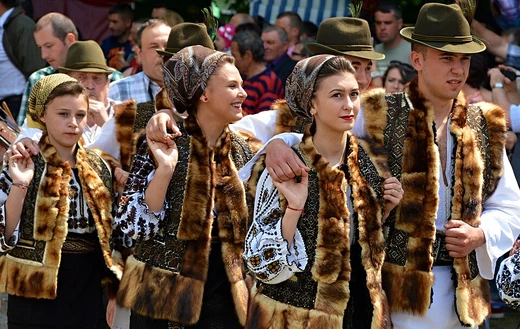
In one legend, Baba Dochia has a son who is married. She ill-treats her daughter-in-law by sending her to pick berries in the forest at the end of February. God appears to the girl as an old man and helps her. When Dochia sees the berries, she thinks spring has returned and leaves for the mountains with her son and goats, dressed in twelve coats. Rain soaks the coats, and she sheds them; frost then kills her and her goats, and her son freezes with a piece of ice in his mouth while playing the flute.
Another version tells that Dochia's son marries a girl against her will. Dochia sends her daughter-in-law to wash black wool in a river until it turns white. The girl fails until God gives her a red flower to wash the wool with, which turns it white. Dochia, angered and believing spring has come, leaves for the mountains dressed in nine coats. As weather changes, she sheds all nine coats and freezes on the mountain.
A folk myth links the nine days from March 1 to March 9 to the nine coats she sheds. Her spirit is said to haunt around that time, bringing snowstorms and cold before spring. Women pick one of these days beforehand; if the day is fair, they will be fair in old age; if cold, they will turn bitter. Dochia is also depicted as a proud woman who teases March, which takes days from February in revenge.
Reader's Guide
Baba Dochia is a central figure in Romanian folklore, embodying the transition from winter to spring and the impatience humans feel for warmer weather. Her legends explain the erratic weather of early March, particularly the cold snaps and snowstorms that often occur before spring fully arrives. The nine-day period from March 1 to March 9, known as Babele (the old women), is directly tied to her story, with each day representing one of the coats she sheds. This tradition influences Romanian folk customs, where women predict their future temperament based on the weather of a chosen day. Dochia's character appears in multiple variants, sometimes as a harsh mother-in-law, other times as a proud woman who challenges the month of March. Her mythological role also connects to historical figures: some sources identify her as the daughter or sister of Decebalus, King of the Dacians, who fled from the Roman Emperor Trajan and was turned into stone by the god Zamolxes, forming the Babele rock formation in the Bucegi Mountains. This blend of seasonal and historical myth makes Baba Dochia a multifaceted symbol of Romanian cultural identity, reflecting both natural cycles and ancient resistance.
Did You Know?
- The name Dokia is thought to originate from the Byzantine calendar's celebration of the 2nd-century martyr-saint Eudokia of Heliopolis on March 1.
- In one legend, Dochia's son freezes to death with a piece of ice in his mouth as he played the flute.
- A folk myth associates the nine days from March 1 to March 9 with the nine coats Dochia sheds on the mountain.
Frequently Asked Questions
Who is Baba Dochia?
Baba Dochia, sometimes called "The Old Dokia," is a figure from Romanian mythology who embodies the long-awaited arrival of spring. She is often pictured as a grumpy old woman tending a flock of sheep or goats.
What does Baba Dochia symbolize?
She personifies humanity's frustration and impatience while enduring the cold of winter. In Romanian tradition, she marks the turning point where winter finally gives way to warmer days.
What does Baba Dochia do in the legends?
In the folk tales, she sets out with her herd of sheep or goats and verbally berates the month of March for its stubborn cold. This act of scolding winter into retreating is central to the stories about the end of the cold season.
Where does the name "Baba Dochia" come from?
Scholars trace the name to the Byzantine liturgical calendar, which honors the second-century martyr Eudokia of Heliopolis on March 1. The Romanian "Dokia" evolved from that saint's name and was reshaped into a folk character.
Why is Baba Dochia important in Romanian folklore?
She serves as the central figure in the legends celebrating the end of winter and the return of spring. Her character gives Romanians a mythological anchor for the seasonal shift around early March.
More in Romanian folklore 1-21
Spotted an error? Know more?
Reader corrections go straight into our review queue. Suggest an edit · How this site is sourced