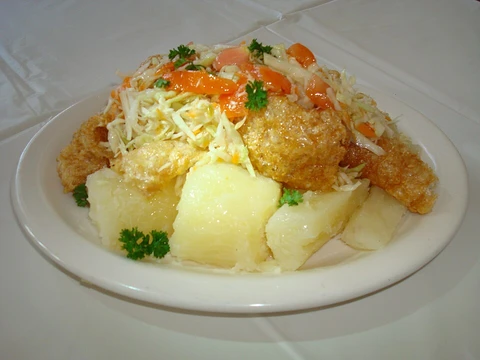
Pinole
Roasted ground maize staple of Latin American indigenous peoples.

Alfred Twu · CC0
Pinole, or pinol, is a powder made from roasted ground maize. This nutrient-dense ingredient goes into cereals, baked goods, tortillas, and drinks—for instance, it can be blended with cocoa, agave, cinnamon, chia seeds, vanilla, or other spices to create a beverage called pinolillo. The term comes from the Nahuatl word *pinolli*, meaning cornmeal. Today, pinole is typically crafted by hand in wood-burning adobe ovens using a stone and pestle, and it remains common in certain rural parts of Latin America. While often confused with pinolillo, pinole itself is not considered the national beverage of Nicaragua; that honor belongs to pinolillo.
Depending on the type and ingredient quality, pinole can be rich in carbohydrates, protein, fiber, and antioxidants. For many indigenous peoples of Mexico and Central America, it is a vital source of nutrition and sustenance.
Among the Rarámuri (Tarahumara) people of Mexico’s Copper Canyon, pinole is a staple alongside chia. The name Rarámuri means “footrunners,” and they are known for extraordinary endurance, running long distances in huarache sandals (with soles of recycled tire treads) and traditional white cotton loincloths with woven belts. Before races, they consume bajíachi (corn beer) and pinole.
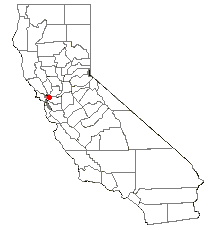
In other folklore, the recorded history of Pinole, California, begins in the early 1700s. Spanish commandant Don Pedro Fages led an exploration along the Contra Costa shoreline with a small band of soldiers and an Indian guide. According to legend, the soldiers ran out of provisions and found a village where Indians gave them food—a meal made from acorns, seeds, and wild grain, which they called “pinole” (from the Aztec *pinolli*, meaning ground and toasted grain or seeds). The soldiers named their camp “El Pinole,” giving the area its name. However, this story is a legend, not established historical fact.
Authentic pinole can occasionally be found in rural markets across Mexico and Central America, usually handmade and sold as a powder in burlap pouches. A sugar-heavy, mass-market version sometimes appears in Latin American supermarkets under brands like Don Julio.
Quick Facts
- Region
- Latin America
- Creator
- <!-- or
- Main Ingredient
- Maize and cacao
- Serving Size
- 100 g
- Similar Dish
- Gofio
- No Recipes
- false
Facts from the source article.
Lore & Background
Pinole is a traditional food made by roasting and grinding maize into a powder. It can be mixed with cocoa, agave, cinnamon, chia seeds, vanilla, or other spices to make a beverage called pinolillo. For many indigenous peoples of Mexico and Central America, it is a key source of nutrition and sustenance, high in carbohydrates, protein, fiber, and antioxidants.
Among the Rarámuri (Tarahumara) people of the Copper Canyon of Mexico, pinole is a staple food along with chia. The Rarámuri, whose name means 'footrunners,' are noted for physical stamina and running long distances wearing huarache sandals with recycled tire tread soles and traditional white cotton loincloths. They consume bajíachi (corn beer) and pinole before races.
The recorded history of Pinole, California, dates to the early 1700s, when Spanish commandant Don Pedro Fages led an exploration through the Contra Costa shoreline. According to legend, his soldiers ran out of provisions and were given food by a village of Indians—a meal made from acorns, seeds, and wild grain, which they called 'pinole.' The soldiers named their camp 'El Pinole.' However, this story is a legend, not established historical fact.
Reader's Guide
Pinole holds significance as a traditional, nutrient-dense food that has sustained indigenous peoples of Mexico and Central America for centuries. Its preparation by hand using wood-burning adobe ovens and stone pestles reflects a continuity of pre-Columbian culinary practices. The food is particularly associated with the Rarámuri (Tarahumara) people, whose renowned long-distance running is supported by pinole consumption. Pinole is also considered the national beverage of Nicaragua. The name's derivation from the Nahuatl word pinolli underscores its deep roots in Mesoamerican culture. While authentic pinole is still made by hand and sold in rural markets, a mass-market, sugar-heavy version exists under brands such as Don Julio. The legacy of pinole extends to place names, as seen in Pinole, California, where Spanish explorers adopted the term from local indigenous people. Its nutritional profile—rich in carbohydrates, protein, fiber, and antioxidants—explains its enduring role as a key source of sustenance.
Did You Know?
- Pinole is considered the national beverage of Nicaragua.
- The Rarámuri (Tarahumara) people consume pinole before long-distance races.
- Pinole, California, was named after the food by Spanish soldiers in the early 1700s.
Roots in Language and Legend
The name pinole traces back to the Nahuatl term pinolli, which simply means cornmeal. This linguistic heritage connects the food to the broader Mesoamerican tradition of processing maize into versatile, ground forms. Beyond its culinary identity, the word left a lasting mark on the North American landscape. In the early 1700s, a Spanish commandant named Don Pedro Fages led a small band of soldiers and an Indigenous guide on an exploration along the Contra Costa shoreline of California. Departing from Monterey, the group marched northward until they reached the area we now know as Pinole. According to local legend, the soldiers' provisions ran dry during the trek, and they stumbled upon a village of Indigenous people who shared their food with the exhausted travelers. That meal was a ground preparation of acorns, seeds, and wild grain, which the soldiers recognized as resembling what they called "pinole," a term derived from the Aztec word for toasted, ground grain or seeds. In gratitude, they named their temporary camp "El Pinole," and the place name has endured to this day.
Handcrafted Tradition and Everyday Use
Pinole remains a deeply hands-on preparation in the regions where it is most cherished. Rather than being produced in industrial facilities, it is generally crafted by hand using wood-burning adobe ovens to roast the maize, followed by grinding with a stone and pestle into a fine powder. This labor-intensive process preserves a technique that has been passed down through generations, and the resulting product continues to be a staple in certain, often rural, communities across Latin America. Once prepared, the powder serves as a remarkably versatile, nutrient-dense base for a wide range of dishes. It can be folded into cereals, baked into goods, pressed into tortillas, or whisked into warm beverages. One beloved preparation is pinolillo, a drink created by combining the roasted corn powder with a blend of cocoa, agave, cinnamon, chia seeds, vanilla, or other spices to taste. The cultural standing of pinole is especially pronounced in Nicaragua, where it holds the distinction of being recognized as the national beverage, a testament to how central this simple roasted grain has become to the country's culinary identity.
Fuel for the Footrunners
For many Indigenous communities across Mexico and Central America, pinole is far more than a food item; it is a cornerstone of daily sustenance. The roasted maize powder is rich in carbohydrates, protein, dietary fiber, and antioxidants, making it a dense source of the nutrients needed to sustain active lives. Nowhere is this nutritional role more vividly illustrated than among the Rarámuri, also known as the Tarahumara, an Indigenous people of the Copper Canyon region in Mexico. Their name translates to "footrunners," a fitting title for a group celebrated for extraordinary physical stamina and their capacity to cover immense distances on foot. They typically race wearing only huarache sandals—crafted with soles from recycled tire treads—along with a traditional white cotton loincloth secured by a woven belt. Before undertaking these long runs, Rarámuri runners traditionally consume bajíachi, a corn-based beer, alongside pinole, which pairs with chia as one of their two staple foods. This combination provides the sustained energy and nutritional support that underpins their legendary endurance.
From Rural Markets to Supermarket Shelves
Today, pinole occupies a dual position in the Latin American food landscape. In its most authentic form, it can still be found in rural markets scattered throughout Mexico and Central America, where it is typically produced by hand and sold as a fine powder packed into burlap pouches. These small-scale vendors preserve the traditional character of the product, offering a version that reflects the wood-fired, stone-ground preparation methods described in older accounts. At the same time, a more commercial iteration has made its way onto the shelves of Latin American supermarkets. This mass-market variant, available under brand names such as Don Julio, tends to be considerably heavier in sugar and is formulated for broader consumer appeal rather than strict traditional preparation. The contrast between these two offerings highlights a tension that many heritage foods face: the desire to maintain artisanal integrity versus the practical need to reach a wider audience. Whether purchased from a village market or a chain grocery store, pinole continues to find its way into kitchens across the region, bridging ancient Nahuatl roots with modern daily life.
Gallery

More in Nicaraguan cuisine 1-24
Spotted an error? Know more?
Reader corrections go straight into our review queue. Suggest an edit · How this site is sourced